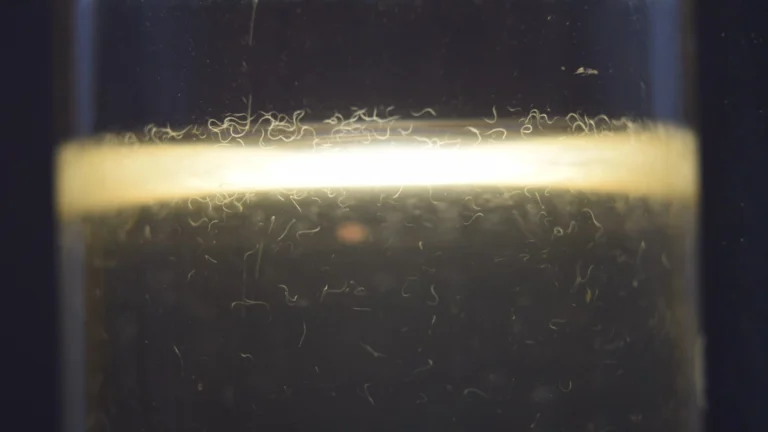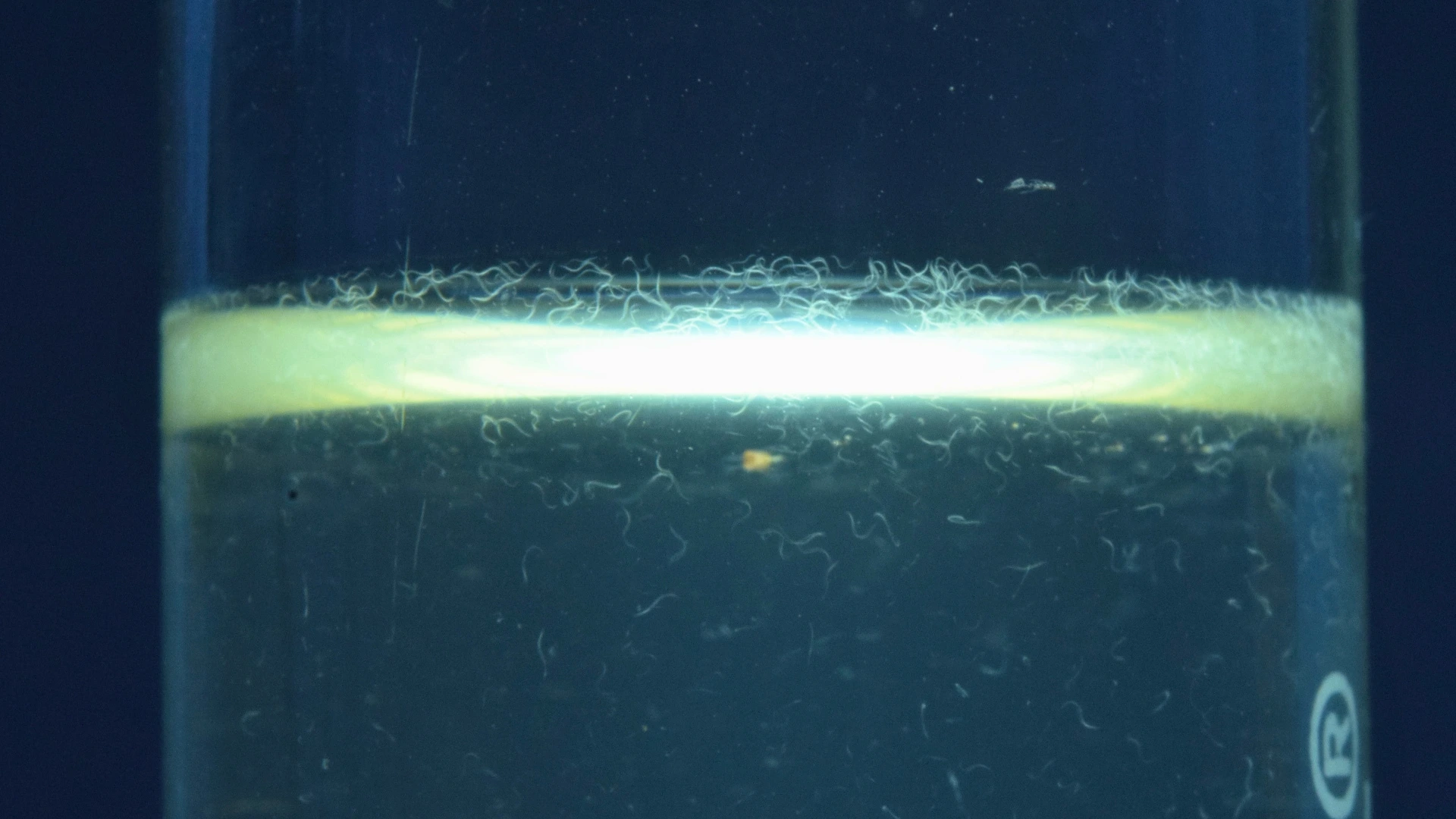
You’ll establish a vinegar eel culture by combining equal parts apple cider vinegar and dechlorinated water in a narrow-necked container. Add thin apple slices for nutrition, introduce starter culture, and cover with breathable paper towel. Position it at room temperature in dim light. Within 2-4 weeks, you’ll harvest harvestable populations using the migration method: insert filter floss, add fresh water above it, then collect eels with a pipette. Maintain temperatures between 65-75°F and refresh apple slices periodically. The specifics of each step’ll determine your success rate.
Key Takeaways
- Combine equal parts apple cider vinegar and dechlorinated water, add apple slices and starter culture to narrow-necked containers.
- Cover container with breathable paper towel secured by rubber bands and maintain room temperature in dim light conditions.
- Expect cloudy medium within 10-14 days; harvestable populations develop after 2-4 weeks with stable 65-75°F temperatures.
- Refresh substrate periodically with fresh apple slices and monitor degradation to prevent culture collapse and maintain nutrient balance.
- Use migration-based harvesting: insert filter floss half-submerged, add fresh water above it, then collect eels with a pipette.
Materials Needed for Your Vinegar Eel Culture
You’ll need six essential materials to establish a thriving vinegar eel culture. First, obtain a starter culture from aquarium suppliers or online retailers. Second, secure narrow-necked containers like wine bottles for ideal culture maintenance. Third, gather unflavored, uncolored apple cider vinegar as your primary medium. Fourth, prepare fresh dechlorinated tap water for dilution purposes.
Fifth, source fresh apples—peeled and sliced thin—to serve as your food substrate. Finally, acquire filter floss or polyester fiber fill as a respirator barrier preventing culture contamination.
These materials work synergistically to create an environment where vinegar eel benefits manifest through robust population growth. The acidity inhibits mold and fungal threats, while the apple provides essential carbohydrates for supporting microbial colonies that sustain your eels for weeks.
Setting Up the Culture Container
Once you’ve gathered your materials, the foundation of your culture’s success depends on precise setup. Start your preparation steps by placing thin apple slices into your culture container to establish a carbohydrate source for supporting microbial growth. Next, combine apple cider vinegar and dechlorinated water in equal proportions, filling approximately half of each container with this mixture. The acidic environment you’re creating will inhibit unwanted mold and fungal development. After allowing this nutrient environment to establish briefly, introduce your vinegar eel starter culture into the prepared medium. Finally, cover the container opening with a breathable paper towel secured by rubber bands, enabling adequate air exchange while preventing pest contamination. Position your container in a room-temperature location for ideal culture development. Aim for a target pH 3–4 by using a 1:1 mix of apple cider vinegar and dechlorinated water, and keep the jar at 20–24°C in dim light for steady culture activity.
Maintaining and Growing Your Culture
As your vinegar eel culture develops, the medium will turn noticeably cloudy within 10 to 14 days—a critical indicator that microbial and bacterial populations are thriving and creating the ideal environment for eel proliferation. You’ll want to maintain stable culture temperature around room temperature to optimize metabolic rates for both microbes and eels. After 2 to 4 weeks, your eel population will reach harvestable levels. Periodically introduce fresh apple slices to sustain nutrient balance and microbial colonies that eels depend on. Monitor apple degradation carefully—replace substrate when it’s fully decomposed to prevent culture collapse. The vinegar’s inherent acidity prevents mold and fungal contamination, requiring minimal intervention. Continue this maintenance cycle for several months of consistent eel production.
Harvesting Vinegar Eels for Fish Fry
After your culture reaches peak population density—typically between 2 to 4 weeks of growth—you can begin harvesting eels through a migration-based collection method. Insert filter floss into your container’s neck, positioning half within the vinegar medium. Add fresh dechlorinated water above the floss to create an oxygen gradient. This oxygen differential drives migrating eels upward into the oxygen-rich zone within 8 to 24 hours.
Once eels accumulate in the fresh water layer, use a pipette to collect them carefully. You’ll harvest thousands of viable eels per collection. These harvested eels remain alive in fresh water for several days, making them ideal for feeding fry. Their small size and extended survival in the water column maximize feeding opportunities for your young fish. Maintain your culture afterward—it’ll continue producing eels for months with proper care.
Tips and Best Practices for Success
To maximize your culture’s longevity and productivity, you’ll want to implement several key practices from the outset. Establish a consistent maintenance schedule by inspecting cultures every two to three days, removing degraded apple matter before decomposition compromises pH management. Maintain culture temperature between 65-75°F for peak microbial and eel proliferation. Use only additive-free apple cider vinegar to guarantee stable acidity and contamination prevention. Always employ fresh, peeled apples rather than whole fruit, as peel residues introduce unwanted microorganisms. Create backup cultures in separate containers to safeguard against unexpected failures. Monitor the 1:1 vinegar-to-water ratio carefully, adjusting only when pH drops excessively. Remove any visible mold immediately. These methodical practices minimize losses while sustaining robust eel populations for extended feeding periods.
Frequently Asked Questions
How Long Can Vinegar Eels Survive Outside Their Culture Container?
You’ll find that harvested vinegar eels survive several days in fresh dechlorinated water, optimizing their vinegar eel lifespan outside culture container maintenance. This extended survival enhances feeding opportunities for your fish fry.
Can I Use White Vinegar Instead of Apple Cider Vinegar for Culturing?
You shouldn’t substitute white vinegar for apple cider vinegar. Culture comparisons show apple cider vinegar’s specific pH and nutrient profile surpass other vinegar types, ensuring ideal microbial growth and eel population density.
What Temperature Range Is Optimal for Fastest Vinegar Eel Population Growth?
You’ll maximize population growth by maintaining 68-77°F, where ideal temperature and growth factors align. Room temperature stability accelerates microbial proliferation, which directly supports eel reproduction and development cycles efficiently.
Are Vinegar Eels Safe to Feed to All Types of Aquarium Fish?
You can safely feed vinegar eels to small fish fry and tiny species, though they’re not universally suitable. You’ll maximize nutritional benefits by matching them to fish preferences—larger species require bigger prey items for ideal feeding efficiency.
How Do I Know if My Culture Has Become Contaminated or Failed?
You’ll identify contamination signs through mold growth, foul odors, or absence of cloudiness after two weeks. For culture troubleshooting, you’re monitoring apple degradation, temperature stability, and eel visibility to confirm viability.
Conclusion
You’ve now mastered the art of culturing microscopic organisms that’ll revolutionize your aquatic breeding program—congratulations on becoming a professional eel wrangler. You’re managing living ecosystems in jars with the precision of a laboratory technician, meticulously monitoring pH levels and temperature fluctuations. Who needs expensive commercial feeds when you can dedicate countless hours maintaining cultures? You’ve successfully transformed yourself into a vinegar eel entrepreneur, proving that dedication to minuscule aquaculture yields maximum results.