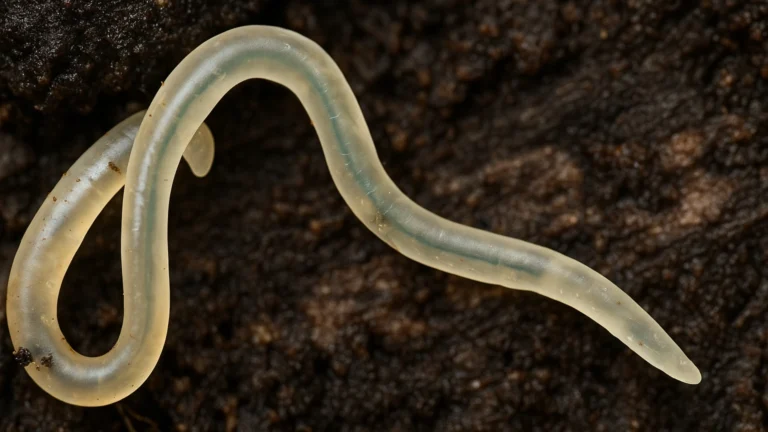
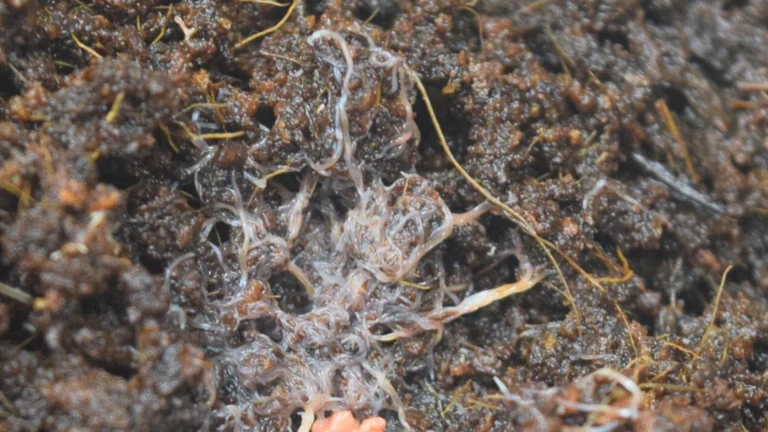
The nutritional value of your live food depends entirely on what they eat. This process is called Gut Loading.
If you feed your Grindal Worms (Enchytraeus buchholzi) low-quality scraps, your fish receive low-quality nutrition. If you feed the worms a high-quality, scientifically balanced diet, your fish get a superfood boost.
While many Western guides suggest simply using dog food, in the high humidity of India, this often leads to foul smells and mite infestations. This guide covers the scientifically best diet for maximizing reproduction rates and nutritional density in tropical conditions.
Quick Answer: Best Food Sources Ranked
For those in a hurry, here is the hierarchy of food sources based on reproduction speed and culture safety in Indian weather.
| Food Source | Reproduction Rate | Mite Risk | Spoilage Risk | Recommendation |
|---|---|---|---|---|
| Instant Baby Cereal (Cerelac) | Very High | Moderate | Low | #1 Choice (Best) |
| High-Quality Cat Kibble | High | Very High | High | Good (Use Caution) |
| Spirulina Powder | Moderate | Low | Low | Best for Gut Loading |
| Nutritional Yeast | Moderate | Low | Low | Safe Staple |
| Oatmeal / Atta (Flour) | Low | Low | Moderate | Emergency Only |
Need a fresh starter culture?
Buy High-Production Grindal Worms Here — Virus-free and lab-cultured strains available across India.
1. The “Cerelac Method” (Best for Indian Humidity)
In India, humidity levels often exceed 60%. In these conditions, dry dog food absorbs moisture from the air and rots quickly, attracting pests.
The superior alternative used by professional breeders is Instant Baby Cereal (Rice or Wheat-based, specifically the stage 1 variants without milk solids).
- Why it works: It is fortified with iron, vitamins, and minerals intended for human infants. Being pre-cooked, it is easily digestible for the worms, leading to a faster metabolic turnover and population boom.
- How to feed: Sprinkle a thin layer of dry powder directly onto the Grindal Worm Substrate.
- Result: The worms swarm the powder within minutes. It leaves very little residue compared to kibble, significantly reducing the risk of Culture Crashes.
2. The “Kibble Method” (Protein Heavy)
Dry cat or dog food (Kibble) is the classic food source because of its high protein content.
- The Risk: In India, grain mites love dog food. If you leave kibble in the tank for more than 24 hours, you will attract mites.
- The Fix: Grind the kibble into a fine powder. Feed only what the worms can finish in 12 hours.
- Scientific Note: High-fat kibble increases the fatty acid profile of the worms, making them excellent for conditioning breeding pairs (Bettas, Guppies, Killifish).
3. Gut Loading with Spirulina (The Secret Weapon)
Grindal worms are naturally high in protein but can be low in specific micronutrients.
- The Strategy: Once a week, dust your culture with 100% Pure Spirulina Powder.
- The Benefit: The worms ingest the algae, turning visible green. When you feed these “green worms” to your fish, you are transferring high-quality carotenoids and vitamins directly to the fish. This enhances the red and orange coloration of your fish naturally.
Scientific Analysis: Nutritional Profile
Understanding the macronutrient breakdown of Enchytraeus buchholzi helps you decide how often to feed them to your fish.
Dry Weight Analysis
- Protein: ~70%
- Fat (Lipids): ~14-16%
- Carbohydrates: ~10%
- Ash/Minerals: ~5%
Diet Implications
Because Grindal Worms have a relatively high fat content (14%) compared to Vinegar Eels or Daphnia, they are considered a “rich” food.
- For Fry: Excellent for rapid growth.
- For Adult Fish: Should be fed 2-3 times a week, not daily, to prevent fatty liver disease in sedentary species like Bettas.
Step-by-Step Feeding Schedule
To maintain a “Booming” culture without crashing it, follow this daily routine:
- Inspection: Open the lid. If you still see white food left over from yesterday, DO NOT FEED. Overfeeding is the #1 cause of anaerobic bacterial blooms (rot).
- Hydration: Spray the culture lightly with a mist bottle. The surface needs to be damp but not swampy.
- Feeding: Place the food (Cerelac or ground kibble) on top of the plastic harvesting sheet or directly on the Scrubber pad.
- Tip: Feeding on a plastic sheet allows you to lift the sheet and wash purely worms into your tank.
- Sealing: Replace the lid immediately to prevent fungus gnats.
Troubleshooting Common Feeding Issues
What do Grindal worms eat?
Grindal worms eat soft, moist organic matter and the microbes growing on it. In culture, the best foods are thin layers of soaked oats or baby cereal, with small additions of softened fish food and occasional vegetable purées that are eaten within one to two days.
How often should I feed Grindal worms?
Feed Grindal worms only as often as they can finish their food, usually every one to two days. Most of the food should disappear within 24–48 hours. If food is still sitting untouched after three days, reduce the amount and adjust moisture.
Can Grindal worms eat fish food?
Yes. Finely crushed and pre-soaked fish pellets or flakes are excellent foods for Grindal worms and help improve their nutritional value as live feed. They work best when used in small amounts alongside a starchy staple such as oats or baby cereal.
What foods should I avoid feeding Grindal worms?
Avoid very fatty dog and cat food, raw meat, dairy products and sugary foods. These ingredients spoil quickly, smell bad, encourage mold and can destabilise the culture. Stick to simple, unsweetened plant-based staples plus a little softened fish food.
Why does my Grindal worm culture smell bad?
A strong sour or rotten smell usually means overfeeding or overly wet food. Remove leftovers, improve ventilation, check substrate moisture and restart with very small, thin patches of oats or baby cereal. Once the smell is under control, gradually increase feeding as the worms multiply.
Can I feed them Bread or Atta (Wheat Flour)?
You can, but it is not recommended.
The Issue: Bread and Atta contain yeast and gluten that ferment rapidly in Indian heat (30°C+). This fermentation produces alcohol and CO2, which can suffocate the worms and crash the culture overnight.
Why are there mites in my food?
Grain mites are attracted to excess food.
Prevention: Feed less. The worms should finish the food in 12-24 hours. If food sits longer, mites will claim it.
Conclusion
The secret to a never-ending supply of live food is consistency. Do not dump a week’s worth of food at once. Feed a little bit, every single day.
Use the Cerelac Method for the safest results in Indian weather, and rotate with Spirulina for maximum fish health.
Running low on worms?
Order a Lab-Cultured Grindal Worm Starter — Genetically diverse and mite-free.
References
- Ruby, P. et al. (2024). “White Worms Enchytraeus albidus as a Live Feed and Formulated Aquafeeds.” Vigyan Varta 5(4): 165–167. vigyanvarta.in
- Rumpel, C. et al. (2025). “Enchytraeid worms enhance mineralization of carbon in upland soils.” ResearchGate summary of field and lab studies on enchytraeid-driven carbon cycling. ResearchGate+1
- Memiş, D. et al. (2004). “The Effect of Different Diets on the White Worm (Enchytraeus albidus) Reproduction.” Turkish Journal of Fisheries and Aquatic Sciences. DergiPark+1
- Fairchild, E.A. et al. (2017). “Production and nutritional composition of white worms as a potential live feed for ornamental species.” Aquaculture. ScienceDirect+1
- Gerlich, H.S. et al. (2025). “Optimizing Enchytraeus albidus Production With Agri-Food Co-Products.” Aquaculture Research. Wiley Online Library
- Öz, M. et al. (2025). “Evaluating White Worm (Enchytraeus sp.) Culture Conditions and Use as Live Feed in Aquaculture.” Life (MDPI). mdpi.com+1