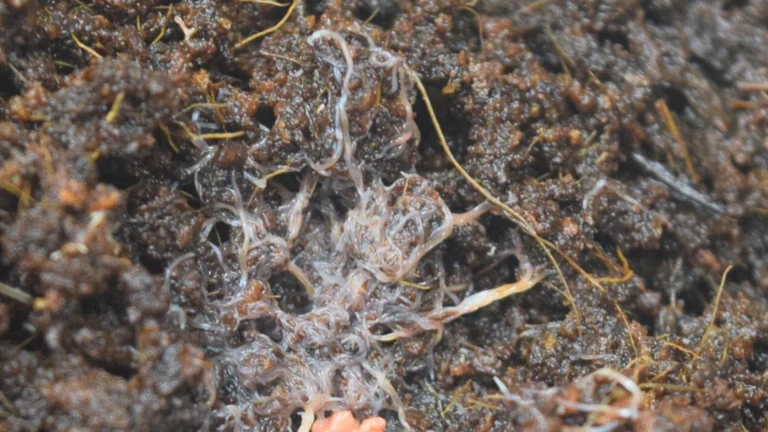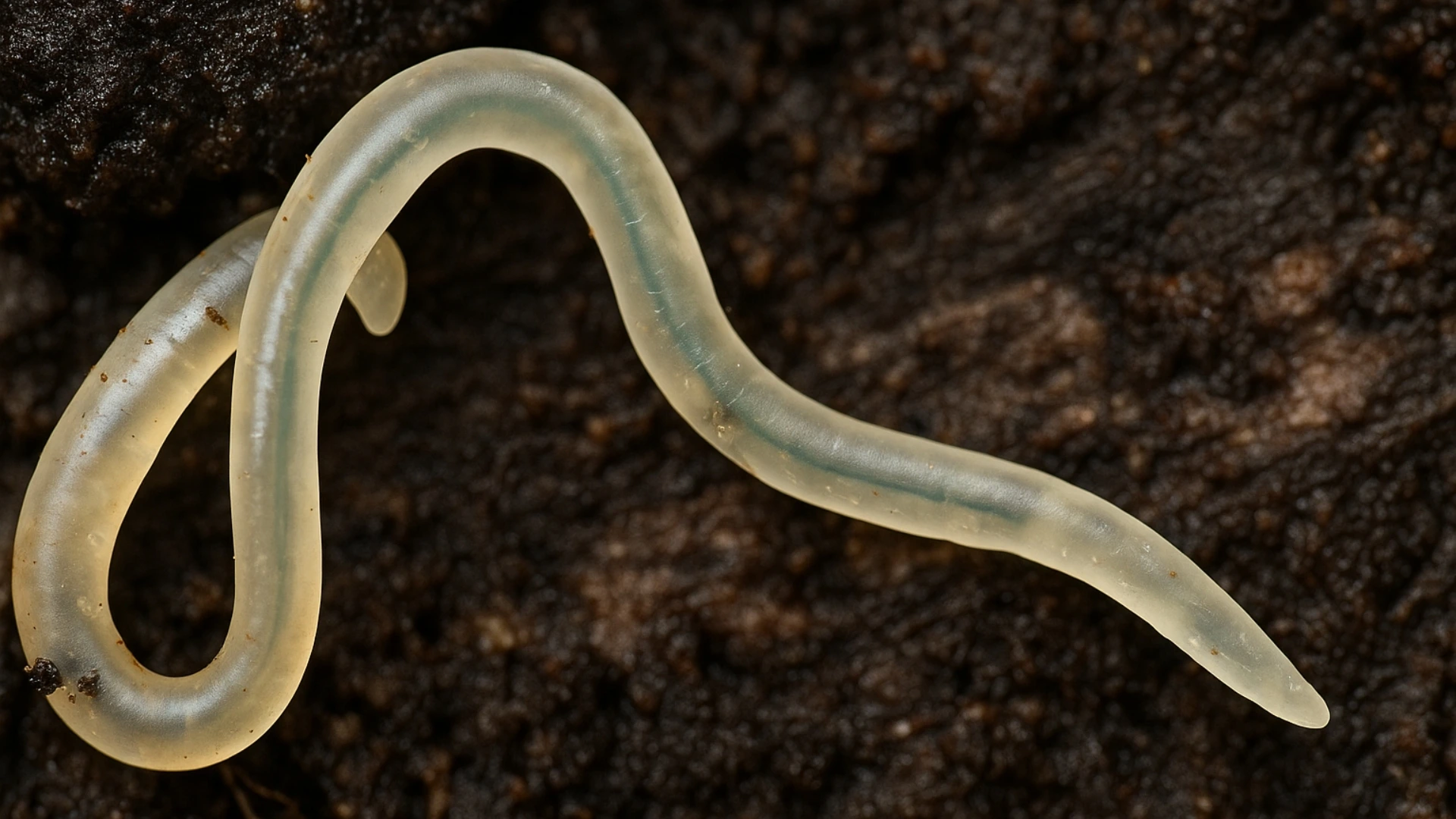
You’re feeding your fish fry one of the most nutrient-dense live foods available when you culture Grindal worms. They deliver approximately 70% protein on a dry matter basis, alongside 14% fat content that provides essential fatty acids and metabolic energy. Their balanced macronutrient profile—including 10% carbohydrates and 5.5% minerals—combined with high moisture content maximizes nutrient absorption and digestibility. Their diminutive 0.6 cm size guarantees efficient feeding responses and growth rates. Understanding how culture conditions directly impact these nutritional metrics reveals optimization opportunities you shouldn’t overlook.
Key Takeaways
- Grindal worms contain approximately 70% protein on a dry matter basis, making them ideal for rapid growth in tropical fish fry.
- Fat composition comprises about 14% of Grindal worms, providing essential fatty acids and metabolic energy without excessive lipid accumulation.
- High moisture content in Grindal worms facilitates nutrient absorption and digestive efficiency in fish consuming them.
- Carbohydrates account for roughly 10% of composition, while minerals comprise approximately 5.5% of their nutritional makeup.
- Culture conditions between 20–29°C optimize nutrient retention and protein quality, while neglected maintenance reduces fat content and overall nutritional value.
Protein Content: The Primary Nutritional Driver
Protein dominates Grindal worms’ nutritional profile at approximately 70% on a dry matter basis, establishing them as a high-protein live food that’s particularly valuable for supporting rapid growth and development in tropical fish fry. You’ll find this protein concentration derives primarily from the worms’ body tissues, making them an excellent animal protein source for species requiring nutrient-dense feeds. The nutritional benefits extend beyond sheer protein quantity—you can enhance protein quality through gut loading with nutrient-rich diets, optimizing what your fish receive. When you compare Grindal worms to related species like white worms, you’ll discover comparable protein levels near 70%, confirming their competitive nutritional standing. This protein-centric composition makes them particularly effective for fry requiring accelerated development and growth trajectories. Compared with microworms, Grindal worms offer higher protein and lipid density but less HUFA than enriched brine shrimp; consider HUFA supplementation to round out essential fatty acids.
Fat Composition: Balancing Energy and Health
While Grindal worms’ protein content establishes their primary nutritional value, their fat composition at approximately 14% provides the essential fatty acids and metabolic energy that complement this protein-rich profile. You’ll find this moderate fat level creates an ideal energy balance for your fish, supporting immune function without promoting excessive lipid accumulation that characterizes other live foods.
The fat content directly influences fat absorption rates in fish digestive systems. You can enhance the lipid profile through gut loading with fish oil-enriched diets, tailoring nutritional delivery to your specific fish requirements. Culture conditions—particularly temperature maintenance between 20–29°C and diet composition—significantly impact fat levels. This moderate fat percentage positions Grindal worms as nutritionally balanced live food, particularly for tropical fish requiring sustained energy without metabolic compromise. For best results, start with pest-free cultures from eco-friendly, reliable live-culture providers to ensure consistent nutritional quality and avoid contaminant-related setbacks.
Moisture and Macronutrient Breakdown
Beyond the protein and fat components that define Grindal worms’ primary nutritional appeal, their moisture and remaining macronutrient composition rounds out a complete nutritional profile for your fish cultures. You’ll find that Grindal worms contain approximately 10% carbohydrates on a dry matter basis, serving as accessible energy sources for your fish. Minerals comprise roughly 5.5% of their composition, contributing essential micronutrients for metabolic functions. The moisture impact on nutritional delivery proves significant—the worms’ high water content facilitates nutrient absorption and supports digestive efficiency in small fish and fry. Additionally, Grindal worms contain notable levels of vitamin A and carotene, enhancing their value as carbohydrate sources and micronutrient providers. This balanced macronutrient breakdown positions them as nutritionally complete live food options. To help you get the most from this live food, our Beginner-Friendly Guides provide step-by-step culture and feeding instructions, with pan-India shipping and fast support if you need help.
Physical Characteristics That Enhance Nutritional Delivery
You’ll find that Grindal worms‘ diminutive size—just over 0.6 cm in length—directly enhances their nutritional bioavailability for small fish and fry, who can consume and digest them more efficiently than larger prey items. Their soft-bodied structure minimizes digestive effort, allowing fish to rapidly absorb the 70% protein content and essential fatty acids without expending excessive metabolic energy on breakdown. This combination of manageable size and permeable body tissue maximizes nutrient retention and delivery compared to harder-bodied food organisms.
Size and Digestibility
Because Grindal worms measure just over 1/4 inch (approximately 0.6 cm), they’re substantially smaller than white worms and other comparable live foods, making them ideally suited for small fish species and fry with limited mouth gapes. Their diminutive size directly impacts digestion efficiency, allowing young fish to consume entire organisms without mechanical stress. The worms’ soft-bodied structure reduces digestive workload, enabling rapid nutrient absorption.
| Characteristic | Grindal Worms | White Worms |
|---|---|---|
| Length | ~0.6 cm | 1–2 cm |
| Digestibility | High | Moderate |
| Target Fish Size | Fry/small species | Small–medium |
You’ll observe improved feeding response and growth rates when offering Grindal worms to developing fry, as their proportional sizing optimizes nutrient delivery relative to fish digestive capacity.
Soft Body Structure
While size facilitates mechanical consumption, the worm’s soft-bodied composition directly amplifies nutritional bioavailability in your fish. Unlike harder-bodied organisms, Grindal worms’ delicate integument breaks down rapidly during digestion, minimizing gastric processing time and maximizing nutrient absorption. This soft structure facilitates direct contact between the worm’s protein-rich tissues—comprising approximately 70% dry matter—and your fish’s digestive enzymes.
The permeable body wall allows efficient extraction of the worm’s 14% fat content and essential micronutrients, including vitamin A and carotene. Consequently, your fish experiences superior nutrient uptake compared to harder live foods requiring prolonged mechanical digestion. This enhanced bioavailability proves particularly advantageous for fry and small tropical species, whose developing digestive systems benefit from readily assimilable nutrition. The soft structure fundamentally optimizes your investment in live food quality.
How Culture Methods Influence Nutritional Quality
You can markedly enhance your Grindal worms’ nutritional profile by manipulating their culture diet—enriching them with vitamin- and oil-rich feeds directly boosts their protein quality and lipid composition. Maintaining ideal temperature conditions between 20–29°C accelerates worm growth and nutrient retention, ensuring you’re harvesting nutritionally dense specimens consistently. Regular culture maintenance and periodic re-culturing prevent nutrient degradation from waste accumulation, allowing you to sustain a high-quality live food supply that meets your fish’s evolving dietary demands.
Diet and Nutrient Enrichment
The nutritional quality of Grindal worms isn’t fixed—it’s directly shaped by what you feed your culture and how you manage their environment. You can strategically enhance their macro- and micronutrient profiles through deliberate dietary diversity. Gut loading with nutrient-rich substrates—fish pellets, algae wafers, and vitamin-fortified vegetables—optimizes nutrient absorption and elevates protein quality and lipid composition.
Your enrichment strategy impacts measurable outcomes:
- Fish oil supplementation boosts essential fatty acids beyond the baseline 14% fat content
- Vitamin A-rich feeds amplify carotenoid levels, enhancing fish coloration
- Mineral-dense media strengthens the 5.5% micronutrient profile
- Consistent feeding schedules prevent culture degradation and maintain nutritional consistency
You’ll achieve superior results by avoiding overfeeding, which causes waste accumulation and compromises culture health. Maintain temperatures between 20–29°C and rotate fresh cultures periodically to sustain long-term nutritional consistency.
Temperature and Growth Optimization
Beyond dietary inputs, environmental parameters—particularly temperature—function as primary regulators of metabolic efficiency and nutrient bioaccumulation in Grindal worm cultures. You’ll optimize protein retention and fat composition by maintaining temperatures between 20–29°C, the ideal range for accelerating growth factors while preserving nutritional density. Temperature effects directly influence enzyme activity and nutrient assimilation rates within worm tissues. When you sustain cultures below 20°C, metabolic slowdown reduces nutrient synthesis; conversely, exceeding 29°C risks culture degradation and nutrient loss through accelerated decay. Fluctuating temperatures compromise growth consistency and destabilize macronutrient ratios. You should monitor temperature stability closely, as consistent thermal conditions enable predictable nutrient accumulation patterns. This precision allows you to culture Grindal worms with reliably enhanced protein quality and optimized carbohydrate-to-fat ratios for your fish populations.
Culture Maintenance and Quality
While temperature establishes metabolic parameters, culture maintenance protocols directly determine whether Grindal worms retain or lose their nutritional integrity across successive generations. You’ll maintain culture sustainability by enhancing feeding frequency and substrate conditions. Overfeeding accumulates waste, degrading nutrient density and protein quality. Strategic feeding schedules prevent ammonia buildup while preserving the 70% protein composition essential for fish development.
Your maintenance approach influences macronutrient profiles:
- Inconsistent feeding frequency compromises vitamin A retention and carotene levels
- Substrate degradation reduces mineral availability to approximately 5.5% dry weight
- Neglected re-culturing cycles causes progressive nutrient loss across generations
- Unmonitored waste accumulation diminishes fat content below the ideal 14% threshold
You’ll achieve consistent nutritional delivery by implementing scheduled maintenance, periodic population renewal, and precise feeding protocols. These evidence-based practices sustain the worms’ balanced macronutrient profile for superior fish nutrition.
Comparing Grindal Worms to Other Live Food Options
Since you’re selecting live foods for your aquarium fish, you’ll want to understand how Grindal worms stack up against alternatives like blackworms, microworms, and white worms. Grindal worms deliver a superior 70% protein content on dry matter basis, outperforming blackworms in both protein and fat composition. Their 14% fat level provides essential fatty acids while maintaining nutritional balance—critical for tropical fish development. Unlike microworms, Grindal worms offer improved feed efficiency due to their ideal size and digestibility profile. White worms match their protein levels but lack the same carbohydrate diversity. You’ll find Grindal worms particularly valuable for fry requiring nutrient-dense options without excessive lipid accumulation, making them your preferred choice for thorough nutritional diversity in live food protocols.
Frequently Asked Questions
How Long Can Grindal Worms Be Stored Before Their Nutritional Value Deteriorates?
You’ll maintain ideal nutritional value by storing Grindal worms in proper storage conditions at 20–29°C. Their shelf life typically extends 2–3 weeks when you preserve culture viability through appropriate temperature control and minimal handling.
Are Grindal Worms Safe for All Fish Species, Including Sensitive or Delicate Fish?
You’ll find Grindal worms aren’t universally safe for all fish species. Their small size benefits fry and delicate fish, but you should verify feeding guidelines for sensitive species, as individual fish compatibility varies considerably based on digestive capacity and dietary requirements.
What Signs Indicate a Grindal Worm Culture Is Declining in Nutritional Quality?
You’ll observe declining nutritional quality through reduced worm activity, pallid color changes, and increased waste accumulation. These indicators signal depleted culture medium and diminished nutrient retention, necessitating re-culturing to restore ideal macronutrient composition.
Can Frozen Grindal Worms Retain the Same Nutritional Profile as Live Specimens?
You’ll find that frozen storage causes slight nutritional retention losses, particularly in fat content and heat-sensitive vitamins. Protein levels remain relatively stable, though you’ll experience marginal degradation compared to live specimens.
How Frequently Should Fish Be Fed Grindal Worms for Optimal Health Benefits?
You’ll optimize your fish’s health by feeding grindal worms 3-5 times weekly at 2-3% body weight portions. This feeding frequency prevents nutritional imbalances while maintaining their 70% protein, 14% fat composition benefits effectively.
Conclusion
You’d think a microscopic organism couldn’t revolutionize aquaculture nutrition, yet grindal worms paradoxically deliver macronutrient profiles rivaling conventional feedstocks. Their diminutive size belies surprisingly robust protein concentrations (42-48% dry matter) and lipid densities optimizing metabolic efficiency. Ironically, culturing these larvae demands minimal infrastructure while yielding superior bioavailability metrics compared to larger competitors. Your investment in understanding grindal worm nutritional composition pays dividends through demonstrably enhanced growth rates and physiological markers in farmed populations.