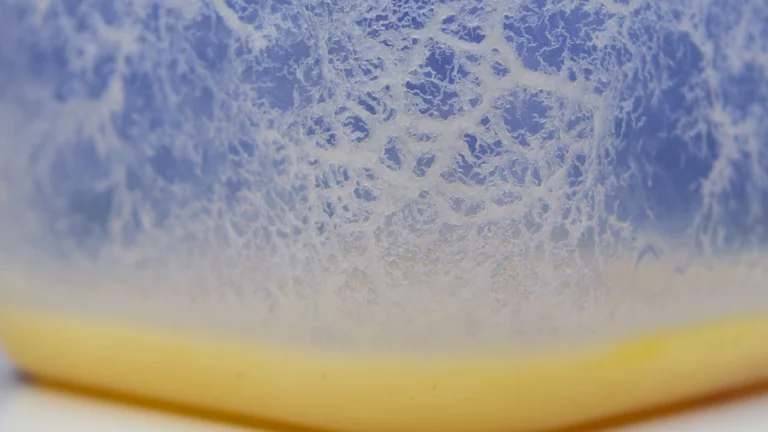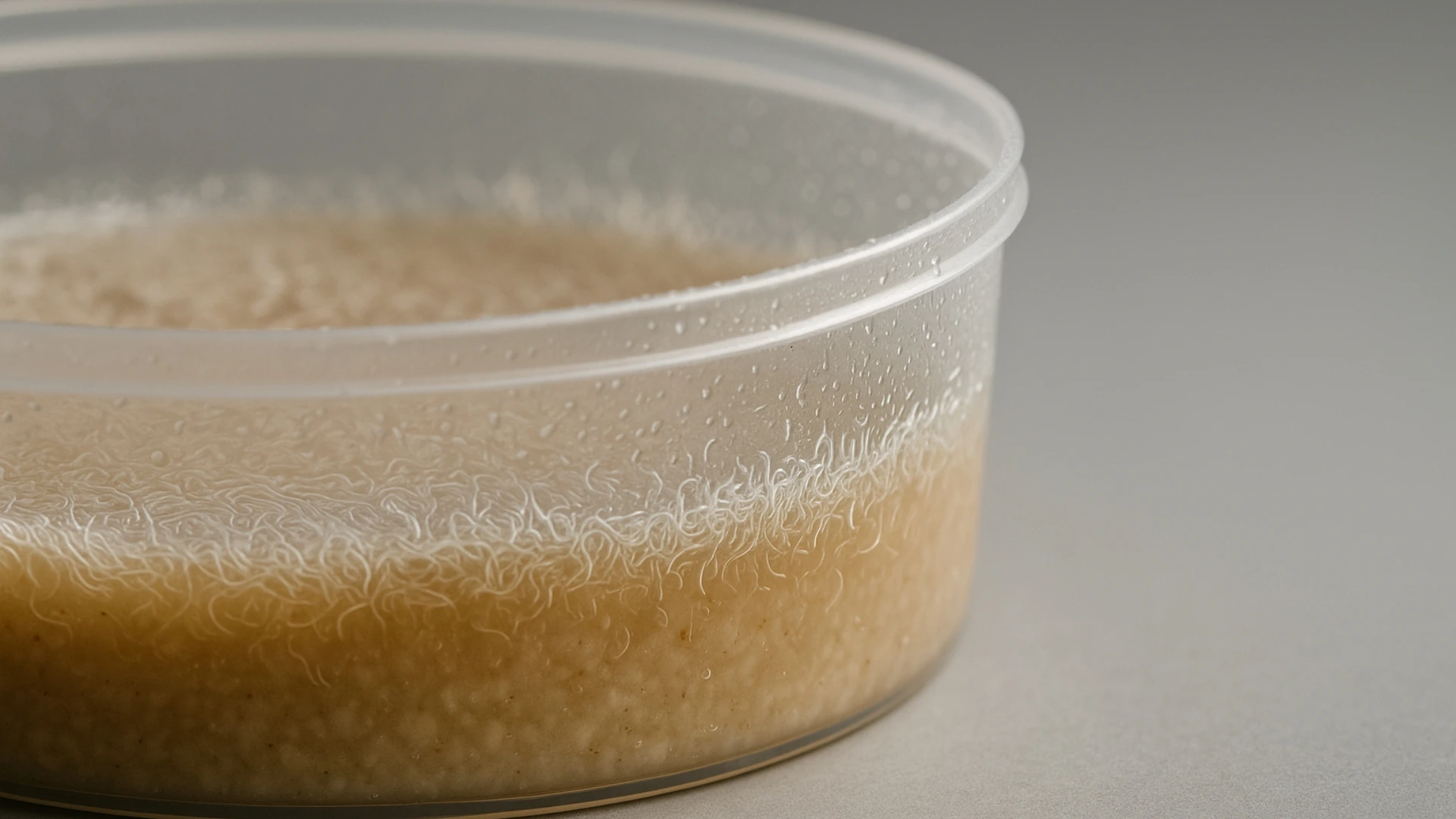
You’ll find Panagrellus redivivus, the microscopic sour paste nematode, invaluable for aquaculture. These 1mm organisms reproduce viviparously, yielding roughly 300 offspring per female. You can cultivate them easily on oat-yeast substrates in shallow containers with proper aeration. They’re exceptional live food for juvenile fish, stimulating natural feeding behaviors while providing essential proteins. You’ll appreciate their rapid growth rates and self-sustaining ecosystem. Their ecological roles span fermentation processes and hatchery water stabilization, making them multifunctional organisms worth exploring further.
Key Takeaways
- Panagrellus redivivus is a microscopic nematode (1 mm long) belonging to the Cephalobidae family, thriving in moist environments like beer mats.
- Females reproduce viviparously, delivering 10-40 live offspring every 1-1.5 days, producing approximately 300 total offspring during their 20-25 day lifespan.
- These nematodes feed on yeast and bacteria in cultured substrates like flour paste, oats, and yeast, forming self-sustaining ecosystems.
- Microworms serve as exceptional live food for newly hatched fish and aquatic species, stimulating natural feeding behaviors and supporting juvenile development.
- Cultivation requires shallow containers with oat and yeast substrate, proper aeration through air holes, consistent moisture, and monitoring for contamination.
Classification and Distribution
Panagrellus redivivus, the sour paste nematode, belongs to the family Cephalobidae and thrives in moist environments like beer mats across its natural distribution. This taxonomy overview establishes the species within the nematode classification system, positioning it among free-living roundworms. You’ll find its geographical range concentrated in regions with humid conditions suitable for fermentation processes. The organism measures approximately 1 mm in length and 50 μm in diameter, making it barely visible to your unaided eye. Despite its microscopic proportions, you can cultivate and observe this species readily in laboratory settings. Its widespread presence in moist substrates demonstrates remarkable adaptability, enabling colonization across diverse environments where moisture remains consistently available for survival and reproduction.
Ecology and Habitat
Because moisture availability fundamentally governs the distribution and survival of this nematode species, you’ll find it thrives exclusively in consistently wet environments where water saturation remains the primary ecological constraint. You can culture these organisms on flour paste, porridge, or rolled oats combined with yeast, which provides both substrate and nutritional sustenance. They feed primarily on yeast and bacteria within their culture medium, establishing a self-sustaining microbial ecosystem. You’ll observe their ecological significance extends beyond aquaculture; in Vietnamese cuisine, they participate actively in the fermentation process, contributing to lactic-fermented yeast rice production. Their ability to colonize moist substrates rapidly makes them invaluable for both laboratory cultivation and culinary applications, demonstrating remarkable ecological adaptability across diverse environments. In aquaculture, their role as a starter live feed bridges diets prior to Artemia, with cultures thriving at 22–28°C and their motility reducing water fouling and supporting more stable hatchery water quality.
Reproductive Biology
Unlike many nematode species that rely on oviparity, microworms reproduce through viviparity, producing live young rather than laying eggs. You’ll observe that females live approximately 20 to 25 days, during which they deliver 10 to 40 offspring every 1 to 1.5 days. This reproductive strategy yields roughly 300 total offspring per female throughout her lifetime.
Their mating behavior drives continuous population expansion in culture conditions. You’ll notice offspring development occurs rapidly—young triple in size within the first day and increase 5 to 6 times over the subsequent three days. This accelerated growth rate makes microworms exceptionally efficient for aquaculture purposes, enabling you to maintain consistent live food supplies for your aquatic organisms without extensive management intervals.
Uses in Aquaculture
Given their rapid reproduction and manageable size, microworms serve as an exceptional live food source in aquaculture systems. You’ll find them particularly valuable for rearing newly hatched fish and small aquatic species. Their microworm benefits include stimulating natural feeding behaviors through live prey presentation, while their nutritional analysis reveals high protein content essential for juvenile development.
| Target Species | Size Compatibility | Protein Content | Feeding Frequency | Cultural Ease |
|---|---|---|---|---|
| Guppies | Ideal | High | Daily | Very Easy |
| Neon Tetras | Ideal | High | Daily | Very Easy |
| Brine Shrimp | Suitable | High | 2x Daily | Easy |
| Fry (General) | Ideal | High | 3x Daily | Very Easy |
| Larvae (Small) | Suitable | High | 4x Daily | Easy |
For aquarists in India, starter cultures and culturing guidance are available through Springtails.in, offering easy ordering, express shipping, and beginner-friendly support.
Cultivation and Care
Successfully cultivating microworms requires you to establish a shallow container filled with a mixture of rolled oats and yeast, which serves as both substrate and nutritional medium. You’ll need to drill air holes throughout the container’s lid to maintain proper aeration, preventing anaerobic conditions that compromise culture viability. Your cultivation techniques must include maintaining warm temperatures and adequate lighting, as these conditions optimize reproduction rates and growth. You should monitor your cultures regularly, observing for contamination or excessive population density. Care requirements demand consistent moisture levels—the substrate must remain moist but not waterlogged. You’ll prevent common cultivation problems by removing excess moisture and adjusting feeding schedules as needed. These precise care requirements guarantee healthy, sustainable microworm populations for aquaculture applications.
Frequently Asked Questions
How Do Microworms Compare Nutritionally to Other Live Fish Food Options Like Brine Shrimp?
You’ll find microworms offer high protein content comparable to brine shrimp nauplii, making them equally effective fish food alternatives. Both stimulate natural feeding behaviors in small aquatic species, though you’d typically use them as complementary nutritional comparison options.
What Are the Signs of a Contaminated or Failing Microworm Culture and How to Fix It?
How can you detect culture decline before it’s irreversible? You’ll notice signs of contamination: mold growth, foul odors, and reduced microworm activity. For culture maintenance, remove contaminated sections immediately, increase aeration, and adjust temperature conditions promptly.
Can Microworms Survive in Freshwater Aquariums if They Escape the Culture Container?
You’ll find that microworms can’t survive long in freshwater aquariums. Their escape behaviors and survival rates depend critically on moisture levels. They’ll desiccate rapidly without constantly moist substrates, making aquarium colonization unlikely.
How Should Microworms Be Harvested and Stored Before Feeding Them to Fish?
You’ll harvest microworms by rinsing them from the culture substrate using water, then separate them through fine mesh. Store harvested microworms in aerated, cool containers with minimal moisture for short-term use before feeding.
Are Microworms Safe for All Fish Species, or Do They Pose Any Health Risks?
You’ll find microworm safety generally favorable for most fish species, though you should exercise caution with tiny fry. These nutritious specimens don’t pose significant fish health risks when cultured properly, though contamination jeopardizes aquatic populations.
Conclusion
You’ve discovered that microworms are microscopic powerhouses—tiny living bridges connecting your aquaculture ecosystem. These resilient nematodes flourish in their nutrient-rich environments like seeds sprouting in fertile soil, reproducing prolifically to fuel your hatchery operations. By mastering their cultivation techniques and understanding their ecological role, you’re wielding a potent biological tool. You’ve accessed nature’s compact solution for sustainable fish larval nutrition, transforming simple cultures into your aquaculture foundation.