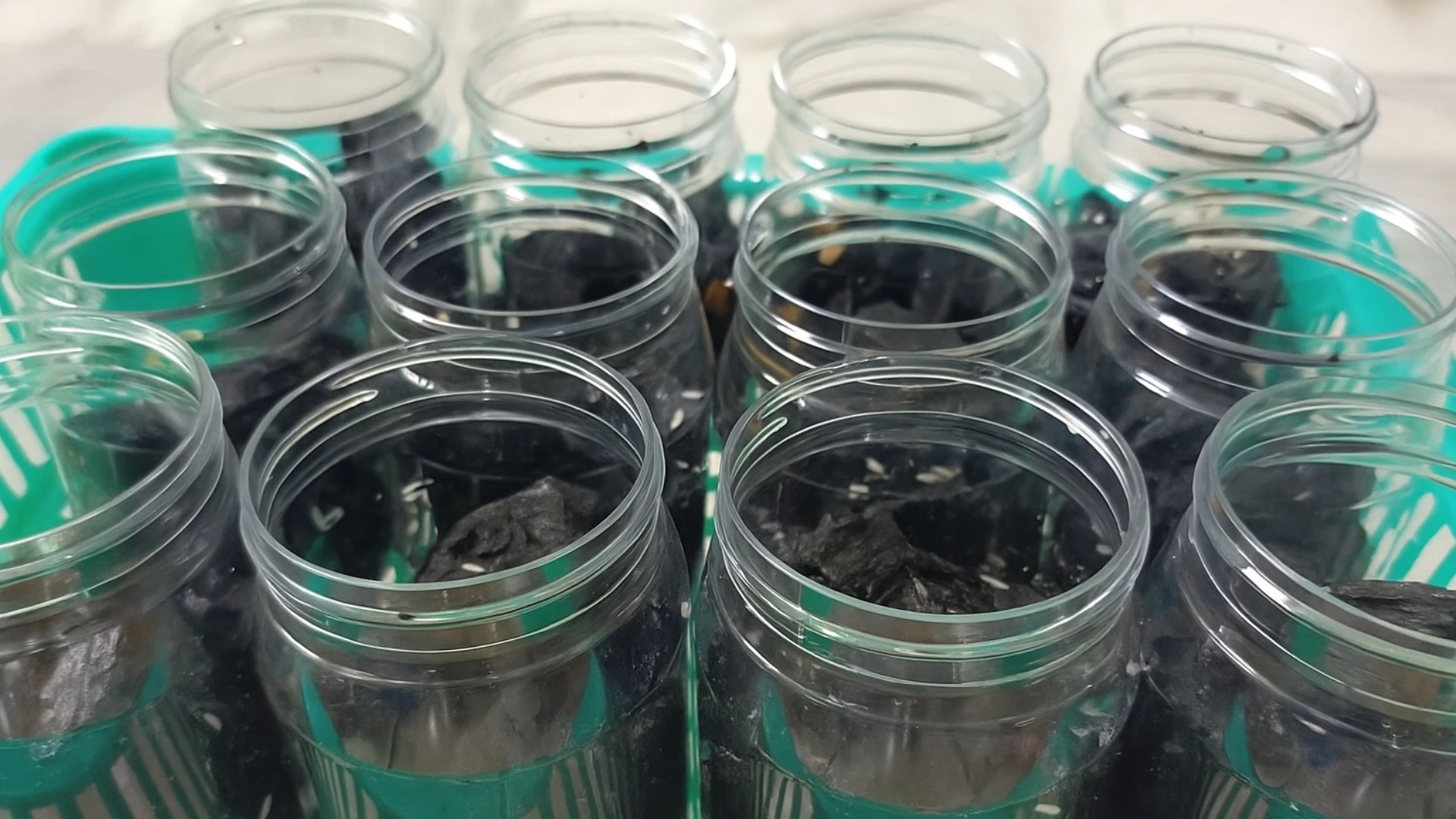
You’ll scale springtails (Collembola) by standardizing charcoal at 3–4 inches and using dechlorinated water. Feed brewer’s yeast or fungal meals 1/4 tsp every 3–4 days, rising to 1 tbsp in dense tubs; refeed only after full consumption. Hold 65–75°F and 70–80% RH. Prevent CO2 buildup with vented lids or airing. Run parallel tubs on racks, stagger cohorts, and harvest by water-float and 250–500 µm sieves. Next, we unpack vent sizing, rotation cadence, and efficient recovery.
Key Takeaways
- Use tall, escape-resistant tubs with airtight lids, 3–4 inches of rinsed horticultural charcoal, and terracotta shards for calcium enrichment.
- Maintain 65–75°F, 70–80% humidity; hydrate substrate margins to one-third–one-half depth with dechlorinated water; avoid wetting food directly.
- Feed every 3–4 days: start 1/4 tsp yeast-based mix, scale to ~1 tbsp in dense cultures; confirm full consumption before refeeding.
- Prevent CO2 buildup by airing weekly or adding fine-mesh/taped pinhole vents; balance ventilation to avoid dehydration while maintaining activity.
- Scale via parallel, labeled cohorts on plastic/metal racks; stagger ages, quarantine failures, harvest by water separation, and allow 10–14 days for recovery.
Gear and Substrate Setup for Reliable Starter Cultures
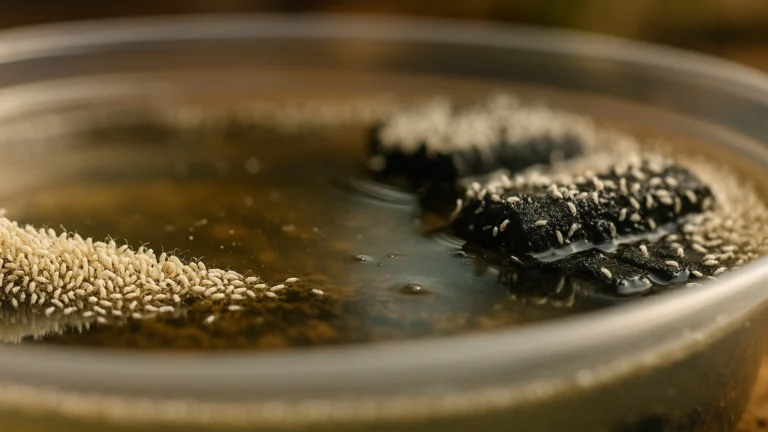
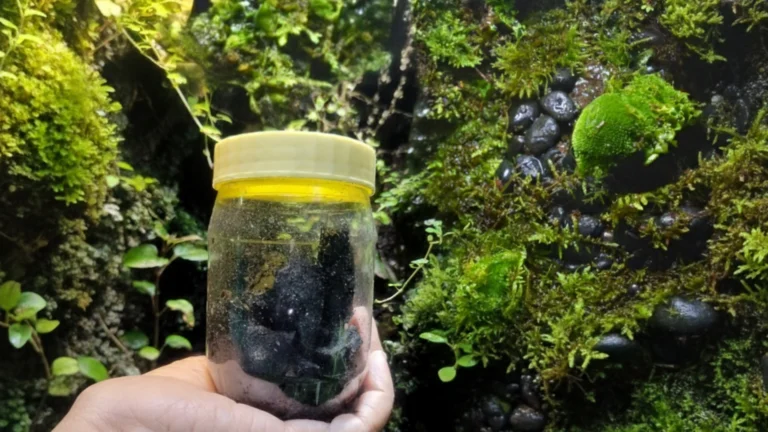
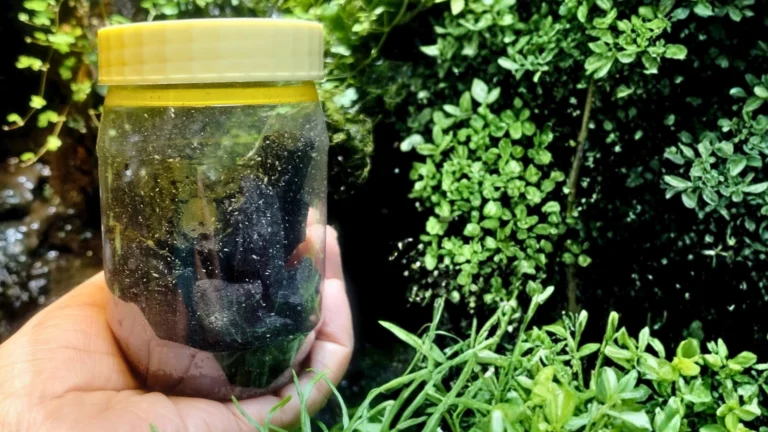
Although methods vary by species, reliable springtail starters begin with inert, chemical‑free substrate in controlled, escape‑resistant containers. Prioritize Sterile sourcing of Collembola and materials; verify suppliers and horticultural-grade media. Indian hobbyists can source pest-free cultures with express shipping nationwide to ensure healthy inoculation of starter tubs. Your Charcoal choice is primary: activated or horticultural charcoal provides durable porosity, gas diffusion, and capillary retention, outperforming peat or soil. Include 3–4 inches minimum depth, deeper for higher carrying capacity. Supplement with calcium-bearing clay shards or terracotta fragments to enrich exoskeletal calcium when cultures become feeders. Lightly rinse substrates with distilled water if you must remove fines; then distribute loosely to prevent anoxic clumping. Use taller plastic or glass tubs with airtight lids. Maintaining airtight cultures can benefit several springtail species that prefer higher CO2 and reduced oxygen. Provide ventilation via fine-mesh ports or by opening every 2–4 days. Stage multiple parallel cultures, labeled, in dark, stable-temperature racks environments.
Feeding, Moisture, and Routine Care
With containers and inert charcoal substrate established, set a quantified regimen for feeding and hydration that matches Collembola biology. Indian aquarists can also source Microworms starter cultures from Springtails.in as a nutritious first food for fish fry, with express shipping for quick delivery. Establish feeding frequency at every 3–4 days, offering nutrient-dense diets: brewer’s yeast, fungal-dominant seed meals, or balanced mixes of yeast, rice flour, and mushroom powder. Start immature cultures at 1/4 tsp; scale gradually to about 1 tbsp in dense cultures. Avoid fish flakes to reduce mite introduction. Perform moisture monitoring with dechlorinated water—prefer distilled or rain—maintaining substrate hydration at one-third to one-half depth. Add water to substrate margins, never onto food, and replace losses gently after harvests. Confirm full food consumption before refeeding; light fungal bloom indicates appropriate trophic pathways. Rotate cultures to prevent overharvest. Maintain 65–75°F, low light, and periodically refresh substrate. Don’t overfeed. Keep cultures well away from fruit flies to minimize mite cross-infestation risk and protect culture productivity.
Managing Oxygen and Ventilation in Sealed or Vented Containers
Because airtight culture boxes restrict gas exchange, you must manage oxygen and CO2 deliberately to prevent inactivity and culture crashes. Springtails tolerate low O2, but sealed tubs accumulate CO2; inactivity is a bioindicator. Open sealed containers at least weekly to replenish O2, or add passive vents: pin-prick holes backed with micron-pore tape or fine mesh. A Ventilation Retrofit with side or lid screens maintains airflow while limiting escape and evaporation. Use low-speed fans for larger volumes to avoid drafts. Balance ventilation with humidity (target 70–80%); excessive venting dehydrates cultures, while stagnation favors mold. Maintain cultures within 70–80°F (21–27°C) to support activity and reproduction as you adjust airflow.
- Verify activity after airing; lack of rebound implies inadequate exchange.
- Mesh porosity and hole density should scale with volume.
- Log humidity and CO2 Monitoring to detect rising demand.
- For scaling up, you can source pest-free live cultures and supplies from Springtails.in with express shipping to minimize downtime during expansions.
Scaling Up: Parallel Tubs, Racks, and Culture Rotation
Robust gas exchange protocols set the baseline; you can now scale by running multiple tubs in parallel, organized on moisture-resistant racks and managed under a defined rotation schedule. Equip each container with vented lids, sufficient headspace, and 3–4 inches of charcoal to stabilize humidity and provide porous refugia. Use metal or plastic racks that resist moisture, hold tubs securely, and maintain shelf spacing for airflow without direct light or heat accumulation. For quick starts and restocks in India, suppliers like Springtails.in offer Springtails Live Culture with express shipping and a commitment to pest-free, eco-friendly practices. Implement staggered scheduling: maintain two to three cohorts at offset ages, allowing one tub to rest while others mature. Adjust feeding frequency and dose to observed density; prevent overfeeding in young cultures. Enforce biosecurity protocols—separate tools per rack, quarantine failures, and discard contaminated substrate. Rotation reduces crash risk and maintains continuous availability overall. Since springtails have worldwide distribution, scaling systems can be established in most regions with consistent results.
Harvesting Techniques and Deployment to Enclosures
Separating springtails from bulk media starts with low-stress, water-based methods that preserve viability and purity. Submerge culture material, gently agitate, and let Collembola rise; skim with a 250–500 µm sieve or collect via a suction tube. Avoid heat and solvents for Contamination Prevention. For lure-based harvests, place melon or wet organics under low light, remove at peak aggregation, and rinse to reduce residues. After transfers (e.g., charcoal to clay), allow 10–14 days for density recovery before large pulls. The water culture method for springtails enhances the overall health of the population, allowing for efficient breeding and sustainable harvesting practices. Regular monitoring of environmental conditions, such as temperature and humidity, ensures optimal growth rates and decreases the likelihood of contamination. By maintaining these parameters, you can achieve a thriving culture that yields high-quality springtails consistently.
- Stage in clean tubs with damp paper towel, moderate temperature, and airflow.
- Standardize mesh sizes and timing to improve yield forecasting and Transport Logistics.
- Label cohorts; quarantine suspect lots to prevent cross-tub contamination.
Disperse in enclosures, avoid overstocking, maintain moisture, and monitor survival. In wetter setups, they often surface concentrate, which can make skimming and bait-pulls more efficient.
Frequently Asked Questions
Which Springtail Species Are Best for Dart Frogs Versus Bioactive Plant Setups?
You’ll want Folsomia candida and Ceratophysella sp. for dart frogs: small, prolific, with Nutritional suitability. For bioactive setups, prioritize tropical Collembola (e.g., Seira sp., “Tropical Pink”) aligned to Habitat preference—warm, humid—boosting detritivory, fungal grazing, efficiency.
How Do I Quarantine or Treat Cultures to Prevent Mite Infestations?
You’ll use quarantine procedures: isolate new cultures 1–2 weeks, lower humidity, and inspections. Practice substrate sterilization, tool hygiene, and controlled feeding. If infested, reduce moisture, dust diatomaceous earth, use targeted miticides, or freeze; replace substrate.
What Are Signs of a Culture Crash and Emergency Recovery Steps?
You identify crash by fetid odor, immobile Collembola, mites, mold overgrowth, uneaten yeast, and desiccation. You’ll execute Emergency Remediation: discard contaminated substrate, restore moisture, improve ventilation, reduce feeding, reinoculate stock, stabilize temperature, preventing Population Decline.
Can I Pause Cultures During Vacations, and How Long Without Maintenance?
Yes—you can pause cultures. For temperate species, 2–4 weeks; for tropical taxa, 1–2 weeks. Stabilize moisture, ventilate lids, cool to 18–21°C—you’ll extend survival environmental buffering. Tighten feeding schedules; maintain ½-inch water; open for gas exchange.
Are There Legal or Environmental Risks to Releasing Springtails Accidentally?
You’re unlikely to face Regulatory Liability; most Collembola are native or ubiquitous. Ecosystem Impact is minimal or beneficial. Avoid releasing non-native strains or contaminated substrates; keep containers sealed, monitor cultures, and dispose spent media correctly.
Conclusion
You’ve built a repeatable pipeline: optimized substrate, calibrated feeding and moisture, controlled gas exchange, and modular scaling for parallel tubs and racks. Focus on Folsomia candida or temperate Collembola, track density, and rotate cultures to avoid crashes. Empirically, populations can double every 10–14 days at 22–24°C with ad libitum yeast. Use passive vents or scheduled lid-cracks to maintain O2, and harvest by water-flood or CO2 lure, then seed enclosures promptly to maintain detritivore function continuity.