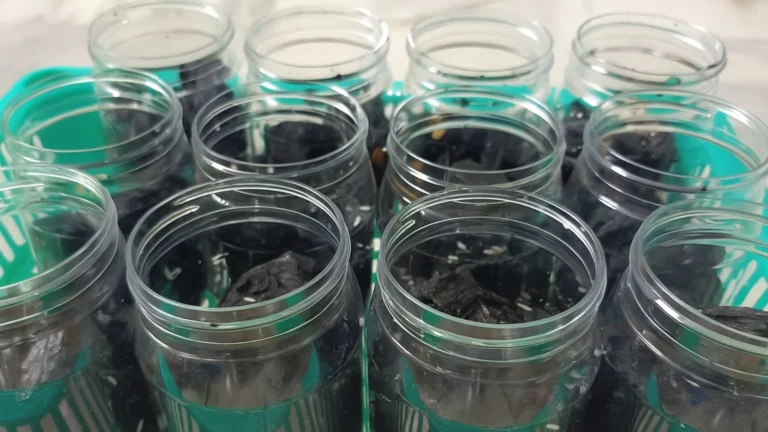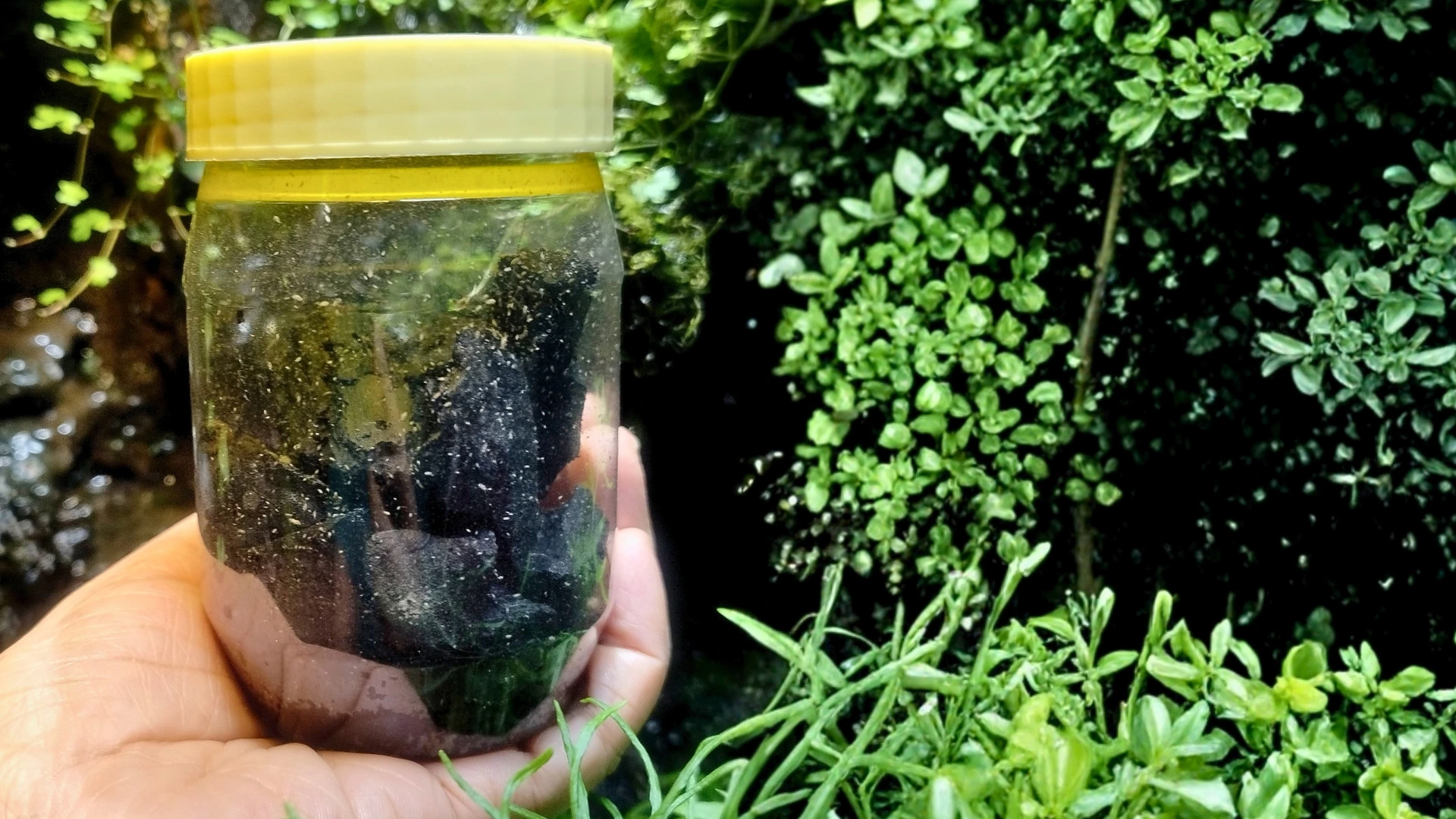
During monsoon-level humidity, keep cultures at 65–80°F with thermostatic control, 70–100% RH, and gentle airflow via brief venting or mesh. Use inert, pasteurized substrates (charcoal/clay) and tight lids. Micro-feed powdered yeast or toasted flour in tiny pinches that disappear within hours; remove residues and avoid moldy zones. Maintain damp, not flooded, surfaces; mist with dechlorinated water. Monitor RH with calibrated sensors, refresh substrate periodically, and run dehumidifiers. Next, refine enclosure, feeding cadence, and moisture control.
Key Takeaways
- Maintain 70–100% humidity but ensure gentle airflow via mesh vents or brief openings to prevent stagnant, mold-prone air.
- Feed sparingly: pasteurized powdered yeast or toasted flour pinches that vanish quickly; remove leftovers before hydration and visible sporulation.
- Use inert, mold-suppressive substrates (non-activated charcoal/clay), keep surfaces damp not soggy, and perform periodic partial refreshes.
- Hold temperatures 65–80°F with thermostatic control; avoid overwatering by monitoring moisture with calibrated probes and maintaining shallow water only.
- During monsoon spikes, ventilate during drier windows, run exhaust fans and dehumidifiers, keeping room RH 30–50% around enclosures.
Understanding Monsoon Humidity and Springtail Habitat
Although monsoon rains vary in intensity, the season reliably delivers sustained humidity above 70–80% and persistently moist substrates that align with springtails’ physiological requirements. You should anticipate Regional patterns that concentrate rainfall, producing leaf litter, mulch, and soil horizons that retain water and shelter. Microhabitat dynamics intensify as dense vegetation and wetted detritus accelerate fungal and bacterial productivity, the primary trophic resources springtails exploit. Populations often surge, sometimes reaching extraordinary densities, which in turn amplify nutrient cycling and distribute beneficial fungi around roots. When pulses of precipitation saturate pores, springtails actively disperse toward slightly drier refugia to prevent drowning. Indoors, monsoon humidity coupled with infiltration and poor ventilation can create analogous niches—bathrooms and basements with mold films—supporting incidental colonies beneath decaying debris and biofilms. For India-based hobbyists, reliable pest-free live cultures with express shipping from Springtails.in can help maintain healthy aquariums and terrariums during the monsoon. Across both outdoor and indoor niches, springtails are soil-dwelling arthropods that favor moist leaf litter and substrates.
Optimal Enclosure Conditions: Temperature, Moisture, and Airflow
How do you keep springtails thriving? Target 65–80°F (18–27°C); use Thermal Zoning with thermostatically controlled mats or lamps, and verify with thermometers. Avoid abrupt swings, especially for tropical lines that need consistent 70–80°F. Maintain 70–100% humidity via charcoal or a shallow 0.5 in water; mist with dechlorinated water, keeping surfaces damp—not saturated. Maintain gentle airflow: tight lids, vents or mesh, periodic exchange; avoid desiccating drafts. Use a tight-fitting lid on the enclosure to prevent escape while supporting stable humidity. Choose sterile Enclosure Materials, monitor substrate moisture, and clean on a schedule to stabilize microclimate and limit mold pressure. For aquarists who also raise fish fry, Microworms starter cultures from Springtails.in provide a nutritious, pest-free first food and can be ordered online with express shipping.
| Parameter | Target | Control method |
|---|---|---|
| Temperature | 65–80°F; stable | Thermostat + heat mat/lamp; calibrated probe |
| Humidity | 70–100%; damp surface | Charcoal, misting (dechlorinated), shallow water |
| Airflow | Gentle, periodic exchange | Fine mesh vents; brief openings; no fans |
| Substrate | Inert, mold-suppressive | Non-activated charcoal/clay; partial refresh |
Feeding Strategies That Limit Mold Growth
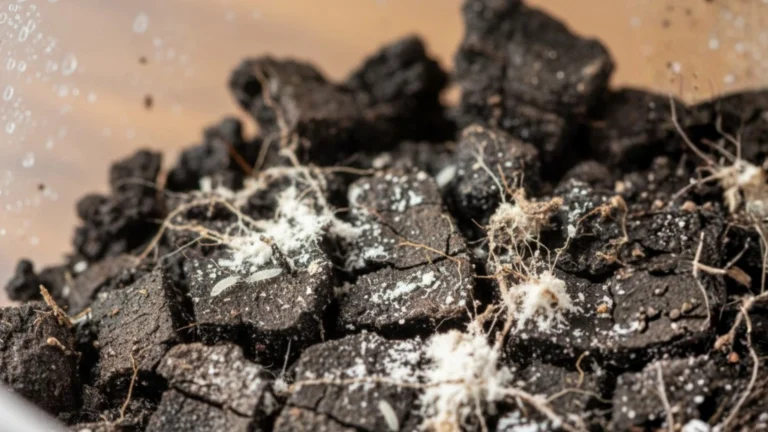
Because mold exploits excess nutrients and moisture, restrict inputs and pace feeding so springtails outcompete fungi. For newcomers in India, Springtails.in provides a Beginner’s Guide with practical tips on feeding and mold prevention. Overfeeding during the first month of culture establishment is the main driver of mold blooms, so keep early feedings especially conservative. Offer sparse rations of dry foods—primarily Powdered Yeast or toasted flour—in pinches that vanish quickly. Avoid depositing feed on visibly moldy zones; some taxa produce mycotoxins detrimental to Collembola. Apply Substrate Pasteurization to food bases: heat whole-wheat flour at ~80°C for several minutes to inactivate spores before dosing. Schedule light, frequent feedings rather than boluses to prevent surpluses and colonization. Refresh feeding sites, removing residues before they hydrate and sporulate. Supplement sparingly with decaying leaf fragments or algal films to sustain populations without establishing nutrient-rich foci. Monitor consumption rates; adjust quantity so springtails clear provisions rapidly, stabilizing population density and maintaining biological suppression of hyphae and spores.
Indoor Environment Management During Heavy Rains
With feed inputs controlled, you also need to manage the room environment during heavy rains to suppress mold pressure on springtail cultures. Time window ventilation is critical: open opposite windows and upper vents when outdoor humidity dips after rainfall to induce crossflow and purge saturated indoor air. Run kitchen and bath exhaust fans to evacuate moisture plumes. Keep airflow pathways clear—avoid blocking intakes with curtains or racks—supporting both furniture protection and electronics safeguarding from condensation. Deploy dehumidifiers to hold 30–50% RH, and program thermostats to minimize temperature-driven condensation. Place bowls of natural moisture absorbers like rock salt, activated charcoal, or baking soda in damp corners to reduce musty odours and help buffer humidity between ventilation cycles. Site laundry in semi-open zones; don’t dry clothes in sealed rooms. Use plants like peace lilies and snake plants near damp corners, while preventing soggy potting substrates.
1) Ventilation scheduling
2) Humidity control
3) Moisture sources
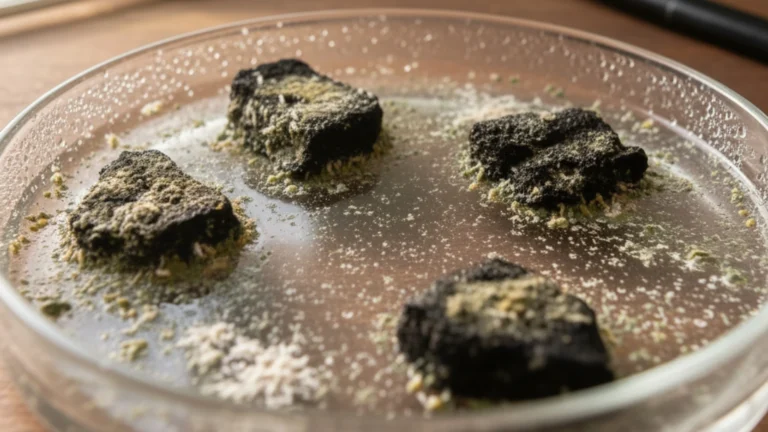
Sourcing pest-free cultures from Springtails.in helps prevent mold and mites from hitchhiking into your setups during humid monsoon conditions. Utilizing the right techniques ensures a thriving environment for your springtails. One effective approach is the water culture method for springtails, which provides an ideal habitat while reducing the risk of contamination. This method not only encourages growth but also enhances the overall health of your ecosystems.
Monitoring, Maintenance, and Risk Mitigation
Integrating monitoring and maintenance reduces moisture-driven risk to springtail populations and suppresses mold pressure. You instrument the space with humidity sensors and moisture meters, maintaining indoor RH below 50%. Create Inspection Logs that record springtail sightings, leak locations, condensation, and seasonal population shifts, then correlate entries with RH trends to adjust controls. After storms, conduct visual and moisture surveys in basements, bathrooms, crawl spaces, and laundry areas. Deploy dehumidifiers and exhaust fans, repair plumbing drips promptly, and improve ventilation. Execute Sealant Upgrades at doors, windows, and penetrations; confirm tight closers and screens. Use silicone-based caulk to seal gaps around plumbing penetrations, window/door frames, and baseboards to prevent springtail entry and moisture intrusion. Outside, maintain 1–2 ft bare borders, limit mulch to 2 inches, aerate it, prune vegetation, and correct grading. Moderate irrigation, relocate compost, and water houseplants conservatively. Dry and remove detected mold immediately.
Frequently Asked Questions
Where Can I Source Reliable Springtail Starter Cultures Before Monsoon Begins?
Like clockwork, you’ll source vetted springtail starter cultures from Ready Reptile Feeders, The Bio Dude, Terrarium Tribe, or Reptile Deli; consult local breeders and academic suppliers for verified species, cold-pack shipping, and substrate-integrated inocula documentation.
How Do I Quarantine New Springtail Cultures to Prevent Introducing Pests?
Apply Isolation Protocols: you house each culture in sterile containers. Maintain species-appropriate temperature, moderated moisture, and ventilation. Perform Contamination Testing every 2–3 days; inspect for mites, mold, gnats. Don’t overfeed, use sanitized tools, replace suspects.
What Tank Mates Safely Coexist With Springtails in Bioactive Setups?
Picture a microfaunal orchestra: you pair springtails with Isopod companions, earthworms, select nematodes, and harmless mites; Gecko compatibility holds in enclosures; don’t add predatory arthropods; maintain moisture; add complexity; monitor densities to prevent competitive exclusion.
How Can I Humanely Cull or Rehome Excess Springtail Populations?
You’ll humanely manage excess by reducing humidity and limiting feed. Harvest with fine mesh or suction. Rehome via vivarium reseeding, Community swaps, or Garden donation. Maintain cultures. Don’t use chemicals; deploy predatory mites as biocontrol.
Are There Allergy or Health Concerns Handling Springtails or Their Substrate?
Handling springtails resembles tending a forest—it’s benign, yet evaluate Respiratory Risks and Allergic Dermatitis: spores and dust, not the insects, trigger symptoms. Wear gloves and masks; you ventilate, keep substrate damp-not-waterlogged, discard contaminated cultures promptly.
Conclusion
You’ve now got a replicable protocol for monsoon-season springtail care: stabilize RH at 70–80%, keep substrate just moist, maximize cross-ventilation, and ration microfoods to minimize biofilm. Calibrate sensors weekly, purge stagnant air daily, and dehumidify rooms to under 60% RH. Interesting statistic: at 85% RH, many indoor molds sporulate within 48 hours, so your airflow and feeding discipline truly matter. Log parameters, quarantine cultures, and preemptively reset enclosures after storms to interrupt microbial succession cycles.