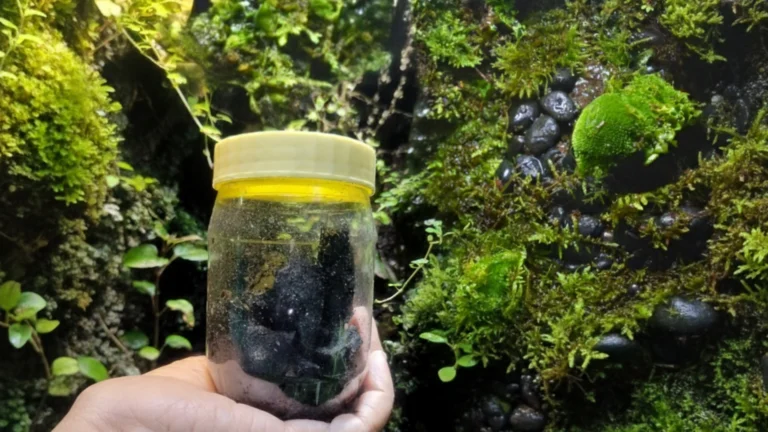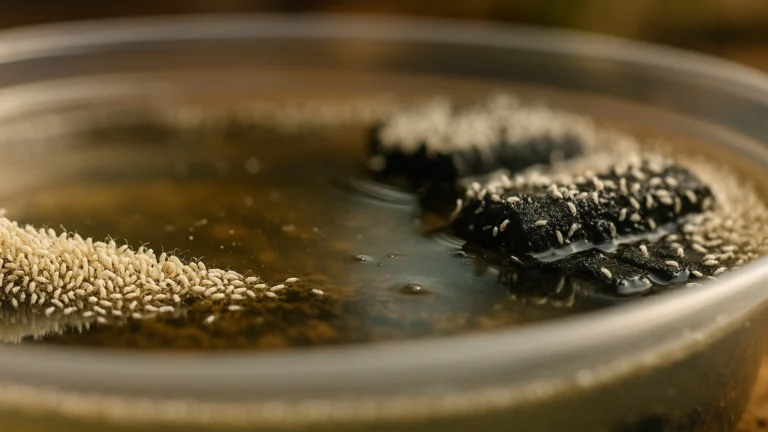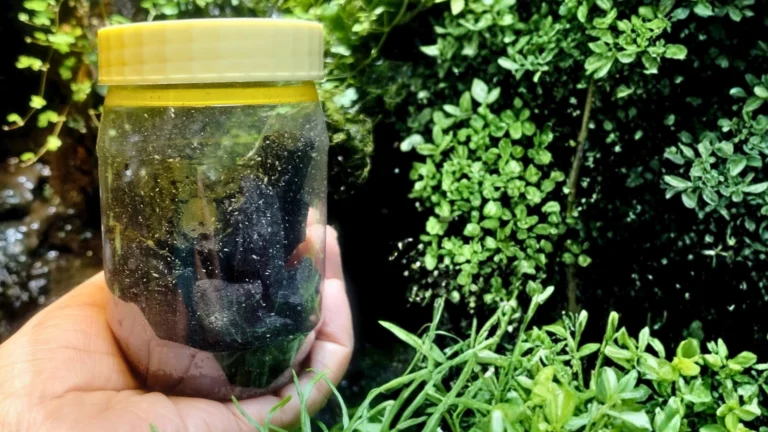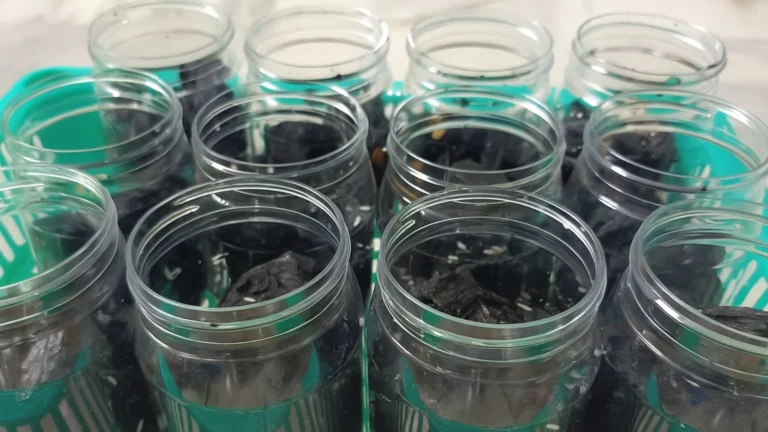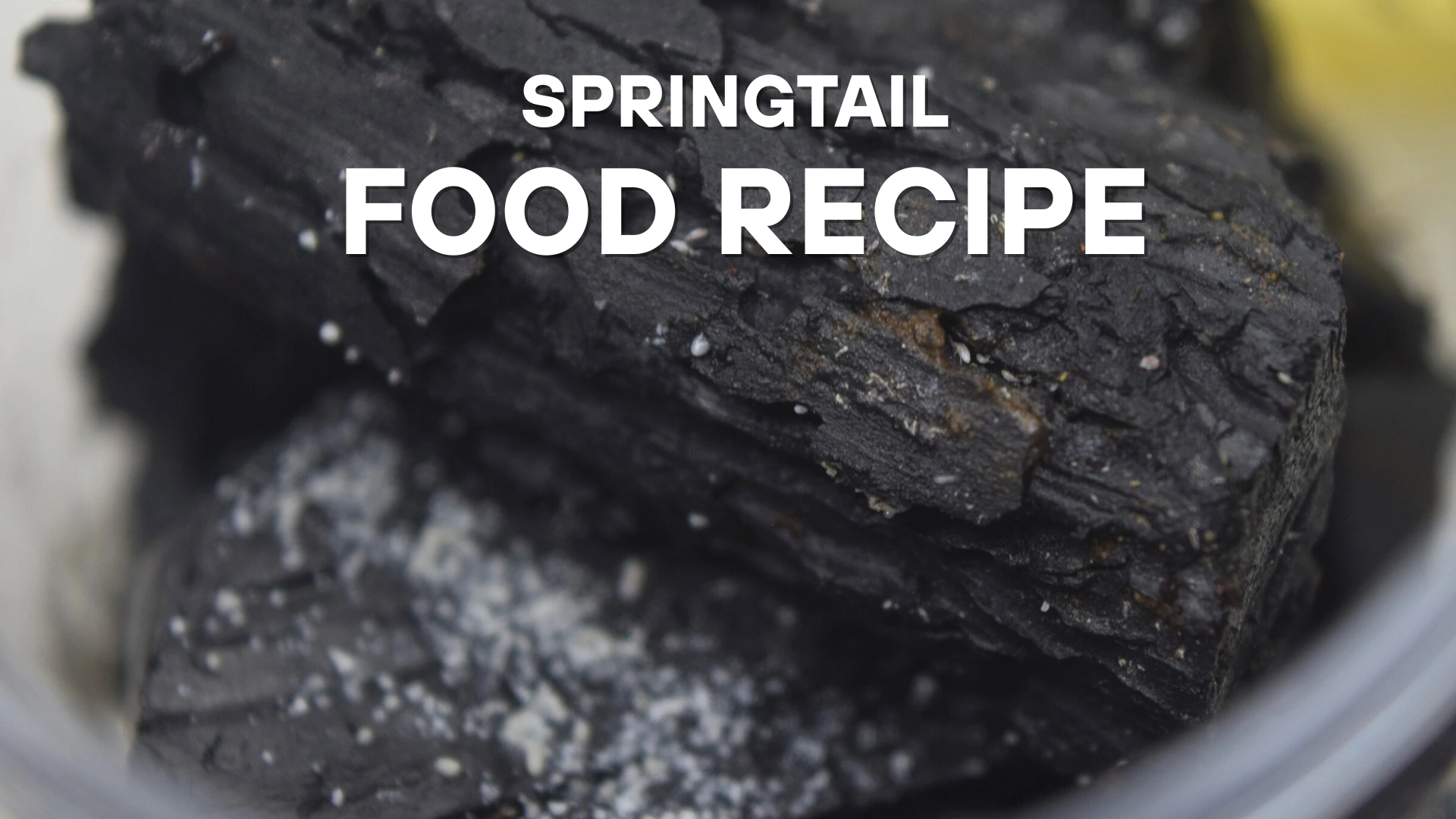
You can feed springtails with Indian pantry staples: combine rice or oat flour (carb base) with hydrated baker’s yeast and a trace of spirulina or finely ground fish food. Mix ~10 g dry blend, add 10–12 g dechlorinated water to a thick slurry, rest 5 minutes, then spot‑apply 0.2–0.5 g per culture. Target a carb‑biased C:N ~15–20:1; avoid salt, oils, and spices. Feed ~0.1–0.2 g yeast/100 cm² weekly. Expect a biofilm and earthy odor—guidance follows.
Key Takeaways
- Dry mix: 8 g rice flour or powdered poha, 1 g oat flour/sooji, 0.5 g baker’s yeast; optional 0.2 g spirulina or crushed fish food.
- Hydrate with 10–12 g dechlorinated/RO water to a thick slurry, rest 5 minutes, then stir without foaming.
- Spot-apply 0.2–0.5 g per culture, spread thinly; close lid with fine vents and recheck uptake after 24 hours.
- Keep carb-biased feed (C:N 15–20:1); avoid salt, oils, spices, jaggery syrups, and masala residues that harm springtails.
- Maintain hygiene: fresh ingredients, clean tools, RO water, labeled containers with mesh vents; look for white sheen and earthy smell as healthy signs.
Essential Pantry Ingredients and Why They Work
Three pantry staples cover most needs: baker’s yeast, a starch source (rice or oat flour), and a protein–micronutrient booster (spirulina powder or finely ground fish food). Yeast supplies live or inactive Saccharomyces biomass rich in B‑vitamins, sterols, and digestible protein; springtails graze biofilms this stimulates. Rice or oat flour provides fermentable carbohydrates to sustain microbial growth and maintain an energy-dense substrate; you’ll dose lightly to prevent hypoxic conditions. Spirulina or fish food adds amino acids, essential fatty acids, trace minerals, and carotenoids, improving fecundity and cuticle integrity. Favor simple ingredient sourcing: choose fresh, uncontaminated packets, verify dates, and avoid added salts, oils, or spices common in Indian blends. Maintain kitchen hygiene by separating culture food from cooking areas and sealing ingredients airtight between uses.
Tools and Setup for Clean, Reliable Cultures
With your dry ingredients standardized, you’ll get consistent results by controlling hardware and handling. Use lidded polypropylene containers (PP5) with fine ventilation holes covered by 200–300 µm mesh to balance gas exchange and exclude mites. Fit a drain layer and keep water level visible via a clear sidewall. Implement clean culture techniques: disinfect tools with 70% ethanol, flame-sterilize forceps when feasible, and handle cultures in a low-draft area. Prefer dechlorinated or RO water to prevent ionic shock. Maintain 22–25°C and 70–90% RH using a thermometer-hygrometer; avoid light-intense locations. Standardize inoculation tools (micro-scoops, soft brushes) and label every container with date, batch, and feed lot. Design reliable feeding systems by dedicating measured dispensers and a schedule, and quarantine any new cultures. Monitor regularly for contaminants.
Step-by-Step Recipe: Mixing, Hydrating, and Applying Feed
Although ingredient ratios can vary, standardize your workflow to control moisture and dose: weigh a dry blend into a sterile cup (e.g., 10 g total), then add 10–12 g dechlorinated or RO water to achieve a thick, non-running slurry that holds a peak; let it rest 5 minutes to fully hydrate fine particles.
Stir vigorously to disperse clumps, scraping walls and base for uniformity. Use pulse mixing techniques rather than whipping to limit aeration. If viscosity drops, titrate water by 0.5 g increments; if too wet, incorporate a pinch of dry blend and wait. After hydration methods stabilize texture, spot-apply 0.2–0.5 g per culture on substrate surfaces, not pooling. Spread thinly with a spatula. Close lids, vent, briefly, and recheck uptake at 24 hours.
Carb–Protein Balance and Safe Yeast Use
Because nutrient stoichiometry governs microbial succession in cultures, target a carbohydrate‑biased feed that sustains biofilm growth without driving nitrogenous waste. Aim for C:N 15–20:1 using rice flour/semolina as carbs; limit protein sources like besan, ground dal, to trace amounts to supply essential amino acids without excess ammonia. For yeast types, use Saccharomyces cerevisiae (baker’s yeast) sparingly. Hydrate your feed to damp crumb, sprinkle a dusting; reapply only when consumed. Pulse-feeding maintains microbial biofilm and avoids anoxia. Prehydrate yeast to prevent clumping and explosive blooms; 0.1–0.2 g per 100 cm2 weekly is adequate for starter colonies. Observe cue: white sheen indicates ideal bacterial/fungal film; odorless, earthy smell’s normal. If activity slows, increase carbohydrate fraction first, not protein. Maintain ventilation and moisture to stabilize succession. For step-by-step tips tailored to Indian hobbyists, see the Beginner’s Guide offered by Springtails.in.
What to Avoid: Salt, Oils, Spices, and Contaminants
You should exclude salt and oils, as dissolved ions cause osmotic stress and desiccation in Collembola, while lipids can coat the cuticle and impair respiration and locomotion. Skip spices because essential oils, capsaicinoids, and other phytochemicals exhibit antimicrobial and insecticidal activity that disrupts gut microbiota and reduces survival. Control contaminants by using food‑grade inputs, rinsing or heat‑treating substrates, and avoiding pesticide residues, molds, and heavy metals associated with morbidity in microarthropods.
Avoid Salt and Oils
While salts and oils are common in kitchen scraps, they disrupt osmotic balance, foul the substrate, and drive microbial shifts that can crash springtail cultures. You should exclude table salt, pickling brines, ghee, and cooking oils from feed. Sodium ions induce desiccation stress and inhibit cuticular water regulation, undermining springtail health. Lipids coat charcoal or clay, reduce aeration, and create anoxic microzones that favor biofilm dominance over fungal growth. For food safety in closed cultures, keep conductivity low and maintain hydrophilic, porous media.
- Rinse rice or dal residues to remove dissolved salts before drying them as feed.
- Prefer oat flour or yeast flakes over fried crumbs.
- Wick off surface oils with paper before adding any substrate.
- Monitor electrical conductivity; target <0.5 mS/cm leachate daily.
Skip Spices, Contaminants
Although trace flavorings can seem harmless, spices and contaminants introduce antimicrobial and cytotoxic compounds that destabilize springtail cultures. Many Indian spices contain essential oils, phenolics, and alkaloids—eugenol, capsaicin, curcumin, piperine—that inhibit fungal growth, suppress microflora, and irritate cuticles. You should exclude masalas, chili, turmeric, clove, cinnamon, black pepper, asafoetida, and mustard seeds from rations. Avoid tea and coffee powders; caffeine and tannins are toxic at low thresholds. Screen staples for residues: dish soap, cooking oil aerosols, salt, vinegar, and cleaning agents disrupt osmoregulation and biofilm formation. Rinse rice flour equipment, air-dry containers, and store feed in sealed, odor-free jars. As Feeding strategies, prioritize neutral substrates and consistent moisture to optimize Springtail health and microbial inoculum performance. Reduce inputs, monitor cultures, discard contaminated batches promptly.
Storage, Feeding Frequency, and Mold Control Tips
Because springtails thrive in moist microhabitats, manage food storage, dosing, and microbial growth with tight control. Regularly inspect food items for signs of infestation, as even small amounts of moisture can attract these pests. Additionally, understanding common springtail species identification can help in recognizing and addressing an infestation early. Implementing preventative measures, such as using airtight containers, can further reduce the likelihood of their presence.
Store dry mix in airtight glass, cool and dark; refrigerate wet paste and use within one week.
Feed lightly to avoid anaerobic patches, align dosing with the springtail lifecycle, and monitor for nutrient deficiencies.
- Offer micro-servings every 2–3 days; increase only if food vanishes within 24 hours.
- Replace uneaten food at 48 hours; remove with tweezers to limit sporulation and mites.
- Maintain 60–80% substrate humidity; add airflow via small vents to suppress mold hyphae.
- Seed a cleanup crew: yeast at pinhead amounts outcompetes molds without spiking CO2.
Observe population growth, frass accumulation, and surface biofilms; adjust ration size and interval accordingly.
Quarantine cultures to prevent cross-contamination between bins.
Frequently Asked Questions
Which Springtail Species in India Respond Best to This Diet?
You’ll see strongest responses from Folsomia candida and Sinella curviseta; Entomobrya and Seira spp. perform well. You optimize springtail care by maintaining moisture, venting, and micronutrients; nutritional benefits include improved fecundity, faster instars, growth rates.
What Temperature and Humidity Accelerate Breeding Without Stressing Cultures?
Target 22–24°C and 90–95% relative humidity as ideal conditions to accelerate breeding without stress. You’ll enhance gas exchange by ventilation and damp, not waterlogged, substrate. Use consistent photoperiod, minimal disturbance, and incremental feeding—evidence-based breeding techniques.
How Can I Deter Predatory Mites Without Pesticides?
Raise castle ramparts: you’ll quarantine cultures, install micro-mesh lids, and keep wetter substrate to disadvantage predatory mites. Use Natural deterrent methods—diatomaceous earth perimeters, 60°C heat-treatment, sticky traps—and Companion plant strategies (marigold borders) to reduce ingress.
Is RO, Distilled, or Chlorinated Tap Water Acceptable for Mixing?
Use RO or distilled; they’re acceptable and safest. Avoid chlorinated tap unless you dechlorinate (sodium thiosulfate) or verify no chloramine. Prioritize water quality to prevent biocide stress and optimize springtail hydration and culture stability outcomes.
How Soon Should I Expect Visible Population Increases After Feeding?
You’ll see population growth within 7–14 days; expansion by weeks 3–4. Picture clusters thickening after each feeding. Maintain feeding frequency every 2–3 days, prevent overfeeding, stabilize moisture 90–100% RH, 20–24°C, minimize disturbance for consistent outcomes.