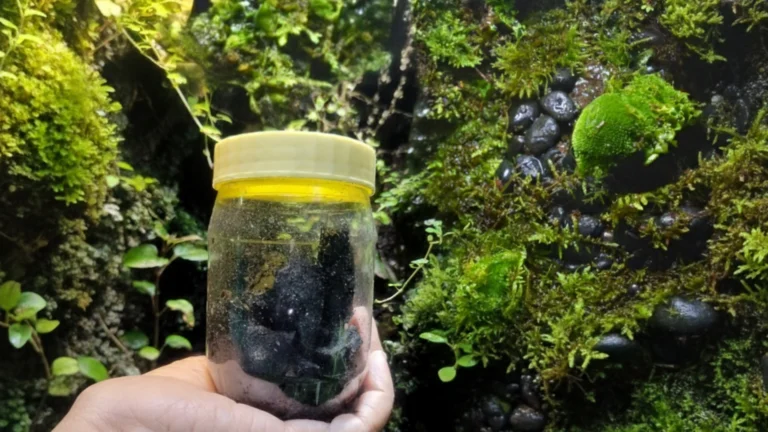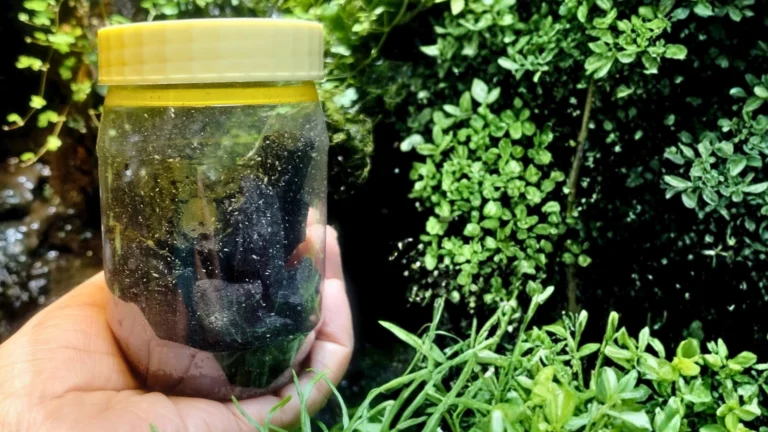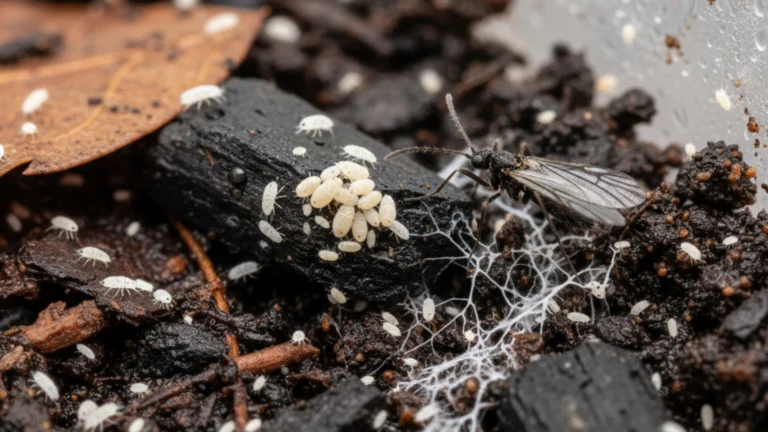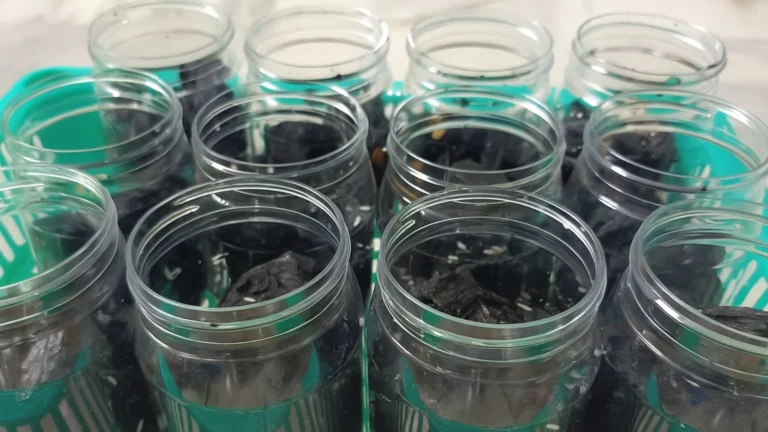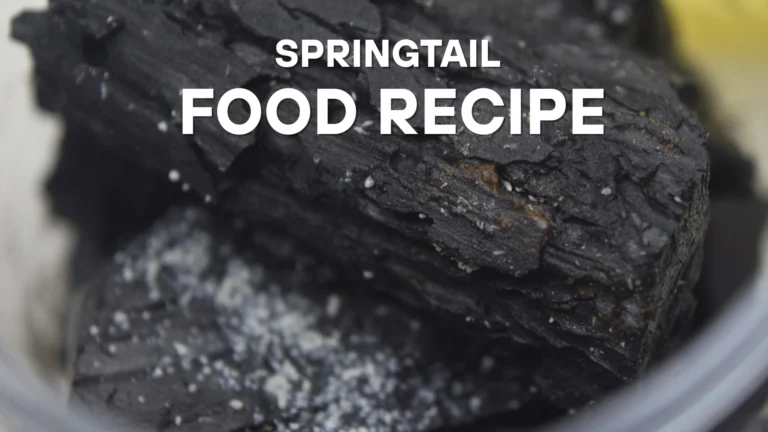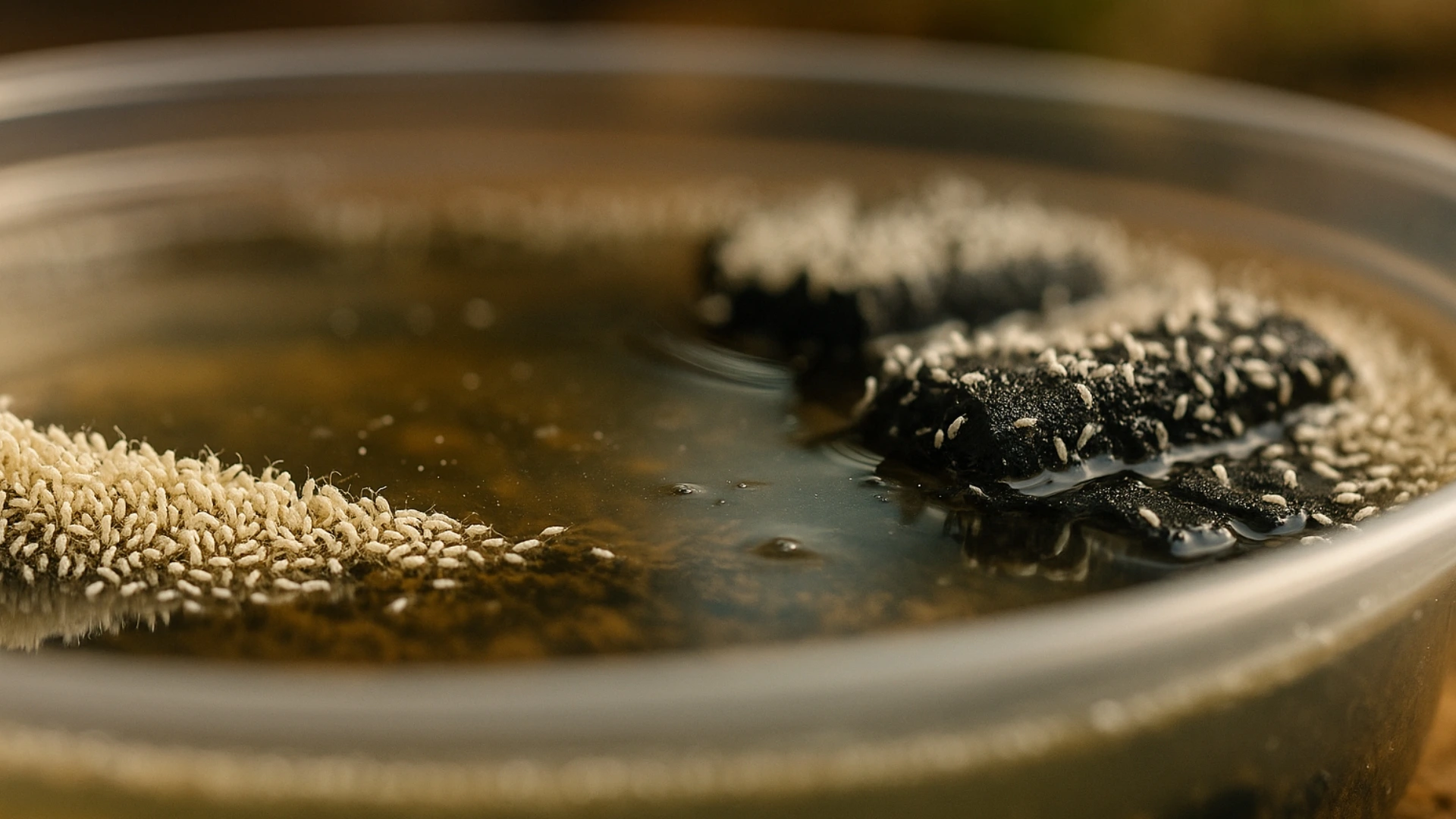
You culture Collembola (e.g., Folsomia candida) on hydrated inert media with a shallow distilled-water column. Their hydrophobic epicuticle keeps adults buoyant, letting you decant inocula without substrate. Use plastic boxes with tight lids and lump charcoal or orchid bark over calcium-bearing clay; maintain water at 1/3–1/2 medium depth. Feed films of brewer’s yeast or crushed flake; ventilate at feeding. Harvest by flooding and pouring. Maintain cohorts and avoid overharvest; you’ll optimize scale and biosecurity further.
Key Takeaways
- Floating due to hydrophobic cuticle enables contactless harvesting and prevents substrate transfer.
- Use distilled water and charcoal/bark substrate with controlled water level 1/3–1/2 depth to maintain quality and avoid pests/pollutants.
- Feed lightly with brewer’s yeast or fine fish food; thin films prevent decay; ventilate at feedings to limit CO2.
- Adults/juveniles float for pour-off or pipette collection; bait transfers reduce media movement; avoid overharvest to keep populations robust.
- Use sealed, tall plastic containers with fine-mesh ventilation; maintain multiple cultures and expand monthly for consistent yield.
Benefits of the Water Culture Method
Leveraging a water-based system for Collembola (springtails; e.g., Folsomia candida, temperate; Sinella spp., tropical) increases culture efficiency and hygiene by aligning with their hydrophobic epicuticle, which keeps adults buoyant for contactless harvesting. You gain a documented Reproduction Boost when you provide nutrient-dense diets (e.g., dry yeast, small grains), which elevate activity, mating, and oviposition, sustaining populations and reducing restarts. Distilled water supports Contamination Reduction by limiting dissolved pollutants and excluding soil-borne mites, maggots, and debris. Floating adults let you pour inocula directly, protecting vivaria from substrate transfer. Visual food auditing prevents overfeeding and decay, maintaining water quality. The method scales easily across species and climates, enabling synchronized, rotating cultures that continuously provision bioactive terraria and plant enclosures while reinforcing decomposer function and enclosure resilience. Springtails are found almost everywhere in the world, a global distribution that helps keepers source starter cultures locally and adapt the method across regions. Keepers across India can source reliable live cultures with pest-free assurance and express shipping, making it easier to start clean water cultures.
Materials and Container Setup
To convert the method’s benefits into stable output, assemble containers and substrates that match springtail biology. Choose waterproof plastic boxes (Tupperware, shoebox types, or takeout tubs) with tight-fitting lids; perform seal testing to confirm no escape paths. For hassle-free starters, consider sourcing pest-free cultures from providers that guarantee live arrival and healthy stock. Use height optimization: taller vessels lower escape risk when you open the lid. Select capacities from ~6 oz to ~2.2 qt to balance monitoring with population control. For ventilation, either keep lids airtight and open periodically, or drill pinholes and cover with very fine mesh to block Collembola. Prepare a 3–4 inch substrate layer using lump charcoal for porosity and mold resistance. Alternatives include orchid bark or fine bark chips; mix with coco fiber and leaf litter. Calcium-bearing clay particularly supports Folsomia candida growth and rapid reproduction. With adequate ventilation and feeding, expect cultures to reach seeding density in about 4 weeks.
Medium Options and Water Level Control
While medium choice dictates moisture dynamics, select substrates that match Collembola (e.g., Folsomia candida) physiology and your harvest method. Lumpwood charcoal maximizes drainage and aeration, enabling clean tap-off harvesting and robust microhabitat gradients; orchid bark behaves similarly when charcoal’s unavailable. Calcium clay or bentonite mixes form mineral-rich beds that you can tap easily and later convey micronutrients to amphibian vivaria. For soil or peat, sterilize first; you’ll suppress competing microbes and stabilize water balance. Felt fabric offers a moist platform with high substrate longevity. Fit lids with 0.2 µm vents to maintain gas exchange, minimize CO2 buildup, and block pest entry.
Control water to 1/3–1/2 of substrate depth. Don’t let clay or soil desiccate—shrinkage cracks reduce population viability. Starting with pest-free cultures reduces mite contamination and keeps populations strong. Practice texture engineering: cratered clay layers increase surface area and movement, yet avoid overly thick lifts. Prevent waterlogging; compact beds drown springtails rapidly. Monitoring moisture levels is crucial for maintaining a healthy springtail habitat, especially during periods of increased evaporation. Incorporating monsoon springtail humidity management strategies can help maintain optimal conditions for growth and reproduction. Regularly check and adjust your humidity levels to prevent excess dryness or saturation, ensuring a thriving springtail population.
Feeding Schedule and Low-Maintenance Practices
Because population density governs food turnover and CO2 production in Collembola (e.g., Folsomia candida), set feeding frequency by culture size and monitor responses closely. In small or newly founded cultures, feed every 2–3 days; in dense, established cohorts, offer thin, even dustings once or twice daily. Use brewer’s yeast, proprietary springtail blends, or finely crushed flake fish food, moistening lightly to improve palatability. Distribute food as a film over charcoal to maximize access and avoid anaerobic clumps. Track Feeding cues—rapid clearing of particles, increased surface activity, or visible depletion—at defined Monitoring intervals. Each feeding, open the lid to ventilate; this limits CO2 from decomposing organics. Maintain high humidity with water around the medium. If you also keep fish fry, microworms starter cultures from Springtails.in provide a convenient, protein-rich first food with express shipping in India. Before feeding out, allow cultures to produce visible juveniles; premature overharvesting can cause a culture crash. Keep multiple cultures and intervene minimally between checks for routine stability.
Harvesting, Transfer, and Scaling
Harvesting from water cultures exploits the hydrophobic, wax-coated cuticle of Collembola (e.g., Folsomia candida), causing adults and juveniles to float when you add water, so you can decant or pipette them with minimal substrate carryover. For charcoal cultures, shake the pieces over collection cup; for coco fiber or soil, partially submerge and gently stir to drive springtails into the water column. Use eye droppers or small cups to isolate floaters. Avoid overharvesting; removing too many individuals at once can take weeks for a culture to rebound. Bait transfers by placing orchid bark with a fish-flake microdose; move the bark, not the media. Lightly mist to avoid puddling. Improve Harvest Timing by collecting at night or within hours post-feeding. For Population Management, seed multiple small cultures on charcoal or clay, maintain moderate moisture and sterile tools, and expand monthly for yield.
Frequently Asked Questions
What Temperature Range Keeps Water Cultures Thriving Year-Round?
Maintain 18–27°C (65–80°F), ideally 21–24°C (70–75°F), and you’ll keep Collembola water cultures thriving year-round. Follow temperature guidelines monitoring, seasonal adjustments, and species nuance: tropical taxa prosper near 24–27°C, temperate lineages near 18–24°C; deviations are tolerable.
Do Water Cultures Produce Odors or Attract Household Pests?
They can, but you’ll control it: cultures of Collembola emit minimal odors when you limit odor sources—anaerobic bacterial/fungal growth—and prevent pest attraction of Acari, Diptera, or Formicidae via balanced moisture, feeding, distilled water, gentle aeration.
How Do I Prevent or Remove Grain Mites in Cultures?
Like a cleanroom, you’ll prevent and remove Acarus siro by lowering humidity, improving airflow, excluding ingress, and avoiding grains; deploy Stratiolaelaps scimitus predatory mites, apply diatomaceous earth to perimeters, restart Collembola cultures on pasteurized substrate. In addition to these measures, regularly monitor humidity levels and ensure proper ventilation to maintain an optimal environment. Incorporating springtails for bioactive vivariums can enhance decomposition processes and promote a balanced ecosystem. By fostering diverse microbial life, you can further reduce pest populations and create a thriving habitat for your animals.
How Often Should Sealed Cultures Be Opened for Oxygen Exchange?
Open sealed cultures every 2–3 days; these Aeration intervals prevent CO₂ buildup and maintain Oxygen diffusion for Collembola. Increase frequency with warmth or high density. Ventilated lids help, but you’ll monitor odor, activity, and reproduction.
Why Did My Culture Crash Suddenly, and How Can I Restart?
You overfed, you overwatered, you under-ventilated—classic Feeding Errors driving CO2 buildup and microbial blooms that suffocate Collembola. For Recovery Steps: refresh sterile substrate, restore airflow, maintain 65–80°F, mist lightly, re-seed healthy starter, don’t overfeed—tiny pinches.
Conclusion
You’ve optimized a water-based microcosm for Collembola—Folsomia candida or Sinella curviseta—using sterile containers, buffered water levels, and controlled feeding. Empirical cues—population growth rates, cuticle sheen, absence of biofilm—confirm system long-term stability. You harvest, scale, and transfer without substrate contaminants. Maintain conductivity, oxygenation, and temperature, and you’ll sustain exponential cohorts. But as densities peak and juveniles surface en masse, one question remains: will your next intervention amplify reproductive output—or expose the limits of this elegant method?