To manage springtail culture pests in India, confirm IDs: fungus gnats (3–4 mm, mosquito‑like with Y‑vein) and fast mites versus jumping springtails. Monitor weekly: sticky cards and substrate scoops. Act at thresholds—≥5 gnats/card/week or ≥1 mite/scoop. Tighten moisture (RH <65%), renew/steam substrate, improve airflow. For gnats, use Bti drenches (4 tbsp/gal, every 5–7 days) and S. feltiae. For mites, quarantine and add Hypoaspis miles, Macrocheles robustulus, or Atheta coriaria; the steps below expand each tactic.
Key Takeaways
- In India, fungus gnat adults are 3–4 mm, mosquito-like with Y-vein wings; larvae white with black heads in damp upper substrate.
- Distinguish mites from springtails: mites crawl rapidly; springtails jump; use magnification to confirm identification before recording and acting.
- Monitor weekly: sticky cards for adults, substrate scoops for larvae/mites; set action thresholds at baseline plus two standard deviations.
- Trigger interventions when sticky cards catch ≥5 gnats/week or RH exceeds 70% for 24–48 hours; for mites, ≥1 per scoop warrants action.
- Prevent and suppress pests by tight moisture control, airflow, sterilized media, sealed containers, sanitation, and 14-day quarantine of new cultures and substrates.
Understanding Springtails in Indian Conditions
Why focus on springtails in India? You’re dealing with ubiquitous hexapods—Collembola—spanning four orders (Entomobryomorpha, Poduromorpha, Symphypleona, Neelipleona) and deep evolutionary roots. Globally, springtails account for about 32% of terrestrial arthropods, underscoring their ecological significance in decomposition-driven systems. Expect high Taxonomic Diversity across soils, leaf litter, and decomposing substrates, especially in moist microhabitats. Monitor microplots because dozens of species can co-occur per few square meters, with seasonal turnover. Track moisture (field capacity ±10%), organic matter, and fungal bloom as leading indicators. Set action thresholds when counts exceed baseline by 2 standard deviations in pitfall or Berlese samples, or when surface activity persists 48 hours after saturation events. Dispersal Mechanisms are passive—windborne soil dust, sheet flow, and rare hitchhiking—so population surges often follow storms and irrigation. Use spatial mapping to distinguish resident foci from influx fronts and plan targeted interventions when necessary. For hobbyists in India sourcing cultures, prioritize vendors offering a pest-free assurance along with express shipping and clear live arrival support to reduce the risk of introducing gnats or mites.
Recognizing Fungus Gnats in Cultures
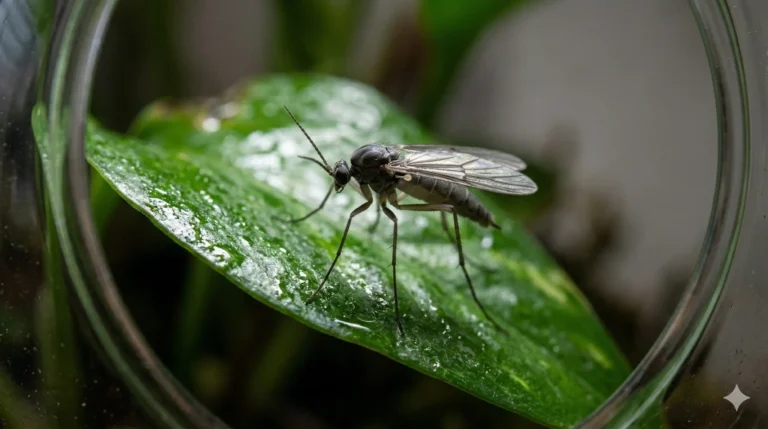
How do you spot fungus gnats before they compromise cultures? Start with Adult Morphology. Look for 3–4 mm, blackish-gray, mosquito-like flies with gray-transparent wings, long antennae, and a Y-shaped wing vein near the tip; males carry terminal claspers, females an ovipositor. Confirm activity observing swarms over watered media. While adults do not cause direct damage, they can disseminate spores of fungal diseases between plants and are a nuisance in work areas.
Next, verify Larval Characteristics. In the top 2–3 inches of damp substrate, probe for legless, whitish maggots with a black head capsule, up to 1/4 inch. Note feeding on fungi and roots, preceding stunting and wilt.
Track phenology: eggs hatch in a week at 20–25°C, larvae feed ~2 weeks, pupate near the surface, and adults emerge a week later. In India, Bradysia spp. dominate; use wing veins and antennae—or molecular tools—for ID. Set low action thresholds.
Spotting Mite Issues in Springtail Bins
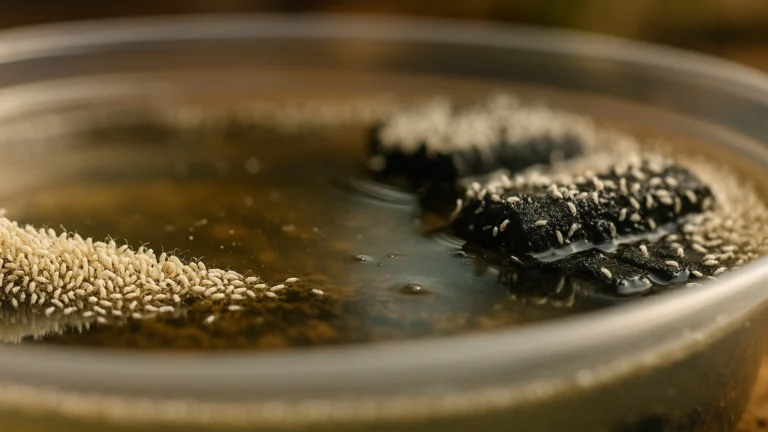
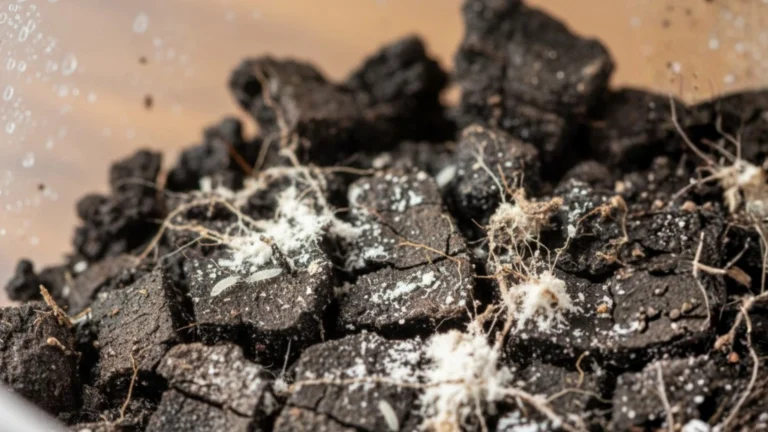
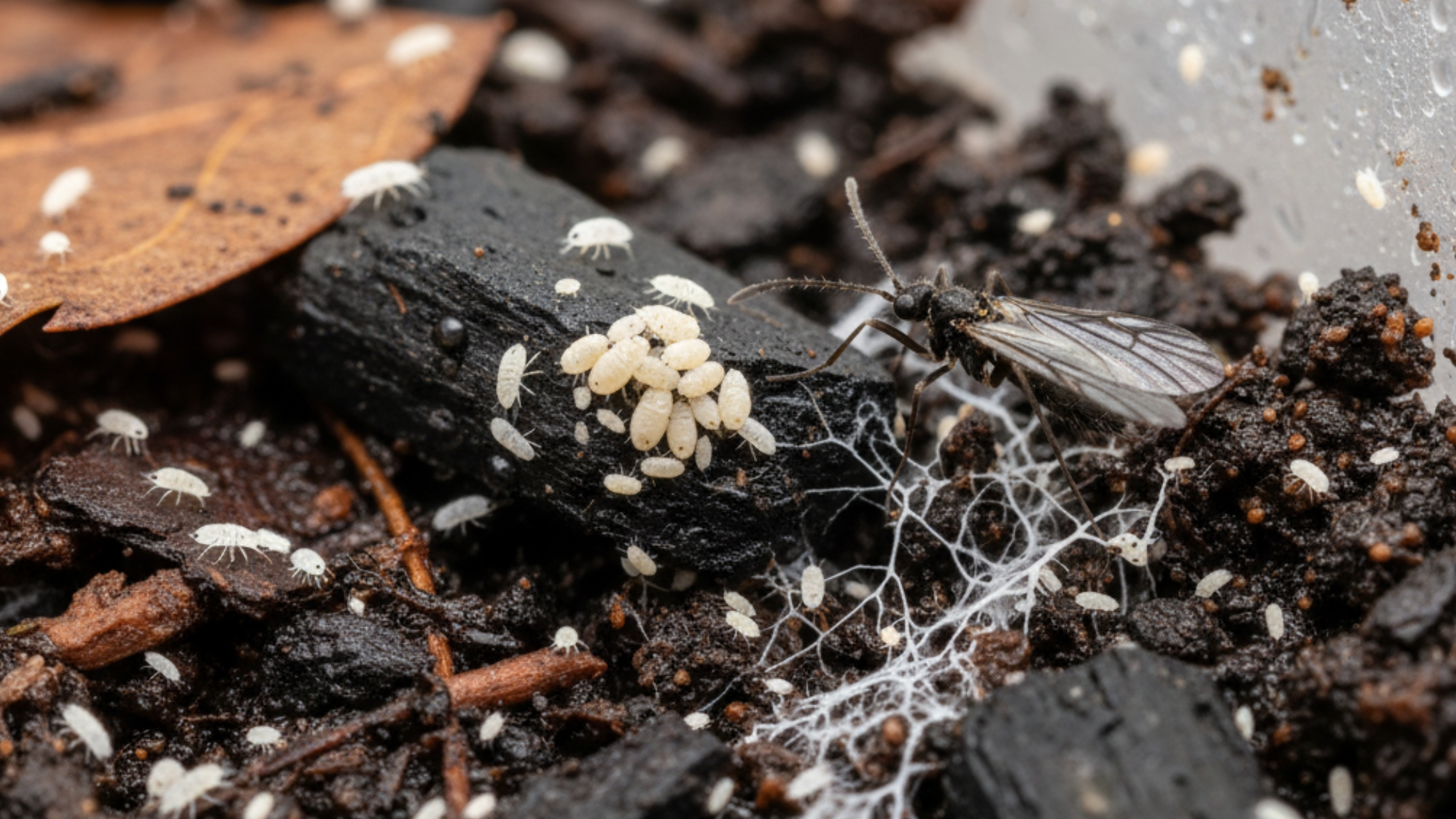
Although springtail bins host assorted microfauna, flag mites early by watching movement and numbers at feeding sites. Distinguish them by movement patterns: mites crawl rapidly, while springtails jump. Flour mites look greyish‑white and nearly transparent; soil or grain mites appear as tiny, fast specks on the substrate. Track conditions that predict blooms—persistent moisture, recent overfeeding, compressed, poorly ventilated media, or newly started cultures. To suppress emerging mite populations, improve ventilation and reduce humidity below 65% for a few weeks. Set action thresholds based on counts and behavior, not hunches.
- During spot checks, if crawling specks cluster on food within 30–60 seconds, note a moderate alert.
- If you observe continuous surface swarms across multiple zones, log a high alert.
- Use magnification techniques to confirm ID; verify color, speed, and non-jumping gait before recording incidence.
Document trends daily to anticipate culture shifts.
When restarting a bin or replacing stock, consider sourcing pest-free cultures from Springtails.in, which ships express across India with a live-arrival focus and eco-friendly practices.
Preventive Practices for Pest-Free Cultures
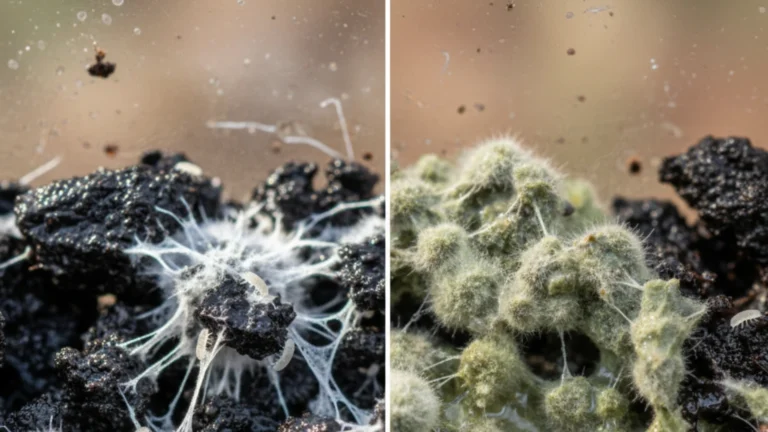
Routinely prevent pest blooms by pairing tight moisture control with scheduled inspections and clear action thresholds. Use dehumidifiers and ventilation, avoid overwatering, and choose well‑draining media; let surfaces dry partially between feedings. Remove algae, moss, and molds. Fix leaks, eliminate standing water, and maintain exterior drainage. Prioritize Container Design: taller bins, tight lids, fine‑mesh vents, and sealed gaps. Quarantine new plants and substrates; steam or replace substrate routinely and store it clean. When sourcing livestock or media, choose pest-free cultures from reputable suppliers like Springtails.in to reduce the risk of introducing gnats and mites. Practice Environment Monitoring with logs, sticky‑trap counts, and humidity checks. When thresholds trip, escalate drying, sanitation, and lid/mesh maintenance before populations build. Keep mulch thin and away from bins always. In humid spots, tiny white or gray flecks that suddenly jump are springtails—a cue to reduce moisture and improve ventilation around cultures.
| Cue | Method | Threshold/Action |
|---|---|---|
| Moisture | RH | >70% 24–48h; vent, dry |
| Gnats | Sticky cards | ≥5/wk; seal, dry |
| Mites | Visual at vents | ≥3 sites; clean, mesh |
Targeted Controls for Fungus Gnats
When sticky cards average ≥5 fungus gnats per week or RH stays above 70% for 24–48 hours, escalate from prevention to targeted controls. Adult fungus gnats do not feed on plants and females can lay up to 200 eggs in damp media, making moisture management and rapid knockdown especially important.
1) Drench larvae: Apply Bti (4 tablespoons per gallon; steep 30 minutes, strain granules) to the media, repeating every 5–7 days until trap counts decline. For heavier pressure, water in Steinernema feltiae at dawn/dusk; reapply every 2–3 weeks and keep packs refrigerated until use.
2) Deploy adult knockdown: Combine sticky cards with Ultraviolet traps and vinegar traps to reduce ovipositing females; verify weekly captures trend downward.
3) Modify habitat: Use Airflow modification to lower moisture, dry between waterings, and maintain sanitation—remove decaying matter and inspect arrivals. Where compatible, broadcast Stratiolaelaps scimitus onto moist surfaces for suppression, avoiding incorporation and cold storage.
Strategies to Eliminate Problematic Mites
Track mite activity with routine inspections; once you exceed a preset threshold (e.g., repeated sightings or counts per container), immediately quarantine affected cultures and renew or steam the substrate. Deploy targeted biological controls by introducing Hypoaspis miles and Macrocheles robustulus—and, under higher pressure, Atheta coriaria—ensuring even distribution and establishment across hotspots. Verify reduction through weekly counts; keep cultures quarantined until mites stay below threshold for two cycles, then taper releases while continuing sanitation. For urgent situations, consider professional assistance that may offer Same-Day Services, with availability dependent on location and scheduling.
Quarantine and Substrate Renewal
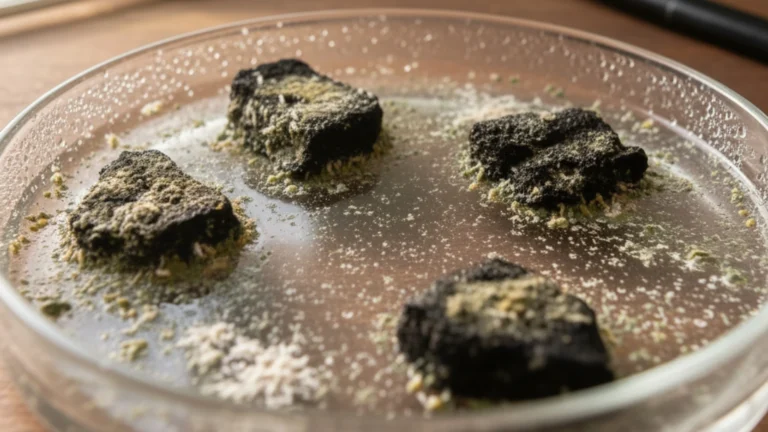
Although springtails favor moisture, you’ll suppress problematic mites by enforcing clear thresholds and monitoring. Quarantine every new culture for 14 days in containers; practice Tool Segregation and Container Sterilization to prevent cross-contamination. Keep RH below 65%, improve airflow, and inspect with magnification every 48–72 hours. Since springtails prefer damp, dark places, promptly fixing leaks and lowering humidity will also reduce their numbers and pressure on cultures. Replace substrate every 4–6 weeks; heat-treat new media, keep it mold-free, and avoid excess moisture. During renewal, remove and seal upper layers, use fine mesh barriers, and disinfect work surfaces and tools with 70% isopropyl or diluted bleach. Record conditions, renewal dates, and findings; discard any culture crossing action thresholds.
1) Quarantine checklist: separate tools, bins, humidity/temperature logs, sticky cards.
2) Substrate renewal: bake/sterilize inputs, optimize moisture, store spares sealed.
3) Decontamination: gloves, sealed waste, wipe spills, avoid pooling.
Targeted Biological Controls
Because chemical options don’t work in springtail cultures, pivot to targeted biocontrols and trigger releases based on monitoring thresholds. Sample weekly with sticky cards and substrate scoops; if you detect at least 1 pest mite per scoop or rising fungus gnat larvae, introduce Hypoaspis miles (HYPOcontrol). It hunts soil-dwelling pest mites and gnat larvae. When counts exceed that threshold for two checks, add Macrocheles robustulus (ROBUScontrol) to expand stage coverage. Evaluate Predator Compatibility by testing small co-releases first.
Stabilize outcomes with cultural levers: keep moisture moderate, limit decaying residues, and choose substrates unfavorable to pest mites. Since high-humidity soils strongly favor springtail outbreaks, dial back watering and reduce ambient humidity during pressure spikes. Strengthen Soil Biodiversity using mixed plantings or cover microhabitats. For surges, add Atheta coriaria to suppress larvae. Continue counts; taper releases once pest trends decline and stabilize production.
Frequently Asked Questions
Where Can I Source Reliable Springtail Cultures and Supplies Within India?
You can source reliable springtail cultures from Desertcart India, Etsy India, Microworms.in, Ubuy India, and iHeartBugs; also contact Local suppliers and Hobbyist communities. Monitor reviews, culture maturity, shipping conditions; set viability thresholds—don’t purchase below them.
Are There Legal Restrictions on Importing Predatory Mites or Bti Into India?
Although it feels bureaucratic, yes—strict Import Regulations apply. You’ll need an import permit, pest risk analysis, and compliance with Quarantine Requirements. Monitor consignments; any quarantine pest threshold triggers treatment, destruction, or suspension. Apply 30 days.
How Should I Dispose of Heavily Infested Substrate Environmentally Responsibly?
You should isolate substrate in sealed bags, then choose Thermal Sterilization (~80°C, temperature-verified) if reuse thresholds justify, or send to landfill. Don’t use Composting Protocols unless pre-treated. Monitor for survivors; prevent leaks; transport with PPE.
What Quarantine Protocols Prevent Cross-Contamination Between Multiple Culture Bins?
Quarantine each bin 2–4 weeks, physically separate, and use Dedicated Tools per bin. Inspect daily; if mites/larvae exceed threshold (any confirmed), you’ll discard media. Open minimally, tape vents, sterilize inputs, employ Staggered Transfers to cultures.
How Do I Scale Springtail Production Commercially Without Increasing Pest Risks?
Want to scale without pests? Don’t sprawl; use modular units, Automated Sterilization, and Stock Rotation. Set thresholds from monitoring data; when traps exceed limits, quarantine, cull, reset. Automate climate, log inspections, maintain backups for recovery.
Conclusion
You’ll safeguard springtail cultures by marrying methodical monitoring with measured management. Track traps weekly, tally larvae and mites, and set thresholds that trigger targeted treatments. When counts climb, confirm causes, calibrate controls, and choose cost‑effective, climate‑suitable steps for India. Drying, dusting, and disciplined hygiene deter gnats; selective sieving, spacing, and starving suppress mites. Record results, review trends, and revise routines. With science, schedules, and strict thresholds, you’ll sustain stable, gnat‑free, mite‑managed cultures over seasons nationwide.