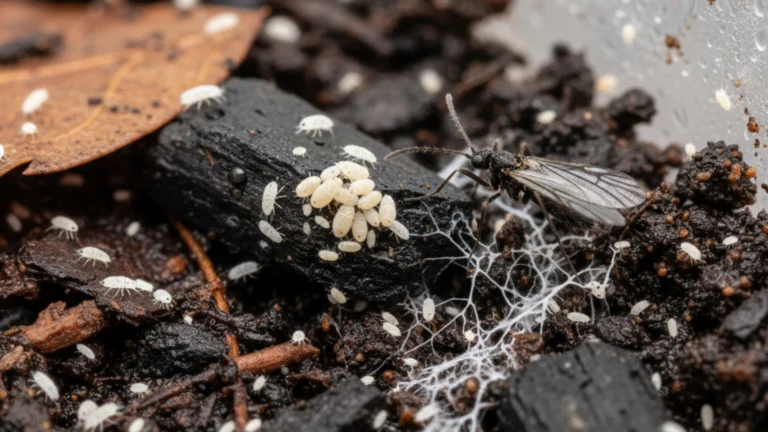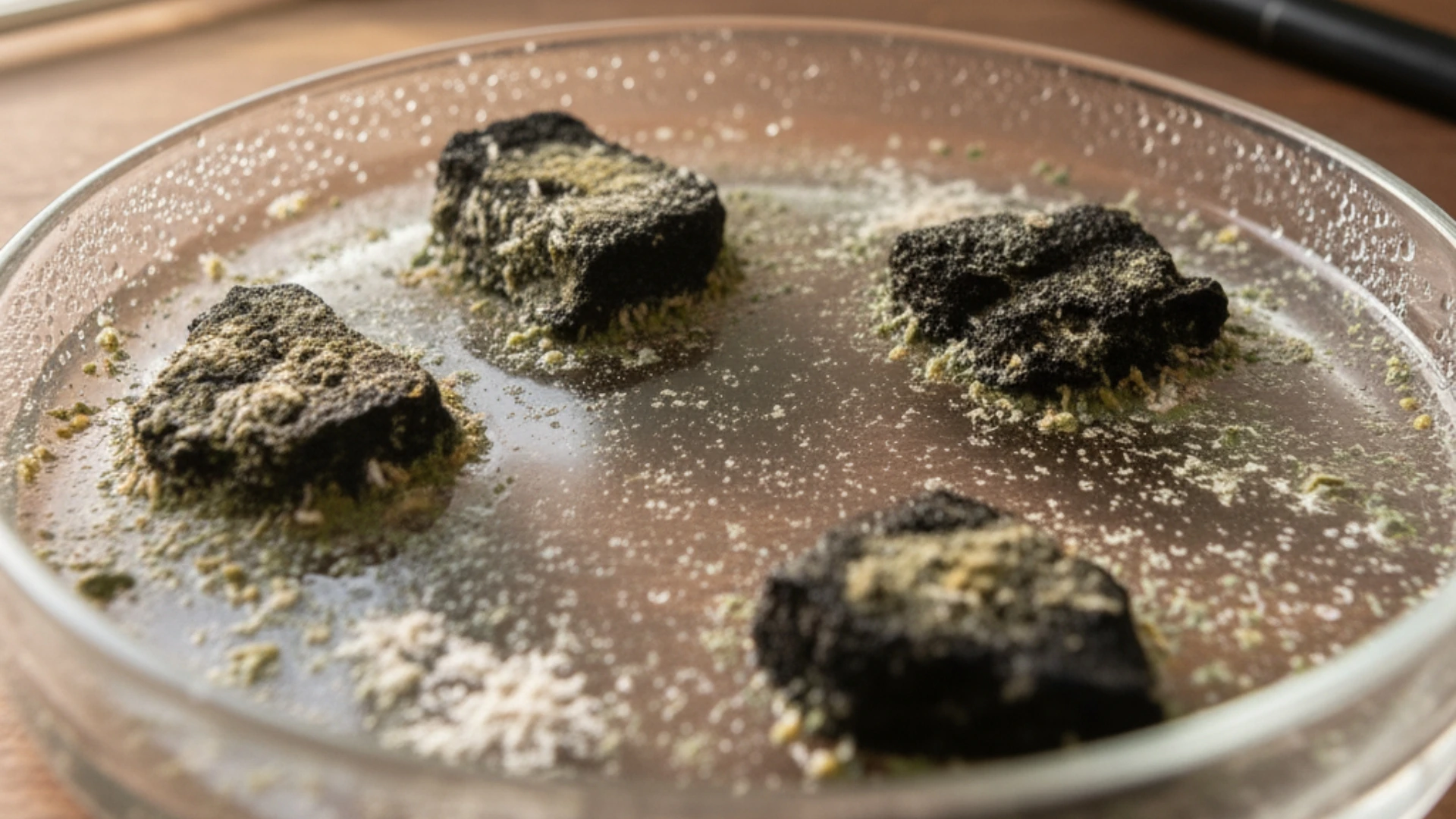
Your springtails (Collembola) die primarily from moisture imbalance: rapid desiccation under low RH or hypoxia when waterlogged. Heat bursts, dehumidifiers, missed or excessive watering, and compacted, poorly aerated substrate accelerate mortality. Starvation follows sanitation that strips saprotrophic fungi, algae, and bacteria. Warm, moist booms crash with swings; cold snaps kill taxa. Insecticides add risk and don’t fix habitat. Improve porosity and structure, drainage, and consistent humidity to maintain oxygen; the checklist below pinpoints failure modes.
Key Takeaways
- Check moisture: substrate too dry causes rapid desiccation; waterlogging removes pore air, suffocating eggs and juveniles.
- Assess recent environmental changes: dehumidifiers, heat bursts, or airflow shifts can collapse indoor populations within hours.
- Evaluate substrate structure and drainage: compacted media limits oxygen; fix with porosity, not extra water.
- Confirm food availability: heavy cleaning, fresh sterile media, or mulch removal reduce fungi and bacteria, starving colonies.
- Consider other stressors: temperature swings, indoor pesticides, poor irrigation patterns, and overcrowding drive migrations, strand individuals, and cause boom–bust crashes.
Diagnosing Springtail Die-Offs: Moisture Imbalance
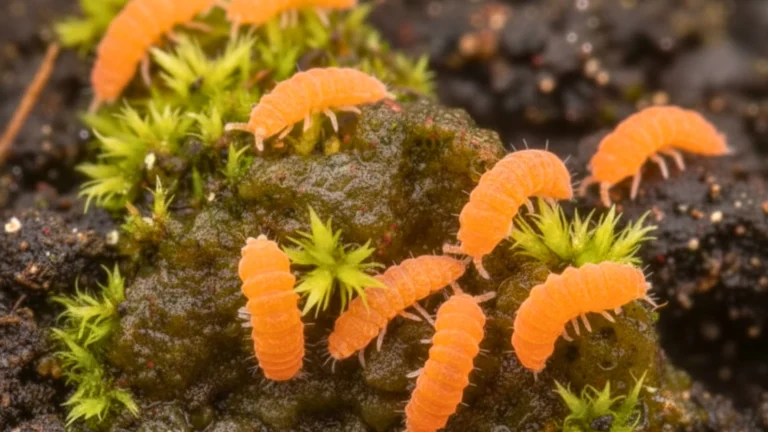
Why do your springtails (Collembola) crash despite seeming abundant one week and gone the next? Moisture imbalance is the primary driver. Collembola are hygrophilous microarthropods with thin cuticles; they respire cutaneously and desiccate rapidly. When you let Humidity Fluctuations swing between saturation and deficit, you force osmotic stress and mortality. Soil Dehydration following missed waterings, heat bursts, or ventilation changes collapses populations within hours. Conversely, waterlogging eliminates pore air, causing hypoxia; anaerobic conditions kill eggs and juveniles even when surfaces look wet. When disturbed, springtails deploy their furcula to catapult themselves away—sometimes over 100 times their body length—which primarily helps them evade predators.
Indoors, basements, bathrooms, and crawlspaces sustain populations when humidity stays high; dehumidification, improved ventilation, or fixing plumbing leaks removes the moisture gradient they require, so numbers crash. Overwatering houseplants creates a transient boom in saturated media; once containers dry from the top down, stranded cohorts die on exposed surfaces. Poor drainage and improper irrigation outdoors concentrate springtails around edges and foundations; when you correct runoff or repair leaks, the artificially wet microhabitat disappears and the populations follow. For reliable starter populations, hobbyists in India can source pest-free live cultures with express shipping from Springtails.in.
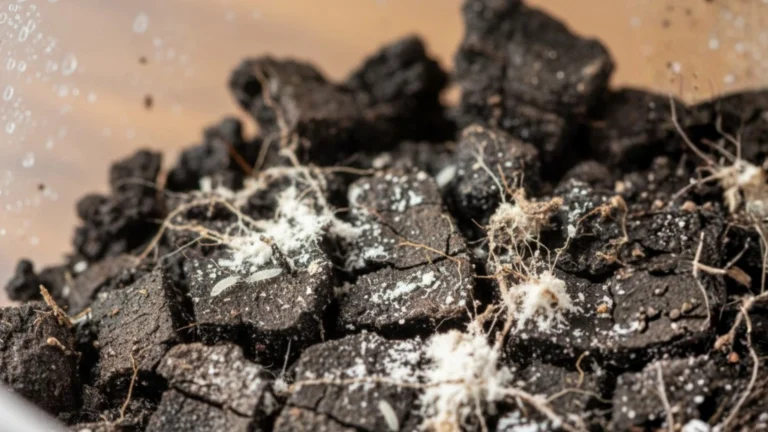
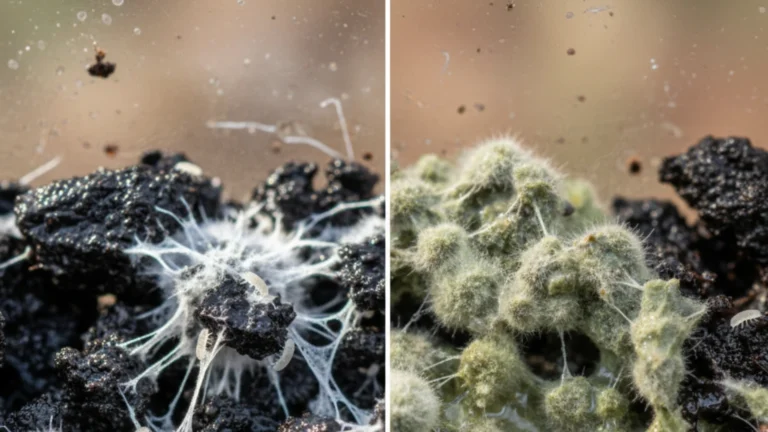
Habitat quality matters beyond water. Springtails feed mainly on saprotrophic fungi, algae, and bacteria on decaying organic matter. If you clean debris, remove mulch against structures, or switch to fresh, pathogen-free substrate, you reduce fungal biomass and starve the colony. Compacted or poorly aerated media depress oxygen diffusion, elevating CO2 and generating unfavorable redox conditions; improve structure with porosity rather than extra water. In culture, maintain fine particulate organic matter but avoid mold-eradicating sanitation that eliminates all trophic resources.
Temperature interacts with moisture. Warm, moist conditions accelerate development and reproduction, producing rapid booms that are fragile when temperature swings. Heat combined with dry air speeds evaporative loss and death. Cold snaps kill many taxa, though snow-tolerant species (e.g., “snow fleas,” typically Hypogastruridae) persist on late-winter surfaces. Stabilize to moderate ranges while keeping the substrate evenly moist, not saturated.
Chemical interventions rarely solve die-offs. Bifenthrin, permethrin, or carbaryl may reduce activity at edges, but springtails reoccupy if moisture and food persist. Indoors, pesticides add risk with limited efficacy. Target the habitat: water balance, aeration, food, and exclusion.
Finally, expect density-dependent crashes. When favorable conditions trigger explosions, overcrowding depletes fungi, drives migration, and strands individuals on dry, inhospitable surfaces where they desiccate. Seasonal oscillations are normal. Your diagnostic checklist: stabilize humidity, prevent Soil Dehydration without waterlogging, promote aeration, maintain modest fungal food, manage temperature, and deprioritize insecticides.
Frequently Asked Questions
Can Tap Water Chlorine Harm Springtails?
Yes. Tap water chlorine, about 1.3–2.0 mg/L, harms Collembola by disrupting microbial symbionts and impairing cuticular respiration. You’ll need Dechlorination Methods; consider Chloramine Effects, requiring chemical neutralizers. Prefer distilled or rainwater, with well-drained, unsaturated substrates.
Do Springtails Need Ventilation or Sealed Containers?
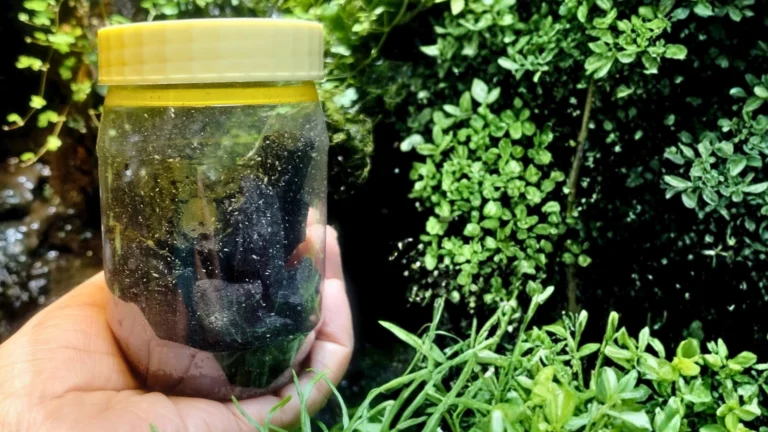
Provide ventilated enclosures; don’t seal them. Collembola require gas exchange to avoid CO2 accumulation and hypoxia. Use fine-mesh cross-ventilation, maintain Humidity Control at 70–80%. Select Container Materials, avoid drafts, and aerate periodically. Species needs vary.
What Temperatures Are Lethal for Common Springtail Cultures?
Lethal temperatures balance on knife-edge near 32°C for Collembola; Heat thresholds (LT50) ~32°C, >32°C cause dehydration and death. Below ~7°C, survival declines; Freeze mortality rises without acclimation. Maintain 20–25°C; don’t exceed 30°C for your cultures.
Can Mites or Predators Wipe Out Springtail Colonies?
Yes. Predatory mites (Stratiolaelaps scimitus) can suppress or crash cultures when alternative prey decline; they’re highly fecund. Ant predation and beetle larvae devastate colonies. You mitigate risk by excluding invaders, maintaining hygiene, and reducing moisture/organics.
Which Foods Best Sustain Long-Term Springtail Reproduction?
Yeast supplementation boosts Collembola fecundity ~40%; you’ll sustain long-term reproduction using powdered brewer’s yeast, glycogen-rich grubs, and Decaying wood litter. Feed frequent doses, manage humidity and aeration, and avoid overfeeding to limit mold, hypoxia, mites.
Conclusion
You’ll stabilize Collembola cohorts by quantifying moisture, not guessing. Maintain substrate at field capacity, avoid saturation, and keep microhabitat RH 85–95% to prevent desiccation or hypoxia. Verify aeration, remove salt contaminants, and limit dense fungal blooms with ventilation. Use consistent temperatures, calcium-balanced water, and standardized feeding to reduce osmotic stress. Track mortality as a bioindicator of imbalance and recalibrate quickly—when springtails fade like a dial-up modem, the signal is humidity, substrate structure, and airflow gradients.