You’ll establish your grindal worm culture in a sealed plastic container filled with 2-3 cm of moistened coconut fiber substrate. Inoculate with a starter colony, feed thin oat cereal layers daily, and maintain 20-25°C temperatures with 6.2-6.7 pH levels. Harvest congregated worms after two to three weeks using a soft brush. Prevent mold through proper moisture control and avoid overfeeding. Maintain multiple rotating cultures for continuous supply. The specific techniques that optimize your yields and prevent common failures deserve closer examination.
Key Takeaways
- Use sealable plastic containers with 2-3 cm moistened coconut fiber substrate and ventilation holes for basic setup.
- Inoculate starter culture evenly into substrate, then feed thin oat cereal layers daily, monitoring for mold.
- Harvest mature worms after 2-3 weeks when they congregate at the surface using a soft brush.
- Maintain 20-25°C temperature and 6.2-6.7 pH for optimal growth; India’s tropical climate suits grindal worm breeding.
- Refresh cultures monthly by splitting into fresh containers and monitor moisture daily to prevent mold and disease.
What Are Grindal Worms and Why Raise Them?
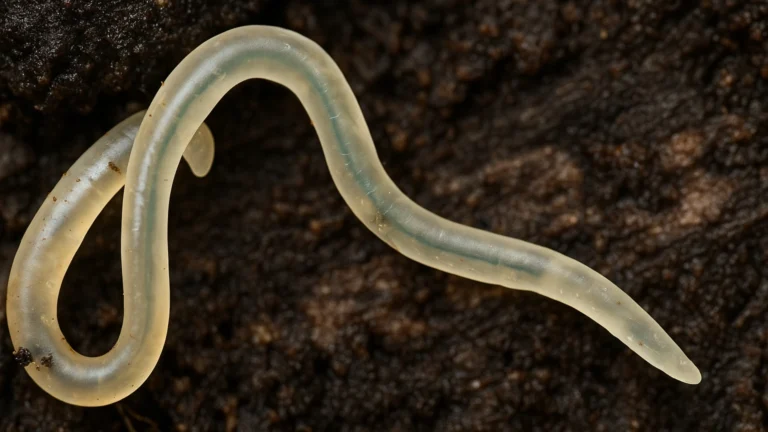
Grindal worms (Enchytraeus buchholzi) are small, non-parasitic organisms that’ve become a staple live food for aquarium hobbyists in India and beyond. These white worms grow to approximately 10 mm in length and mature within 16 days at 20°C, making them remarkably efficient for breeding programs.
The benefits of raising Grindal worms are substantial. You’ll establish a sustainable, cost-effective food source for ornamental fish without parasitic risks. Home cultivation eliminates dependency on commercial suppliers while ensuring nutritional quality. Their rapid reproduction cycle—completing a generation in roughly 28 days—provides continuous harvests. You’ll find them particularly suited to India’s tropical and subtropical climates. In addition, their easy maintenance requirements demand minimal space and equipment, making them ideal for both casual aquarists and serious breeders seeking reliable live food production.
Nutritionally, they provide highly digestible protein and lipids that accelerate growth and can increase clutch size when offered as pre-spawn rations.
Gathering Your Materials and Setting Up Containers
Now that you’ve decided to cultivate a sustainable live food source, you’ll need to gather simple materials and prepare appropriate containers for your culture. Start by gathering materials from your home: sealable plastic containers work excellently as culture vessels. Ice cream tubs, margarine, or yogurt containers serve this purpose well.
Next, prepare your substrate foundation:
- Coconut fiber (coir) moistened to form a ball that releases drops when squeezed
- Potting soil or peat moss as alternative substrates
- A 2–3 cm substrate depth in your chosen container
Finally, drill small ventilation holes in your container’s lid and plug them with fine sponge or mesh to prevent pest entry. Setting up containers properly guarantees ideal conditions for your Grindal worms’ development and reproduction in India’s tropical climate.
For convenient sourcing and guidance, Springtails.in provides pest-free cultures and express shipping within India to support your setup.
Preparing the Perfect Substrate for Your Culture
You’ll want to choose coconut fiber as your primary substrate material since it’s most preferred for Grindal worms and works exceptionally well in India’s tropical climate. You’ll need to test your moisture balance by squeezing the dampened coir until it forms a ball and releases just a few drops—excess water causes worms to escape up container sides—while simultaneously monitoring your substrate’s pH to maintain the 6.2–6.7 range, adjusting with shell sand or charcoal if needed. You’ll keep your substrate depth at only 2–3 cm since deeper layers provide no additional benefit and complicate maintenance and harvesting.
Choosing Your Substrate Material
Three primary substrate materials work well for culturing Enchytraeus buchholzi: coconut fiber (coir), potting soil, and peat moss, though coir’s superior water retention and neutral pH make it the preferred choice.
Your substrate selection greatly impacts culture success. Consider these material comparison factors:
- Coconut fiber (coir): Maintains ideal moisture, resists compaction, and provides excellent aeration without pH imbalance
- Potting soil: Acceptable alternative; requires occasional amendments like shell sand or charcoal to neutralize acidity
- Peat moss: Works but tends toward excessive acidity, necessitating regular pH monitoring
For Indian climates, coir proves most practical due to its reliability in warm, humid conditions. Whichever material you choose, confirm it’s free from pesticides and chemical treatments. You’ll need only 2–3 cm depth, so a single bag supplies multiple cultures for months.
Moisture Balance and Testing
Once you’ve selected your substrate material, attaining the correct moisture level becomes your primary concern—it’s the single most critical factor determining whether your culture thrives or fails. Test your substrate by squeezing a handful firmly; it should form a ball and release only a few drops of water. If excess liquid drips out, you’ve overwatered—drain immediately. Too-dry substrate won’t support worm populations effectively.
For substrate testing, monitor moisture levels daily during your first week. The coir should feel like a wrung-out sponge: damp but not waterlogged. Mist lightly with dechlorinated water as needed. Overly wet conditions promote mold and trigger escape behavior, where worms climb container sides seeking drier areas. Conversely, dry substrate stresses populations. Consistent moisture balance guarantees ideal reproduction and healthy culture development in India’s tropical climate.
Depth and Ph Optimization
While substrate depth and pH balance might seem like minor considerations, they’re actually fundamental to preventing common culture failures in India’s variable climate. You’ll want to maintain strict depth control—keep your substrate between 2–3 cm deep. Deeper layers trap excess moisture and create anaerobic conditions that stress your worms.
For pH adjustment, you’ll need to monitor your substrate’s acidity carefully:
- Test pH regularly using strips; aim for 6.2–6.7 range
- Add shell sand or charcoal if substrate becomes too acidic
- Mix in potting compost occasionally to buffer pH naturally
These precise adjustments prevent worms from climbing container sides and guarantee ideal reproduction rates. India’s humidity levels make pH management especially critical, as moisture can shift acidity unpredictably. Consistent monitoring prevents costly culture crashes.
Inoculating Your Culture and Establishing Feeding Routines
You’ll introduce your starter culture to the center of the prepared substrate, ensuring even distribution across the moist coconut fiber base. Your daily feeding routine should consist of applying a thin layer of dry instant oat cereal—such as Ready Brek—directly over the worms, then lightly misting both the substrate and food with dechlorinated water using a spray bottle. You’ll avoid overfeeding, as excess food promotes mold growth; instead, you’ll observe how quickly your worms consume each application before adjusting portion sizes accordingly. To protect culture health and continuity, maintain duplicate lines and follow biosecurity checkpoints like quarantining new starters, strict hygiene, and ventilated lids to minimize pests and microbial risks.
Adding Starter Culture Properly
The success of your Grindal worm culture depends critically on properly inoculating your prepared substrate with a healthy starter culture. You’ll find starter culture sources through aquarium clubs, online suppliers, or established hobbyists in your region. Before introducing the worms, verify their health by observing active movement and absence of discoloration.
Position your starter culture in the substrate’s center:
- Place approximately 100–200 worms directly onto the moist substrate
- Confirm worms aren’t clustered too densely, promoting even colonization
- Cover immediately with your dark lid to minimize stress
Allow worms 24 hours to acclimate before feeding. This deliberate placement maximizes survival rates and establishes ideal population distribution throughout your container. Proper inoculation techniques directly influence culture vigor and productivity.
Establishing Daily Feeding Schedule
Once your starter culture has settled into the substrate over the initial 24-hour acclimation period, you’ll establish a consistent feeding routine that sustains population growth while preventing the mold and decay that can devastate your colony. Feed daily with a thin layer of dry instant oat cereal like Ready Brek, sprinkling it sparingly over the feeding area. Ideal timings involve morning applications when worms congregate near the surface. Lightly mist the food and substrate with dechlorinated water afterward. Monitor consumption—uneaten food should disappear within 24 hours. Rotate feeding locations slightly to prevent localized buildup. If decay or fungal growth develops, reduce portion sizes immediately. Alternative foods include commercial fish flakes or powdered spirulina, applied in similarly minimal quantities. Consistency matters more than volume.
Harvesting Worms and Maintaining Your Colonies
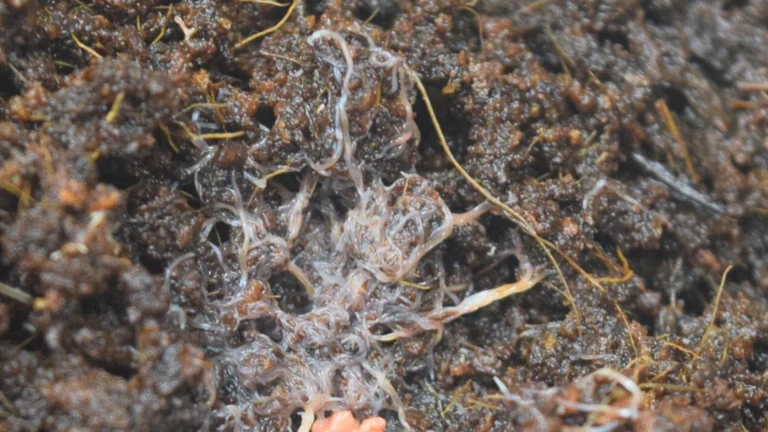
After about two to three weeks, your Grindal worm culture‘ll be ready for harvest, with worms congregating at the substrate’s surface—particularly beneath the dark lid or plastic sheet where they naturally congregate. You’ll employ straightforward worm harvesting techniques to extract your biomass efficiently.
For effective colony maintenance and harvest operations:
- Scrape or brush worms directly from the surface using a small spatula or soft brush
- Transfer harvested worms to a separate container with damp paper towels for rinsing before feeding to fish
- Refresh your culture monthly by splitting it into two containers with fresh substrate
Monitor population density closely. When overcrowding occurs or you detect mold or odors, refresh the substrate immediately. Maintain multiple rotating cultures to guarantee continuous supply and prevent total culture failure.
Solving Common Problems and Optimizing Growth
While you’ll find Grindal worm cultures relatively forgiving, several common issues can impede growth or compromise colony health if you don’t address them promptly. For growth efficiency, maintain temperatures between 20–25°C consistently; temperatures below 14°C halt reproduction entirely. Monitor substrate moisture carefully—if worms climb container sides, your substrate’s too wet or acidic. Adjust pH to 6.2–6.7 using shell sand or charcoal additions. Prevent mold by avoiding overfeeding and stirring the feeding area regularly. Remove dead worms and uneaten food immediately to prevent decay and contamination. If fungus gnats appear, deploy sticky fly paper on the lid. Refresh cultures monthly by splitting into fresh containers with new substrate, ensuring productive conditions and preventing population crashes.
Frequently Asked Questions
How Long Does It Take Before I Can First Harvest Worms From a New Culture?
You’ll achieve culture maturity and can begin your harvesting timeline in approximately 16 days at 20°C, when worms mature. They’ll mass on the substrate surface, ready for collection through scraping or brushing techniques.
Can I Use Tap Water Instead of Dechlorinated Water for Misting?
You shouldn’t use tap water directly—chlorine harms worms. Instead, you’ll need dechlorinated water or tap water alternatives like rainwater or bottled water to avoid water quality concerns that stress your culture.
What Is the Ideal Number of Cultures to Maintain Simultaneously?
You’ll maintain at least two to three cultures simultaneously for sustainable culture rotation. This guarantees continuous worm supply, minimizes collapse risk, and allows you to refresh cultures monthly without interrupting your food production schedule.
How Do I Know if My Culture Has Become Contaminated or Diseased?
An ounce of prevention beats a pound of cure. You’ll notice culture signs like unpleasant odors, visible mold, or worms climbing container sides—disease indicators include dead worms, uneaten food accumulation, and substrate discoloration. Monitor weekly for these technical warnings.
Is It Safe to Feed Grindal Worms to All Fish Species?
You can safely feed grindal worms to most ornamental fish species. Consider your fish’s mouth size and dietary requirements for ideal fish species compatibility. Their balanced grindal worm nutrition supports growth and health across tropical and subtropical aquariums.
Conclusion
You’ll find that a thriving grindal worm culture can produce up to 500 worms per container weekly—a remarkable yield that justifies your initial investment. You’ve now mastered substrate preparation, feeding protocols, and harvesting techniques. You’re equipped to scale your colonies efficiently by maintaining ideal moisture levels between 80-90% and temperatures around 20-24°C. You’ll troubleshoot issues systematically, monitor growth rates consistently, and establish sustainable breeding cycles that deliver reliable live food for your aquaculture needs.