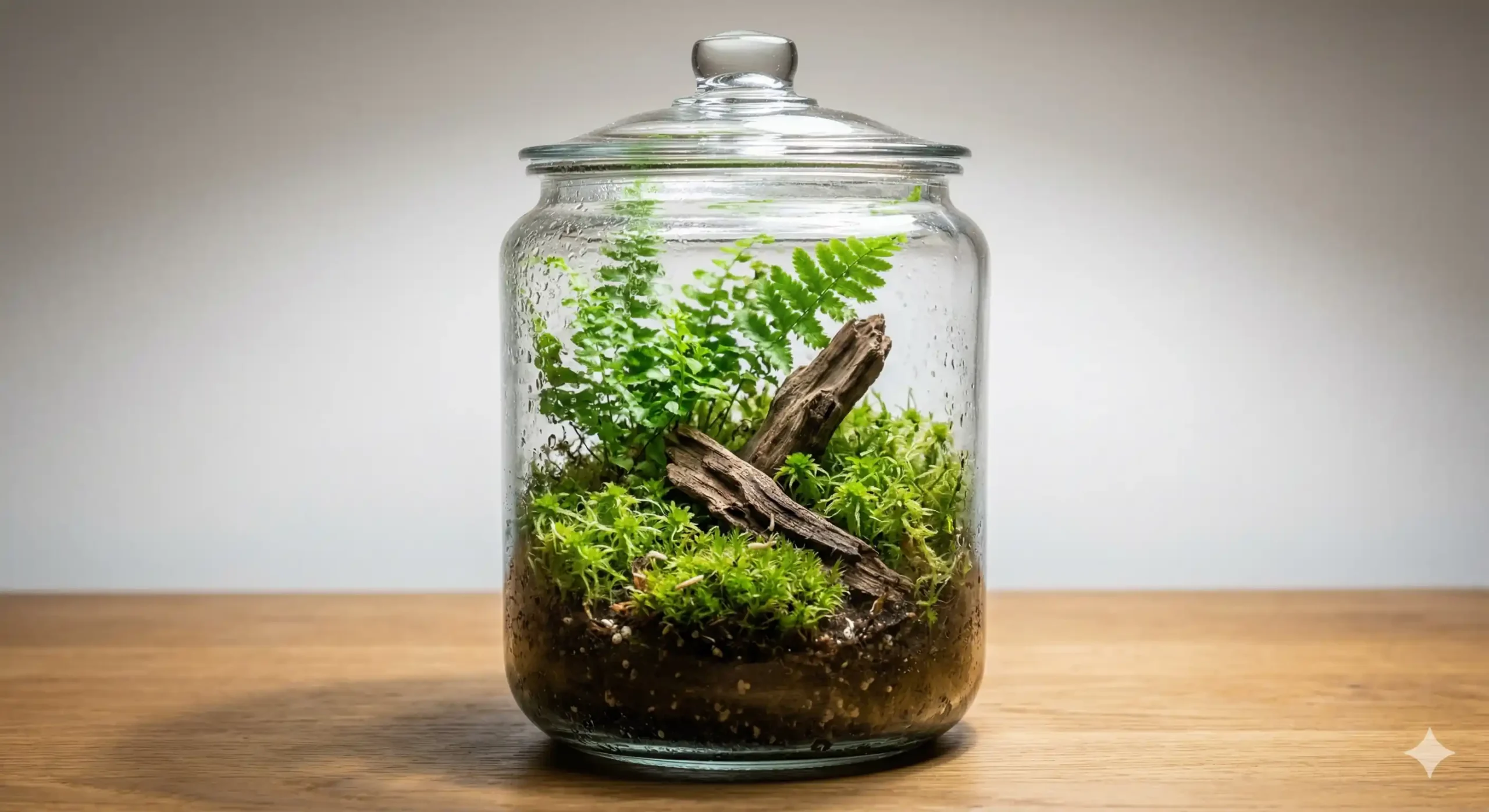
The creation of a closed jar ecosystem represents a fascinating intersection of botany, hydrology, and microbiology. By sealing living plants inside a glass vessel, botanists and hobbyists create an autonomous microclimate where water and nutrients continuously recycle without external input. The concept traces its origins to the Victorian era with the invention of the Wardian case, which demonstrated that enclosed glass environments could sustain delicate ferns and tropical flora during long sea voyages. However, this perfectly sealed environment also establishes the exact atmospheric conditions required for rapid fungal proliferation. Without a biological regulatory mechanism, high humidity and stagnant air quickly allow saprotrophic fungi to overrun the substrate, decomposing healthy plant matter and precipitating an ecological collapse.
To prevent this biological failure, the integration of a dedicated microfauna cleanup crew is an absolute necessity. Among all available detritivores, springtails (Collembola) function as the most effective solution for long-term ecosystem stability. These microscopic hexapods act as the biological custodians of the soil, ensuring that the enclosed environment remains pristine, balanced, and entirely self-sustaining over the course of years or even decades.
Can springtails survive in a sealed terrarium?
Springtails survive indefinitely in a sealed terrarium by utilizing the natural oxygen produced by living plants during photosynthesis. As these micro-arthropods consume decaying organic matter and mold, they release carbon dioxide through respiration. This continuous gas exchange creates a self-sustaining respiratory cycle that perfectly balances the closed jar ecosystem.
The Scientific Mechanics of the Closed Jar Ecosystem
Understanding how living organisms thrive inside an airtight glass vessel requires a meticulous examination of the fundamental biological and chemical cycles that govern the space. A closed terrarium is not merely a decorative container of soil and plants; it operates as a highly engineered bioreactor where every organism plays a specific, interdependent role.
The Oxygen and Carbon Cycles
The survival of any microfauna in a sealed environment depends entirely on the respiratory equilibrium established by the botanical inhabitants. During the day, terrarium plants absorb light energy to drive photosynthesis, a process that can be represented by the chemical equation:
$$6CO_2 + 6H_2O + \text{light energy} \rightarrow C_6H_{12}O_6 + 6O_2$$
This mechanism consumes the carbon dioxide ($CO_2$) present in the trapped air and converts it into glucose ($C_6H_{12}O_6$) for cellular growth, releasing pure oxygen ($O_2$) as a byproduct into the terrarium atmosphere.
During periods of darkness or low light, the cycle reverses. The plants, alongside the soil microorganisms and springtails, switch to cellular respiration. They consume the ambient oxygen to break down stored sugars, releasing carbon dioxide and water vapor back into the enclosure. Because springtails possess an exceptionally low metabolic footprint and require minimal oxygen, the output produced by a densely planted jar is more than sufficient to sustain dense colonies of these micro-arthropods without the risk of asphyxiation.
The Hydrological Cycle
A sealed jar ecosystem operates on a closed hydrological loop, ensuring that no external watering is required once the system is balanced. Water added during the initial construction is drawn up by the plant roots through capillary action, utilized for cellular function, and subsequently released back into the trapped air through leaf evapotranspiration.
As the internal air temperature fluctuates throughout the diurnal cycle, this water vapor condenses against the cooler glass walls and drips back into the substrate, perfectly mimicking natural precipitation. Springtails require this constant, high-humidity environment to survive. Their permeable cuticles lack a highly developed moisture-retaining lipid layer, leaving them highly susceptible to fatal desiccation if exposed to dry ambient air. Consequently, they thrive in the saturated atmosphere of a closed terrarium.
The Nitrogen Cycle
In an enclosed environment, the accumulation of organic waste presents a severe toxicological threat. The nitrogen cycle is responsible for neutralizing this waste. As plant leaves naturally shed and organic matter breaks down, ammonia is released into the soil. Springtails accelerate this decomposition by physically digesting the detritus. The resulting micro-waste is then processed by nitrifying bacteria—specifically Nitrosomonas and Nitrobacter—which convert the ammonia into nitrites and, subsequently, into bioavailable nitrates. These nitrates act as a natural fertilizer, absorbed by the plant roots to fuel continuous growth.
The Threat of Fungal Overgrowth in High-Humidity Environments
The precise atmospheric parameters that allow tropical plants to flourish inside a jar—specifically, ambient humidity exceeding 80% combined with zero airflow—are identical to the optimal breeding conditions for aggressive mold and fungi. In the enclosed space of a terrarium, organic decay is an inescapable reality. Leaves expire, root systems shed, and the organic components of the substrate matrix constantly break down.
Without the intervention of a biological cleanup crew, saprotrophic fungi will rapidly colonize these decaying materials. Saprotrophs feed by secreting enzymes that digest organic matter externally before absorbing the nutrients. While this is a natural component of global ecosystems, within the finite boundaries of a glass jar, rapid fungal proliferation will smother young botanical growth, block photosynthetic light penetration, and outcompete plant root systems for localized nutrients.
Typology of Common Terrarium Molds
The identification of fungal strains is a primary responsibility for any terrarium keeper. The visual presentation of mold often dictates the necessary biological response.
| Mold Classification | Scientific/Common Name | Visual Characteristics | Ecological Impact in Closed Terrariums |
| White Filamentous | Hypomyces rosellus (Cobweb Mold) | White, fluffy, cotton-like webbing spreading rapidly across soil and wood. | Extremely common during the “new tank syndrome” phase. Breaks down surface sugars but can smother low-lying mosses if unchecked. |
| Yellow Fungi | Leucocoprinus birnbaumii | Bright yellow mycelium networks culminating in small, fragile yellow mushrooms. | Harmless to living plants but highly aggressive. Most microfauna refuse to consume it due to mild toxicity, requiring physical removal if it overpopulates. |
| Green/Orange Slime | Slime Molds (Various) | Wet, viscous, brightly colored patches moving slowly across the glass or wood. | Feeds heavily on excess nutrients and bacteria in waterlogged soil. Harmless but visually disruptive; indicates an overwatered substrate. |
| Black Mold | Stachybotrys chartarum | Dark black, soot-like spots forming on cellulose-based materials (wood, dead leaves). | Indicates severe stagnation, anaerobic bacterial buildup, and dangerously poor soil aeration. Requires immediate substrate replacement. |
| Green Algae | Chlorophyta | Thin, slick green films adhering directly to the glass walls or soil surface. | Not a fungus, but a photosynthetic organism. Thrives on excess light and moisture. Competes with plants for basic macronutrients. |
Springtails: The Biological Regulatory Mechanism
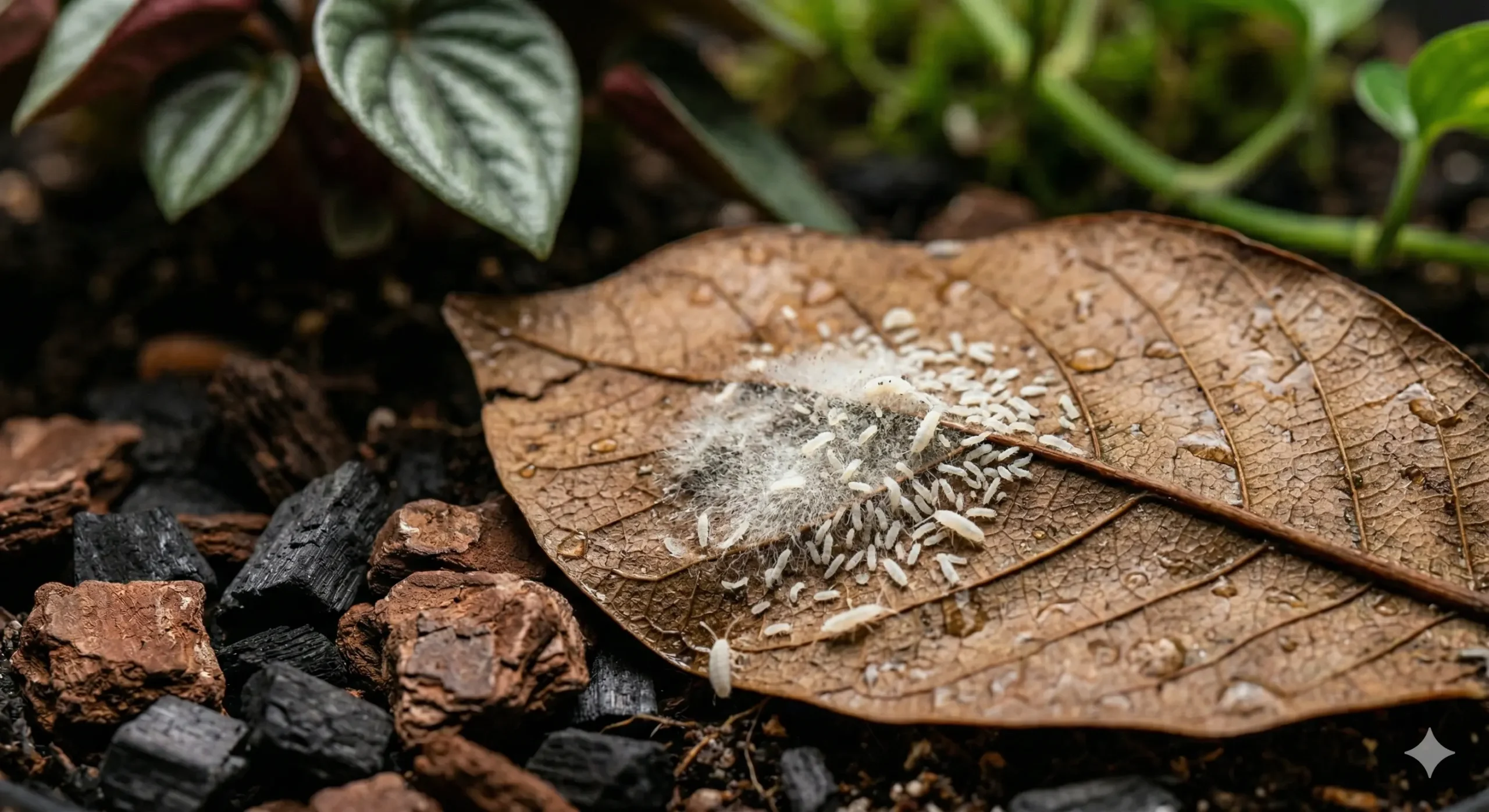
To counteract the relentless pressure of fungal blooms, springtails serve as the apex regulatory mechanism. Despite their visual resemblance to insects, collembolans are scientifically classified as hexapods. They are anatomically unique, possessing a specialized forked appendage called a furcula tucked beneath their abdomen. When threatened, the furcula snaps downward, launching the organism into the air to evade predators. Additionally, they possess a ventral tube known as a collophore, which is utilized for precise osmoregulation and water absorption.
The Mechanics of Fungal Consumption
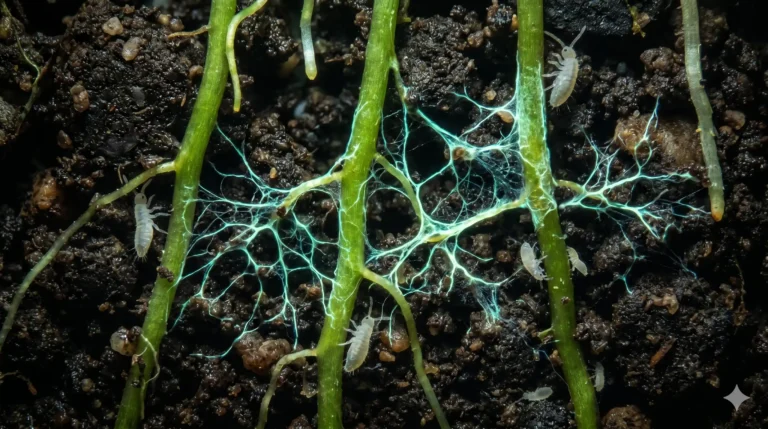
Springtails are described strictly as omnivorous detritivores, but their dietary preferences are highly specific. While macroscopic cleanup crew members, such as isopods or millipedes, consume the physical cellular structure of decaying leaves, springtails exhibit minimal interest in the botanical matter itself. Instead, they target the microscopic fungal spores, bacterial biofilms, and mycelial threads growing on the decaying matter.
As springtails consume aggressive mycelium, they prevent the fungi from reaching the sporulation phase, thereby halting the spread of mold across the terrarium. A robust colony of springtails can effectively clear a standard cobweb mold outbreak within 7 to 14 days, utilizing the fungal bloom as a temporary super-food to trigger rapid population expansion.
Outcompeting Invasive Pests
Beyond mold eradication, the presence of springtails provides a secondary layer of biological defense against invasive pests. Fungus gnats (Sciaridae) are a notorious nuisance in indoor botanical setups. The larvae of these gnats thrive in damp soil, feeding on exactly the same fungal spores and decaying matter that springtails consume.
By maintaining a dense population of springtails, the terrarium establishes a competitive exclusion principle. The highly efficient springtails strip the substrate of available fungal food sources, starving out the fungus gnat larvae before they can mature into flying adults. This renders the terrarium naturally pest-resistant without the requirement for chemical interventions.
Selecting the Optimal Microfauna for the Enclosure
The order Collembola contains over 9,000 distinct species, found in diverse ecosystems globally. However, for the specific spatial and environmental constraints of a sealed jar ecosystem, selecting the correct genetic line is imperative for long-term ecological success. The two primary categories utilized in the hobby are temperate and tropical variants.
| Trait | Temperate Springtails (Folsomia candida) | Tropical Springtails (Sinella curviseta / Lobella sp.) |
| Average Size | 1.0 – 2.0 millimeters | 2.0 – 4.0 millimeters |
| Coloration | Chalky white to light gray | Pink, bright red, or pale lilac |
| Temperature Tolerance | Broad range (18°C – 24°C). Highly adaptable. | Narrow range (24°C – 27°C). Sensitive to cold drafts. |
| Reproduction Rate | Moderate, steady, and self-regulating based on available food. | Extremely rapid under ideal high-heat conditions. |
| Drought Resistance | Highly forgiving of occasional dry-out periods. | Highly sensitive; rapid mortality if humidity drops. |
| Best Application | Standard closed jars, basic bioactive setups, fluctuating room temperatures. | Heated paludariums, advanced tropical dart frog vivariums. |
For standard closed terrariums, Folsomia candida (Temperate White Springtails) remains the universally recognized standard. Their ability to tolerate the low-oxygen fluctuations commonly experienced in sealed glass jars, combined with their resistance to minor temperature swings, makes them an indestructible biological asset.
The Trenoya Standard: Premium Culturing in India
The foundation of any successful enclosed habitat relies entirely on the biosecurity of the initial microfauna introduction. Amitabh, Founder of Springtails.in and the co-founder of the brand Trenoya, emphasizes that sourcing wild-caught organisms introduces an extreme risk to the delicate balance of a closed terrarium. Introducing soil collected from an outdoor garden inevitably imports predatory centipedes, parasitic nematodes, and invasive agricultural mites (Acarus siro) that will rapidly decimate the beneficial cleanup crew and disrupt the root systems of the plants.
At the Trenoya culturing facility in India, specialists observe strict isolation protocols to cultivate biosecure, highly robust organisms. By engineering environments that mimic optimal reproductive conditions, the facility produces top-tier microfauna specifically adapted to tolerate the unique fluctuations of the Indian climate.
To ensure absolute biosecurity and immediate ecosystem integration, botanists must seed their environments with Live Springtails Starter Culture.
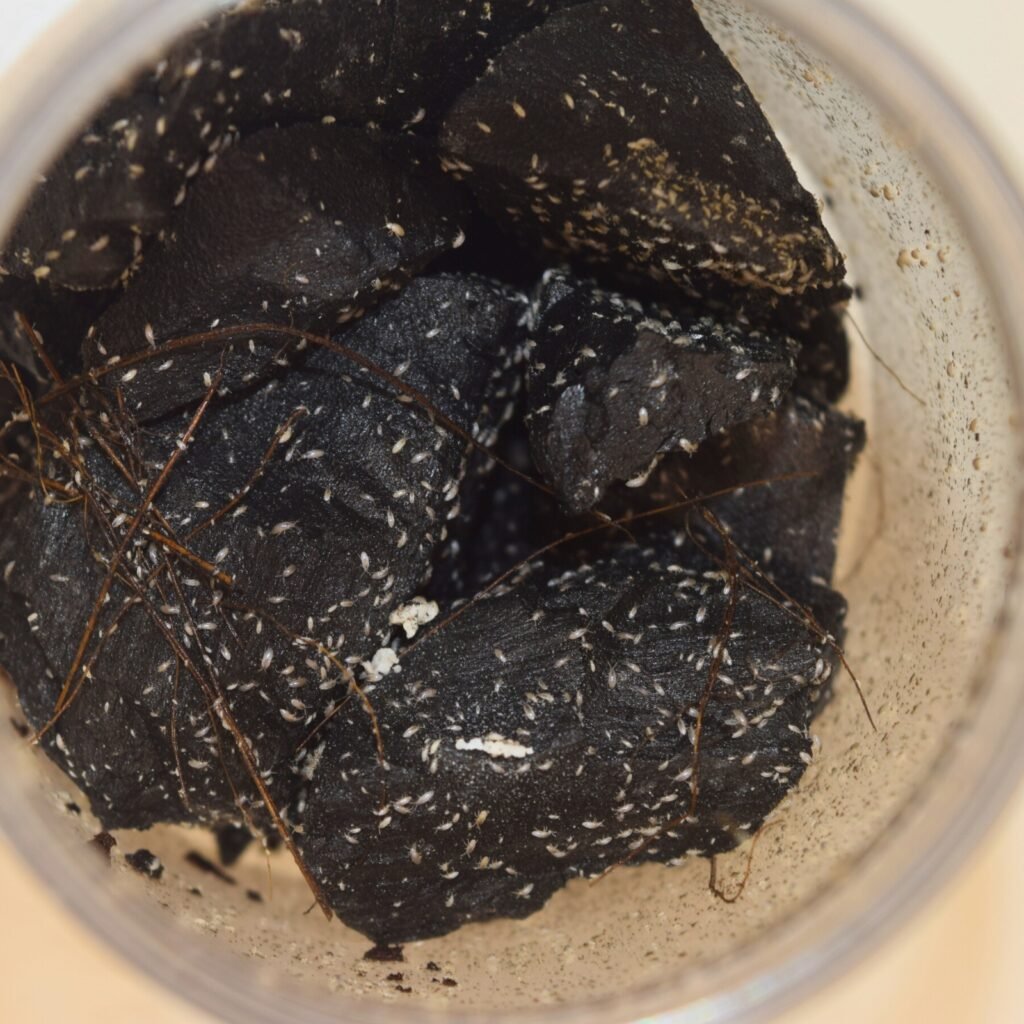
TRENOYA Springtails (Cleanup Crew) — Live Culture Starter (India)
Seed your bioactive terrarium with a pest-free, starter-ready springtail culture. Perfect for mold control and waste cleanup. Live Arrival Guarantee + Pan-India express shipping.
These premium cultures are strictly Lab-Grown in India and guaranteed to be 100% Pest-Free. Delivered in rigid, crush-proof 200ml pet jars, each container provides verified colony sizes of 30 to 100+ active adults and juveniles, perfectly primed for immediate substrate colonization upon unboxing. Recognizing that successful bioactive integration requires precise husbandry knowledge, every jar features dedicated QR-code care guides printed directly on the lid, offering instant access to acclimatization protocols and feeding schedules. Backed by a comprehensive Live Arrival Guarantee and secured via Pan-India Express Shipping, establishing a perfectly balanced, mold-free ecosystem has never been more accessible for Indian hobbyists.
Navigating the Indian Climate: Heatwaves and Monsoons
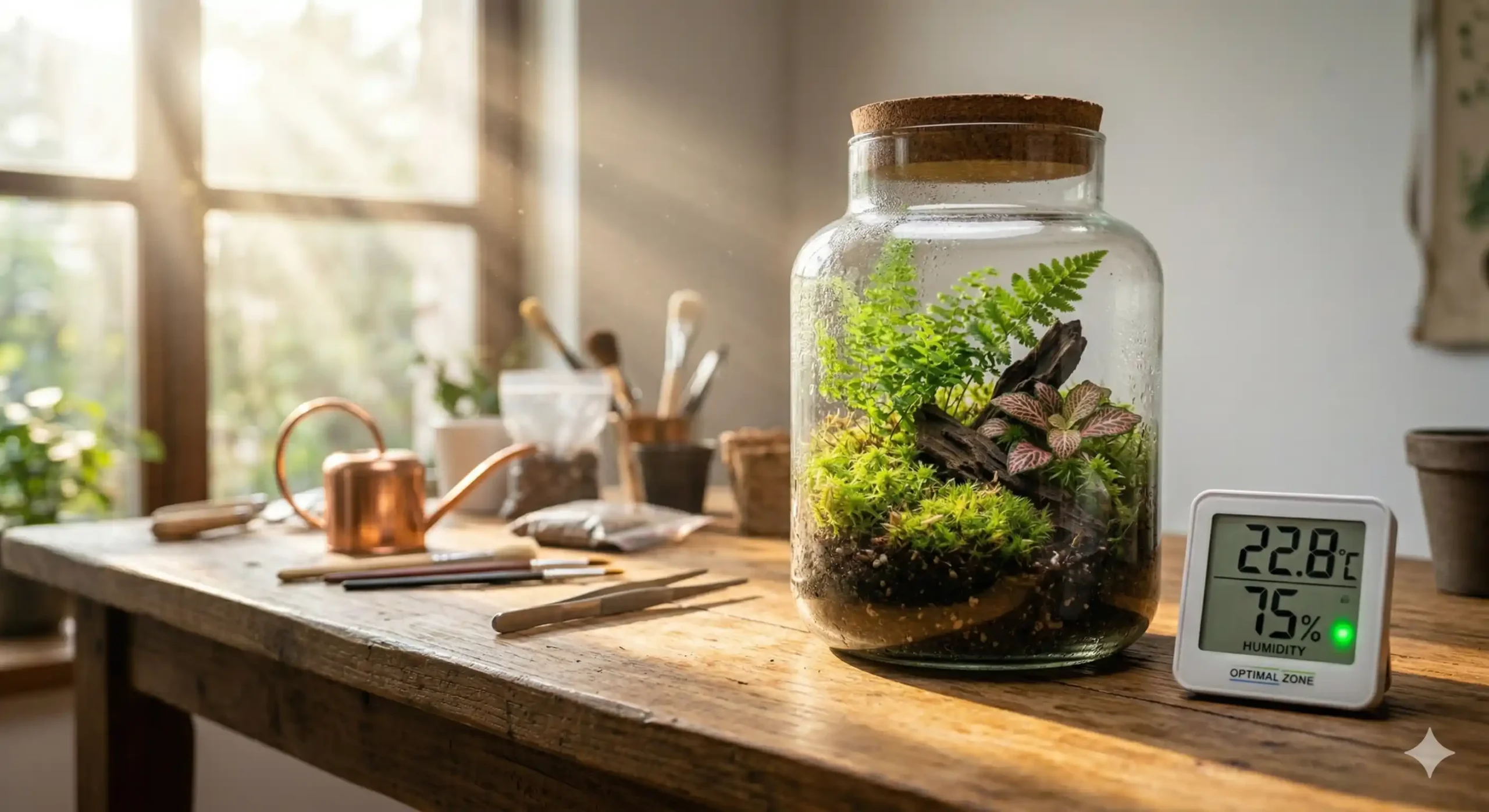
Maintaining a sealed ecosystem within the Indian subcontinent presents a unique set of environmental challenges. The extreme climatic variance between the scorching summer heatwaves and the torrential, saturated humidity of the monsoon season directly dictates the internal chemistry and physical maintenance of a closed terrarium.
Summer Heat Management and Thermal Stress
During the peak of the Indian summer, ambient room temperatures frequently exceed 35°C (95°F) across many regions. When direct sunlight or high-intensity artificial light strikes a sealed glass jar, the container functions as a magnifying lens, rapidly generating a localized greenhouse effect. Internal temperatures can easily spike above 45°C, triggering catastrophic biological failures.
The physiological consequences of extreme heat include:
- Metabolic Exhaustion: High temperatures force an involuntary and rapid increase in the metabolic rate of the springtails. In an environment with reduced oxygen availability and extreme heat, springtails will physically reduce their average body size by up to 30% through back-to-back molting in a desperate attempt to survive the metabolic load.
- Thermal Cracking: The rapid expansion of warm air inside the sealed glass, contrasted against cooler external surfaces (such as a desk in an air-conditioned room), causes uneven physical stress. This phenomenon, known as thermal cracking, can cause the entire terrarium to violently fracture.
- Anaerobic Bacterial Shift: Temperatures exceeding 30°C in a highly saturated environment cause beneficial nitrifying bacteria to expire. In their absence, foul-smelling anaerobic bacteria dominate the substrate, causing root rot and generating toxic methane and hydrogen sulfide gases.
To mitigate thermal stress, closed terrariums must be positioned in areas receiving bright, indirect light, strictly avoiding direct sunbeams. If heavy condensation persistently obscures the glass throughout the daylight hours, the lid must be removed for 60 to 120 minutes to allow trapped thermal energy and excess moisture vapor to dissipate safely.
Monsoon Humidity Control and Fungal Pressure
Conversely, the Indian monsoon season introduces oppressive ambient humidity, frequently resting between 80% and 95% for extended periods. This perpetual dampness eliminates the natural evaporation rate within indoor spaces, creating immense, continuous mold pressure.
During the monsoon, the standard watering regimen for any terrarium must be heavily restricted. Adding supplemental water to a system that is already incapable of evaporation will rapidly waterlog the soil. A waterlogged substrate displaces all trapped oxygen between the soil particles, effectively drowning the subterranean springtails and inducing rapid root rot.
| Seasonal Protocol | Summer Management (Extreme Heat) | Monsoon Management (Extreme Humidity) |
| Light Positioning | Strict indirect light. Minimum 3 feet from south-facing windows. | Maximum indirect light to encourage plant transpiration and deter mold. |
| Ventilation Frequency | Open lid 1-2 times weekly for heat dissipation. | Open lid daily for 30 minutes to facilitate atmospheric gas exchange. |
| Watering Adjustments | Mist lightly only if the substrate appears pale and dry. | Suspend all watering. Wipe away excess glass condensation manually. |
| Substrate Management | Ensure a deep soil layer (4-6 inches) to create a cool subterranean retreat for microfauna. | Utilize dehumidifiers in the room to lower ambient RH to 50%. |
Engineering the Bioactive Substrate Matrix
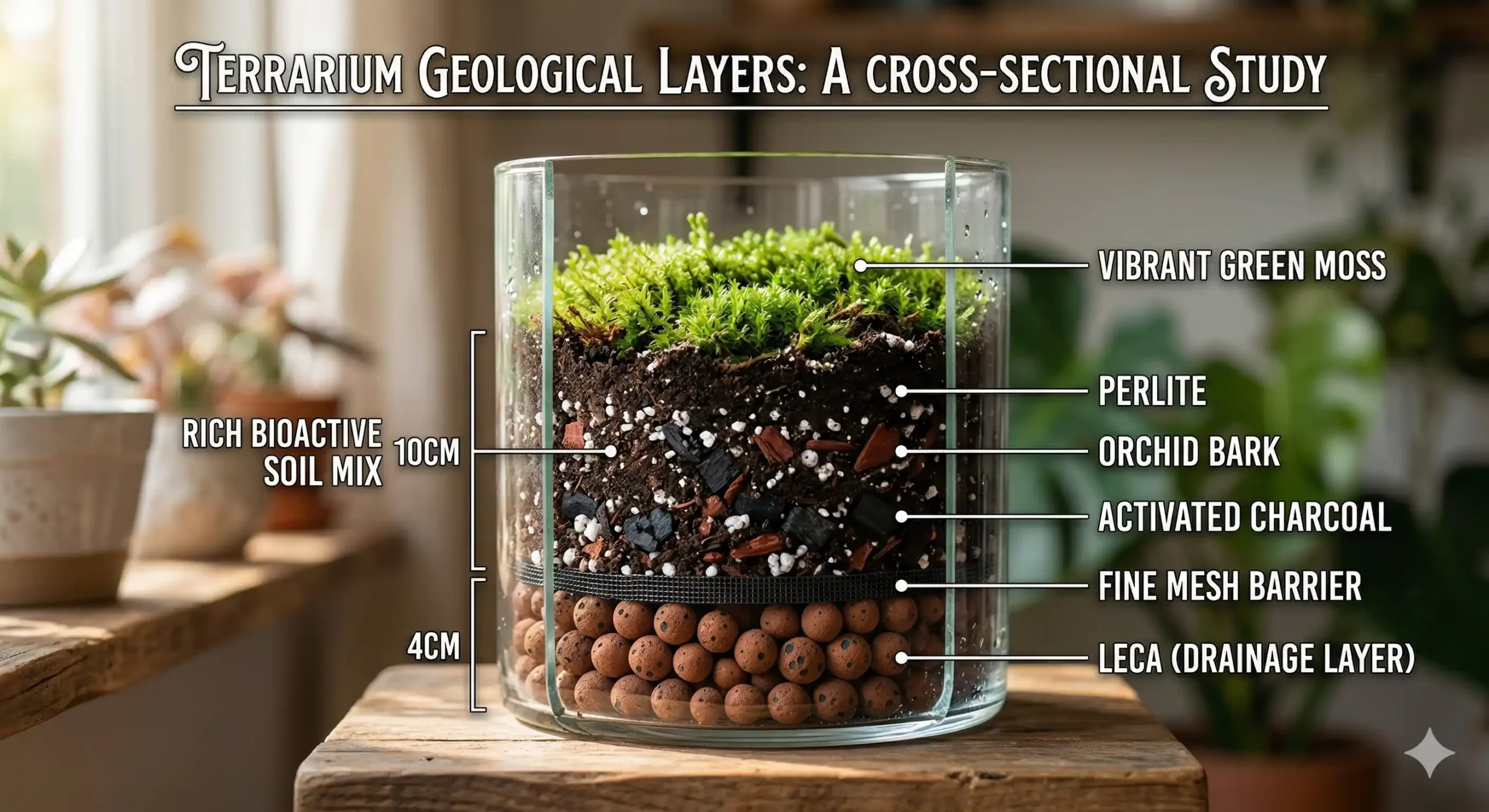
The substrate inside a sealed jar serves as the biological engine of the entire ecosystem. Utilizing standard commercial potting soil is a severe architectural error; peat-heavy mixes quickly compact into dense mud, suffocating delicate plant roots and crushing the microfauna. A properly engineered bioactive matrix must facilitate rapid water drainage while simultaneously retaining adequate, localized pockets of humidity.
The Geological Layers of the Terrarium
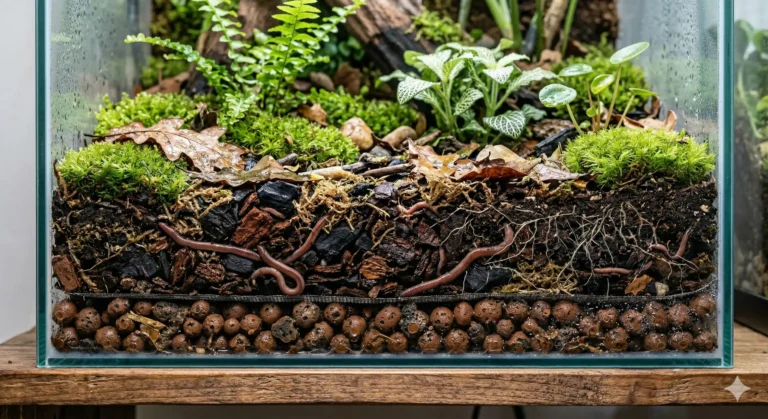
A successful closed ecosystem relies on a structured, three-tier geological profile to maintain long-term stability:
- The Drainage Layer (False Bottom): The absolute foundation of the jar must consist of a 1- to 2-inch layer of highly porous, inert material. Lightweight Expanded Clay Aggregate (LECA) or coarse volcanic lava rock are the optimal choices. This layer acts as an internal aquifer, catching excess water that percolates through the soil above. By keeping standing water separated from the root zone, the false bottom prevents the substrate from turning into a toxic, anaerobic swamp.
- The Substrate Barrier: A physical screen must be placed directly over the drainage stones to maintain the integrity of the layers. A layer of non-toxic fiberglass window screening or horticultural weed-blocking fabric is utilized to prevent fine soil particles from washing down and clogging the aquifer.
- The Bioactive Dirt Mix: The primary growing medium requires a carefully calibrated mixture designed to resist compaction over time. A highly effective, standard tropical formulation utilizes specific organic ratios. To explore various custom mixes tailored for different plant species, reviewing a dedicated bioactive substrate recipe ensures precise execution.
The Critical Role of Activated Charcoal
Within the bioactive dirt mix, the inclusion of horticultural activated charcoal (at approximately 10% by volume) is of profound importance for the success of springtail populations.
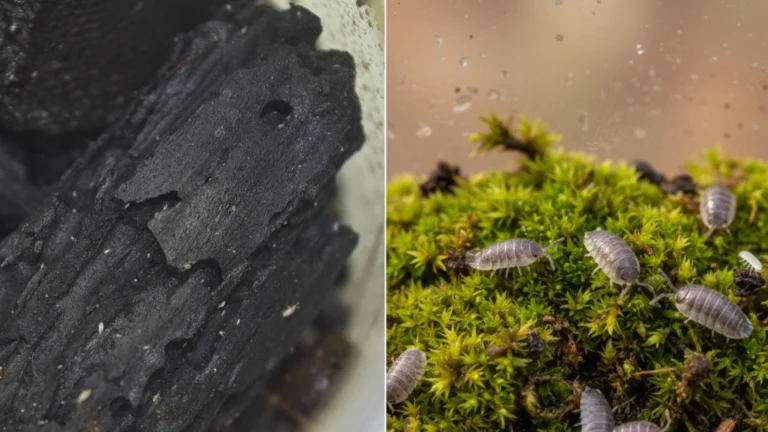
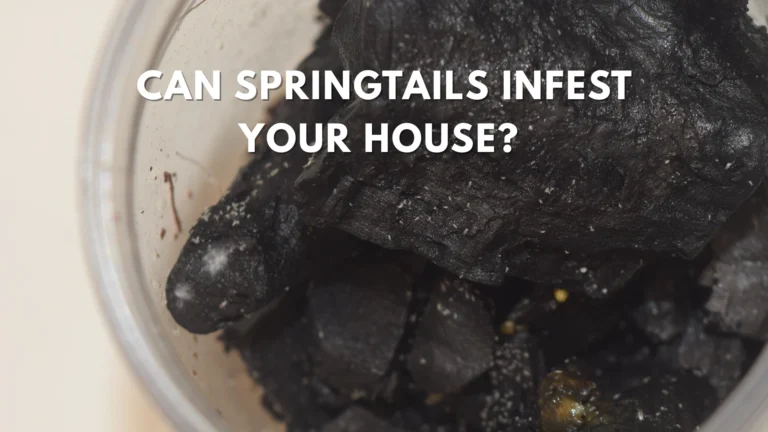
Activated charcoal serves as an exceptional biological and chemical filter. Through the process of adsorption, it binds heavy metals, neutralizes chemical impurities present in municipal tap water, and absorbs toxic gases released during organic decay. More importantly for the microfauna, the highly porous, microscopic cavernous structure of the charcoal provides a secure, mold-resistant breeding ground. Springtails actively seek out pieces of charcoal to deposit their eggs, safe from the threat of compaction and excessive moisture.
Step-by-Step Guide to Seeding the Enclosure
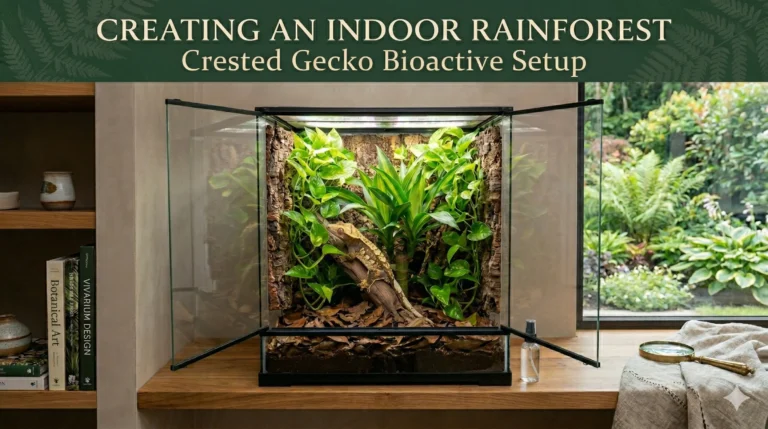
Introducing the springtail culture to the jar is a delicate mechanical process that dictates the initial biological momentum of the ecosystem. The microfauna should ideally be introduced immediately after the substrate and hardscape (driftwood and stones) are placed, but prior to the installation of delicate surface mosses, allowing the insects immediate access to the soil matrix. Detailed procedural knowledge of setting up a bioactive terrarium guarantees that the habitat is fully prepared for inoculation.
Acclimation and Transfer Methodologies
To successfully transfer the culture from the breeding container to the terrarium without inducing fatal shock to the organisms, botanists utilize specific methodologies:
- The Float and Pour Method: The biological structure of a springtail includes a hydrophobic, wax-coated epicuticle. This coating prevents them from breaking the surface tension of water, causing them to float entirely on the surface. By pouring a small volume of dechlorinated water directly into the culture jar, the springtails will rapidly rise to the surface. The water can then be gently decanted over the terrarium substrate, delivering hundreds of active adults instantly without transferring unwanted culture soil.
- The Bait Transfer Technique: For smaller, highly precise nano-terrariums where flooding is undesirable, a baiting technique is highly effective. A piece of damp orchid bark or a light dusting of pure brewer’s yeast is placed inside the culture jar overnight. The springtails will aggressively swarm the food source. The following morning, the botanist simply lifts the bark with tweezers and taps the swarming organisms directly onto the new enclosure’s substrate.
- Direct Substrate Integration: If the culture arrives packed in a premium soil mix rather than charcoal, the simplest method involves taking a small spoonful of the inoculated soil and burying it directly into the top layer of the terrarium substrate.
Once seeded, the springtails require virtually no external maintenance or supplemental feeding. They will immediately begin patrolling the substrate, seeking out the microscopic fungal spores introduced via the ambient air and the hardscape materials.
Long-Term Maintenance of a Bioactive Jar
While a closed terrarium equipped with a thriving springtail colony is designed to be largely self-sustaining, minimal observational maintenance ensures the longevity of the ecosystem.
The primary task involves monitoring the condensation cycle. A healthy terrarium will exhibit light condensation on the glass during the morning and evening hours, clearing up during the peak temperature of the day. If the glass remains permanently obscured by heavy water droplets, the system is holding excess moisture, and the lid must be removed temporarily.
Botanical maintenance is equally important. Fast-growing plants, such as Fittonia or creeping figs, will eventually reach the glass boundary. Pruning these plants with sterilized scissors prevents the leaves from pressing against the wet glass, which frequently induces localized rotting. Any trimmed foliage can be dropped directly onto the substrate surface; the springtails will readily consume the decaying matter over the following weeks, recycling the carbon back into the system.
Frequently Asked Questions
Do springtails overpopulate the terrarium?
No. Springtail populations are strictly dictated by the available food supply and the spatial constraints of the micro-environment. In a balanced closed terrarium, their numbers will naturally plateau once the initial mold blooms are consumed. As fungal food sources diminish, the colony’s reproductive rate reduces automatically. Older individuals will expire, and the surviving springtails will process the resulting organic matter, ensuring the population never overwhelms the physical boundaries of the ecosystem.
Will springtails escape a terrarium if the lid is opened?
It is highly improbable. Springtails are biologically dependent on the intense moisture and high humidity trapped within the substrate. Even if the terrarium lid is removed for routine pruning or gas exchange, the dry ambient air of the surrounding room acts as a lethal, invisible barrier. Exiting the humid microclimate of the jar would result in rapid, fatal dehydration, causing the springtails to actively avoid leaving the damp soil boundary.
Do springtails eat living terrarium plants?
No. Springtails lack the hardened mandible structure required to chew through the rigid, healthy cellular walls of living botanical tissue. Their diet is strictly confined to decaying organic matter, soft fungal mycelium, bacteria, and algae. They are entirely safe to house with the most delicate terrarium plants, including sensitive maidenhair ferns, rare mosses, and fine-rooted tropicals.
How long does it take for springtails to clear a mold outbreak?
The timeline depends entirely on the severity of the fungal bloom and the initial density of the springtail colony. For a newly established terrarium experiencing the standard “new tank syndrome” cobweb mold, a robust culture of 50 to 100 springtails can effectively clear the visible mold within 7 to 14 days. During this period, the mold serves as a temporary super-food, causing a rapid spike in springtail reproduction that dramatically accelerates the cleaning process as the colony scales to meet the demand.