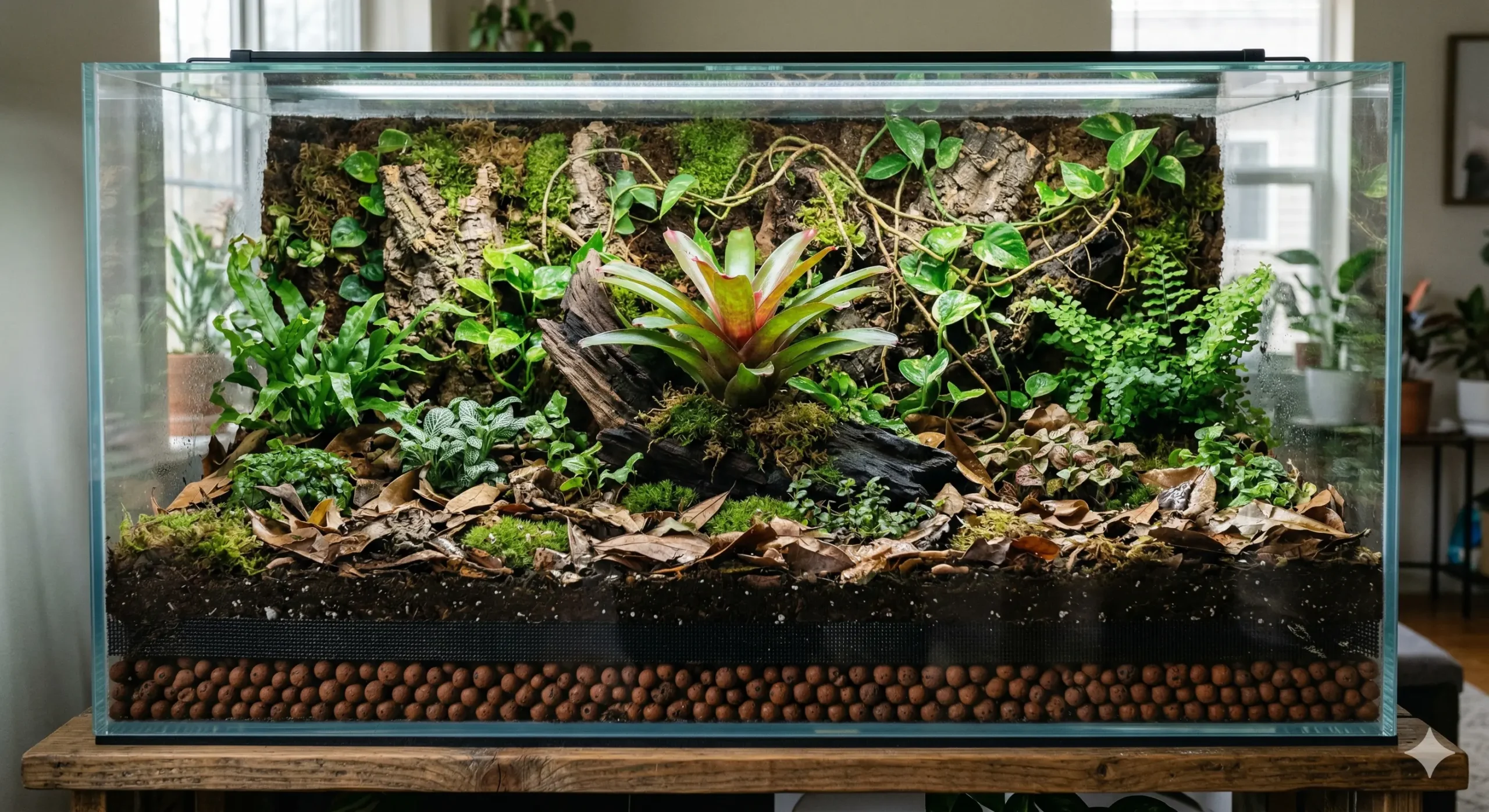
The transition from sterile, artificial enclosures to naturalistic, self-sustaining ecosystems represents a monumental advancement in modern herpetoculture. A bioactive terrarium operates as a miniature biome, integrating living plants, specialized microfauna, and active microbial networks to replicate the organic biological cycles found in the wild. Rather than requiring constant manual cleaning and substrate replacement, a properly engineered bioactive system utilizes a complex food web to break down organic waste, convert it into botanical nutrients, and maintain a hygienic environment for reptiles, amphibians, and invertebrates.
Constructing such an ecosystem requires an acute understanding of biology, soil chemistry, and fluid dynamics. As the founder of Springtails.in and the co-founder of the brand Trenoya, my team and I have spent years perfecting these systems. Building a thriving enclosure within the Indian subcontinent is uniquely challenging. The geographic extremes of India—ranging from intense, arid summer heatwaves that push ambient temperatures past 45°C, to the torrential humidity spikes of the monsoon season—demand specific structural adaptations. Success relies entirely on selecting the correct environmental parameters, engineering the proper foundational stratifications, and introducing robust, high-quality detritivore cultures capable of adapting to local climatic fluctuations.
What are the layers of a bioactive terrarium?
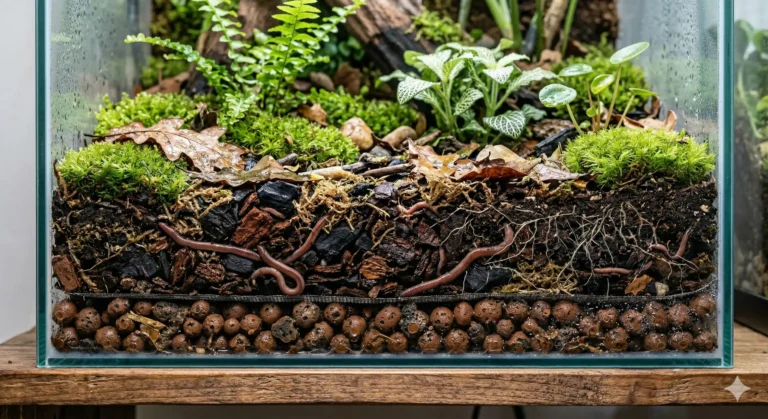
The layers of a bioactive terrarium include a primary drainage layer at the base, a permeable screen separator, a nutrient-dense bioactive substrate layer, and a top covering of biodegradable leaf litter. These distinct stratifications prevent waterlogging, promote healthy root systems, and sustain essential detritivore populations.
The Scientific Mechanics of Bioactive Systems
To engineer a functional bioactive vivarium setup, one must first understand the invisible chemical processes that govern it. At the core of bioactivity is the nitrogen cycle. In a standard, sterile enclosure, animal feces and urates decompose directly into ammonia, a highly toxic compound that rapidly degrades air quality and causes respiratory distress in reptiles. In a bioactive setup, this process is intercepted and neutralized by the ecosystem itself.
A specialized clean-up crew (CUC) composed of detritivores physically breaks down solid waste into smaller particulate matter. This microscopic detritus is then consumed by aerobic bacteria and beneficial fungi present in the soil. Nitrosomonas bacteria convert the toxic ammonia into nitrites, and Nitrobacter bacteria subsequently convert those nitrites into nitrates. Nitrates are then absorbed by the root systems of living plants, acting as a natural fertilizer. This continuous, closed-loop nutrient cycling mirrors the exact decomposition processes found in tropical rainforests and arid scrublands.
The establishment of this cycle depends entirely on the microflora—the bacteria and mycorrhizal fungi forming symbiotic relationships with plant roots. Without a thriving microbial network, the physical detritivores alone cannot manage the bioload of a vertebrate inhabitant. Therefore, the soil must be viewed not merely as dirt, but as a living, breathing organ within the terrarium.
Sterile vs. Bioactive Enclosures
| Feature | Sterile Enclosure | Bioactive Enclosure |
| Waste Management | Requires frequent manual removal. | Autonomously broken down by microfauna. |
| Substrate | Paper towels, reptile carpet, or sterile coco peat. | Living soil, organic matter, and drainage layers. |
| Flora | Artificial plastic or silk plants. | Live, rooted plants that cycle oxygen and nitrates. |
| Microbiome | Absent; susceptible to sudden bacterial blooms. | Established beneficial bacteria and fungi. |
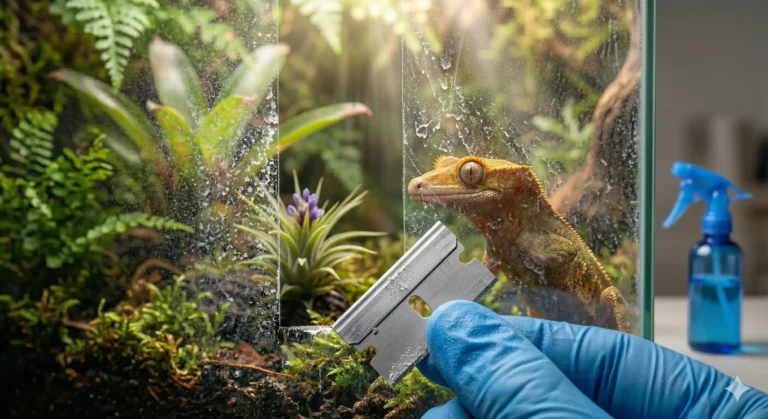
| Maintenance | High daily maintenance and frequent substrate changes. | Low maintenance; primarily glass cleaning and plant pruning. |
Step 1: The Drainage Layer (False Bottom)
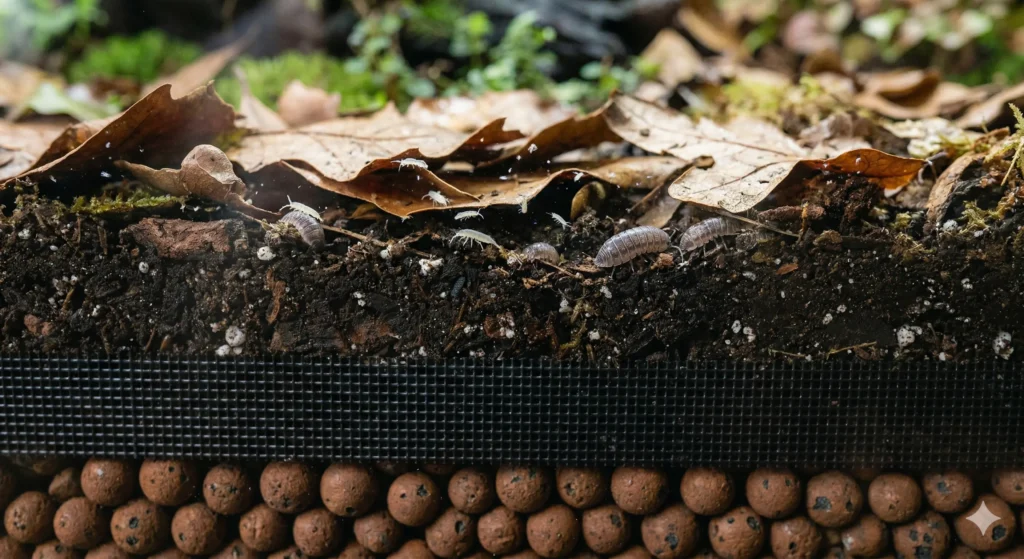
The foundational tier of any tropical or temperate bioactive setup is the drainage layer. Its primary function is to capture excess water that percolates down through the soil, preventing the substrate from becoming waterlogged. Saturated soil leads to anaerobic conditions, killing beneficial bacteria, suffocating plant roots, and causing the substrate to emit a foul odor resembling sulfur or stagnant water.
Materials utilized for the drainage layer must be highly porous, inorganic, and resistant to degradation.
- LECA (Lightweight Expanded Clay Aggregate): These baked clay spheres are the industry standard. They are lightweight, highly porous, and possess excellent capillary action, allowing them to wick moisture back up into the soil as the enclosure dries.
- Lava Rock: Highly effective due to its immense surface area, providing extensive colonization space for beneficial bacteria. However, lava rock adds considerable weight to glass enclosures.
- Synthetic Drainage Mats: Woven plastic mesh layers offer maximum water capacity and zero weight, though they lack the biological surface area of clay or rock.
Note for Arid Setups: Desert bioactive terrariums designed for species like Leopard Geckos or Bearded Dragons generally do not require a drainage layer. Introducing standing water at the base of a desert setup can unnecessarily elevate ambient humidity, leading to respiratory issues for arid species.
Step 2: The Substrate Barrier
Positioned directly above the drainage layer, the substrate barrier is a physical screen designed to keep fine soil particles from washing down into the water reservoir. If soil migrates into the drainage layer, it will turn the standing water into a sludgy, anaerobic bog. Ideal barriers are made from non-toxic, non-biodegradable fiberglass window screening or specialized horticultural weed-blocking fabric. The barrier must allow water to flow freely downward while entirely blocking the passage of peat and sand.
Step 3: Mixing the Bioactive Substrate
The substrate is the biological engine of the terrarium. It must balance moisture retention, aeration, and structural integrity to support both plant roots and tunneling detritivores. A standard commercial mix often models the famous “ABG Mix” (Atlanta Botanical Gardens mix), which provides unparalleled longevity.
When formulating a mix, keepers must balance the exact components to fit the biological needs of the detritivores. Choosing the best bioactive substrate for springtails requires a blend of organic matter for them to consume and inorganic matter to provide physical structure and aeration.
A standard tropical soil formulation requires:
- Coco Coir or Peat Moss (40%): Acts as the moisture-retaining base.
- Orchid Bark or Fir Bark (20%): Creates macroscopic air pockets within the soil, preventing compaction.
- Tree Fern Fiber (15%): Highly resistant to rapid decay, providing long-term structural integrity.
- Sphagnum Moss (15%): Distributed throughout the mix to create isolated pockets of high humidity for microfauna.
- Activated Charcoal (10%): Absorbs heavy metals, neutralizes toxins, and provides a highly porous haven for springtail reproduction.
Step 4: Adding the Cleanup Crew (CUC)
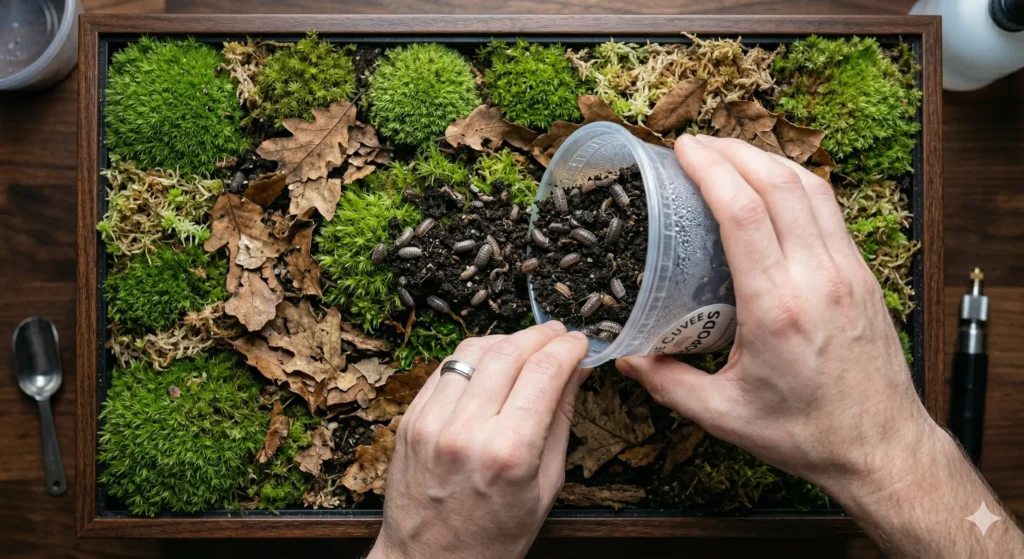
A bioactive setup is defined by its microfauna. These specialized invertebrates are the physical custodians of the ecosystem. Selecting high-quality, pest-free cultures is critical, as introducing wild-caught insects can invite predatory mites, parasites, and chemical pesticides into the enclosure.
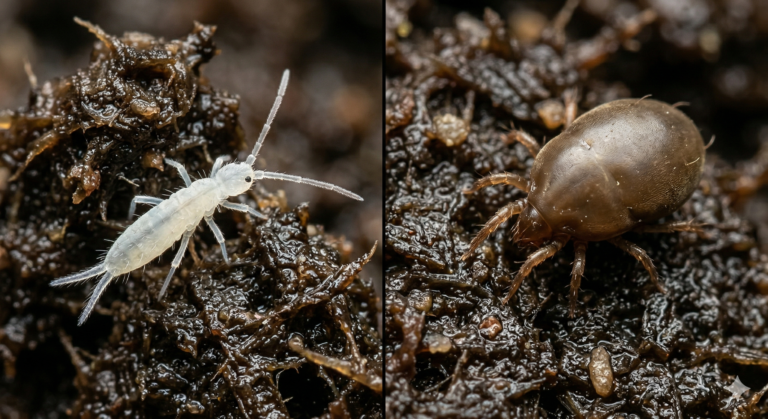
Here at our Trenoya culturing facility in India, we understand the exact requirements of a thriving ecosystem. Springtails (Collembola) are microscopic, hexapod detritivores that serve as the primary defense against mold and fungal outbreaks. They specifically consume decaying botanical matter, animal feces, and pathogenic mold spores. Without a dense springtail population, the high humidity required in tropical setups will inevitably lead to rampant, toxic mold growth.
For Indian hobbyists, acquiring robust, acclimatized cultures is a priority. Trenoya Live Springtails and Trenoya Grindal Worms offer an optimal solution. Cultivated directly in our laboratories, these cultures are explicitly labeled as Lab-Grown in India and completely Pest-Free. Packaged in our secure 200ml pet jars, the cultures boast active colony sizes of 30 to 100+ individuals, ready to immediately inoculate your substrate. Supported by our Live Arrival Guarantee and Pan-India Express Shipping, you can trust that your ecosystem will receive highly active, healthy organisms. Each culture is accompanied by our innovative QR-code care guides, allowing you to instantly scan and understand the precise moisture and feeding requirements needed to multiply your colonies.
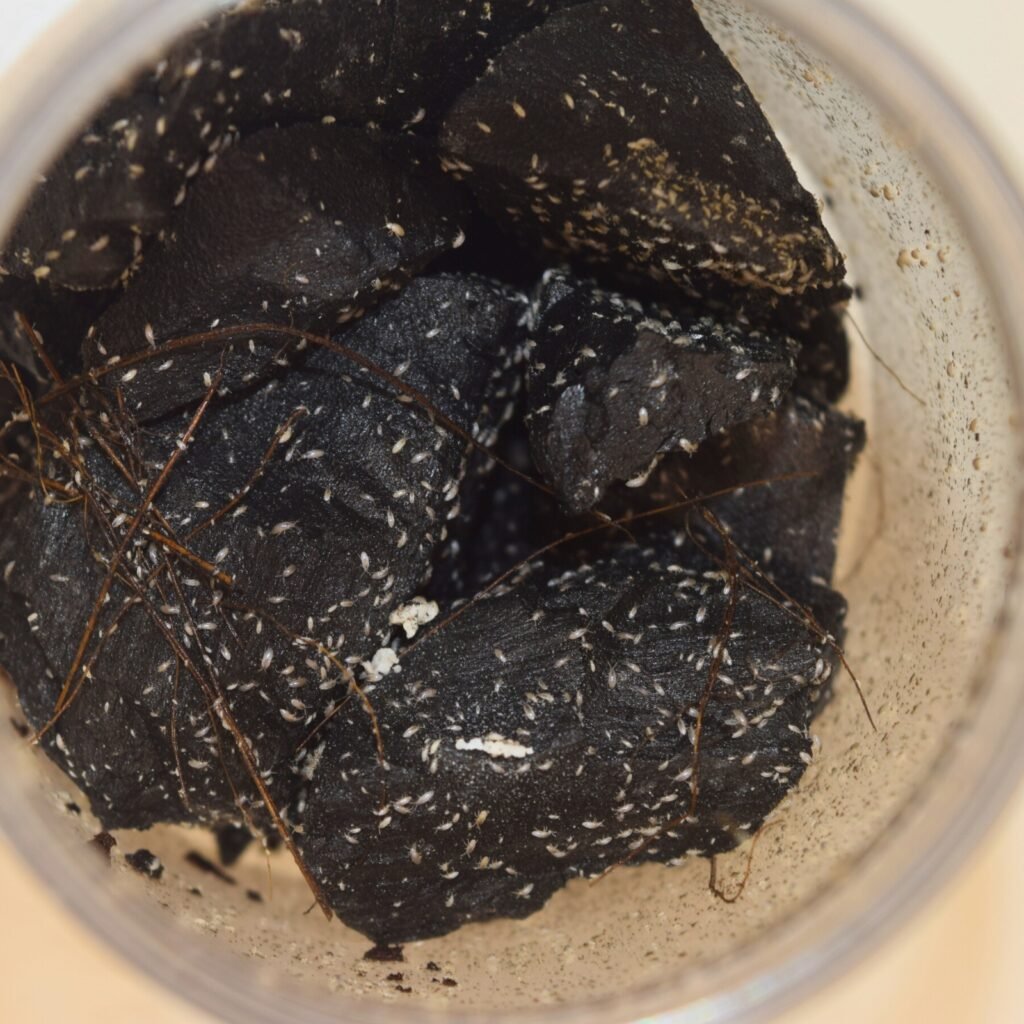
TRENOYA Springtails (Cleanup Crew) — Live Culture Starter (India)
Seed your bioactive terrarium with a pest-free, starter-ready springtail culture. Perfect for mold control and waste cleanup. Live Arrival Guarantee + Pan-India express shipping.
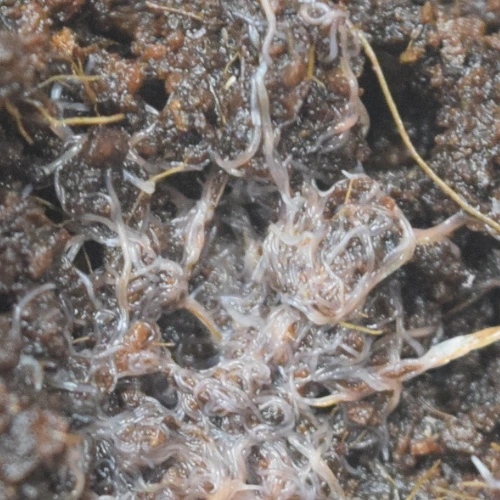
TRENOYA Grindal Worms — Live Culture Starter (High-Protein Fish Food)
Easy, home-grown live fish food for bettas, apistos, and community fish. Starter-ready culture, fast to harvest, Live Arrival Guarantee across India.
Primary Detritivore Profiles
| Detritivore | Ecosystem Function | Preferred Environment | Primary Diet |
| Springtails | Mold and fungal management; microbial control. | High moisture, damp soil. | Fungi, mold spores, decaying wood. |
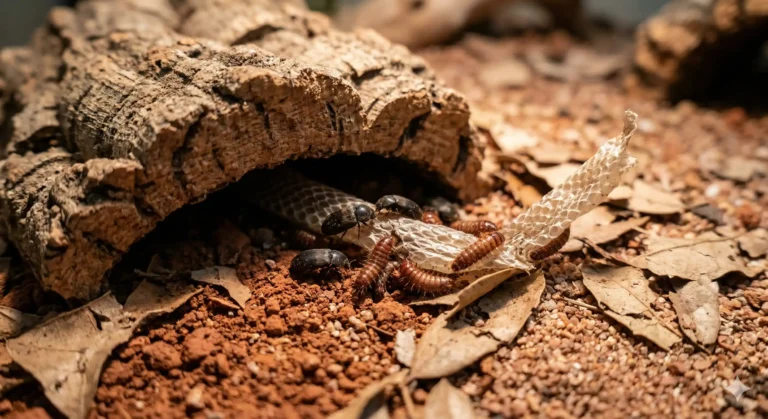
| Dwarf White Isopods | Subterranean soil aeration and waste removal. | Moderate to high moisture. | Feces, leaf litter, decaying roots. |
| Powder Orange Isopods | Surface debris removal and rapid nutrient cycling. | Versatile; tolerates arid and humid setups. | Hardwood, dense foliage, protein. |
| Earthworms | Deep soil aeration and casting production. | Deep, moist soil layers. | Substrate organics, decomposing leaves. |
Following the introduction of your clean-up crew, generously distribute a thick layer of sterilized leaf litter over the entirety of the exposed substrate. Toss in small pieces of decaying white wood or specialized isopod nutritional supplements to ensure the cultures have an immediate food source while the enclosure establishes its natural microbial balance. To ensure a stable population, many keepers ask how many springtails to seed initially; a standard 20-gallon enclosure typically requires one to two thriving 200ml cultures to establish a secure foundation.
Step 5: Botanical Architecture and Plant Selection
Live plants are the lungs of the terrarium. They metabolize the nitrates produced by the detritivores, transpire moisture into the air, and provide necessary psychological enrichment, cover, and climbing surfaces for the inhabitants. Selecting the correct botanical species requires matching the plant’s physiological needs to the climate profile of the enclosure.
Tropical and Monsoon Profiles
For amphibians, crested geckos, and arboreal snakes, the environment must feature high humidity (70-90%) and constantly damp soil.
- Epipremnum aureum (Pothos): Highly resilient vining plants that root aggressively. They possess a remarkable tolerance for low light and can absorb massive amounts of nitrates.
- Bromeliads (Neoregelia, Vriesea): Epiphytic plants that do not require deep soil. They hold water in their central axils, providing natural drinking pools and tadpole-rearing sites for amphibians.
- Ferns and Mosses: Plants like the Bird’s Nest Fern or Boston Fern thrive in the damp, shaded understory.
Arid and Desert Profiles
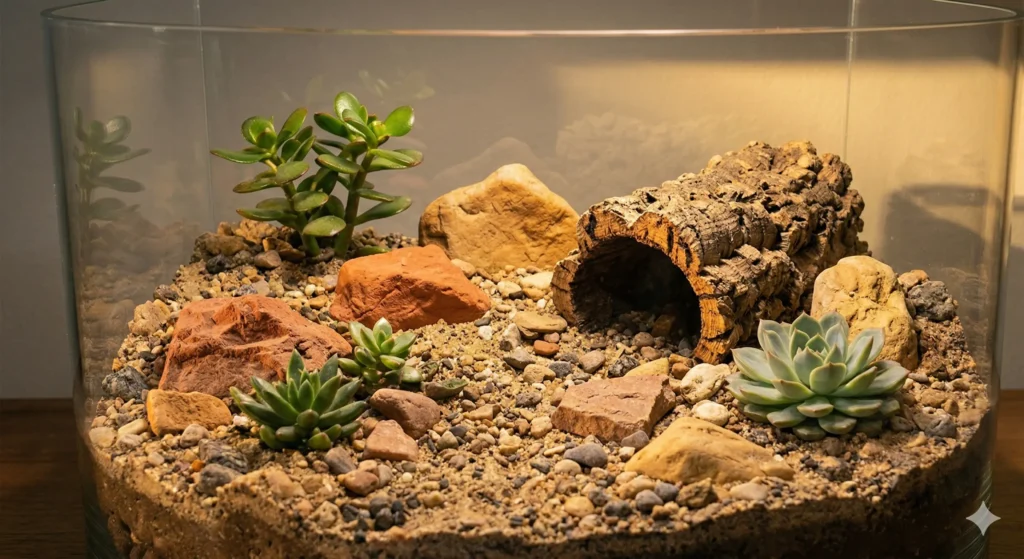
Reptiles hailing from arid regions—such as Leopard Geckos and Uromastyx—require intense basking temperatures and minimal ambient moisture. Plants selected for these enclosures must utilize CAM (Crassulacean Acid Metabolism) photosynthesis, allowing them to retain water efficiently.
- Sansevieria (Snake Plant): Extremely robust, capable of withstanding the weight of climbing reptiles, and highly drought-resistant.
- Crassula ovata (Jade Plant): A branching succulent that provides excellent canopy cover in dry environments.
- Aloe and Haworthia: Low-growing succulents that thrive under intense LED and UVB lighting conditions.
Managing Heat and Humidity in the Indian Climate
Operating a bioactive system in India presents highly specific meteorological challenges. The geographical variations require dynamic environmental management strategies to protect the microfauna and flora.
Mitigating the Summer Heatwaves
During the peak of the Indian summer, ambient indoor temperatures can easily soar past 40°C. Glass terrariums act as thermal traps, amplifying this heat via the greenhouse effect. Excessive heat will rapidly sterilize a bioactive terrarium, killing off the springtail and isopod colonies, and causing plants to desiccate.
To combat severe heat, cross-ventilation is mandatory. Stagnant, hot air must be actively extracted using low-RPM computer fans mounted to the screen lids. Furthermore, evaporative cooling can be utilized by placing damp towels over the mesh tops and blowing air across them. The substrate depth plays a distinct role here; a deep soil layer (minimum 4 to 6 inches) creates a thermal gradient. While the surface may reach 35°C, the bottom layers of the soil will remain significantly cooler, providing a vital subterranean retreat for the clean-up crew to survive the heatwave.
Navigating Monsoon Condensation
Conversely, the Indian monsoon introduces an entirely different threat. From June to September, ambient indoor humidity frequently hovers at 90%. In a closed glass terrarium, this translates to 100% saturation. When air becomes entirely saturated, botanical transpiration halts, the soil refuses to dry, and the enclosure becomes vulnerable to bacterial stagnation and pathogenic mold.
During the monsoon, you must drastically reduce artificial misting schedules. The drainage layer must be closely monitored to ensure the water table is not backing up into the soil. Increasing the ratio of orchid bark or pumice in the substrate mix prior to the monsoon season ensures maximum drainage and prevents the roots from sitting in hypoxic mud.
Pathology and Pest Management
Even the most meticulously engineered bioactive setup will occasionally encounter biological imbalances. Identifying and neutralizing these threats promptly guarantees the longevity of the system.
The Sciaridae Menace: Fungus Gnats
The most ubiquitous pest in global terrarium keeping is the fungus gnat. These tiny, black flying insects are inherently drawn to damp soil and decaying organic matter. While the adult flies are merely an aesthetic nuisance, their subterranean larvae aggressively feed on delicate plant root hairs and can outcompete the beneficial springtails.
When combatting an infestation, you must rapidly deploy chemical-free protocols, as standard pesticides will instantly eradicate the entire clean-up crew and poison the reptile. For a detailed breakdown of extraction protocols, you can review methods to get rid of fungus gnats effectively.
- Biological Control: The introduction of Steinernema feltiae (beneficial nematodes) directly into the soil acts as a highly targeted biological weapon. These microscopic worms seek out and destroy gnat larvae without harming isopods or springtails.
- BTI Treatments: Using Bacillus thuringiensis israelensis (commonly found in “Mosquito Bits”) infused into the misting water will paralyze the digestive tracts of the gnat larvae.
- Adult Trapping: Deploying apple cider vinegar traps covered in perforated plastic wrap outside the enclosure effectively lures and drowns the flying adults, breaking the reproductive cycle.
Pathogenic Mites vs. Detritivore Mites
Keepers often panic upon seeing tiny, round organisms moving through the soil, assuming they are parasitic snake or lizard mites. However, the vast majority of soil-dwelling mites (such as Oribatid mites) are completely harmless detritivores that naturally assist the springtails in decomposition. If actual plant pests like spider mites or thrips appear, the introduction of predatory mites like Hypoaspis miles serves as an excellent natural eradication method.
Differentiating Fungal Outbreaks
The appearance of mold is completely normal—and expected—during the first month of a bioactive terrarium’s life. This “new tank syndrome” occurs as airborne spores colonize the fresh, nutrient-rich wood and soil. White, fuzzy mold and thin, web-like mycelium networks are harmless and will soon be consumed by a robust springtail population. Conversely, slimy black molds or foul-smelling bacterial blooms indicate highly stagnant, anaerobic conditions requiring immediate substrate aeration and a reduction in misting.
FAQs
Do arid terrariums need a drainage layer?
Arid setups designed for desert species utilizing a high-sand substrate mix generally do not require a drainage layer. Adding a drainage layer to an arid environment can unnecessarily trap moisture at the base of the tank, elevating ambient humidity to dangerous levels and disrupting the required dry microclimate.
How long should the terrarium cycle before adding the reptile?
It is highly recommended to allow the terrarium to cycle without vertebrate inhabitants for a period of 3 to 4 weeks. This quarantine period allows the plant roots to anchor firmly into the soil, prevents the clean-up crew from being immediately predated upon, and gives the microflora time to establish a functional nitrogen cycle.
Why are my springtails dying?
Springtails require specific environmental conditions to survive. The most common cause of colony collapse is complete desiccation of the substrate. The lower layers of the soil must always remain slightly damp. Additionally, exposure to untreated tap water containing heavy chlorine or chloramines, or the accidental introduction of chemical pesticides via unwashed nursery plants, will rapidly eradicate the population.
Can I use soil directly from my garden?
Using wild soil is strongly discouraged. Soil sourced from outdoor gardens frequently harbors chemical fertilizers, industrial pesticides, parasitic nematodes, centipedes, and predatory mites that will decimate a closed terrarium environment. Always utilize sterilized, purposefully mixed substrates intended specifically for bioactive herpetoculture.