How to make a bioactive substrate?
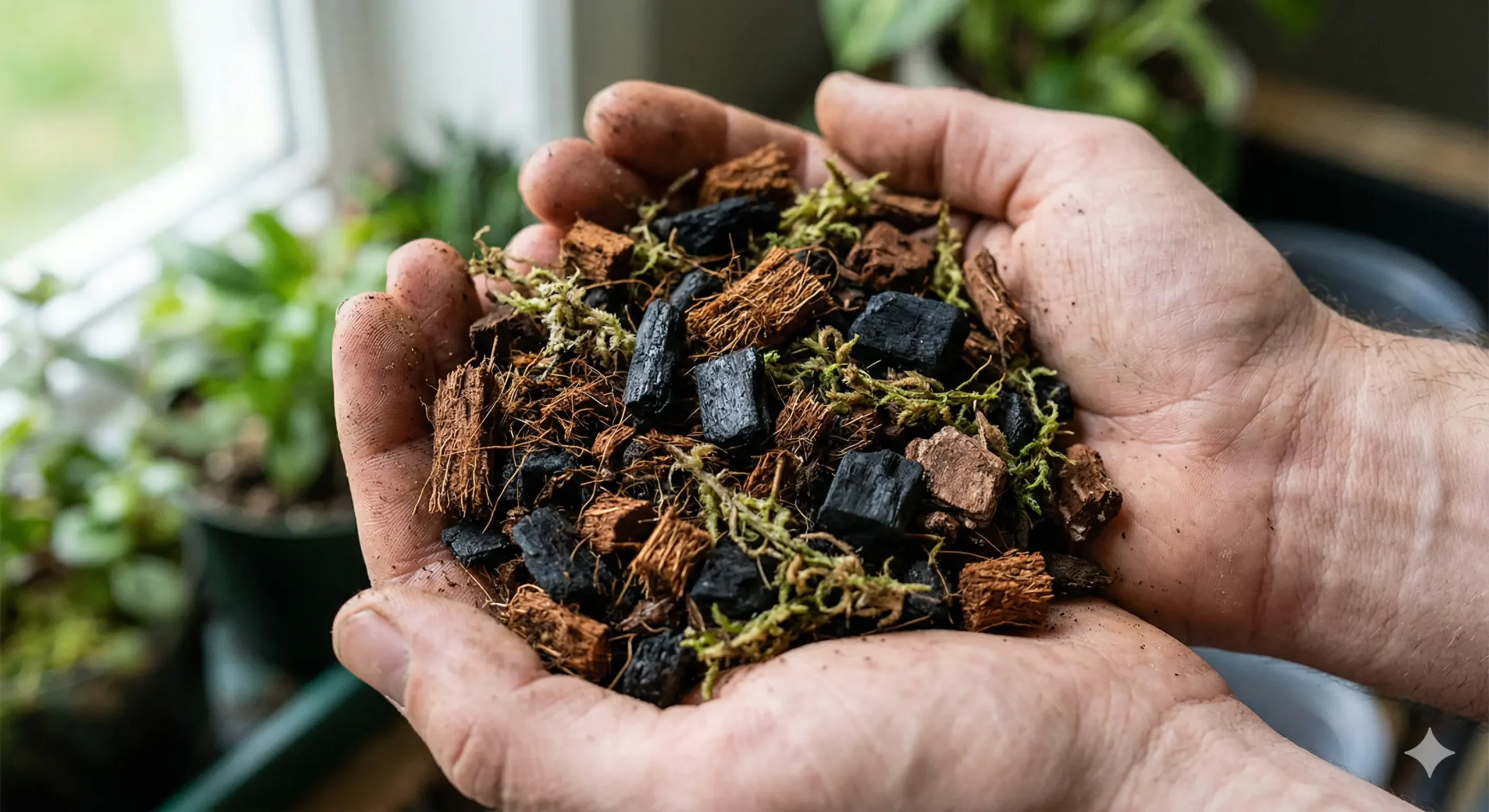
A bioactive substrate is a self-sustaining soil matrix created by blending 60% horticultural charcoal, 20% coconut coir, 10% long-fiber sphagnum moss, and 10% sterilized leaf litter. This precise combination ensures optimal drainage, moisture retention, and aeration, supporting beneficial microfauna like springtails and robust plant root development.
The Ecological Mechanics of Bioactive Terrariums
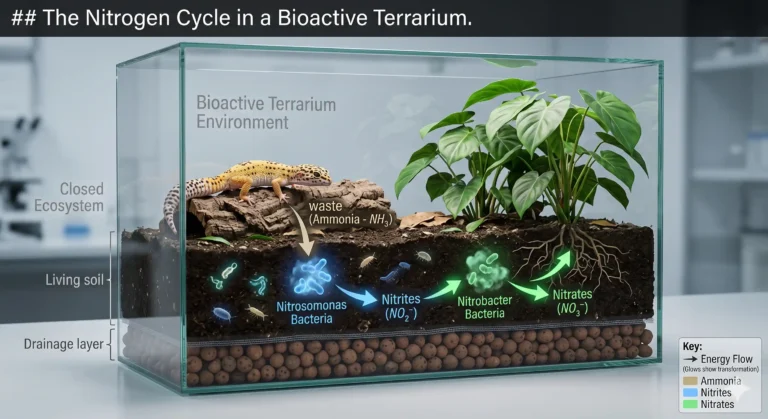
The transition from sterile, static terrariums to living, bioactive ecosystems represents a profound advancement in animal husbandry and horticulture. A bioactive terrarium operates on the principles of a closed-loop ecosystem, where organic waste is continuously processed and transformed into bioavailable plant nutrients through a multi-layered biological cascade. At the core of this system lies the substrate layer, which functions not merely as physical flooring but as the primary bioreactor. This living matrix houses a complex network of microfauna, including detritivores and fungivores, alongside microflora such as bacteria and saprophytic fungi that drive the decomposition cycle.
The efficiency of this bioreactor dictates the long-term health of the entire enclosure. Substrate fatigue occurs when microbial activity declines, causing the soil matrix to compact and collapse. This compaction blocks burrowing mechanisms, halts soil aeration, and generates anoxic zones characterized by foul, sulfurous odors. When these anaerobic pockets develop, the nutrient cycle stalls, leading to the rapid accumulation of toxic byproducts such as ammonia and hydrogen sulfide. The engineering of the terrarium soil mix is therefore the most critical variable in establishing a self-sustaining environment.
The Science of Cation Exchange Capacity (CEC) in Soil Mixes
To comprehend why specific materials are selected for a terrarium soil mix, it is necessary to examine the physicochemical properties of soil, specifically the Cation Exchange Capacity (CEC). CEC measures the total capacity of a soil matrix to hold exchangeable cations, which are positively charged nutrient ions such as calcium (Ca2+), magnesium (Mg2+), and potassium (K+).
Clay minerals and organic matter within the substrate possess negatively charged sites on their surfaces that adsorb these positively charged ions through electrostatic force. A high CEC indicates that the substrate can retain a significant reservoir of nutrients, preventing them from leaching out of the soil profile during heavy misting or watering. These retained nutrients are subsequently made available for uptake by live plant roots, ensuring robust botanical growth without the reliance on synthetic chemical fertilizers.
Table 1 illustrates the comparative attributes of common substrate components, highlighting why standard sand or gravel fails to support long-term botanical health compared to organic-rich alternatives.
| Substrate Component | Cation Exchange Capacity (CEC) | Moisture Retention | Decomposition Rate | Primary Function in Bioactive Systems |
| Sand / Silica | Very Low (< 0.9 meq/100g) | Poor | Zero (Inert) | Drainage and physical weight |
| Peat Moss | High | Very High | Fast | Acidic nutrient retention |
| Coconut Coir | Moderate-High (40-60 meq/100g) | High (Up to 10x weight) | Slow | Moisture stability and root support |
| Orchid Bark | Low | Low-Moderate | Very Slow | Aeration and interstitial spacing |
| Worm Castings | Very High | Moderate | Fast | Immediate bioavailable nutrient injection |
The Legacy of the Classic ABG Mix Recipe
For decades, the standard benchmark for tropical bioactive environments has been the ABG mix recipe. Originally formulated by the Atlanta Botanical Gardens, this specific blend was engineered to provide unparalleled drainage and aeration while resisting rapid decomposition in environments demanding 75% to 99% relative humidity.
The classic, authentic ABG mix recipe is strictly defined by the following volume-based proportions:
- 2 parts Tree Fern Fiber
- 1 part Peat Moss
- 2 parts Orchid Bark (Fir Bark)
- 1 part Sphagnum Moss
- 1 part Horticultural Charcoal
The enduring success of the ABG mix recipe lies in its precise balance of organic and inorganic elements. The tree fern fiber, sourced primarily from Dicksonia species, provides a rigid, twig-like structure that actively resists rotting, maintaining the structural integrity of the soil matrix for years. The peat moss contributes an acidic profile and high CEC, while the orchid bark prevents the medium from compressing under the weight of heavy-bodied reptiles or saturated water. Finally, the charcoal acts as a filtration agent, binding impurities and providing an immense surface area for beneficial bacterial colonization.
Environmental Concerns and Regional Climate Adaptations
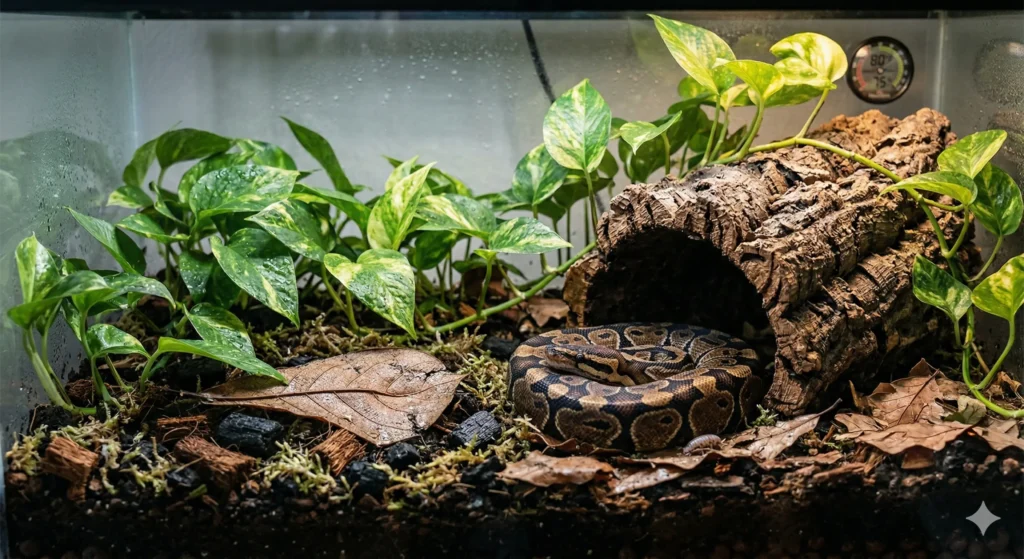
Despite its horticultural efficacy, the classic ABG mix recipe has faced intense scrutiny within modern terrarium communities due to the severe ecological impact associated with harvesting its two primary ingredients: tree fern fiber and peat moss.
Tree fern fiber is largely harvested through destructive practices that decimate slow-growing fern forests, leading many environmental organizations to restrict or ban its collection. Consequently, authentic tree fern fiber has become ethically problematic to source. Similarly, the extraction of peat moss requires the strip-mining of ancient peat bogs. These bogs accumulate at an exceptionally slow rate of approximately 0.5 mm to 1.0 mm per year, rendering peat a non-renewable resource on human timescales. Furthermore, peat bogs are massive carbon sinks; their destruction releases significant quantities of stored carbon into the atmosphere, directly contributing to ecological degradation. These environmental realities dictate the development of a highly effective, sustainable bioactive substrate mix.
Designing a terrarium soil mix in India presents extreme environmental challenges that differ vastly from the temperate conditions of North America or Europe. Standard international care guides often assume ambient room temperatures of 20°C, a metric that is largely inapplicable to the Indian subcontinent.
The Indian summer subjects enclosures to intense ambient heat, with temperatures frequently exceeding 35°C in unconditioned spaces. This excessive heat accelerates the evaporation rate within the terrarium, rapidly desiccating the substrate. If the soil matrix lacks sufficient water-retention capabilities, the delicate microfauna populations will undergo mass mortality, collapsing the bioactive cycle. Conversely, the Indian monsoon season introduces ambient relative humidity levels that frequently surpass 90%. During the monsoon, the primary risk shifts from desiccation to waterlogging. A poorly draining substrate will quickly saturate, transforming into an anoxic sludge that rots plant roots and suffocates aerobic bacteria.
To navigate these extreme seasonal fluctuations, the substrate matrix must be heavily engineered. It requires an enhanced drainage aquifer, typically a false bottom constructed from LECA or lava rock, separated by a synthetic mesh barrier to capture heavy monsoon condensation. Simultaneously, the organic layer must utilize components with high moisture-retention capabilities that do not degrade into fine, compactable silt during the intense summer heat.
The Optimal DIY Bioactive Substrate Recipe (Sustainable ABG Alternative)
To replicate the longevity and aeration of the classic ABG mix recipe while eliminating ecologically destructive materials, practitioners utilize a refined amalgamation of renewable resources. This specialized formulation excels in high-humidity tropical setups and provides the perfect habitat for detritivores.
1. Coconut Coir (Replacing Peat Moss)
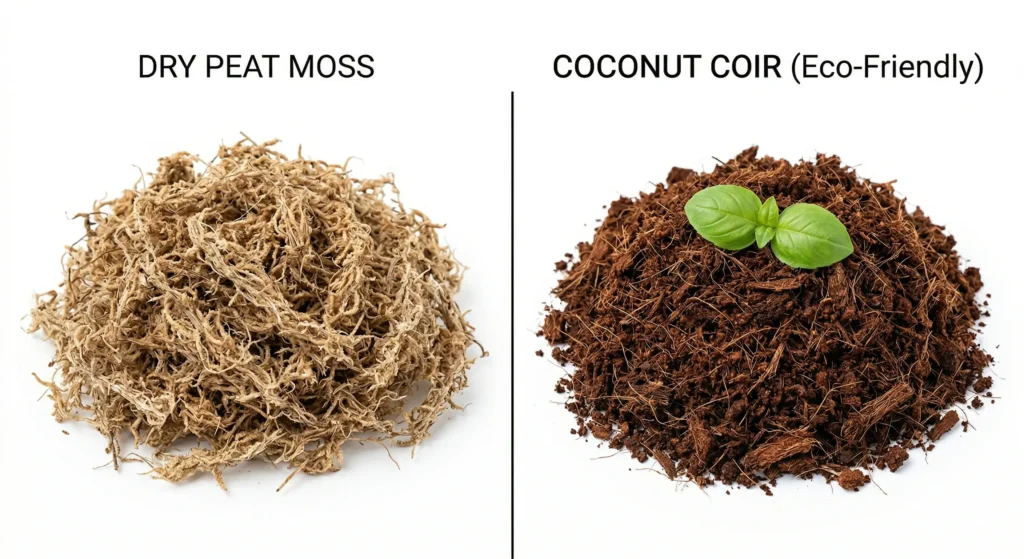
Derived from the discarded husks of coconuts, coco coir is a readily renewable, highly sustainable byproduct of the agricultural industry. It serves as the primary base for the terrarium soil mix. Unlike peat moss, which is highly acidic and becomes hydrophobic (water-repellent) when completely dry, coco coir maintains a neutral pH (generally between 6.0 and 6.7) and rehydrates effortlessly. Its fibrous structure allows it to retain up to ten times its weight in water while resisting rapid decomposition due to its high lignin content. This moisture stability is essential for the survival of the biofilm layers that microfauna graze upon.
2. Horticultural Charcoal
Charcoal serves as the physical and chemical anchor of the bioactive substrate. It is imperative to distinguish horticultural charcoal from activated carbon or standard barbecue briquettes. Barbecue charcoal contains chemical accelerants and toxic residues that will immediately kill microfauna and plants. Activated carbon, while highly porous, is subjected to extreme temperatures and gas treatments designed for acute chemical filtration in aquariums or medical settings; it is largely unnecessary and prohibitively expensive for soil applications.
Pure horticultural charcoal is kiln-fired organic material (such as fruitwood, bamboo, or coconut shells) processed in a low-oxygen environment through a process called pyrolysis. This process leaves behind a rigid carbon structure filled with microscopic air pockets. In the terrarium, this charcoal provides an immense surface area for beneficial nitrifying bacteria to colonize. It also adsorbs excess metabolites, filters standing water, and physically prevents the softer organic materials from compacting into a dense sludge.
3. Orchid Bark (Fir Bark)
To replicate the robust aeration previously provided by tree fern fiber, coarse orchid bark is integrated into the mix. This chunky material creates large interstitial air spaces within the soil profile. These air pockets are strictly necessary for two reasons: they allow excess water to drain swiftly toward the false bottom, and they provide oxygen exchange for deep-reaching plant roots and subterranean microfauna. The slow decomposition rate of the bark ensures that the substrate maintains its structural integrity over a span of several years.
4. Long-Fiber Sphagnum Moss
Sphagnum moss acts as localized hydration stations within the soil matrix. While coco coir provides generalized moisture, strands of sphagnum moss absorb and retain massive quantities of water, creating micro-pockets of 100% humidity. These pockets serve as emergency refugia for microfauna during intense heat waves or periods of low misting.
5. Sterilized Leaf Litter
Leaf litter is the absolute biological engine of the bioactive terrarium, acting as the primary nutritional fuel for the ecosystem. The specific physicochemical properties of the leaves govern the rate of decomposition and nutrient cycling. High-lignin leaves, such as Magnolia or Oak, possess thick, waxy cuticles that decay slowly, providing long-term structural shelter and aesthetic ground cover. Conversely, low-lignin leaves, such as Indian Almond (Terminalia catappa) or Guava, decompose rapidly, offering immediate, soft nutrition for detritivores.
As these leaves degrade, they leach humic and fulvic acids, which slightly lower the soil pH and actively suppress the proliferation of pathogenic bacteria. It is required that all foraged leaves undergo strict thermal sterilization—either baking at 90°C for 30 minutes or boiling for 10 minutes—to eradicate invasive pests, parasitic nematodes, and predatory mites before introduction.
Integrating the Cleanup Crew: The Role of Microfauna
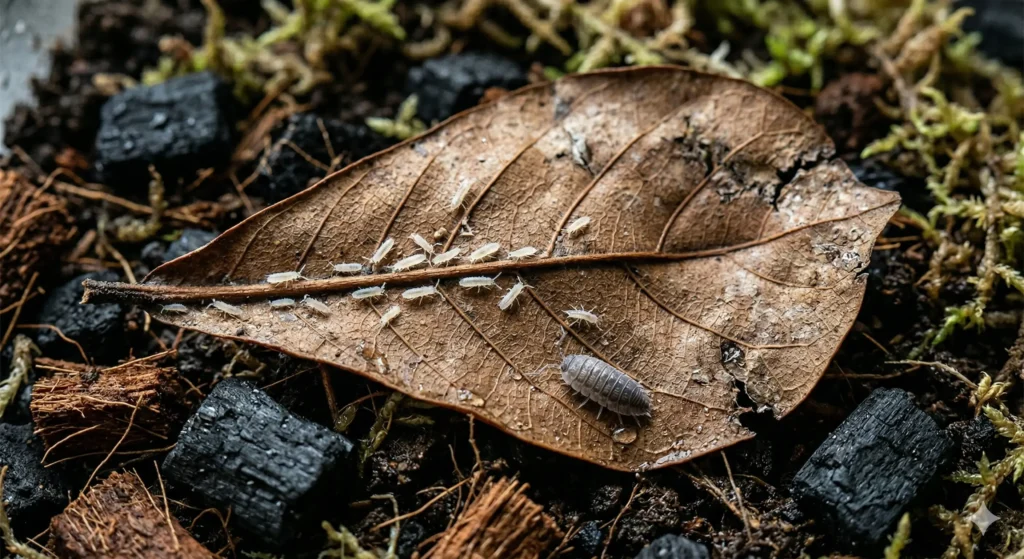
A substrate matrix remains inert until it is inoculated with a biological cleanup crew. The successful execution of a terrarium soil mix relies entirely on the introduction of high-quality microfauna. At the Trenoya culturing facility in India, research indicates that establishing a robust soil matrix requires precise biological engineering. Trenoya Live Springtails and Trenoya Grindal Worms serve as primary processing agents for organic waste. Delivered in custom 200ml pet jars with guaranteed colony sizes ranging from 30 to 100+ active specimens, these foundational organisms are provided strictly Pest-Free and Lab-Grown in India.
Each culture is accompanied by functional QR-code care guides, ensuring correct acclimation procedures are followed. Enclosures equipped with these organisms benefit from continuous nutrient cycling, supported by a Live Arrival Guarantee and Pan-India Express Shipping. To fully optimize this environment, understanding the best bioactive substrate for springtails establishes the exact parameters required for high-yield biological activity.
[product-block-springtails]
The biological cascade managed by these organisms is defined by strict niche partitioning, ensuring that different species do not compete for the same resources.
Macro-Decomposition (Isopods)
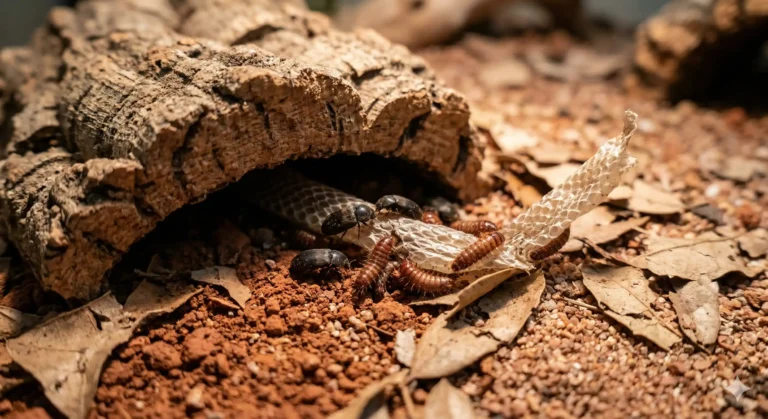
Isopods function as macroscopic detritivores. Equipped with heavy mandibles, they physically masticate and shred bulk high-lignin materials, including decaying wood, large fallen leaves, shed reptile skins, and solid animal feces. This mechanical degradation drastically increases the surface area of the waste, exposing it to microbial action. The isopods subsequently excrete frass, a nutrient-dense organic fertilizer rich in nitrogen, phosphorus, and potassium, which is immediately bioavailable to the terrarium flora. Their fossorial behavior physically churns the substrate layer, constantly aerating the soil profile. For a complete understanding of population management, reviewing a bioactive cleanup crew guide provides deep insight into specific species compatibility and feeding requirements.
Micro-Decomposition (Springtails)
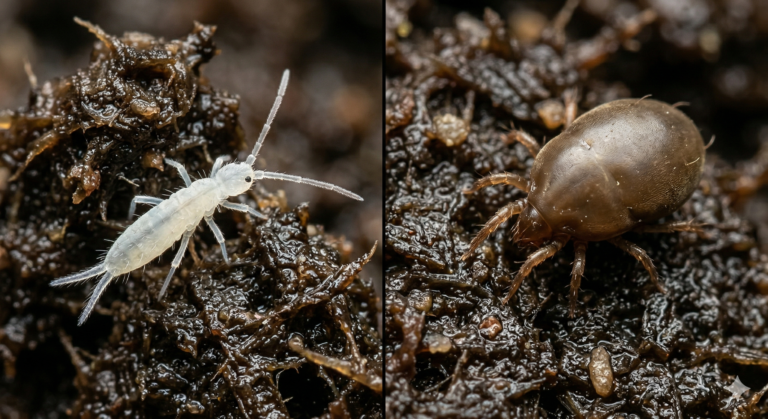
Springtails (order Collembola) operate at the microscopic level as obligate fungivores and microbivores. While isopods process bulk matter, springtails graze continuously on the microscopic hyphae of saprophytic fungi and transient slime molds. They serve as a biological defense mechanism against enclosure putrefaction, actively consuming fungal spores before they can bloom into macroscopic, suffocating mold patches. Different species thrive in distinct conditions; for example, the Temperate White (Folsomia candida) excels in cooler, air-conditioned environments, whereas Pink Springtails (Sinella coeca) are highly resilient to the severe heat spikes common in non-air-conditioned Indian rooms. Providing the best leaf litter for isopods guarantees that both macro and micro-decomposers have an uninterrupted fuel supply.
Constructing the Substrate: Layering Methodology
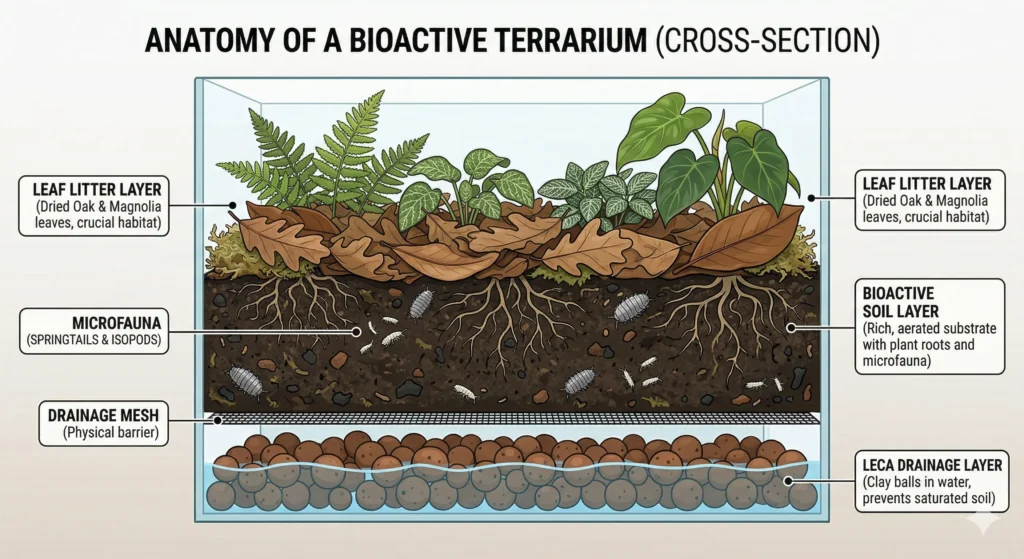
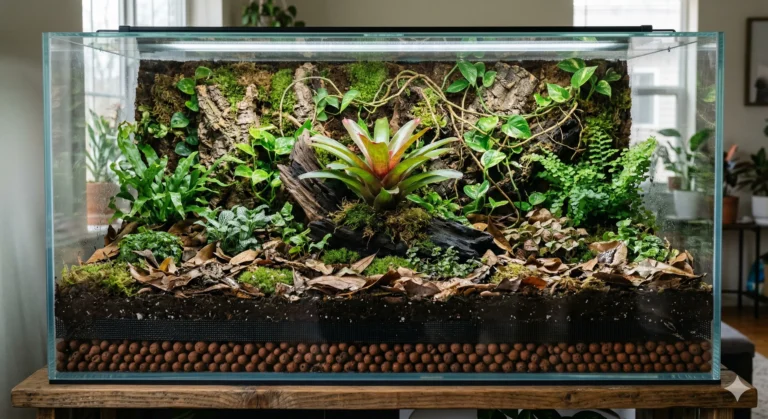
The physical assembly of the bioactive substrate requires a strict layering methodology to prevent systemic failure. The architecture must manage the flow of water and the distribution of oxygen.
- The Aquifer (Drainage Layer): A 1.5 to 2-inch basal layer of expanded clay aggregates (LECA) or porous lava rock is installed at the bottom of the glass enclosure. This layer acts as a subterranean reservoir, capturing excess water from misting systems or simulated monsoon rains, ensuring that the soil above does not sit in stagnant water.
- The Synthetic Mesh Barrier: A permeable fiberglass or synthetic mesh is cut to size and placed directly over the drainage layer. This barrier allows water to percolate downward but physically prevents the fine particles of the organic soil mix from migrating into the aquifer, which would otherwise create an anoxic mud pit.
- The Bioactive Matrix: The thoroughly blended DIY substrate (coco coir, charcoal, orchid bark, and sphagnum moss) is layered over the mesh barrier to a depth of 3 to 6 inches, depending on the root structure of the intended flora and the weight of the animal inhabitants.
- The Detritivore Fuel Layer: A dense, overlapping layer of sterilized leaf litter is distributed across the surface, completely obscuring the soil below. This layer regulates surface evaporation and provides immediate shelter and nutrition for the introduced microfauna.
Managing Substrate Pathologies and Pests
Even properly engineered bioactive setups can experience ecological imbalances, particularly during the establishment phase before the microfauna populations reach critical mass. Recognizing and treating these imbalances naturally is paramount.
Fungus Gnat Infestations
Fungus gnats (Sciaridae) are ubiquitous pests in high-humidity indoor environments. These tiny black flies lay eggs in moist, organic-rich topsoil. The resulting larvae feed aggressively on soil fungi, decaying organic matter, and the delicate root hairs of live terrarium plants. In severe infestations, the larvae will outcompete the beneficial springtail populations for fungal resources.
Chemical pesticides are strictly prohibited in bioactive setups, as they will instantly eradicate the cleanup crew and potentially poison the primary animal inhabitants. Management requires biological intervention:
- Moisture Control: Allowing the uppermost 1-inch layer of the substrate to dry out between misting cycles severely inhibits the survival rate of gnat eggs and larvae, which require constant saturation.
- Bacillus thuringiensis israelensis (BTI): Commonly sold as “mosquito dunks,” this naturally occurring soil bacterium produces proteins that are fatally toxic to the larvae of dipteran insects (gnats and mosquitoes) but completely harmless to isopods, springtails, reptiles, and plants. Soaking BTI in the misting water provides highly effective, targeted larval control.
- Predatory Microfauna: The introduction of predatory soil mites, such as Hypoaspis miles (Stratiolaelaps scimitus), introduces a natural hunter into the ecosystem. These mites actively seek out and consume fungus gnat larvae, thrips, and pathogenic spider mites, naturally balancing the insect population without chemical reliance.
Mold and Fungal Blooms
During the first four to six weeks of a new terrarium build, rapid fungal blooms are entirely normal. The introduction of moisture and light triggers the growth of dormant spores present in the wood, leaf litter, and soil. A common manifestation is white, web-like mycelium spreading across the substrate surface or transient green Trichoderma mold.
Intervention is rarely required if a robust colony of springtails has been established. The springtails will rapidly multiply in response to the abundant food source and consume the mold bloom entirely within a few weeks. However, if thick, suffocating mold persists and physical signs of substrate degradation occur, it indicates a crashed springtail population or severe waterlogging. In such scenarios, practitioners must manually increase physical ventilation, reduce misting frequency, and re-inoculate the soil with fresh laboratory-cultured microfauna.
Table 2 outlines common substrate issues and the appropriate natural remediation strategies.
| Observable Pathology | Likely Cause | Bioactive Remediation Strategy |
| Persistent White Cobweb Mold | Insufficient fungivore pressure; poor airflow | Inoculate with springtails; increase physical ventilation |
| Sulfurous / Rotten Egg Odor | Anaerobic bacteria; waterlogged substrate | Drain the false bottom aquifer; gently churn soil to introduce oxygen |
| Swarms of Tiny Black Flies | Fungus Gnat infestation in moist topsoil | Apply BTI (Mosquito Dunks) water; introduce Hypoaspis miles mites |
| Accumulation of Animal Feces | Depleted isopod population; lack of macro-decomposers | Replenish leaf litter fuel; add fresh isopod cultures |
| Crispy, Yellowing Plant Leaves | Desiccated substrate; humidity too low | Increase misting frequency; add localized patches of damp sphagnum moss |
The longevity of a bioactive matrix relies heavily on patience and precision. When properly engineered, layered, and biologically supported, a custom terrarium soil mix possesses an extraordinary lifespan. The continuous degradation of leaf litter, the cycling of organic waste into frass, and the careful regulation of moisture ensure that the soil chemistry remains stable for years, providing a resilient, self-cleaning paradise for captive flora and fauna.
Frequently Asked Questions
What is the difference between horticultural charcoal and activated charcoal?
Horticultural charcoal is produced via pyrolysis, where organic material is burned in a low-oxygen environment. It maintains structural integrity, improves drainage, and provides massive surface area for beneficial soil bacteria. Activated charcoal undergoes further extreme thermal or chemical processing to create microscopic pores for intense chemical filtration. For terrarium soil applications, standard horticultural charcoal is highly effective, whereas activated charcoal is unnecessarily expensive and designed primarily for liquid or gas purification.
Can coco coir completely replace peat moss in an ABG mix recipe?
Yes, coco coir is the premier sustainable alternative to peat moss. It possesses excellent water-retention capabilities and a robust Cation Exchange Capacity (CEC). Unlike peat moss, which is highly acidic and can become completely hydrophobic (water-repellent) when dried out, coco coir maintains a neutral pH and rehydrates easily, making it far superior for managing volatile moisture cycles.
How deep should a terrarium soil mix be for a bioactive enclosure?
The necessary depth depends entirely on the inhabitants. For general tropical plant growth and microfauna stability, a depth of 3 to 4 inches is standard. However, for heavy-bodied reptiles, such as pythons or monitor lizards, the substrate must be at least 4 to 6 inches deep. This extra depth protects the delicate root systems of the flora, provides a stable temperature gradient, and prevents the animal from physically crushing the drainage mesh and aquifer below.
How to manage terrarium humidity during the Indian monsoon?
During periods of extreme ambient humidity (often exceeding 90%), the primary risk is substrate waterlogging and subsequent anaerobic failure. To mitigate this, misting protocols must be drastically reduced or halted entirely. Ventilation should be maximized by utilizing screen tops or small exhaust fans. Additionally, ensuring that the false bottom (LECA drainage layer) is regularly siphoned prevents stagnant water from wicking back up into the organic soil matrix.