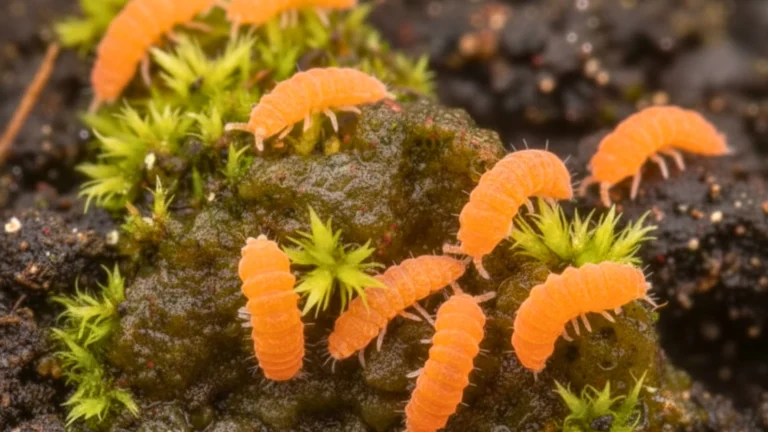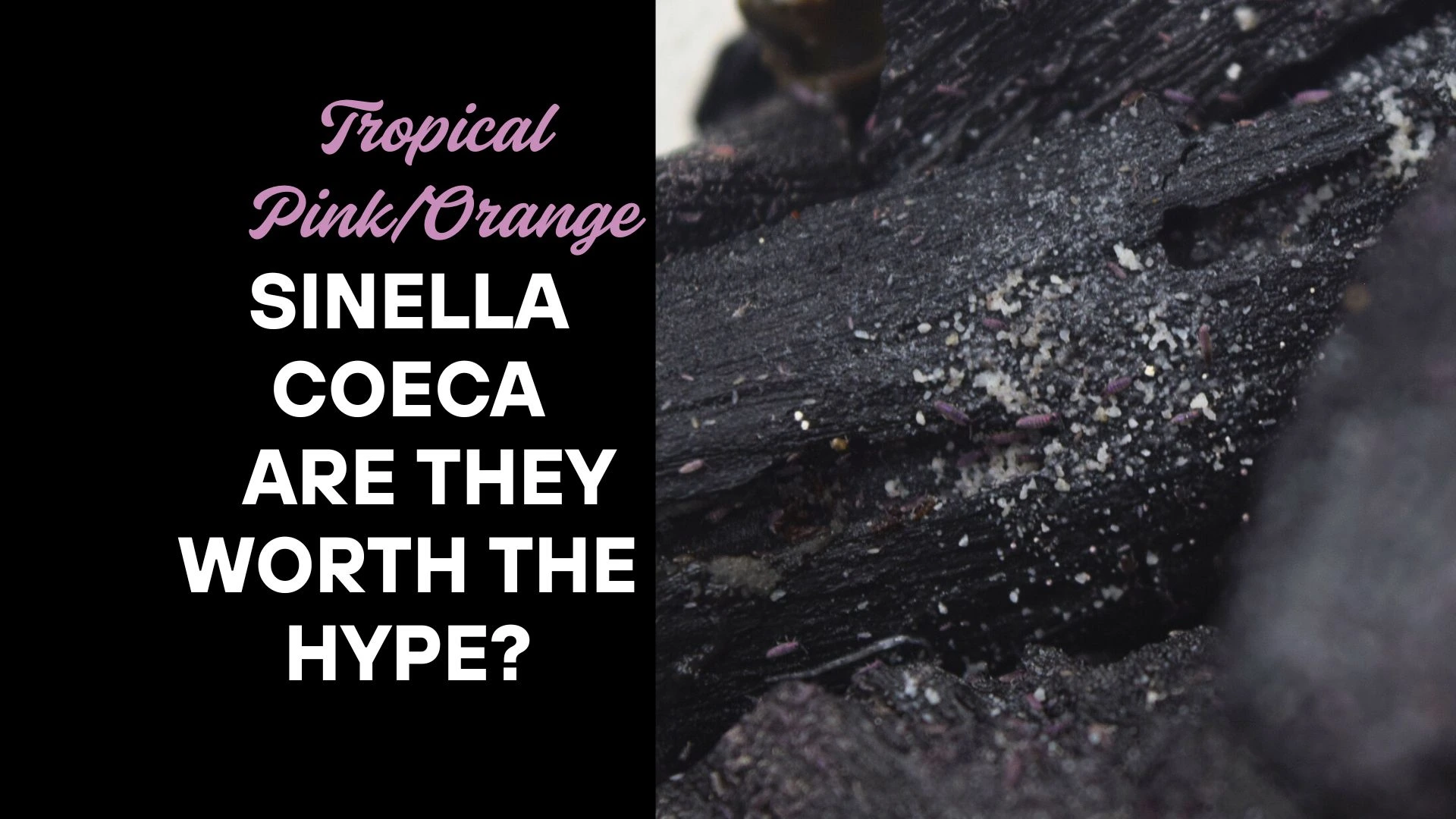
Pink Springtails (often traded as Sinella coeca or Coecobrya tenebricosa) are a tropical species of collembola used in bioactive terrariums. Unlike common white springtails, Pink Springtails are prized for their ability to thrive in temperatures up to 32°C, making them the superior choice for warm climates like India.
If you have ever had a springtail culture “mysteriously” die during an Indian summer, you likely had the wrong species.
The most common springtail in the global hobby is the Temperate White Springtail (Folsomia candida). While excellent for cold climates (Europe/USA), it struggles biologically when temperatures hit 28°C. In Indian cities like Delhi, Mumbai, Hyderabad, and Chennai, where room temperatures regularly cross 30°C, these cultures often crash overnight.
| Feature | White Springtails (Folsomia candida) | Pink Springtails (Sinella/Coecobrya) |
| Best Temperature | 18°C – 24°C | 24°C – 32°C |
| Heat Tolerance | Low (Die above 28°C) | High (Thrive up to 35°C) |
| Humidity Needs | High (Moist soil only) | Moderate (Tolerate drier soil) |
| Best For | Cool/AC Rooms, Paludariums | Indian Homes, Isopod Bins, Reptiles |
| Reproduction | Fast | Very Fast |
1. Scientific Identification: Clearing the Confusion
To be a successful breeder, you must understand what you are working with. There is significant confusion in the hobby regarding the taxonomy of “Pink” springtails.
- Common Trade Name: Sinella coeca “Pink”
- Likely Scientific ID: Coecobrya tenebricosa or Sinella curviseta
- Family: Entomobryidae
The “Pink” vs. “White” Mistake: The true Sinella coeca described in older scientific literature is typically white and blind. The “Pink” variety circulating in the hobby possesses a distinct pinkish-orange hue and, most importantly, tropical genetics.
Regardless of the specific taxonomic label, the key phenotype of our Pink culture is Heat Tolerance. Unlike Folsomia candida, which evolved in cool, deep soil layers, the Entomobryidae family (which includes Pinks) often inhabits leaf litter and surface layers where temperatures fluctuate.
2. Comparison: Pink vs. White Springtails
Why should an Indian hobbyist choose Pinks?
| Feature | Temperate White (Folsomia candida) | Pink Springtails (Sinella/Coecobrya) |
| Optimal Temp | 18°C – 24°C | 24°C – 32°C |
| Heat Tolerance | Low (Die above 28°C) | High (Thrive up to 35°C) |
| Reproduction | Parthenogenetic (Clones) | Sexual Reproduction (Very Fast) |
| Behavior | Slow, Soil-Dwelling | Fast, Active Surface Scavengers |
| Best For | AC Rooms, Paludariums | Indian Homes, Isopod Bins, Reptiles |
The Verdict: If you cannot keep your room below 26°C year-round, buy Pink Springtails. They are the only responsible choice for the Indian climate.
3. How to Culture Pink Springtails (Step-by-Step)
Culturing Pink Springtails is straightforward if you follow the “Tropical Method.”
Step 1: The Container
You do not need expensive equipment.
- Tupperware/Plastic Box: Any air-tight container works.
- Ventilation: This is critical. Pink springtails are active and have higher metabolic rates. You must open the container every 3 days for fresh air, or poke a pinhole in the lid and cover it with medical micropore tape to prevent gnats from entering.
Step 2: The Substrate Strategy
We recommend two methods for India:
Method A: The Calcium-Clay/Charcoal Method (Cleanest)
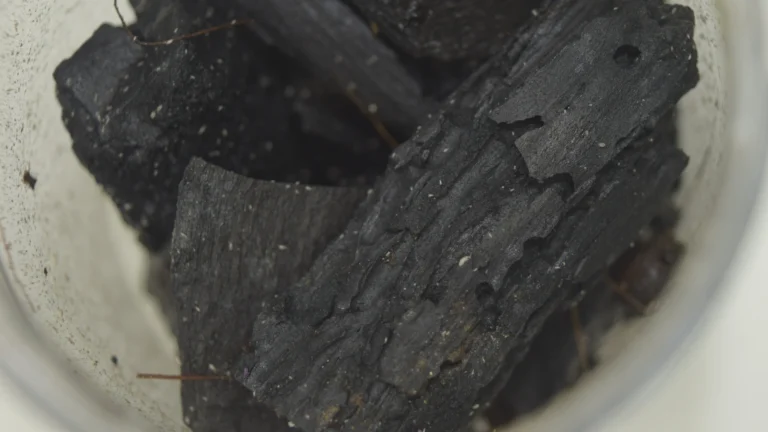
- Use horticultural Charcoal chunks (1-2 inches).
- Fill the container with 1 inch of distilled or RO water.
- Why: The charcoal provides surface area, and the water ensures 100% humidity. This method is almost mite-proof.
Method B: The Tropical Soil Method (Highest Yield)
- Use a mix of sterilized Coco Peat and Sphagnum Moss.
- Keep it moist (like a squeezed-out sponge), but not swampy.
- Why: This mimics their natural forest floor habitat. Populations explode faster on soil, but you must be careful about Grain Mites.
Step 3: Feeding
Pink Springtails have voracious appetites.
Recipe: DIY Springtail Food Recipe for Faster Growth
Primary Food: Active Dry Yeast (Baker’s Yeast). Sprinkle a tiny pinch every 3-4 days.
Supplemental Food: Uncooked rice grains (buried in soil) or Spirulina powder.
Rule of Thumb: Never feed again until the previous food is completely gone. Overfeeding leads to mold blooms and mite infestations.
4. Troubleshooting: Why Cultures Fail
Even with hardy Pink Springtails, issues can arise. Here is how to fix them.
Problem 1: The “Crash” (Disappearing Springtails)
- Cause: CO2 Buildup.
- Explanation: As the colony grows, they produce carbon dioxide. Being heavier than air, CO2 settles at the bottom of the container. If you don’t open the lid often enough, they suffocate.
- Fix: “Burp” your containers daily or install better ventilation.
Problem 2: Slow Reproduction in Winter
- Cause: Temperature Drop.
- Explanation: While they love heat, they slow down significantly below 20°C (North Indian winters).
- Fix: Place the culture on top of a refrigerator (where it’s warm) or use a seedling heat mat.
Problem 3: Soil Mites
- Identification: Tiny, round, slow-moving white dots. They do not jump.
- Fix: Stop feeding immediately. Springtails can survive on the substrate’s biofilm; mites cannot. Starve the mites for 2 weeks.
5. Using Pink Springtails in Bioactive Vivariums
When your Master Culture is booming, it’s time to add them to your tank.
Which animals are they safe for?
Pink Springtails are safe for all bioactive enclosures, including:
- Leopard Geckos: Because Pinks tolerate drier soil, they can survive in the “moist hide” of arid setups.
- Dart Frogs & Tree Frogs: They are excellent feeders for tiny froglets.
- Isopods: They coexist perfectly with Porcellio and Armadillidium species, eating the mold that isopods ignore.
- Read More: The Role of Springtails in Bioactive Integration
How to Seed Your Tank
- Flood: If using charcoal, pour water into the culture.
- Float: Wait for the springtails to float to the surface (they are hydrophobic).
- Pour: Dump the water and springtails directly onto your vivarium moss.
- Quantity: For an 18x18x18 inch tank, seed with one full starter culture.
Frequently Asked Questions
Are Tropical Pink/Orange Sinella Coeca Ethically Sourced and Captive-Bred?
As Aldo Leopold might insist, yes—when suppliers maintain traceable captive colonies. You’ll verify sustainable sourcing via reliable origin data and breeding practices documenting closed lineages of Sinella coeca (Collembola: Entomobryidae) maintained ethically without wild extraction.
What Is Their Average Lifespan in Captive Cultures?
You can expect an average lifespan of 6–12 months in captive cultures for Sinella coeca, per Collembola data. Lifespan varies with temperature, humidity, diet, and density; individuals molt indeterminately and reproduce continuously under ideal conditions.
Do They Pose Allergy or Health Risks to Humans or Pets?
Surprisingly, you’ll face minimal risk—Collembola (Entomobryidae) are non-hematophagous, non-venomous, and show no documented pathogen transmission. Rarely, dust-associated exposure triggers allergic reactions in sensitized people; pet safety remains high, with incidental contact and no toxicosis reported.
How to Distinguish Sinella Coeca From Similar Pink Springtail Species?
You distinguish S. coeca using identifying characteristics: no ocelli, elongate antennae (Ant IV bulb), empodial filament longer than claw, bidentate mucro with basal spine, Abd IV macrochaetotaxy; don’t treat pink/orange color variations as diagnostic features.
What Is the Risk of Hitchhiking Pests or Mites With Purchased Cultures?
Risk is moderate-to-high: commercial cultures frequently harbor Acari (e.g., Tyrophagus, Macrocheles) and nematodes. You’ll need to quarantine, inspect under 40–60× magnification, conduct Berlese extractions, and implement integrated pest management to exclude hitchhiking pests prior introduction.
Conclusion
For the Indian hobbyist, the choice is clear based on science and climate data. If your room temperature stays below 24°C (AC room), you can use White Springtails. For natural Indian weather, Pink Springtails (Sinella/Coecobrya) are the superior option. They are the “4×4 off-roaders” of the springtail world—tough, fast, and heat-resistant.
Ready to start your colony? Click here to order your Live Pink Springtail Culture We offer a Live Arrival Guarantee across India.