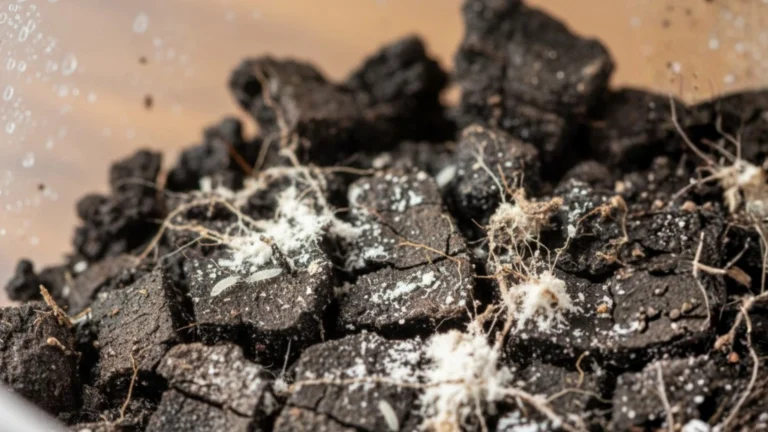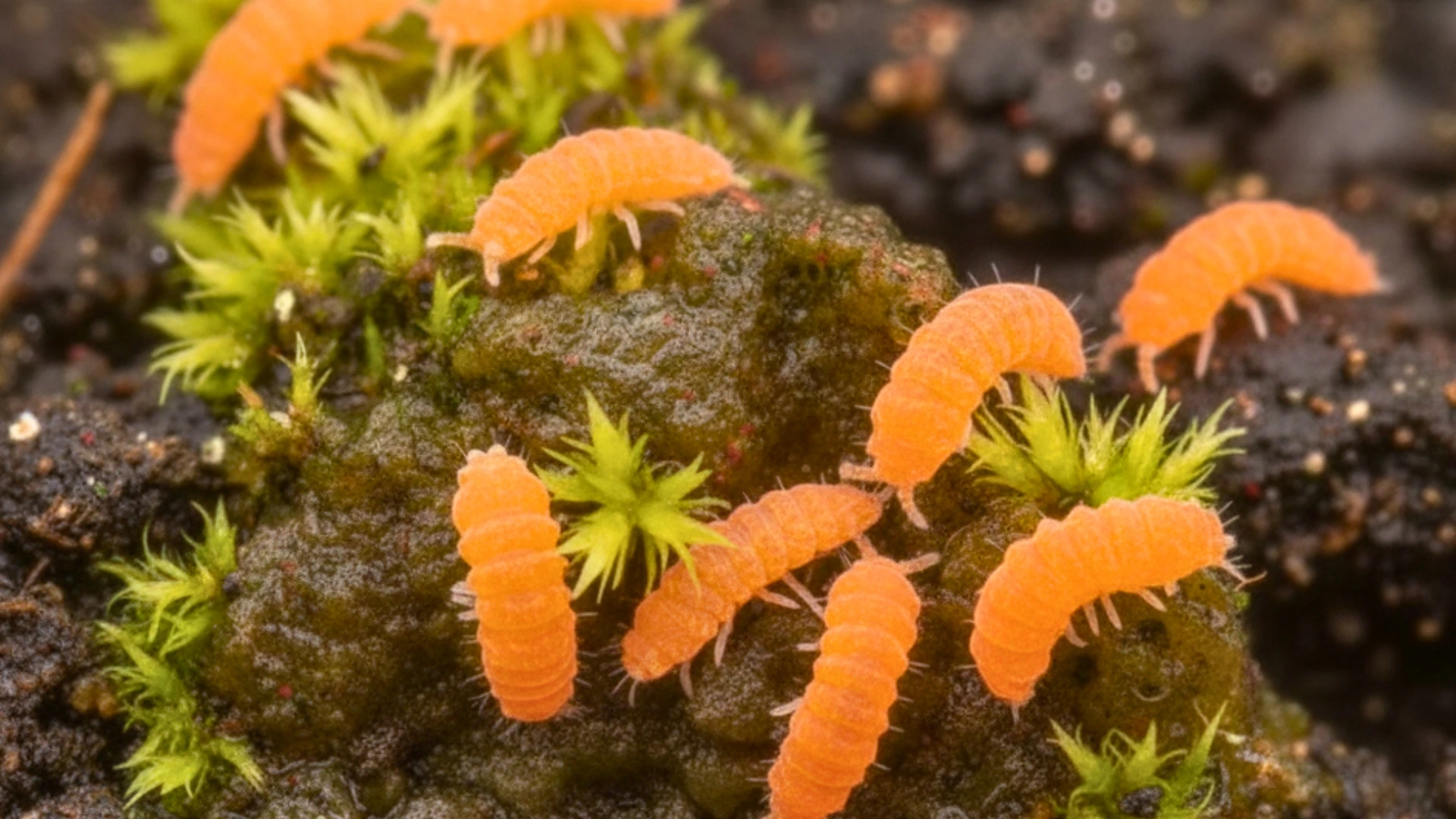
You’re keeping Protanura sp. (orange/red), a euedaphic Neanuridae springtail: robust, crenulate cuticle, dorsal tubercles with macrochaetae, 4-segmented antennae, no ocelli or furcula. Maintain 16–20°C and 90–100% RH in acidic, lignocellulosic leaf-litter/decayed wood with cross-ventilation. Provide biofilms, hyphae, and minimal protein; feed micro-aliquots only when surface hyphae thin. Track cohorts, oviposition, and frass; avoid >24°C, salt buildup, and yeast blooms. You’ll master precise microbe-balanced husbandry here, then apply tighter controls, techniques, and diagnostics as colonies expand.
Key Takeaways
- Compact orange/red Neanuridae springtail: robust body, crenulate cuticle, dorsal tubercles with macrochaetae, 4-segment antennae, no ocelli or furcula.
- Microhabitat specialist requiring cool, saturated leaf litter/decayed wood; maintain 16–20°C, 85–95% RH, high substrate humidity with good cross-ventilation.
- Crawling, non-jumping, strongly negatively phototactic; aggregates under bark via hydrotactic and semiochemical cues.
- Feed biofilms, microfungi, and lignocellulose; tiny rations (1–2% wet substrate), minimize proteins; monitor hyphae, frass, and odors to prevent blooms.
- Advanced care: stabilize 18–20°C for fecundity, avoid >24–26°C, track cohorts and yields, manage moisture/pH, isolate bins to prevent crashes.
Profile and Identification
This neanurid springtail (Collembola: Neanuridae, genus Protanura) presents as a compact, slow-moving, orange to red form best reserved for advanced keepers. You’ll identify it by robust body outline, strong crenulate cuticle, and well-defined dorsal tubercles bearing thickened macrochaetae. Antennae are 4-segmented, with a distinct antennal IV sensorial complex; ocelli and furcula are absent, confirming Neanuridae. The ventral tube is reduced; empodial appendage minute or lacking. For culture triage, you’ll separate stock by color variations (orange, brick-red), class (0.8–1.5 mm), and setal pattern visible under 40–80×. Use a chilled tray, fine paintbrush, and white substrate to assess morphological features without injury. Protanura differs from Friesea by fused cephalic tubercles and chaetotaxy of Abd. IV–V. Document specimens with dorsal photos and note pigmentation stability across molts.
Natural History and Behavior
Microhabitat-specialist Protanura sp. lives euedaphically in cool, saturated leaf litter and friable, decorticated hardwood, moving slowly with strong negative phototaxis and thigmotaxis. You’ll observe reduced furcula and ocelli, so locomotion is crawling, not jumping; they thread interstitial spaces and freeze when disturbed. Behavioral adaptations include microbivorous–mycophagous, rasping biofilms, hyphae, and slime molds. Social structure appears gregarious: individuals aggregate under bark, likely via semiochemicals and hydrotactic cues.
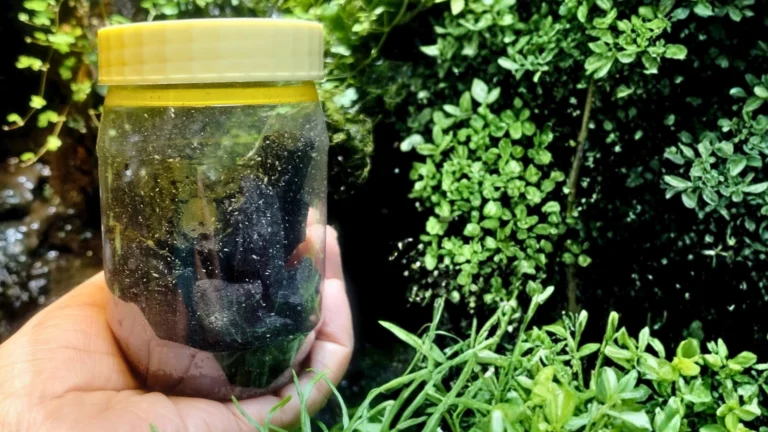
For Indian keepers sourcing starter colonies, Springtails.in provides pest-free assurance and express shipping on live cultures suitable for aquaria and terraria. These tiny, agile creatures play a crucial role in maintaining a balanced ecosystem in both aquaria and terraria. Springtails as terrarium inhabitants contribute to the decomposition of organic matter, helping to keep the environment clean and healthy for other plants and animals. Their ability to thrive in various conditions makes them an excellent choice for both novice and experienced keepers looking to enhance their habitats.
| Behavior | Mechanism | Keeper’s note |
|---|---|---|
| Aggregation | Pheromonal, thigmotactic | Expect clusters; avoid disruptive handling |
| Feeding | Mycophagy on hyphae | Offer diverse fungal sources |
| Locomotion | Furcula reduced | Don’t rely on jumps; gentle transfers |
| Defense | Crypsis, tonic immobility | Limit light and vibration |
Habitat Parameters and Enclosure Design
You’ll establish a stable thermal–hygrometric regime (approx. 16–20°C, 85–95% RH) matching this euedaphic Collembola’s requirements to minimize desiccation and ecdysis stress. You’ll construct an acidic, lignocellulosic substrate—pulverized leaf litter, comminuted rotten wood, fine mineral fraction (clay/silt), and active microflora—kept moist but aerated to prevent anoxic microzones. You’ll engineer cross-ventilation with fine apertures to maintain O2/CO2 exchange and gentle airflow while restricting evaporative loss.
Temperature and Humidity
While sensitive to desiccation, Protanura sp. performs best under cool, saturated-air conditions: target 14–20°C (tolerable 10–22°C; avoid >24°C) with 90–100% RH at the substrate boundary layer. Implement precise temperature regulation using a calibrated probe at the colony plane; you verify gradients with an independent IR thermometer. Diurnal flux should stay <2°C to stabilize molting and reproductive phenology. For humidity management, seal vents to reduce convective loss, employ fine misting to maintain near-saturation without droplets, and monitor RH with a capacitive hygrometer placed at floor level. Ascertain gas exchange via micro-perforation; don’t trap CO2. Provide cool refugia against intermittent heat spikes; chilled water jackets or passive heat sinks buffer thermal excursions. Avoid fans, desiccants, and heat mats; airflow and radiant heating drive lethal water loss.
Substrate Composition
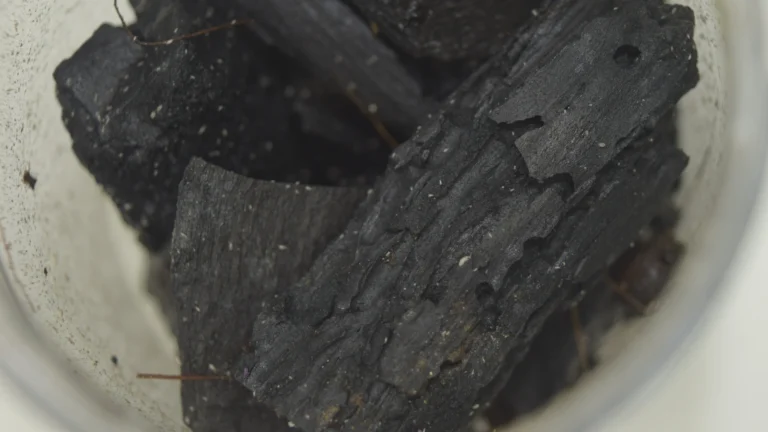
Stable, saturated air at the boundary layer depends on a cohesive, capillary substrate with the right mineral–organic architecture. You’ll build a stratified matrix: mineral base 40–50% (washed sand: 20–30%; fine clay: 10–20%) for capillarity and burrow stability. Add 30–40% organic matter (shredded leaf litter, aged hardwood humus, decomposed bark) to fuel fungal biofilms favored by euedaphic Neanuridae. Incorporate 10–15% porous lithics (pumice, scoria, baked clay) to maintain pore connectivity and prevent anoxic pockets. Blend 5% horticultural charcoal to adsorb metabolites and moderate pH (target 5.5–6.5). Pre-wet to field capacity; the mix should clump without free water. Offer microtopography using cork shards and decayed twigs to promote boundary moisture continuity. Avoid coarse fiber excess; long strands impede tunneling by apterygotes. Rotate substrate types regularly, replacing.
Ventilation and Airflow
Because euedaphic Neanuridae require a saturated boundary layer, design ventilation to maximize gas exchange without advective drying. Use fine-pore lids or membrane vents that diffuse flow, preventing pressure gradients across the microhabitat. Position vents high to exhaust CO2 while preserving capillary humidity near the substrate. Model airflow dynamics simply: small total open area, distributed, yields laminar exchange; large, concentrated ports drive convective loss.
Maintain 95–100% RH at the surface by coupling ventilation design with frequent misting and dense leaf litter. Add a perforated internal baffle above the culture to slow vertical plumes and intercept droplets. Verify function with a hygrometer at substrate level and a CO2 spot-check. If condensation persists, enlarge distributed vent area slightly; if cuticle desiccation appears, reduce cross-sectional venting immediately accordingly.
Feeding Strategy and Microbe Management
You calibrate diet composition for Protanura sp., prioritizing microfungi and decayed lignocellulose while limiting protein to prevent mite blooms. You control feeding frequency by offering micro-rations (brewer’s yeast, powdered leaf litter) only when biofilm thins and frass uptake rises. You maintain biofilm–yeast balance by seeding mixed fungal inocula and avoiding monospecific Saccharomycetales dominance that suppresses beneficial bacteria.
Diet Composition Tuning
While Protanura sp. thrive as fungivorous-detritivores, you should tune diet to favor a fungal-dominant biofilm over protein-rich bacterial blooms. Target diet diversity and nutritional balance by supplying lignocellulosic substrates (Quercus/Fagus leaf litter, decorticated cork, rotten hardwood), plus trace carbohydrate flours as sporulation primers. Seed with saprotrophic fungi (Trichoderma, Penicillium, Mucor) and minimal brewer’s yeast to jumpstart hyphal mats without spiking ammonification. Maintain a high C:N ratio; minimize animal proteins and oily inputs that select for Gammaproteobacteria.
Add microcrystalline cellulose, chitin sources (mushroom stipe, insect exuviae), and laminarins via dried kelp to broaden polysaccharide niches and reduce competitive exclusion. Calcium carbonate dust buffers acids from fungal metabolism; montmorillonite clay offers cation exchange and refuge. Monitor biofilm color and odor; earthy, mycelial notes indicate successional trajectory.
Feeding Frequency Control
To steer microbial succession toward filamentous fungi, calibrate feeding frequency to substrate turnover and colony respiration. For Protanura sp. (Orange/Red), base intervals on observable cues: hyphal rebound on the surface within 24–72 hours, frass accumulation, and CO2 spikes detectable with a mini nondispersive sensor. Feed only when hyphae thin and detritus mass decreases by ~30–40%. Use micro-aliquots; target rations at 1–2% of wet substrate per addition to prevent anaerobiosis. Adjust cadence as population density, instar structure, and temperature shift; higher respiration necessitates shorter cycles. Standardize feeding techniques by distributing particles in a thin, aerated layer to match collembolan grazing rates. This regimen stabilizes springtail nutrition, supports mycophagous behavior, and curbs opportunistic bacteria through managed oxygen flux and consistent removal of uneaten particulates between feedings.
Biofilm and Yeast Balance
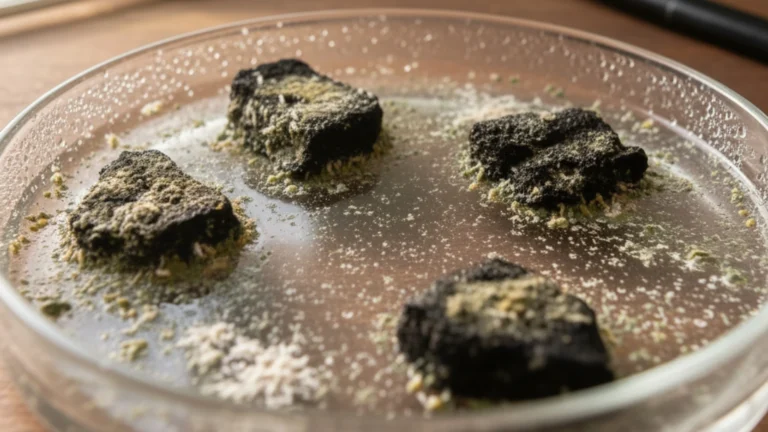
Although Protanura sp. (Orange/Red) graze broadly, ideal performance hinges on a managed biofilm dominated by filamentous fungi with restrained yeast pressure. You should stage biofilm development on inert substrate—calcined clay or pumice—then inoculate with a curated saprotrophic consortium: Trichoderma, Penicillium, and Mucor at low density. Pulse carbohydrate inputs to steer yeast cultivation without bloom: oat flour dusting at 0.1–0.2 g per liter surface weekly, then withhold until hyphal mats reappear. Maintain moisture at field capacity, high aeration, and 20–22°C to favor filamentous taxa over budding yeasts. Rotate carbon sources and add lignocellulose micro-particles to buffer osmotic spikes. Monitor frass strings, cuticle sheen, and dispersal as proxies for intake; if you detect clumping, sour odor, or sheenless cuticles, reset and re-seed. Reduce feed rates gradually.
Breeding Cycles and Population Control
Because Protanura (Neanuridae) mature slowly and oviposit in small clutches, you’ll stabilize breeding by fixing thermal, moisture, and trophic inputs and scheduling harvests. Apply breeding techniques that track cohort age structure: note oviposition, hatch, successive instars, and reproductive onset. Maintain a constant 18–20°C, saturated yet aerated substrate, and a steady microbially active diet to optimize fecundity and recruitment. Manage population dynamics with density-dependent provisioning: modulate feed and surface area to hold carrying capacity, then remove surplus adults at set intervals to prevent senescence-driven die-offs. Stagger cultures to offset asynchronous cycles, and seed new bins with mixed instars to preserve genetic breadth. Standardize photoperiod, avoid resource pulses, and record yields per week so you can model generation time and harvest rates across successive culture generations.
Troubleshooting Crashes and Common Pitfalls
When a Protanura culture crashes, triage quickly by isolating bins, identifying the proximate stressor, and correcting the parameter drift. Verify edaphic moisture with a calibrated hygrometer and handheld scale; oversaturation drives anoxia, while desiccation stalls eclosion. Log temperature; Neanuridae stress above 26°C. Test substrate pH (aim mildly acidic) and rinse salts if TDS creeps up. Reduce feed to prevent yeast blooms; offer smaller, more frequent microdoses.
Perform common pest identification: look for Acarus siro explosions, sciarid larvae, and predatory Stratiolaelaps. Remove vectors, refresh leaf-litter inoculum, and replace compromised cultures. Improve gas exchange by increasing ventilation area, not by stirring strata.
Use troubleshooting equipment: datalogger, IR thermometer, and fine-mesh sieves. Maintain a moisture gradient, stable photoperiod, and clean, lignin-rich substrate to rebound cohorts and stability.
Frequently Asked Questions
Are They Legal to Keep or Ship in My State or Country?
Like threading a needle, legality varies by jurisdiction: you must verify legal regulations and shipping restrictions for Collembola. Consult wildlife, agriculture, and customs authorities; permits may be required. Maintain containment and quarantine to satisfy biosecurity.
How to Humanely Euthanize a Culture if Disposal Is Required?
Use humane methods: pre-chill the Collembola culture at 4°C, deep-freeze at −20°C for 48 hours; alternatively, saturate with CO2 or immerse in 70% ethanol. Prioritize ethical considerations: don’t release, seal substrate, disinfect vessels, follow regulations.
What Quarantine Protocols Prevent Hitchhikers From Entering Main Collections?
You prevent hitchhikers by isolating new cultures, enforcing a 30–45 day quarantine duration, using sterile transfers, applying tiered inspection methods (stereomicroscopy, Berlese extraction), deploying sticky traps, heat-treating substrate, and discarding contaminated broodstock; don’t cross-contaminate tools.
Can Their Pigments Stain Enclosures or Hands During Maintenance?
Yes, minor pigment transfer can occur—because you’d want permanent décor, right? Their carotenoid/pteridine chromophores smear under abrasion. Wear nitrile gloves, use inert enclosures; apply isopropanol or dilute peroxide cleaning techniques; avoid scrubbing and porous substrates.
What Insurance or Liability Concerns Exist for Commercial Protanura Sellers?
You’ll face product-liability exposure from misidentification, contamination, allergenicity, invasiveness, and husbandry misguidance. Secure liability coverage and product recalls; document permits and sterility; issue care sheets; validate escape-proof packaging to prevent DOA, escapes, or substrate-borne pathogens.