
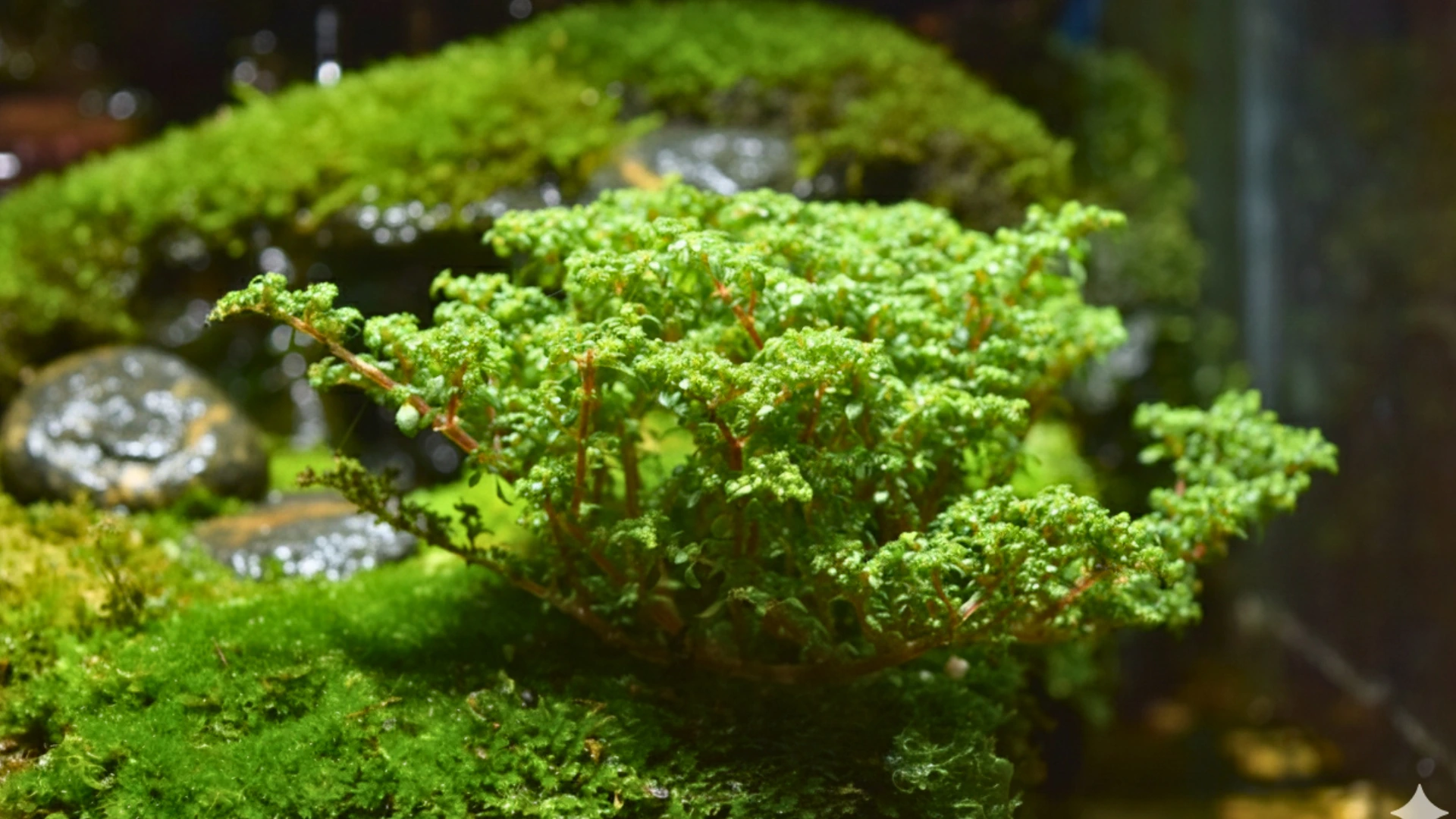
In the world of Indian terrariums and vivariums, Springtails (Collembola) are not just “bugs”—they are the engine that keeps your tank alive.
Without them, your expensive enclosed ecosystem will eventually rot, grow mold, and smell like a swamp. With them, your tank becomes a self-cleaning, bioactive paradise.
This guide covers everything Indian hobbyists need to know about these tiny “Janitors of the Forest,” specifically tailored for our tropical climate.
What are Springtails?
Springtails are microscopic detritivores (waste eaters). In a vivarium, their job is simple but critical:
- Eat Mold: They consume fungal spores before they bloom into large mold patches.
- Recycle Waste: They eat decaying leaves and reptile poop, turning it into plant fertilizer.
- Aerate Soil: They tunnel through the substrate, preventing it from becoming anaerobic (low oxygen).
Don’t have a colony yet?
Buy a Master Culture Here — Pest-free and ready to seed.
The “Indian Climate” Problem
Most care guides on the internet are written for the USA or Europe, where average room temperatures are 20°C. Following this advice in India will kill your culture.
In cities like Delhi, Mumbai, and Chennai, we face two unique challenges:
- Heat Spikes: Temperatures often cross 30°C.
- Extreme Seasons: High humidity in Monsoon vs. extreme dryness in Summer.
Which Species Should You Choose?
We recommend two specific types for Indian keepers. Choosing the right one depends on your room temperature.
1. The Heat-Proof Choice: Pink Springtails (Sinella/Coecobrya)
If you keep your tank at natural room temperature (without AC), this is the only species you should buy.
- Temp Range: 24°C – 32°C
- Best For: Reptile enclosures, Isopod bins, and tropical setups.
- Read the full guide: Pink Springtails: The Heat-Resistant Crew
2. The Cool-Room Choice: Temperate White (Folsomia candida)
If your tank is in an air-conditioned room (always below 25°C), these are efficient cleaners.
- Temp Range: 18°C – 24°C
- Best For: Paludariums and moss walls that need constant moisture.
- Deep Dive: Temperate White Springtails Guide
Wild Caught vs. Lab Cultured: A Warning
You might be tempted to collect springtails from your garden. Do not do this.
The Risk: Wild soil contains:
- Predatory Mites: They will eat your entire springtail colony.
- Nematodes: Parasites that can harm your reptiles.
- Phorid Flies: Annoying pests that infest your home.
The Solution: Always start with a Laboratory Cultured starter. Our cultures are grown on sterile substrates for generations, ensuring you introduce only springtails to your expensive tank.
How to Use Springtails in Your Tank
1. Seeding Density (The Math)
A common question is “How many do I need?”
- Nano Tank (8×8): ½ Culture
- Standard Tank (18×18): 1 Full Culture
- Bioactive Tip: Add them 2 weeks before your reptile to let them establish.
- Learn more: Bioactive Calculation Guide
2. Feeding & Maintenance
In a bioactive tank with a reptile, you rarely need to feed them—they eat the waste.
However, in a Master Culture (breeding box), you must feed them weekly.
- Best Food: Active Baker’s Yeast or uncooked rice.
- Avoid: Fish flakes (they attract mites in Indian humidity).
Frequently Asked Questions (FAQ)
Q: Can they infest my house?
A: No. Springtails breathe through their skin and require 100% humidity. If they escape your tank, they dry out and die within minutes in a normal Indian home.
Q: Do I need Isopods too?
A: Ideally, yes. Springtails handle the “Micro” waste (mold/bacteria), while Isopods handle the “Macro” waste (poop/leaves). They work best as a team.
Comparison: Springtails vs. Isopods
Q: Why did my culture disappear?
A: They likely moved underground to find moisture, or your tank dried out. Perform the “Cucumber Test” (put a slice of cucumber on the soil) to check if they are still active.
Conclusion
Springtails are the unsung heroes of the hobby. Whether you are building a moss wall or a gecko tank, they are your insurance policy against mold.
Ready to build your ecosystem?
Shop Live Springtails (India)
Shipped with Live Arrival Guarantee.