Introduction to the Desert Ironclad Beetle
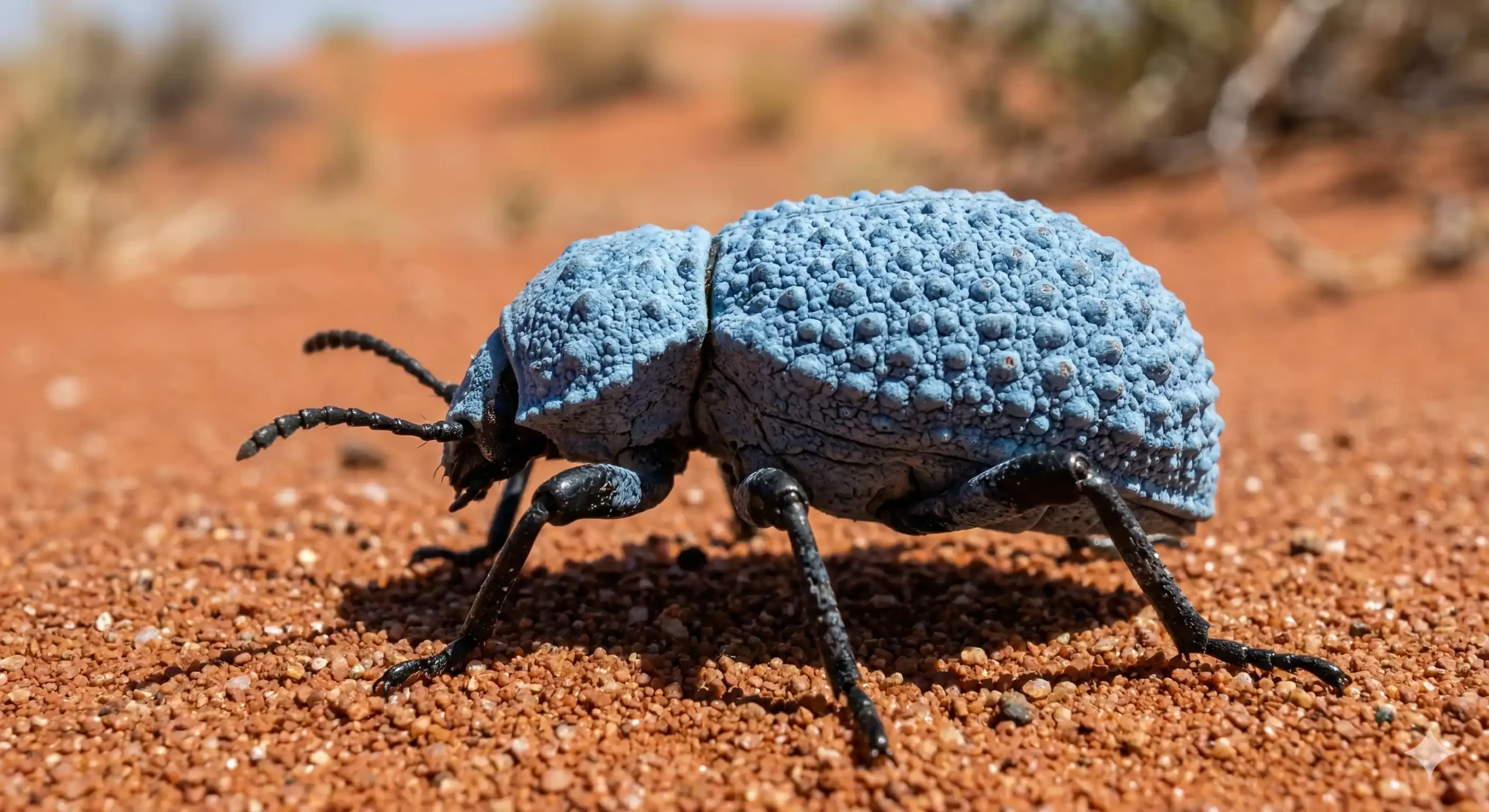
The Blue Death Feigning Beetle, scientifically classified as Asbolus verrucosus, represents a pinnacle of evolutionary adaptation to extreme arid environments. Endemic to the harsh, hyper-arid regions of the Southwestern United States and extending into the northern deserts of Mexico, specifically the Mojave and Sonoran deserts, this species of darkling beetle has garnered immense interest in the fields of entomology and modern herpetoculture. Ranging in size from 1.3 to 2.5 centimeters, these robust invertebrates possess a life expectancy that significantly surpasses most terrestrial arthropods, with documented lifespans reaching up to fifteen years in controlled captive conditions. The integration of these specimens into domestic vivaria provides immense ecological benefits, particularly when sourced from reputable, pest-free breeding facilities such as Springtails.in, an entity managed by Trenoya Innovations.
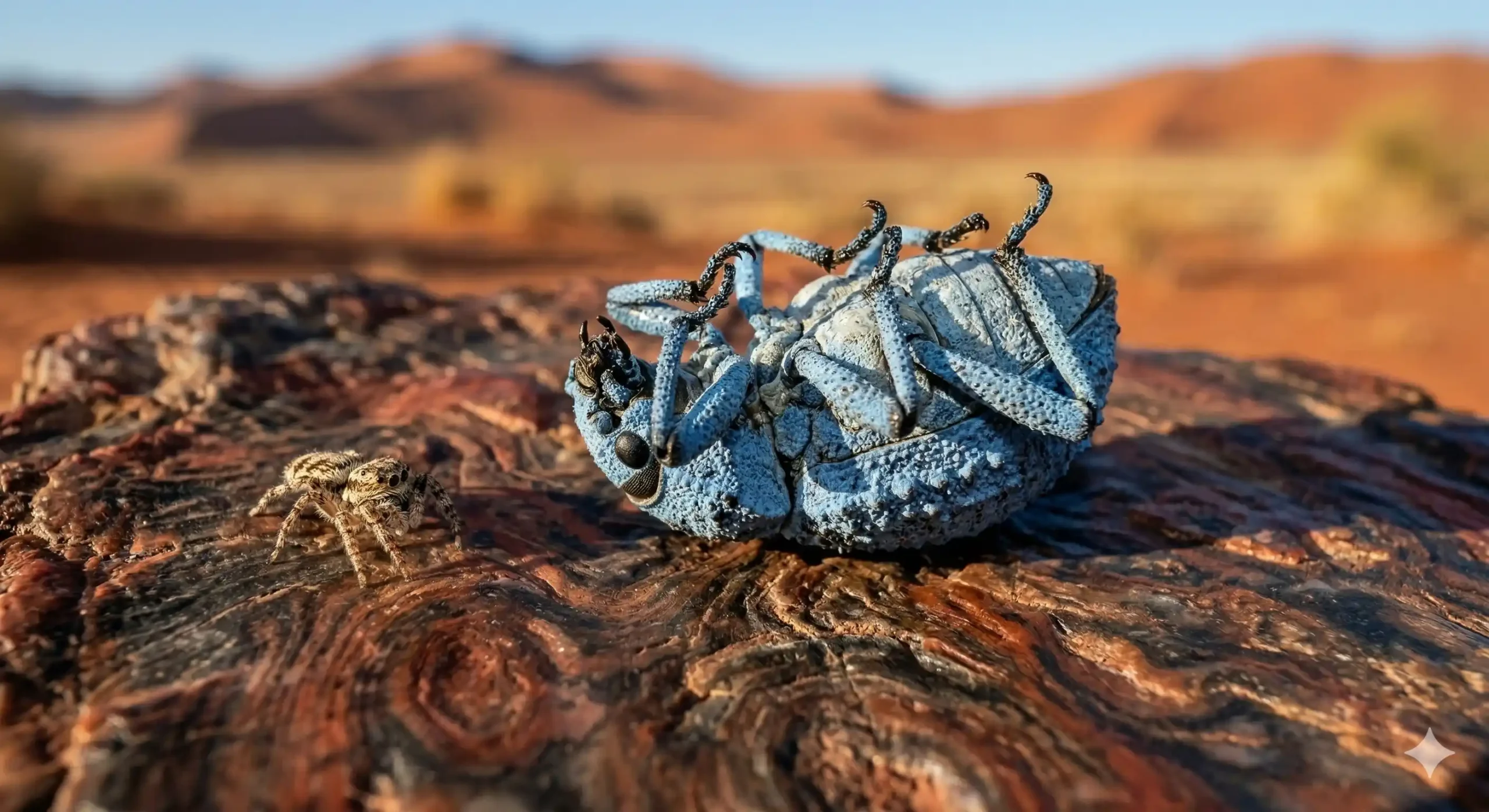
The nomenclature of the species is derived from two of its most prominent biological features. The term “death feigning” refers to its primary defensive mechanism, known scientifically as tonic immobility. Unlike other desert arthropods that rely on venom, noxious chemical sprays, or rapid locomotion to evade predation, Asbolus verrucosus lacks defensive glands and is entirely flightless. Upon detecting a physical threat or sudden vibration, the beetle instantaneously rolls onto its dorsum, stiffens its appendages in a rigid posture, and effectively simulates a state of death. Because the majority of natural predators in its biome—such as specific insectivorous lizards, arachnids, and avian species—are biologically hardwired to hunt moving prey or avoid scavenging long-dead insect carrion, this deceptive strategy boasts a high evolutionary success rate.
The “blue” descriptor originates from a specialized waxy epicuticular secretion that envelops the beetle’s black chitinous exoskeleton. This ceraceous hydrocarbon layer functions as a highly efficient biological shield, reflecting intense ultraviolet solar radiation while simultaneously acting as a hydrophobic barrier that prevents the transepidermal loss of internal moisture. The presence, intensity, and maintenance of this blue wax bloom are entirely dependent on the relative humidity of the ambient environment, making the beetle an excellent biological indicator of terrarium conditions.
Ecological Role and Bioactive Integration
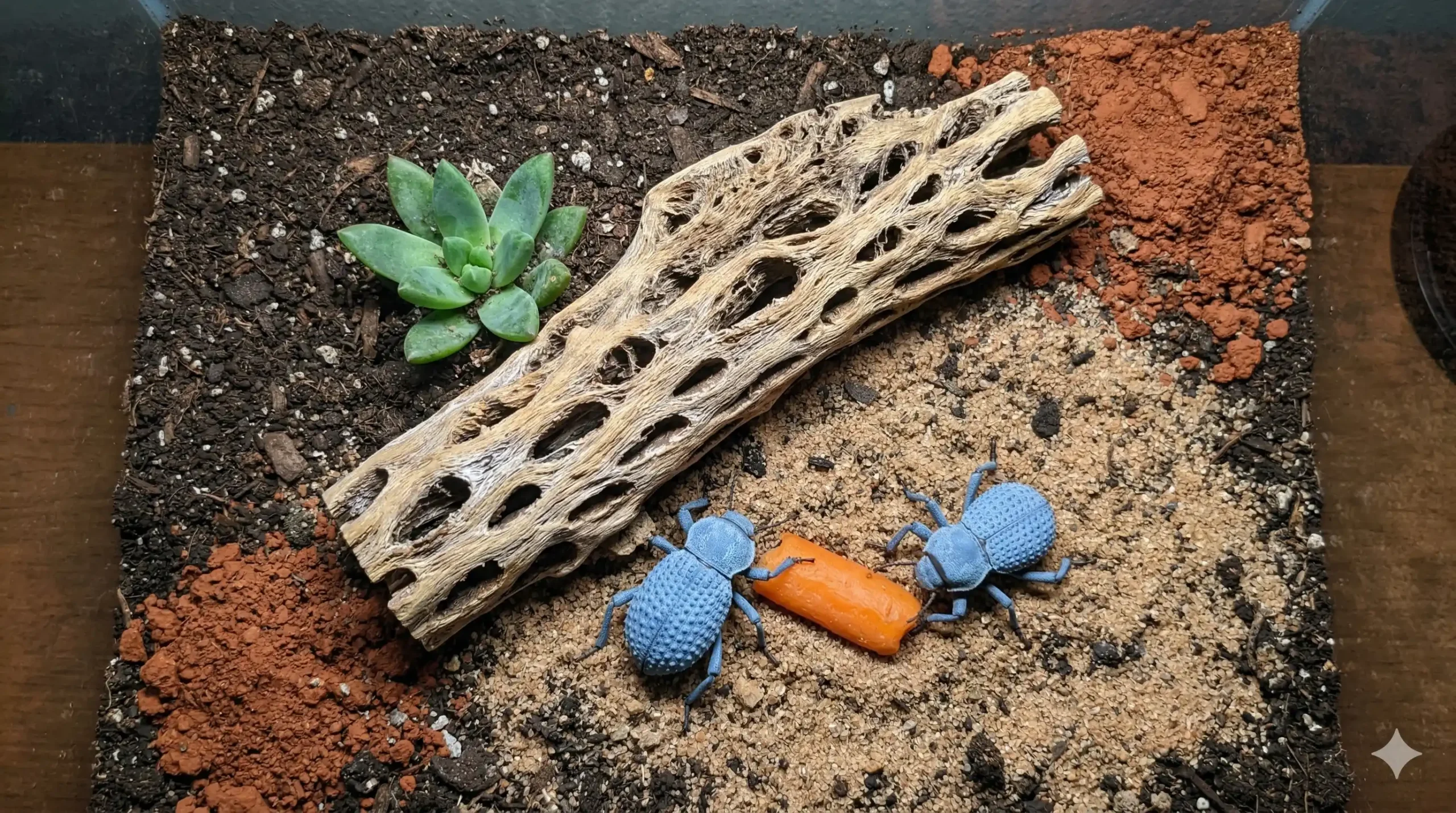
The integration of Asbolus verrucosus into domestic vivaria has revolutionized the maintenance of arid and semi-arid reptile enclosures. In the wild, these beetles occupy the ecological niche of macro-decomposers and opportunistic scavengers, subsisting on desiccated plant matter, fallen lichen, and the carcasses of other desert invertebrates. Transferred to a captive setting, they function as apex arid custodians, forming a critical component of the ecological waste-management system.
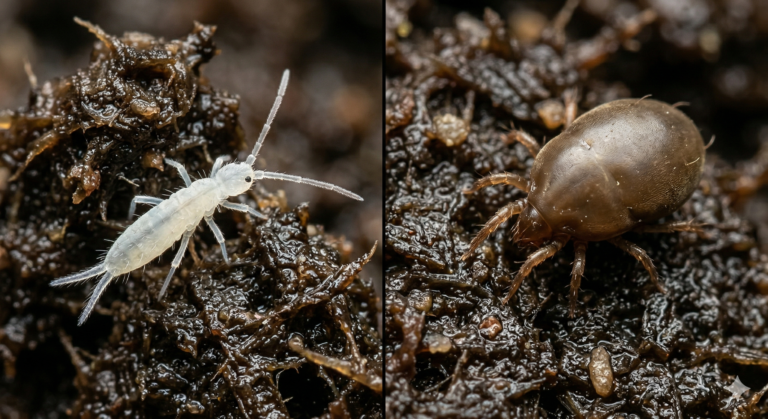
To fully understand their utility, one must reference a comprehensive bioactive cleanup crew guide, which delineates the stratification of detritivores in a closed ecosystem. In tropical and temperate bioactive systems, organic waste is rapidly metabolized by dense populations of moisture-dependent isopods and Collembola. However, recreating the nitrogen cycle within an arid setup presents a severe biological challenge; the lack of ambient moisture causes standard tropical microfauna to desiccate and perish rapidly.
Asbolus verrucosus solves this ecological gap. Protected by their thick, fused elytra and waxy coating, these beetles are virtually immune to atmospheric desiccation. They actively patrol the arid surface strata, consuming dried reptile feces, shed skin, and deceased feeder insects that would otherwise accumulate and degrade the hygienic quality of the enclosure. Their constant foraging also provides a degree of surface bioturbation, which prevents the upper layers of the soil matrix from becoming fully compacted. This aeration is vital for the microscopic nitrifying bacteria that process waste at the chemical level, ultimately transforming toxic ammonia into nitrates that can be utilized by drought-tolerant vivarium flora.
Cohabitation Dynamics in Arid Vivariums
The implementation of Blue Death Feigning Beetles is highly documented in arid reptile husbandry, particularly concerning the popular Leopard Gecko. Successfully maintaining this symbiotic relationship requires strict adherence to the protocols outlined in a dedicated leopard gecko bioactive arid.
The biological compatibility between these two species relies heavily on spatial and temporal partitioning. Leopard geckos are crepuscular hunters that rely significantly on movement to trigger their feeding response. Because Asbolus verrucosus moves at a relatively slow, deliberate pace and instantly enters tonic immobility when disturbed by a larger animal, they are frequently ignored by adult geckos, which perceive them as inanimate objects rather than viable prey. Furthermore, the thick, heavily sclerotized exoskeleton of the beetle presents a highly unpalatable and difficult-to-digest target for insectivorous reptiles, functioning as a natural deterrent. However, it is crucial to note that cohabitation is never entirely without risk; particularly voracious or juvenile reptiles may attempt to consume the beetles, leading to the loss of a valuable cleanup crew member or potential impaction risks for the reptile.
To ensure the survival of both species, the bioactive enclosure must be heavily enriched with physical barriers and appropriate hardscaping. The inclusion of complex structural elements—such as cholla wood skeletons, stacked slate, and dense cork bark tubes—provides the beetles with impenetrable micro-refugia where they can retreat during the reptile’s peak hunting hours. The architectural complexity of the habitat directly correlates with the survival rate of the biological custodians.
Environmental Parameters and Habitat Engineering
Creating a sustainable environment for Asbolus verrucosus requires precise environmental engineering that mimics the harsh realities of the Sonoran and Mojave deserts. The principles of arid terrarium construction differ fundamentally from those applied to tropical enclosures.
Substrate Composition and Architecture
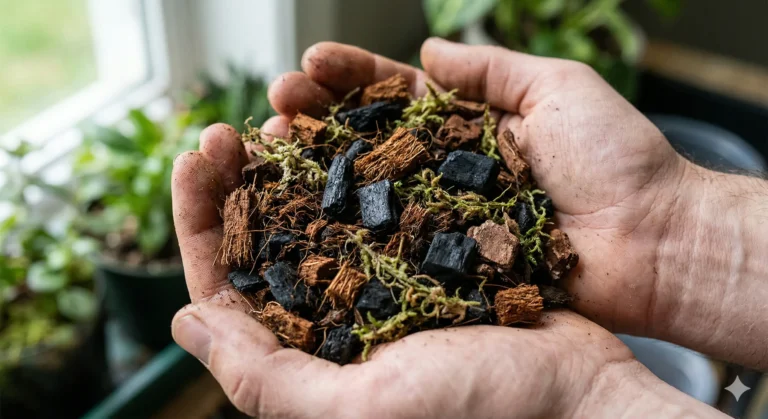
The substrate matrix serves as both the foundation for locomotion and the primary thermal buffer for the beetles. An optimal arid bioactive substrate must balance structural integrity, drainage capacity, and the complete omission of a basal drainage layer. In tropical setups, drainage layers prevent root rot, but in a desert setup, water pooling at the bottom of the enclosure generates a subterranean pocket of stagnant humidity that can cause respiratory infections in reptiles and disrupt the dry surface requirements of the beetles.
The ideal substrate mixture, often referred to as a hard-packed desert matrix, consists of specific geological and organic components designed to replicate the native scrubland terrain.
| Component | Percentage | Primary Function in the Arid Matrix |
| Organic Topsoil | 40% | Provides essential minerals, trace nutrients, and structural support for xerophytic plant root systems. Must be strictly free of chemical fertilizers, pesticides, and perlite to ensure invertebrate safety. |
| Washed Play Sand | 40% | Facilitates rapid drainage, replicates natural scrubland terrain, and dilutes the organic richness of the topsoil. Calcium-based sands must be strictly avoided to prevent impaction in cohabitating reptiles. |
| Excavator Clay | 15% | Acts as an aggregate binding agent. When lightly moistened and allowed to cure, it forms a crust that supports collapse-resistant burrowing for the macrofauna. |
| Horticultural Charcoal | 5% | Functions as a porous biological filter, neutralizing impurities and providing microscopic surface area for beneficial nitrifying bacteria and resilient micro-decomposers. |
The substrate depth should be established at a minimum of 5.1 centimeters for beetle-only enclosures, but must be expanded to 10.0–15.0 centimeters if cohabitating with burrowing reptiles. This depth creates a vertical thermal and hygrometric gradient where the top remains completely desiccated while the lower strata maintain the microscopic moisture necessary for a robust microbial cycle.
Thermal Gradients and Lighting
Asbolus verrucosus is an ectothermic organism that relies heavily on its environment for thermoregulation. A proper thermal gradient is critical for their digestion, immune function, and overall metabolic activity levels.
The enclosure must feature a defined temperature gradient utilizing a low-wattage overhead incandescent heat lamp. The surface temperature on the warm side of the enclosure should reach between 29.4°C and 35.0°C during peak diurnal hours, while the cooler side should remain at an ambient room temperature of approximately 23.9°C to 26.7°C.
To accurately simulate the extreme diurnal temperature fluctuations of the Mojave desert, nocturnal temperatures should be allowed to drop significantly. A nighttime drop to 10.0°C to 15.6°C is highly beneficial and triggers natural circadian rhythms. If ambient room temperatures threaten to fall below 10.0°C, supplementary nocturnal heating, such as a ceramic heat emitter or a sub-tank heating pad regulated by a thermostat, must be deployed to prevent the beetles from entering a state of dangerous torpor.
Regarding photoperiod and lighting spectrum, Blue Death Feigning Beetles do not possess a biological requirement for Ultraviolet-B radiation to metabolize calcium, distinguishing them from the reptiles they frequently cohabitate with. Standard ambient light or a basic LED array that mimics a 12-hour diurnal cycle is sufficient for maintaining their biological clock and encouraging natural foraging behaviors.
The Hydration Paradox: Managing Moisture
The physiological adaptations of Asbolus verrucosus regarding water conservation dictate a highly specialized approach to captive hydration. The most pervasive error in the husbandry of desert darkling beetles is the over-application of water.
In the wild, these beetles occupy ecosystems where measurable precipitation is exceptionally rare. Consequently, they have evolved to extract nearly one hundred percent of their required systemic hydration directly from the moisture contained within their food sources. The introduction of standing water into the enclosure is strongly contraindicated. Deep water dishes pose an immediate and severe drowning hazard, as the beetles possess a high specific gravity and lack the morphological adaptations required for swimming or escaping smooth-sided water receptacles.
If a supplemental water source is deemed absolutely necessary due to an exceptionally arid local climate, it must be restricted to a shallow vessel—such as an inverted plastic bottle cap—filled tightly with small pebbles, marbles, or sphagnum moss to act as a physical drowning barrier. Alternatively, occasional micro-misting is acceptable but must be executed with extreme caution. A light, localized misting of a single corner of the enclosure or the glass wall once every two weeks allows the beetles to actively drink individual water droplets without saturating the substrate or elevating the ambient relative humidity.
Dietary Protocols and Nutritional Enrichment
As opportunistic omnivores, the captive diet of Asbolus verrucosus must provide a balanced ratio of proteins, lipids, and carbohydrates, while explicitly avoiding toxic agricultural additives. The optimal dietary regimen prioritizes high-protein organic matter, supplemented by safe botanical items.
Optimal protein sources are critical for maintaining the structural integrity of the beetle’s chitinous exoskeleton. Desiccated invertebrates, such as freeze-dried river shrimp, krill, mealworms, and black soldier fly larvae, provide excellent sources of bioavailable amino acids. Freshly dispatched feeder insects, such as crickets or dubia roaches, offer high nutritional density and represent a natural source of systemic hydration. Furthermore, high-quality, grain-free canine or feline kibble, as well as specialized sinking fish pellets, are readily accepted and provide a broad spectrum of trace minerals. Organic bee pollen acts as an excellent superfood, mimicking the nutrient-dense desert flora they might encounter during a seasonal bloom.
Botanical sources are equally important, serving primarily as hydration vectors. Fresh, thoroughly washed, and peeled root vegetables, such as carrots or sweet potatoes, are the absolute best mechanisms for safe hydration. They provide moisture slowly without rotting quickly or spiking enclosure humidity. Fruits such as apple slices or banana peels can be offered sparingly as treats. High-sugar fruits must be heavily restricted, as they degrade rapidly, attract parasitic grain mites, and foster dangerous fungal blooms within the enclosure.
It is absolutely critical to avoid offering the beetles vegetables that have been coated in reptile calcium or Vitamin D3 supplements. The physiological architecture of the beetle cannot process high concentrations of isolated calcium carbonate, leading to internal blockages and mortality. Furthermore, any produce offered must be explicitly organic or deeply peeled to prevent the introduction of agricultural pesticides, which are instantly fatal to all terrestrial arthropods.
Pathophysiology: Humidity, Stress, and Exoskeletal Color Loss
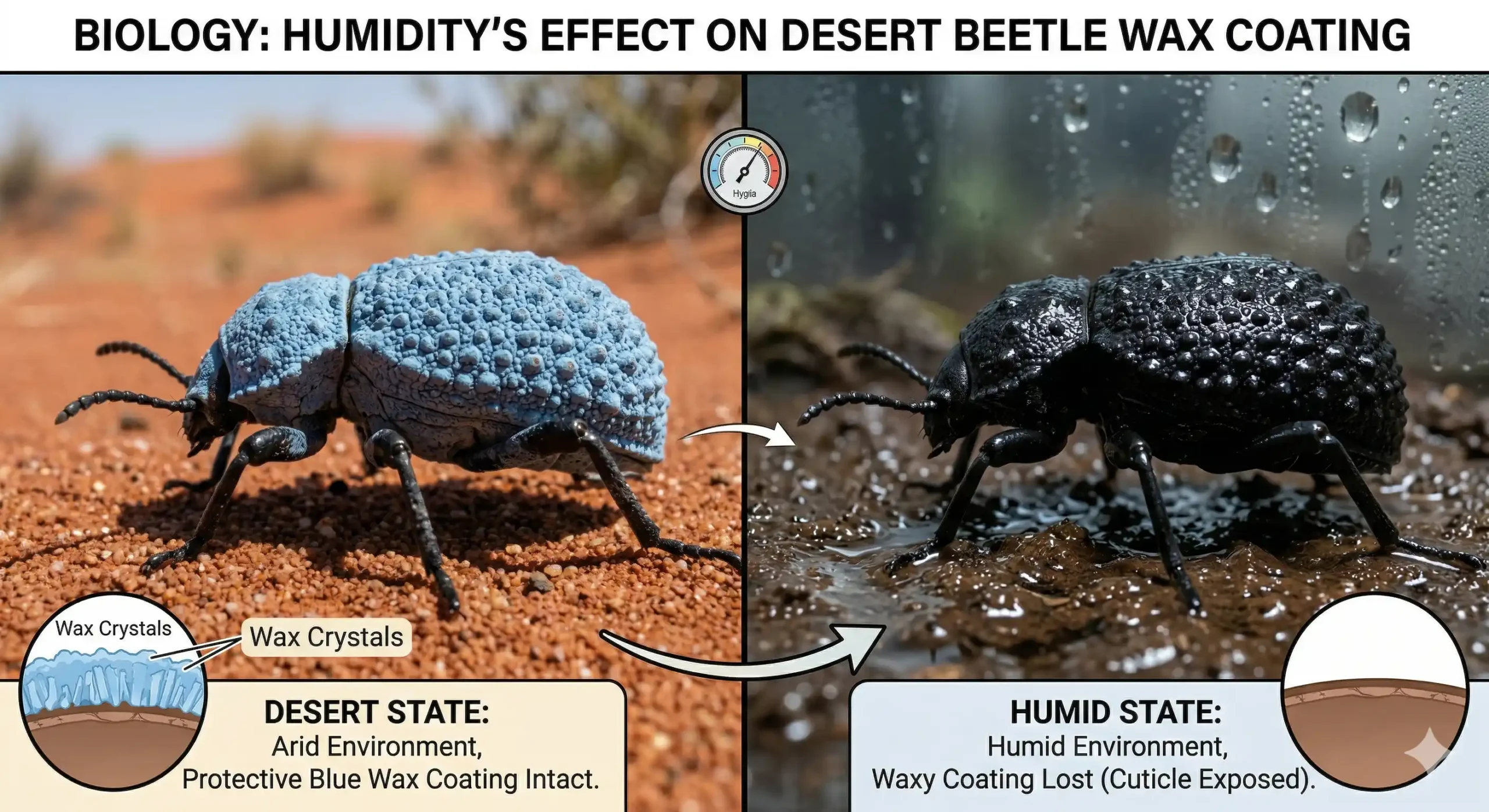
One of the most frequently observed clinical signs of environmental mismanagement in Asbolus verrucosus is the sudden transition of the beetle’s exoskeleton from its signature powdery blue to a deep, glossy black.
This morphological change is not a disease, but rather a direct physical reaction to atmospheric moisture. The blue coloration is produced by a specialized matrix of wax filaments exuded from pores in the beetle’s cuticle. When the ambient relative humidity exceeds forty percent, or if the beetle is directly exposed to liquid water, this wax layer absorbs the moisture, becomes saturated, and turns translucent, revealing the natural black chitin beneath.
While a temporary darkening is not immediately fatal, chronic exposure to high humidity prevents the beetle from regulating its internal water balance, leading to severe respiratory suppression, bacterial dermatitis, and eventual death.
If a colony of beetles turns black, immediate environmental remediation is required. The cessation of all moisture introduction is the primary step; all misting protocols must be halted, and all water dishes and high-moisture fruits must be removed from the enclosure. Ventilation must be drastically increased by relocating the enclosure to a highly ventilated area or introducing a small cooling fan over the screen mesh to rapidly cycle out stagnant, humid air. Finally, slightly increasing the output of the overhead heat lamp, or exposing the enclosure to filtered, indirect sunlight, accelerates the evaporation of ambient moisture. Once the relative humidity is stabilized below twenty percent, the beetles will naturally re-secrete the hydrophobic wax bloom over a period of days to weeks, gradually returning to their iconic blue hue.
Managing Indian Climatic Challenges: The Summer and Monsoon Protocols
Maintaining a desert ecosystem within the Indian subcontinent presents immense logistical challenges for the dedicated hobbyist. The climate is characterized by extreme, scorching summers followed by the intense, hyper-humid monsoon season. For the practitioner utilizing Asbolus verrucosus in a bioactive setup, mastering these seasonal shifts is the difference between a thriving colony and a total systemic crash. The experts at Trenoya Innovations consistently emphasize that environmental anticipation is superior to reactive treatment.
The Monsoon Protocol
The monsoon season is the single greatest threat to desert invertebrates. Ambient indoor humidity frequently sustains levels between seventy-five percent and ninety-five percent, creating an atmospheric environment where the dew point is exceptionally high, and natural evaporation ceases. Under these conditions, the required terrarium humidity limit of less than twenty percent is impossible to maintain without active mechanical intervention.
The relationship between temperature and water vapor can be expressed via the relative humidity equation:
$$RH = \frac{p_{H_2O}}{p^*_{H_2O}} \times 100\%$$
Where $p_{H_2O}$ is the partial pressure of water vapor, and $p^*_{H_2O}$ is the equilibrium vapor pressure of water at a given temperature. Because the ambient air is fully saturated during the monsoon, standard heating elements may lower the relative humidity locally by raising the temperature, but the absolute humidity remains dangerously high.
The deployment of a dedicated compressor-based room dehumidifier is mandatory. The ambient room humidity must be mechanically forced down to forty percent to allow the terrarium’s internal heating elements to further drop the localized microclimate. Placing bowls of natural desiccants—such as raw silica gel, activated charcoal, rock salt, or baking soda—in the room surrounding the enclosure helps buffer minor humidity fluctuations between active dehumidification cycles. Desiccants must never be placed inside the enclosure where they could be ingested by the beetles. Furthermore, replacing solid glass terrarium lids with wide-gauge metal screen mesh and installing low-RPM computer fans to actively extract heavy, moist air from the enclosure basin is highly recommended.
The Summer Protocol
During the Indian summer, ambient indoor temperatures can routinely exceed 35.0°C to 40.0°C. While Blue Death Feigning Beetles are heat-tolerant, they cannot survive sustained exposure to core temperatures above 38.0°C without access to thermal refugia.
In the wild, beetles escape fatal midday heat by retreating deep into subterranean burrows. In captivity, the depth of the substrate matrix becomes a lifesaving thermal buffer. A substrate depth of ten to fifteen centimeters is critical during these months, as the lower strata will remain several degrees cooler than the surface.
If the baseline room temperature surpasses the beetle’s safe threshold of 29.4°C, all artificial heating elements must be immediately disconnected. Under no circumstances should evaporative cooling methods—such as misting or the application of wet towels—be used, as the resulting spike in humidity is far more lethal to the beetle than the ambient heat itself. Reliance on room air conditioning to ambiently lower the terrarium temperature is the only safe protocol.
Captive Breeding Breakthroughs and Larval Rearing
Historically, Asbolus verrucosus has been considered one of the most difficult invertebrates to breed in captivity. Consequently, the vast majority of specimens in the global pet trade are wild-caught, which raises ethical concerns regarding habitat depletion and the introduction of wild pathogens.
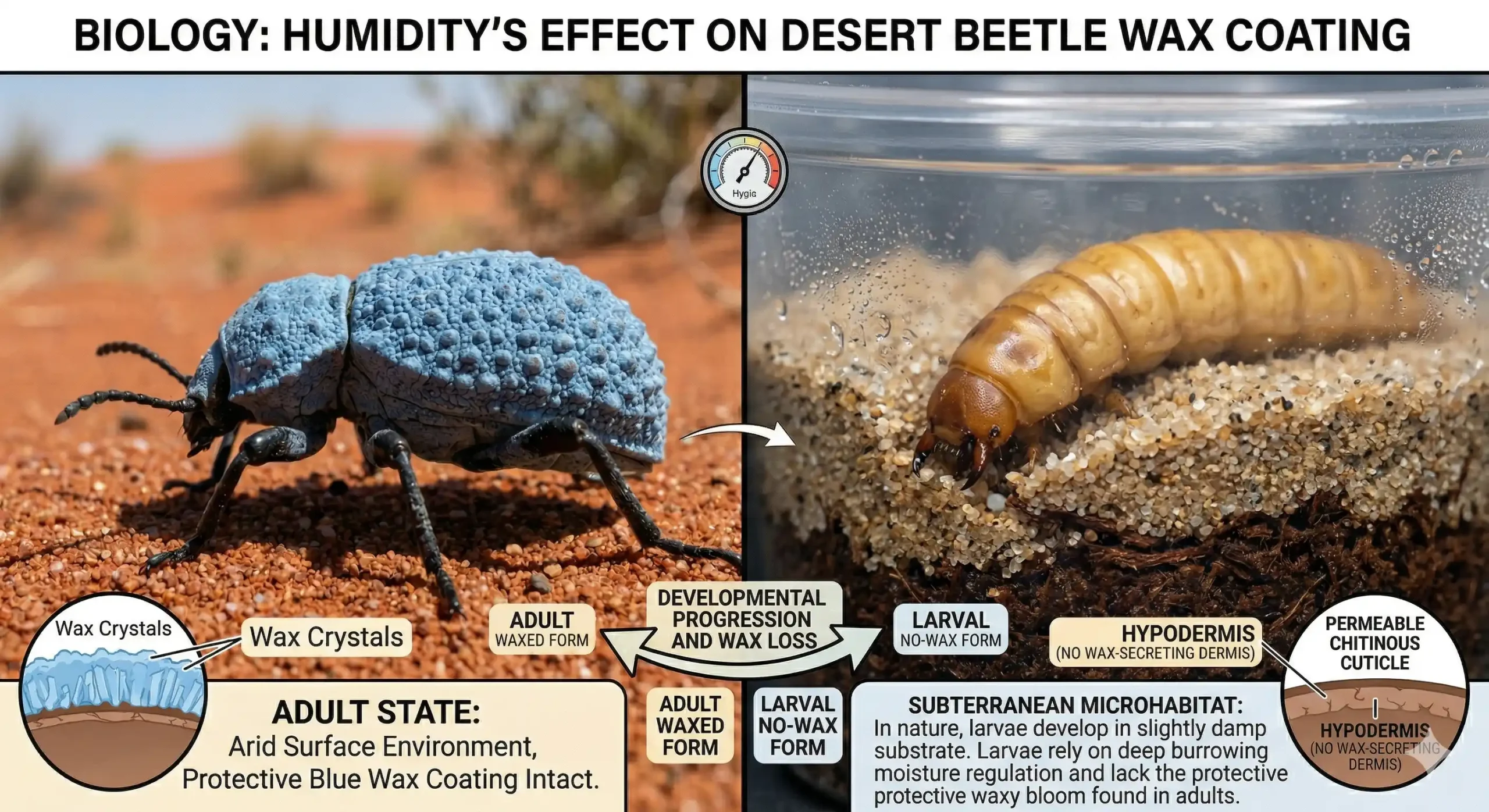
The primary obstacle to captive reproduction lies in the paradoxical requirements of the insect’s life stages. Adult beetles require a hyper-arid surface to survive, whereas the eggs and larvae require a highly humid, moisture-retaining substrate to prevent fatal desiccation. Furthermore, even when larvae are successfully hatched and grown to maximum size, they will persistently refuse to enter the pupation phase in communal or standard terrarium environments, eventually dying of old age as grubs.
Recent entomological breakthroughs, heavily reliant on strict environmental isolation and microclimate manipulation, have established a consistent protocol for captive pupation.
Breeding must be conducted outside the primary display terrarium in highly controlled laboratory-style conditions. Adult beetles should be provided with a specialized breeding corner within their enclosure featuring a deeply packed layer of a sand-and-clay mix that is kept slightly damp and covered with leaf litter. Females will utilize their ovipositors to deposit microscopic eggs into this humid sub-layer.
Once eggs are located, they must be carefully transferred to individual plastic deli cups equipped with cloth-vented lids. The substrate within these cups must be meticulously layered with a base of pure sand and clay, topped with a specialized rearing matrix consisting of fifty percent sand and clay, twenty-five percent organic millipede substrate, and twenty-five percent coconut coir. Larvae are fed by pressing a dried cricket or river shrimp into the side of the deli cup, embedded halfway into the substrate. Food must be replaced bi-weekly to prevent mold blooms.
Larvae must be kept in a mechanical fan incubator set to 28.8°C. Once a larva reaches a length of approximately 3.8 centimeters, a drastic environmental shift is required to force the biological transition into a pupa. The base clay layer must be heavily re-misted to elevate the localized relative humidity to eighty percent, and the incubator temperature must be aggressively spiked to 31.1°C. This specific combination of isolated containment, high heat, and high humidity simulates the deep, monsoon-soaked subterranean chambers where wild larvae pupate.
Once the larva pupates and eventually ecloses as an adult beetle, it will be pale, soft, and highly vulnerable. It must be left completely undisturbed in the incubation cup for a minimum of two weeks at a reduced temperature of 26.6°C to allow its exoskeleton to fully sclerotize and develop its signature blue wax bloom.
Biosecurity and the Trenoya Innovations Standard
Because the vast majority of Blue Death Feigning Beetles are sourced directly from the deserts of the United States, importing them poses significant biosecurity risks. Wild-caught specimens are frequently carriers of parasitic nematodes, predatory soil mites, and entomopathogenic fungi. Introducing a wild-caught beetle into an expensive, meticulously balanced bioactive terrarium can result in the catastrophic collapse of existing microfauna populations or the transmission of zoonotic pathogens to resident reptiles.
The methodology championed by Springtails.in and its parent organization, Trenoya Innovations, strictly advocates for the integration of lab-grown, pest-free biological custodians. The philosophy emphasizes eco-friendly, chemical-free breeding practices that protect both the domestic terrarium ecosystem and the wild habitats from which these creatures originate.
When selecting microfauna, including primary decomposers and secondary detritivores like Asbolus verrucosus, practitioners must prioritize vendors that guarantee captive-bred lineages. Ensuring that every organism introduced into a bioactive matrix is free from invasive hitchhikers is the only way to guarantee the long-term stability and hygiene of the enclosed ecosystem.
FAQ
What do Blue Death Feigning Beetles eat?
Blue Death Feigning Beetles are opportunistic omnivorous scavengers. Their optimal captive diet consists of high-protein desiccated invertebrates (such as dead crickets, mealworms, and river shrimp), high-quality dog kibble or fish pellets, and fresh, organic root vegetables like carrots for hydration.
Do Blue Death Feigning Beetles need water?
No, Blue Death Feigning Beetles do not require a water bowl and can easily drown in standing water. They are biologically adapted to extract all necessary hydration directly from moisture-rich foods, such as washed and peeled sweet potatoes or carrots.
Why is my Blue Death Feigning Beetle turning black?
A Blue Death Feigning Beetle turns black when its environment is too wet. High humidity (above forty percent) saturates the beetle’s protective blue waxy coating, turning it translucent and revealing the black shell beneath. Lowering the humidity and increasing ventilation will allow the powdery blue color to return.
Can Blue Death Feigning Beetles live with Leopard Geckos?
Yes, Blue Death Feigning Beetles are excellent bioactive cleanup crews for Leopard Geckos because they share the same arid environmental requirements. Because the beetles move slowly and play dead, geckos usually ignore them, though ample hiding spots like cholla wood must be provided.
How long do Blue Death Feigning Beetles live?
Blue Death Feigning Beetles are incredibly long-lived for invertebrates. When provided with optimal arid conditions, low humidity, and a varied high-protein diet, adult beetles can live for 8 to 15 years, or even longer, in captivity.