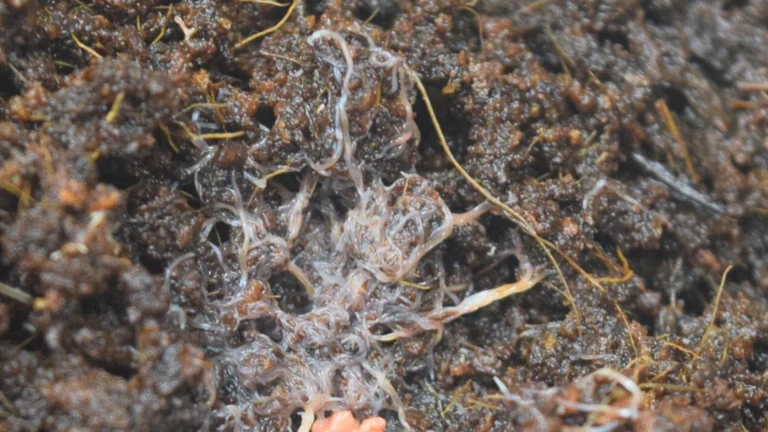
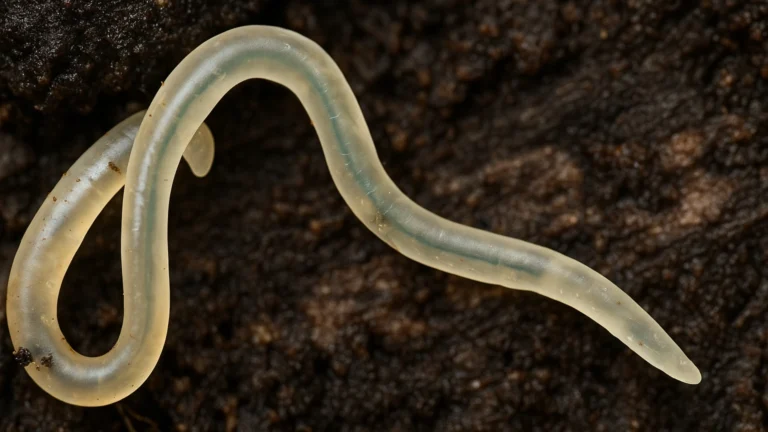
The success of your Grindal Worm (Enchytraeus buchholzi) culture is 90% determined by the substrate. If the substrate is too acidic, they stop breeding. If it is too wet, they drown.
In the Indian hobby, there are three main methods for keeping Grindal Worms: Soil, Coco Peat, and Synthetic Scrubbers. Which one yields the highest production?
Quick Comparison: Best Substrate for Grindal Worms
| Substrate | Yield (Production) | Maintenance Effort | Smell Risk | Best For |
|---|---|---|---|---|
| Potting Soil Mix | Very High | High (Pests/Mold) | Moderate | Commercial Breeding |
| Coco Peat (Coir) | High | Moderate | Moderate | Indian Climate (Best) |
| Synthetic Scrubber | Low | Very Low | Low | Cleanliness/Hobbyist |
| Sponges | Very Low | High (Crashes) | High | Not Recommended |
Just starting out?
We recommend the Soil/Peat Method for maximum yield.
Buy a Pre-Mixed Soil Starter Culture — PH-balanced for immediate production.
1. The Coco Peat Method (The Indian Standard)
In India, Coco Peat (Coir) is the most popular substrate because it holds moisture exceptionally well during hot summers (30°C+).
- The Science: Coco peat is naturally acidic (pH 5.5–6.0). Grindal worms prefer a neutral pH (6.8–7.2). If the pH drops below 5.0, the worms suffer from acidosis (skin burns) and stop reproducing.
- The Fix: You must boil the coco peat block before use to leach out tannins. Adding a pinch of Calcium Carbonate (Garden Lime/Chuna) neutralizes the acidity.
- Pros: Excellent water retention. Cheap. Widely available in nurseries.
- Cons: Requires pH buffering. Can attract Grain Mites.
2. The Potting Soil Method (The Professional Choice)
This is how biological supply houses produce worms. It mimics the worm’s natural environment in the leaf litter layer.
- Recipe: 50% Organic Potting Soil (No chemical fertilizers!) + 50% Coco Peat.
- The Benefit: Soil contains natural bacteria that break down worm waste (ammonia). This “Bio-filter” effect prevents the culture from crashing as quickly as synthetic methods.
- Pros: Massive population density. Worms can burrow deep to regulate their temperature.
- Cons: Harvesting is messy. Dirt gets into the fish tank.
3. The Scrubber/Synthetic Method (The “Clean” Way)
Popularized by hobbyists who dislike dirt. You use plastic pot scrubbers or scourer pads stacked in a container.
- Setup: Stack 3–4 moist scourer pads. Place food on top.
- The Problem: There is no “buffer.” The water turns acidic quickly from worm urine (ammonia).
- Maintenance: You must rinse the pads weekly with dechlorinated water to flush out the toxins. If you forget, the colony dies overnight.
- Verdict: Good for small harvests, bad for mass production.
The Science of “Culture Crashes”
Why do healthy cultures suddenly die? The answer is usually Anaerobic Bacteria.
- Over-watering: If you saturate the substrate, oxygen cannot penetrate.
- The Smell: Anaerobic bacteria thrive in oxygen-free zones. They produce Hydrogen Sulfide (Rotten Egg smell), which is toxic to worms.
- The “Squeeze Test”:
- Take a handful of substrate. Squeeze it hard.
- Correct: 1–2 drops of water drip out.
- Too Wet: A stream of water runs out. (Risk of crash!)
- Too Dry: No water, crumbly. (Worms will descicate).
Frequently Asked Questions (FAQ)
Can I use garden soil?
No. Garden soil contains wild nematodes, predatory mites, and centipede eggs. Using it will introduce pests that eat your Grindal Worms. Always use sterilized Potting Soil or Coco Peat brick.
How deep should the substrate be?
For maximum production, aim for 3–4 inches of substrate. This allows worms to migrate vertically. If the surface dries out, they move down. If the bottom gets anaerobic, they move up. Shallow containers (1 inch) are prone to drying out.
Why are my worms climbing the walls?
This is a distress signal.
Oxygen Deprivation: The substrate is too wet or CO2 levels are too high.
pH Crash: The soil has become too acidic from accumulated waste.
Fix: Harvest the climbers immediately and start a new culture with fresh substrate.
Conclusion
For the Indian fish keeper, the winner is clear.
- For High Yields: Use Boiled Coco Peat + Soil Mix.
- For Cleanliness: Use Scrubbers, but be diligent with cleaning.
Don’t want to mix your own?
Order our Pre-Mixed Grindal Worm Culture
We use a lab-tested Soil/Peat blend optimized for Indian humidity.
ulture density monthly. Evidence suggests combining substrates enhances both yield and sustainability.