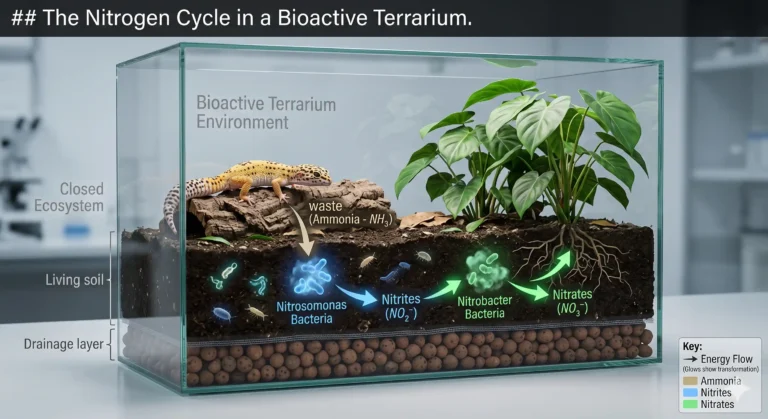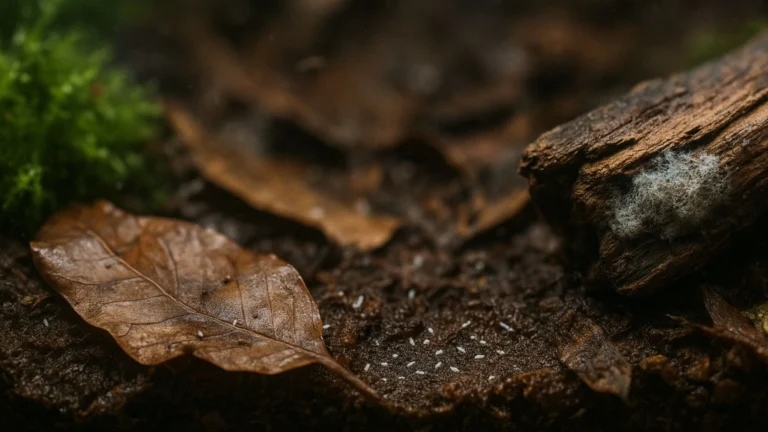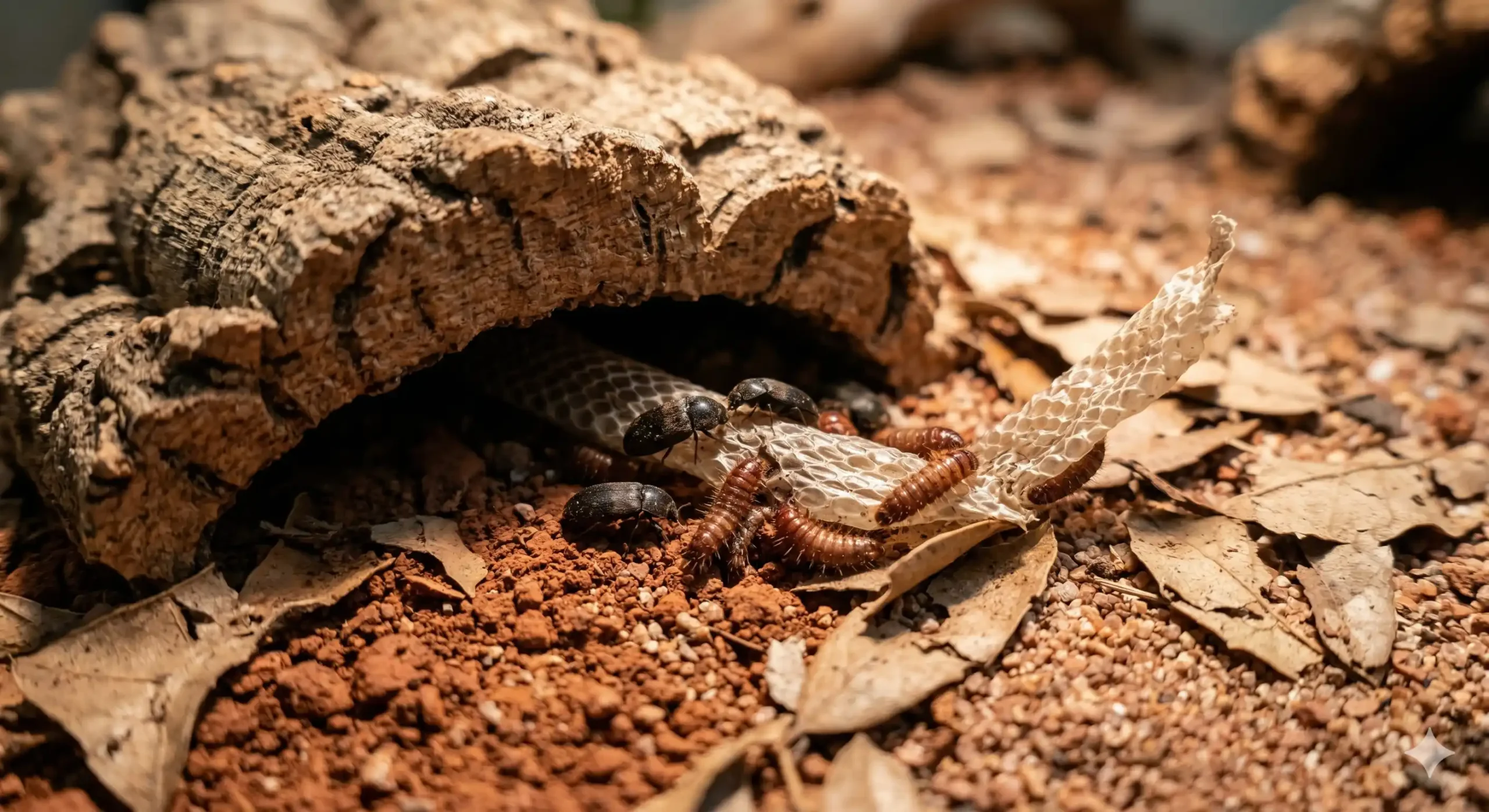
The establishment of a self-sustaining ecosystem within a glass enclosure represents the absolute pinnacle of modern herpetoculture. While tropical vivariums easily benefit from a wide array of moisture-dependent detritivores, replicating the arid environments of deserts and dry scrublands presents a distinct biological challenge. In arid enclosures, traditional decomposers such as earthworms, standard isopods, and generic soil mites rapidly desiccate and perish due to the lack of ambient moisture. The rapid accumulation of shed reptile skin, unconsumed feeder insects, and fecal matter in these dry environments quickly leads to localized ammonia spikes and pathogenic bacterial blooms if left unmanaged.
Enter the specialized arid cleanup crew: Dermestid beetles (family Dermestidae). Known traditionally for their utility in museum taxidermy and forensic entomology , these voracious scavengers have emerged as the premier biological custodians for desert and semi-arid terrariums. By consuming tough, keratin-rich organic matter that other micro-fauna completely reject, Dermestid beetles facilitate complete nutrient cycling in environments designed to mimic the harsh deserts of the world. The strategic integration of these beetles transforms a sterile, high-maintenance arid tank into a thriving, low-maintenance bioactive habitat.
Are Dermestid beetles safe for live reptiles?
Dermestid beetles, primarily Dermestes maculatus, are entirely safe for live reptiles in bioactive terrariums. As obligate scavengers, these insects exclusively consume decaying organic matter, shed reptile skin, and dead feeder insects without predating on living inhabitants. While safe for reptiles to ingest, many lizards ignore the textured, hairy larvae.
The Biological Framework and Taxonomy of Dermestes maculatus
To fully comprehend the efficacy of the Dermestid beetle in a terrarium setting, one must examine its biological and taxonomic foundation. Belonging to the insect order Coleoptera and the family Dermestidae, this specific group comprises over 1,800 distinct species worldwide. The species most heavily utilized in osteology, forensic entomology, and herpetoculture is Dermestes maculatus, commonly referred to as the hide beetle, leather beetle, or flesh-eating beetle.
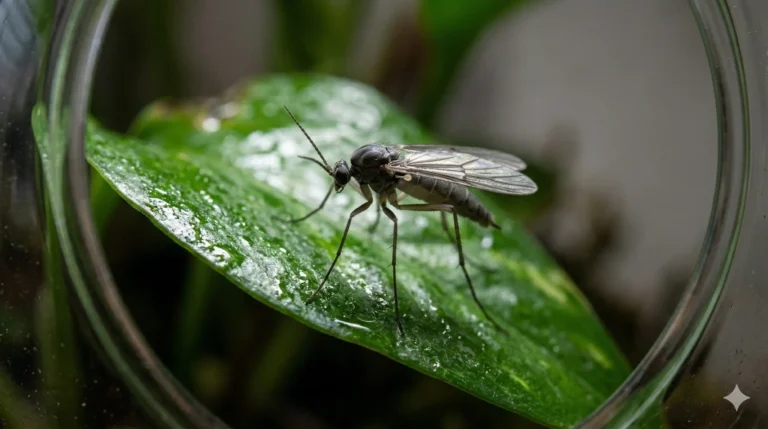
The morphological adaptations of Dermestes maculatus make them uniquely suited for arid bioactive environments. The adult beetles measure between 5 to 10 millimeters in length, featuring an elongated, oval-shaped body encased in a hardened chitinous exoskeleton. Their elytra (wing covers) are typically dark brown to black, interspersed with fine, pale hairs that give them a slightly mottled or dusted appearance. The ventral side of the adult beetle is characterized by dense, white setae (hairs), which clearly distinguish them from visually similar darkling beetles.
However, the larval stage is responsible for the vast majority of rapid organic decomposition within a vivarium. Dermestid larvae are elongated, highly mobile grubs covered in dense, reddish-brown to black setae. These hairs serve a dual biological purpose: they act as a highly sensitive tactile mechanism in dark, subterranean environments and provide a formidable physical defense against potential predators, including the very reptiles whose enclosures they keep clean. The mandibles of both the larvae and the adult beetles are highly specialized for shearing, tearing, and masticating tough, dehydrated biological materials such as dried skin, hair, feathers, and chitin.
Unlike many detritivores that require soft, moist, decaying vegetation to feed, Dermestid beetles produce specific digestive enzymes in their gut. These specialized enzymes allow them to metabolize the complex structural proteins found in reptile sheds and insect exoskeletons. This unique metabolic pathway ensures that the difficult-to-degrade waste produced by insectivorous desert reptiles is rapidly broken down into simple, usable nitrogen and phosphorus, which is then expelled as nutrient-rich frass (insect waste) directly into the terrarium substrate. This process mimics the natural decomposition cycle found in wild arid ecosystems, returning locked nutrients back into the soil column to support live terrarium plants.
The Core Challenge: Bioactive Vivariums in Arid Climates
The core philosophy of bioactive herpetoculture relies entirely on the presence of a functioning “cleanup crew” (CUC)—a diverse community of invertebrates and microorganisms that metabolize waste products, preventing the buildup of pathogenic bacteria and harmful fungi. In a tropical rainforest vivarium, the high ambient humidity (typically ranging from 70% to 100%) supports a lush, active food web consisting of springtails, tropical isopods, earthworms, and millipedes. These organisms require high moisture levels to respire through their permeable cuticles and to facilitate regular molting.
Conversely, an arid bioactive setup—designed specifically for species such as Leopard Geckos, Bearded Dragons, Uromastyx, and Kenyan Sand Boas—maintains strict ambient humidity levels between 20% and 40%. The substrate in these enclosures consists heavily of coarse silica sand, decomposed granite, excavator clay, and very sparse organic topsoil. Introducing standard, moisture-dependent detritivores into this harsh environment results in rapid desiccation. Earthworms suffocate as the dry soil strips the essential moisture from their bodies, while standard tropical isopods become trapped within their own shedding exoskeletons due to a lack of ambient humidity, leading to inevitable death.
Desert enclosures produce a distinct, challenging type of waste. While tropical frogs and crested geckos produce moist, rapidly decomposing feces, desert reptiles produce highly concentrated, dry fecal pellets accompanied by hard, crystallized urates. Furthermore, insectivorous desert reptiles often leave behind the heavily armored, chitinous remains of crickets, locusts, and dubia roaches. When these insect remains decay in hidden rock crevices or buried under substrate, they emit foul odors and attract unwanted household pest flies.
Dermestid beetles naturally inhabit dry, dark environments in the wild, often colonizing the dried carcasses of animals long after the primary decomposers like blowflies and maggots have departed. Their exceptionally low moisture requirement and strong dietary preference for dry protein make them the absolute biological key to unlocking the arid bioactive ecosystem. While they excel at processing dry protein, shed skin, and keratin, a balanced arid ecosystem still requires complementary micro-fauna to manage microscopic fungal growth and localized damp spots (such as the soil situated directly beneath a water bowl). Selecting the correct complementary micro-fauna requires understanding the specific ecological traits of different decomposers, which is heavily detailed in our guide on temperate vs tropical springtails.
By strategically pairing Dermestid beetles with specialized arid springtails and drought-resistant isopods (such as Porcellionides pruinosus), the arid terrarium achieves a layered, impenetrable biological defense against organic buildup, ensuring the absolute longevity and respiratory health of the desert reptile.
Comparative Analysis: Dermestid Beetles vs. Alternative Arid Custodians
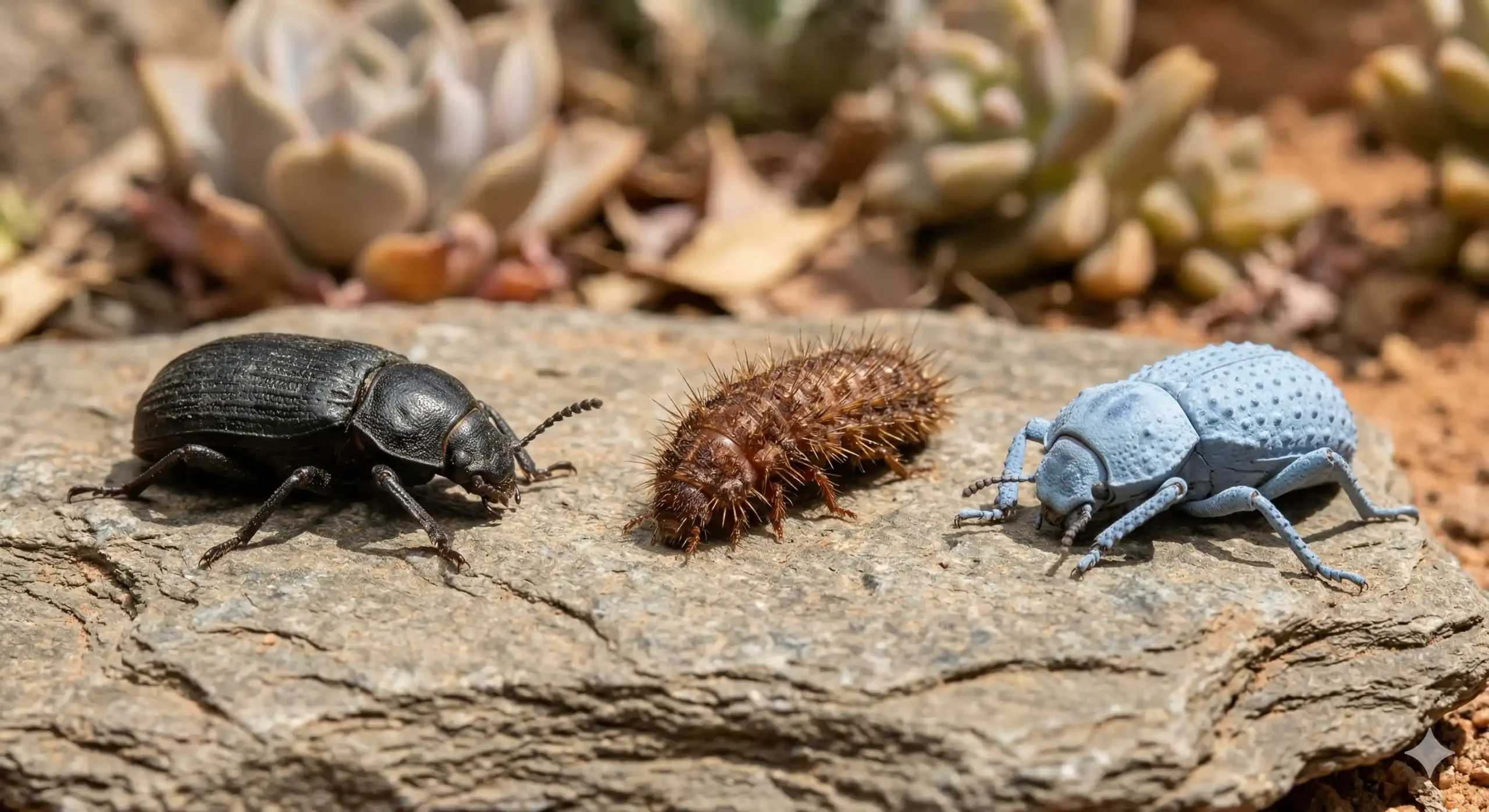
While Dermestid beetles are highly effective scavengers, they are not the sole invertebrates capable of surviving in arid enclosures. A comprehensive understanding of the available desert cleanup crews allows for the creation of a diverse, multifaceted, and highly stable micro-ecosystem. The following analysis details exactly how Dermestes maculatus compares to other popular arid-tolerant species utilized in the hobby today.
Darkling Beetles (Mealworms and Superworms)
Darkling beetles, which are the fully metamorphosed adult forms of the common mealworm (Tenebrio molitor) and the superworm (Zophobas morio), are frequently utilized as a secondary, easily accessible cleanup crew.
- Dietary Preferences: Darkling beetles are generalist detritivores, primarily consuming leftover vegetable matter, spilled reptile supplements, and softer decaying organic matter.
- Biological Drawbacks: Unlike Dermestids, Darkling beetles offer very poor nutritional value if actively consumed by the reptile, due to their heavily armored, bitter-tasting chitin. Additionally, large superworm beetles possess strong mandibles and have been documented attempting to chew on the tails or toes of resting reptiles if alternative food sources within the enclosure become scarce. Dermestid beetles, being strict obligate scavengers of dead matter, pose absolutely zero threat to living tissue.
Blue Death-Feigning Beetles (Asbolus verrucosus)
Native to the harsh Mojave Desert of North America, Blue Death-Feigning Beetles are robust, aesthetically pleasing detritivores known for their pastel blue coloration and unique defense mechanisms.
- Dietary Preferences: They consume decaying plant matter, dried fruit, and dead insects scattered across the substrate.
- Biological Drawbacks: These beetles are notoriously difficult to breed in captivity, making them exceptionally expensive to acquire. At a high cost per individual beetle, utilizing them as a mere cleanup crew in an enclosure where a large, hungry Bearded Dragon may easily predate on them is not economically viable for the average keeper. Dermestid beetles, by contrast, breed prolifically and self-sustain their massive population without requiring any continuous financial investment from the keeper.
Arid Isopods (Giant Canyon and Clown Isopods)
Certain robust isopod species, such as the Giant Canyon Isopod (Porcellio dilatatus) and the visually striking Clown Isopod (Armadillidium klugii), can survive in arid setups provided they have constant access to a micro-climate of humidity. This is usually maintained under a large water dish or a buried piece of cork bark.
- Dietary Preferences: They excel at breaking down reptile feces, decaying botanical matter (leaf litter), and soft white woods.
- Biological Drawbacks: Isopods possess weak mouthparts and are highly inefficient at breaking down the tough chitin of dead feeder insects and the keratin of shed reptile skin. They rely entirely on the presence of Dermestid beetles to process these complex structural proteins before the isopods can consume the secondary breakdown products.
Firebrats (Thermobia domestica)
Firebrats are highly active, primitive insects that thrive in extreme heat (up to 102°F / 39°C) and severe aridity, making them well-suited for the hottest basking zones of a desert terrarium.
- Dietary Preferences: They primarily consume complex carbohydrates, acting as a cleanup crew for any spilled grain, oats, or bran used to gut-load feeder insects.
- Biological Drawbacks: Firebrats do not consume animal waste, meat, or dead insects. Their primary function in a terrarium is serving as a fast-moving supplementary food source for the reptile, rather than operating as a primary decomposer.
Arid Custodian Comparison Table
The table below outlines the functional differences between the primary invertebrates used in desert bioactive setups.
| Custodian Species | Primary Diet Focus | Substrate Moisture Requirement | Captive Reproduction Rate | Risk to Live Reptiles |
| Dermestid Beetles | Dead insects, shed skin, meat | Very Low | Very High | None (Strict Scavenger) |
| Darkling Beetles | Vegetables, decaying matter | Low | Moderate | Low (Can nip if starving) |
| Blue Death-Feigning | Dead insects, dried fruit | Very Low | Extremely Low | None |
| Arid Isopods | Feces, leaf litter, soft wood | Moderate (Needs Micro-climate) | High | None |
| Firebrats | Carbohydrates, dry starches | Very Low | High | None |
The Trenoya Culturing Methodology in India
As the founder of Springtails.in and the co-founder of the premium aquaculture and terrarium brand Trenoya, I have dedicated years to perfecting the captive breeding of biological custodians. Operating a large-scale insectary requires precise environmental engineering, especially when dealing with specialized scavengers. Here at our Trenoya culturing facility in India, we have developed a proprietary system to maintain booming, exceptionally healthy populations of Dermestid beetles that are ready for immediate terrarium integration.
We understand the hesitation many keepers face when introducing new insects into their pristine reptile enclosures. Wild-caught insects frequently carry parasitic nematodes, harmful mites, and agricultural pesticides that can devastate a captive reptile. This is exactly why every single culture we produce adheres to our strict core trust signals: “Pest-Free,” “Lab-Grown in India,” “Live Arrival Guarantee,” and “Pan-India Express Shipping.”
Our springtails live starter culture and Dermestid beetle colonies are shipped in our custom 200ml pet jars, carefully packed with sterile substrate to ensure absolute safety during transit. Each jar provides a robust colony size of 30 to 100+ active individuals, accompanied by our exclusive QR-code care guides for instant access to acclimation instructions upon delivery.
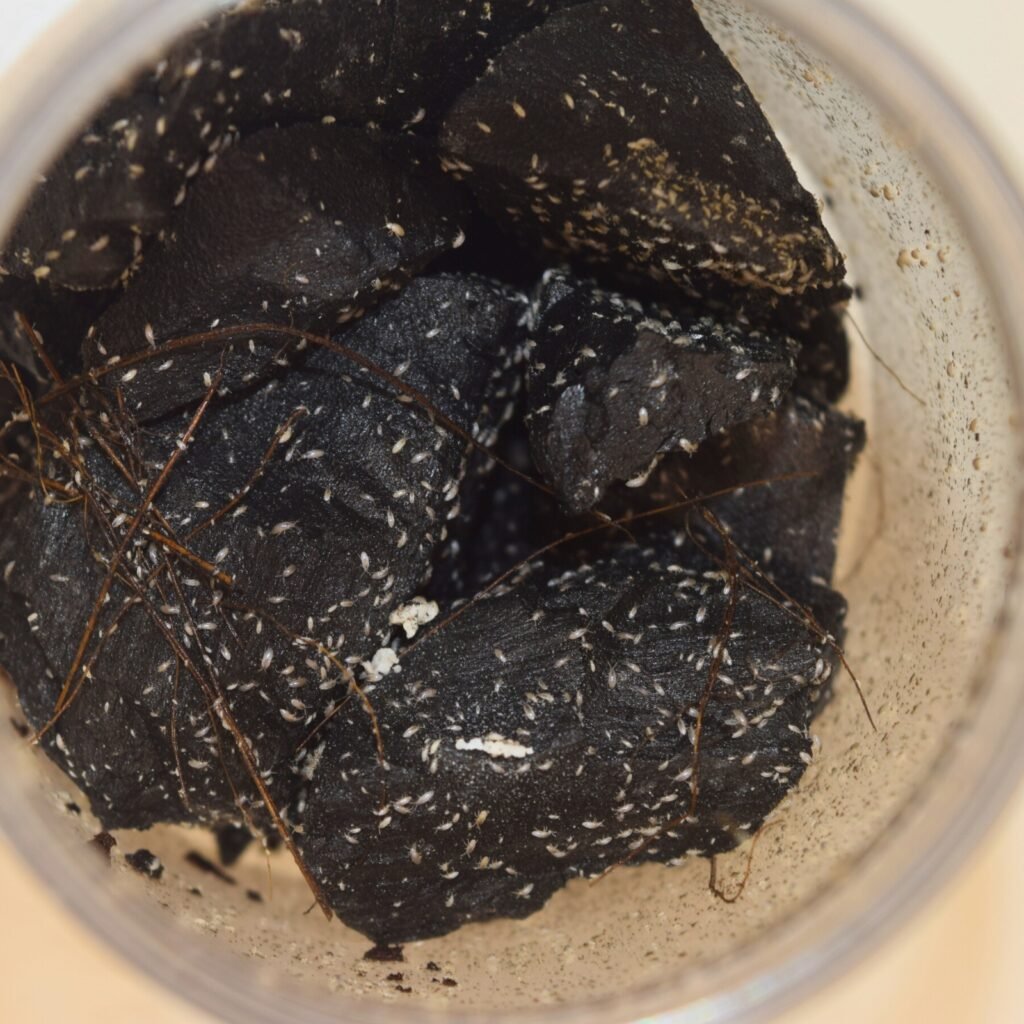
TRENOYA Springtails (Cleanup Crew) — Live Culture Starter (India)
Seed your bioactive terrarium with a pest-free, starter-ready springtail culture. Perfect for mold control and waste cleanup. Live Arrival Guarantee + Pan-India express shipping.
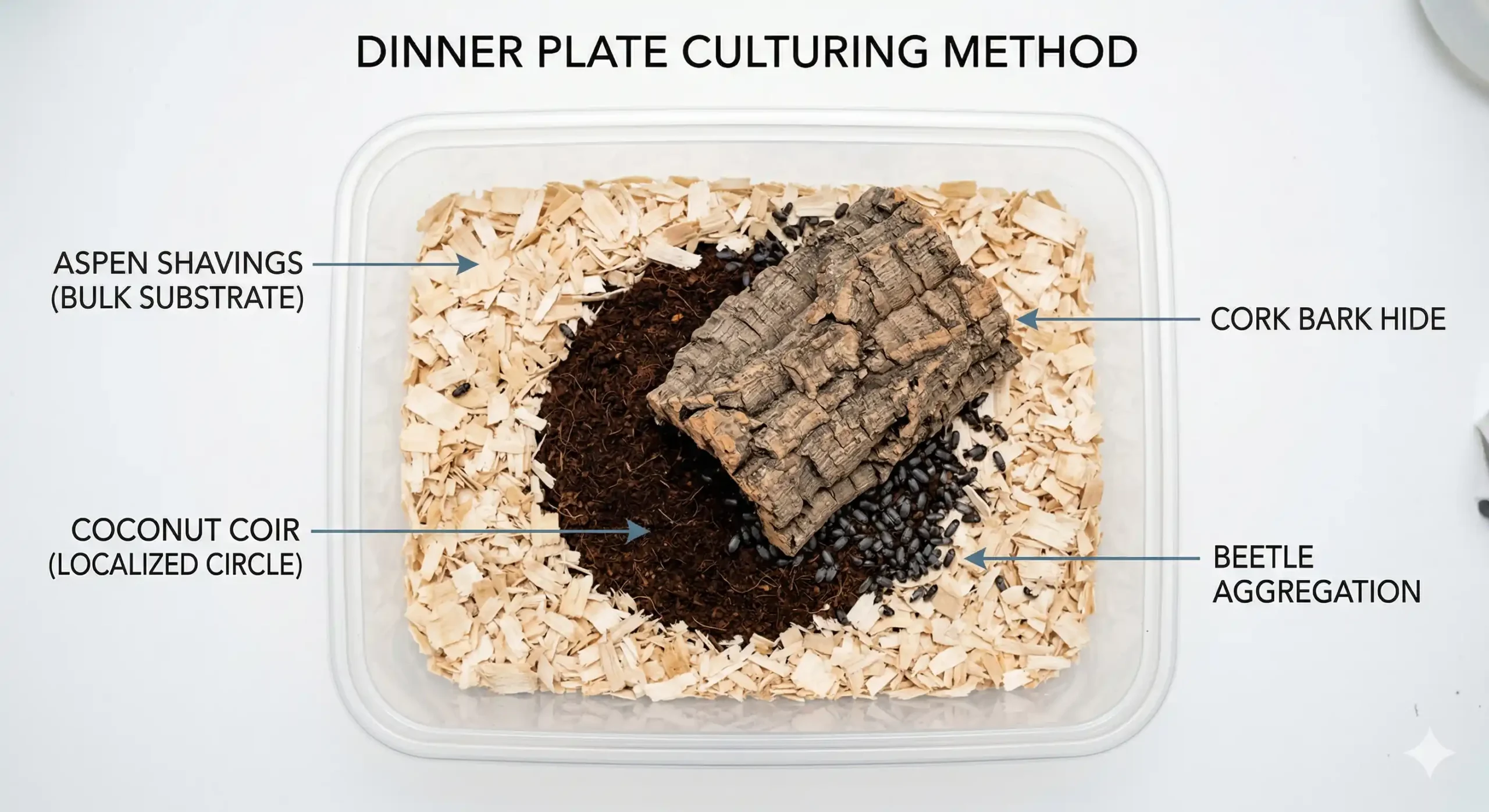
Substrate Selection and the “Dinner Plate” Technique
Observations at the Trenoya facility indicate that the success of a Dermestid colony relies heavily on exact substrate selection, precise temperature gradients, and aggressive moisture management. Dermestid beetles require a dry, loose, and highly aerated substrate that facilitates deep burrowing for both egg-laying and safe pupation. The substrate must remain completely dry at the bottom layers to prevent the rapid proliferation of parasitic mites and fungal outbreaks. Shredded aspen bedding, commonly sold in the pet trade for rodents, is highly effective. Pine and cedar shavings must be strictly and absolutely avoided, as the volatile phenols and natural insecticidal properties of these aromatic woods will swiftly exterminate the entire beetle colony.
To flawlessly simulate the natural environment of an animal carcass in the wild, our Trenoya facility employs and highly recommends the “Dinner Plate” technique. This specialized method involves placing a localized, circular patch of coconut coir (coco peat) directly on the surface of the dry aspen bedding, and subsequently covering the coir tightly with a curved piece of natural cork bark.
- The coconut coir perfectly mimics the dense fur or matted feathers of a deceased animal, providing a secure, highly textured medium where adult female beetles strongly prefer to deposit their microscopic eggs.
- The cork bark mimics the tough, dried outer hide of an animal carcass, offering a dark, physically secure crevice for the adult beetles to hide from ambient light and potential predators.
- The primary food source (such as freeze-dried minnows, unseasoned raw meat scraps, or dead feeder insects) is placed directly on top of the cork bark. This critical placement prevents the organic moisture from the food from leaching down into the aspen bedding, thereby preserving the dry, sterile integrity of the overall enclosure environment.
Nutritional Requirements for Maximum Reproduction
While Dermestid beetles are famous worldwide for stripping skeletons completely clean for professional taxidermists, a diet consisting entirely of dry bone is completely insufficient for sustained, high-volume reproduction. The growing colony requires a dense, continuous source of complex protein and animal fat. Dead crickets, dubia roaches, and locusts swept from reptile breeding bins serve as an excellent, completely free food source. For isolated breeding colonies that are not yet integrated into a terrarium, high-protein dry dog food can be offered, though empirical evidence shows it is vastly less efficient for rapid growth than raw or dried animal protein. The speed at which a healthy colony processes food is staggering; an established colony of several thousand beetles can entirely skeletonize a small rodent carcass in a matter of days.
Navigating the Indian Climate: Culturing and Maintenance
Replicating optimal breeding conditions requires acute attention to local geographical climates and seasonal weather patterns. The Indian subcontinent presents two extreme weather scenarios that pose direct, existential threats to captive insect cultures: the blistering, dry heat of the Indian summer and the suffocating, pathogen-promoting humidity of the monsoon season. Maintaining sensitive species like Trenoya Grindal Worms, temperate springtails, and Dermestid beetles necessitates specific, proactive seasonal adjustments.
Mitigating Heat Stress During the Indian Summer
In vast regions of India, including Rajasthan, Delhi, and here in Telangana, summer temperatures routinely exceed 100°F (38°C) for consecutive weeks. While Dermestid beetles are naturally adapted to handle warm desert conditions , sustained ambient temperatures above 95°F (35°C) within a confined plastic or glass enclosure can cause severe biological stress. Extreme high heat, when combined with critically low humidity, rapidly desiccates the fragile beetle eggs and proves completely fatal to the highly vulnerable, newly hatched micro-larvae.
If the colony is housed in a non-air-conditioned room, a garage, or an outdoor shed, significant active air circulation is absolutely mandatory. Placing a low-velocity fan to blow continuously across the top mesh screen of the enclosure prevents dangerous stagnant heat accumulation. Unlike sensitive tropical reptiles, Dermestid beetles do not suffer from respiratory infections due to cross-drafts; heavy airflow will not “chill” the insects. Instead, it effectively prevents the deep substrate from turning into a lethal thermal heat trap.
To combat extreme dehydration during severe heatwaves, the “Paper Towel Method” is highly effective and completely safe. Instead of spraying the substrate directly with water—which risks creating localized pockets of deadly mold—a folded paper towel is placed over a small section of the frass or substrate and lightly misted with a spray bottle. Thirsty adult beetles and larvae will immediately swarm the damp paper towel to drink the surface moisture safely. This process should be repeated daily during the absolute peak of summer, allowing the beetles to behaviorally dictate their required hydration frequency without compromising the substrate.
Managing Humidity During the Monsoon Season
Conversely, the annual Indian monsoon season brings torrential rain and ambient indoor humidity levels frequently exceeding 85%. Biologically, this is the most dangerous period of the year for a captive Dermestid colony. High moisture levels in the substrate lead to the rapid, uncontrolled decomposition of uneaten food, resulting in dangerous ammonia gas spikes that can wipe out a colony overnight. More critically, sustained high humidity directly triggers the rapid proliferation of predatory grain mites and opportunistic fungal gnats.
During the monsoon season, all supplemental watering and misting must be halted entirely. The beetles will naturally extract sufficient metabolic moisture directly from their food sources. The enclosure must feature a high-flow, wide-mesh screen lid to allow maximum evaporation of internal moisture. If the frass (the powdery, granular waste produced by the beetles) begins to physically clump together or emit a strong, foul odor resembling rotting meat or pungent ammonia, the moisture level has reached a critical, toxic high. In such severe instances, the colony must be temporarily relocated, and the damp, toxic frass must be meticulously sifted out and replaced with fresh, bone-dry aspen bedding immediately to prevent a total colony collapse.
Integrating Dermestid Beetles into Reptile Enclosures
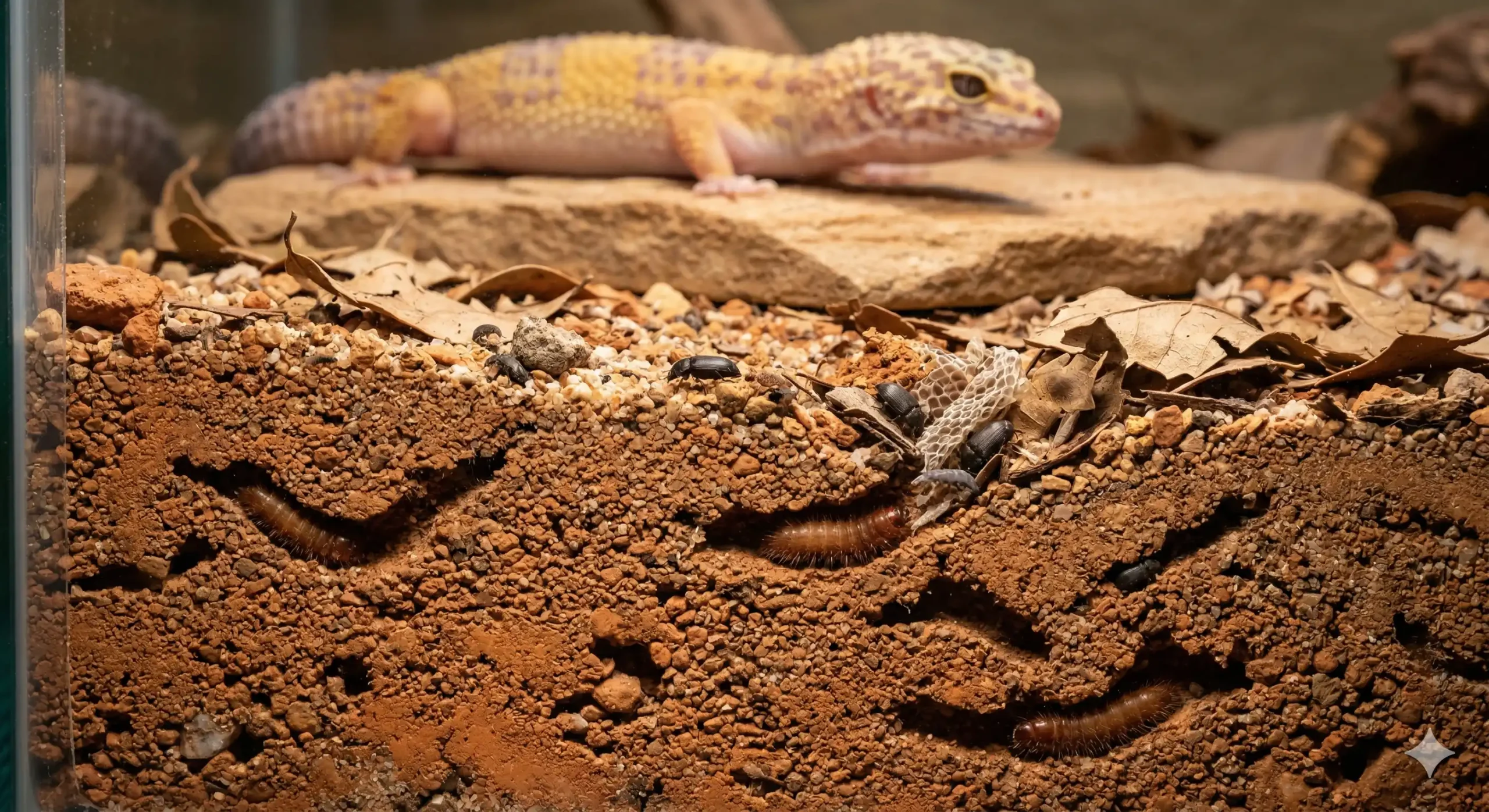
Transitioning a lab-grown, sterile colony into an active, live reptile enclosure requires strategic planning to ensure the beetles successfully establish themselves without being immediately eradicated by the terrarium’s primary inhabitant. Dermestid beetles excel in highly specific arid enclosures, making them the perfect, natural addition to a Leopard Gecko bioactive.
The Safe Introduction Protocol
Before introducing the cleanup crew, the physical and chemical parameters of the terrarium must be entirely finalized. The substrate should be a well-draining, strictly arid mix, heavily compacted in specific basking areas to hold burrows, but loose and friable in other zones to allow the beetles to navigate freely beneath the surface.
To introduce the beetles safely, it is highly recommended to release them into the enclosure late at night. This should be done long after diurnal reptiles (like Bearded Dragons and Uromastyx) have gone to sleep, or while nocturnal reptiles (like Leopard Geckos and Fat-Tailed Geckos) are resting inside a designated humid hide. The beetles and their larvae should be carefully deposited directly under large pieces of cork bark, heavy slate rock, or thick, dry leaf litter. Providing this immediate access to subterranean darkness and dense physical cover prevents the expensive cleanup crew from being targeted as an instant, easy snack by an observant reptile.
The Ecological “Boom and Bust” Population Cycle
New keepers often express unwarranted concern over the seemingly erratic population numbers of their newly introduced cleanup crew. Dermestid beetles, like many rapidly reproducing invertebrates, operate on a natural “boom and bust” ecological cycle. When initially introduced to an established terrarium containing months of accumulated hidden waste, the beetles will vorastically consume the abundant food source and trigger an immediate reproductive boom. Within a few weeks, the substrate may appear to be literally swarming with highly active, hairy larvae.
As the beetles successfully consume all available decaying organic matter, the primary food supply rapidly dwindles. Without sufficient daily calories to support the massive, booming population, the colony naturally enters the “bust” phase. Adult beetles will naturally die off, and larval reproduction will plummet to baseline levels. This is not a failure; rather, it is a sign of a perfectly balanced, functional ecosystem. The population will naturally stabilize to match the exact biological load (the daily waste output) produced by the reptile. Keepers do not need to artificially cull the population, nor do they need to rely on the reptile to eat the beetles for population control. Periodically, roughly every six to eight months, adding a fresh, lab-grown culture from a reliable source like Trenoya helps introduce vital new genetics and prevents detrimental colony inbreeding.
Safeguarding Custom Terrarium Backgrounds
A highly unique behavioral trait of the Dermestid larva presents a specific, physical challenge for keepers utilizing elaborate, custom-built vivariums. When a healthy larva reaches the absolute end of its developmental cycle and is physically ready to pupate into an adult beetle, it instinctively seeks out a highly secure, dense material to bore into. In the wild, they will utilize their strong mandibles to bore directly into the dried bones, hooves, or horns of a carcass. In captivity, they exhibit a strong, destructive preference for boring into Styrofoam, expanding polyurethane foam, and soft cork bark.
If a terrarium features an elaborate, custom-carved foam background covered in tinted dry-lok and sand, an unchecked population of Dermestid larvae can slowly excavate, tunnel, and severely compromise the structural integrity of the background over several years. To mitigate this destruction, keepers must provide highly attractive “decoy” pupation sites directly on the terrarium floor. Placing thick blocks of corrugated cardboard or small, disposable blocks of soft Styrofoam hidden entirely beneath the substrate provides an easily accessible, preferred material for the larvae to bore into. These decoy blocks can be periodically removed, inspected, and replaced, safely protecting the expensive, permanent terrarium background from tunneling damage.
The Complete Lifecycle of the Flesh-Eating Beetle
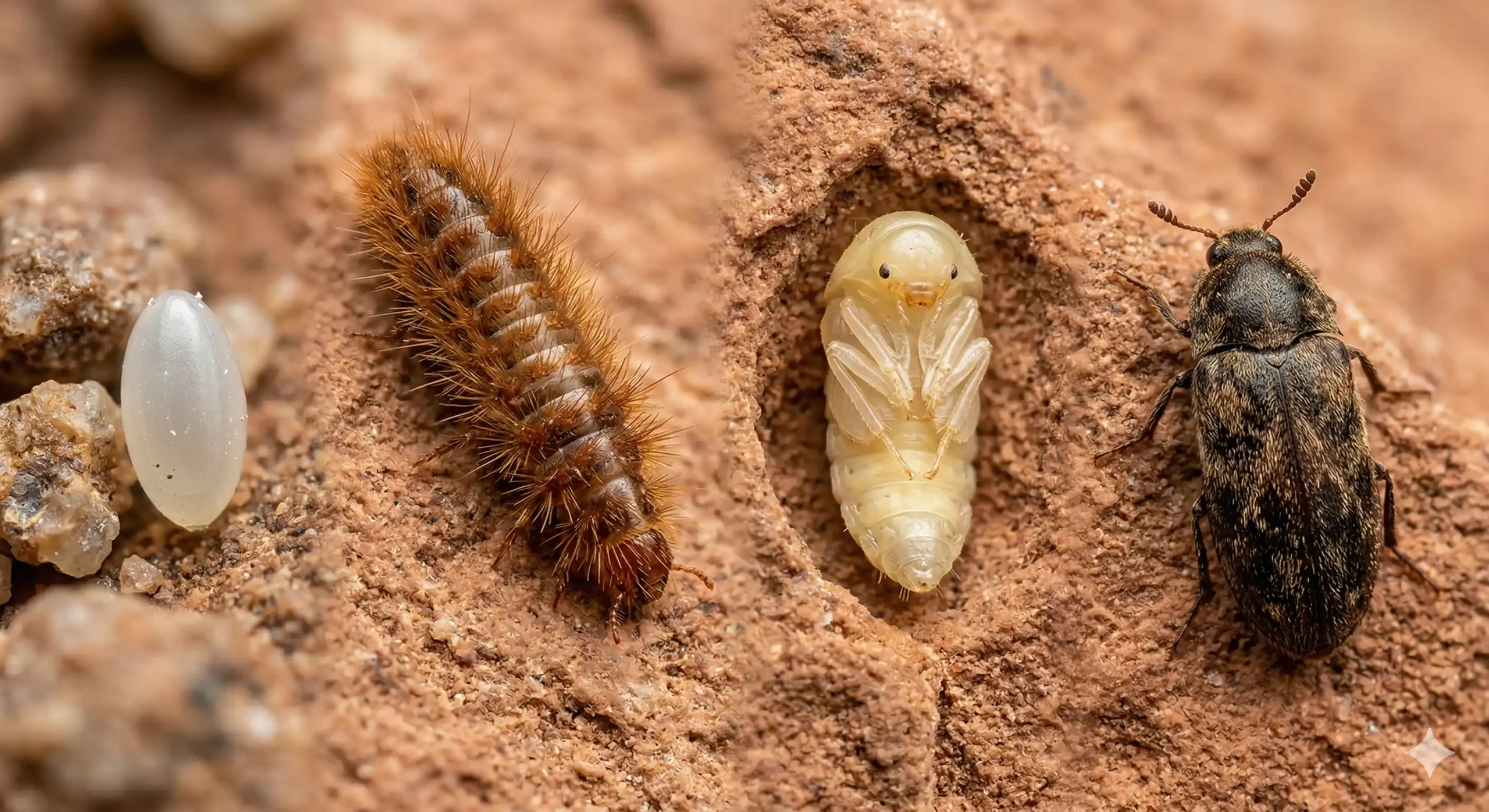
Understanding the intricate biological lifecycle of Dermestes maculatus is absolutely fundamental for any serious aquarist, herpetoculturist, or forensic entomologist seeking to leverage their incredible decomposing power. The entire lifespan of the beetle, progressing from egg to natural death, spans approximately four to five months, though this timeline is highly dependent on ambient temperature, humidity, and food availability.
The Egg Stage
A single, healthy female Dermestid beetle is capable of laying several hundred microscopic, translucent eggs over her adult lifespan. She meticulously deposits these fragile eggs in dark, highly concealed locations, strongly preferring the textured surfaces of coconut coir, deep within the dark crevices of cork bark, or directly inside the dried, hollow cavities of deceased feeder insects. Under ideal temperature conditions (ranging from 75°F to 85°F / 24°C to 29°C), the eggs incubate rapidly, hatching into the world in merely four to six days.
The Larval Stage
Upon hatching, the microscopic larvae immediately begin aggressive foraging. The larval stage is by far the most critical phase for terrarium maintenance, as the rapidly growing grubs possess a voracious, seemingly endless appetite and are responsible for the vast majority of organic decomposition.
The larvae undergo a period of rapid growth lasting five to six consecutive weeks. Because their rigid exoskeletons do not stretch, they must shed their chitinous outer layer to grow, a biological process known as molting. A healthy larva, provided with ample food, will molt between seven and nine times. As a colony grows and matures, the terrarium substrate will become heavily littered with these empty, golden-brown shed skins. These sheds are completely harmless and will eventually break down into the soil matrix. The larvae are highly photonegative, fleeing instantly from bright light or sudden exposure, which keeps them safely hidden beneath the soil surface and completely out of sight during the daylight hours.
The Pupal Stage
Once a larva has amassed sufficient energy reserves and reached its maximum size, it ceases all feeding and begins an urgent search for a secure pupation chamber. After successfully boring into a suitable dense material (such as wood, cardboard, or the aforementioned foam), the larva molts one final time, revealing a pale, immobile, highly vulnerable pupa. During this remarkable stage of complete metamorphosis, the insect’s entire cellular structure breaks down and reorganizes into the winged adult form. The pupal stage lasts exactly seven to eight days. The pupae are entirely defenseless during this period; if they are left exposed on the surface of the substrate without a secure chamber, they will be swiftly cannibalized by other hungry, active larvae searching for moisture and protein.
The Adult Stage
The newly emerged adult beetle is initially quite soft and pale brown, a biological state known as a teneral adult. Over the course of the next 24 to 48 hours, the exoskeleton chemically hardens and cures into its final, robust dark black or mottled brown coloration. The primary biological imperative of the adult beetle shifts entirely to reproduction. While adults do consume organic waste and scavenge, their daily caloric intake is vastly reduced compared to the voracious larval stage.
The adult lifespan ranges from 16 to 24 weeks, during which they continuously breed and deposit eggs. It is highly critical for keepers to note the specific environmental conditions that trigger flight in adult beetles. While Dermestid beetles are physically fully capable of flying, they are highly reluctant to do so. Flight is an energy-intensive, desperate emergency mechanism triggered only by two highly specific conditions: a complete, devastating exhaustion of local food sources, or sustained ambient temperatures exceeding 80°F (26°C). Maintaining terrarium ambient temperatures within optimal ranges, and providing a slight temperature gradient, ensures the beetles remain permanently grounded and focused entirely on their custodial duties.
Advanced Troubleshooting for the Bioactive Custodian
Even in the most meticulously planned and maintained arid bioactive setups, minor ecological imbalances can naturally occur. Understanding how to identify and address these specific issues promptly ensures the long-term safety of the reptile and the continuous health of the custodian insects.
Managing Foul Odors and Toxic Ammonia Spikes
A healthy, balanced Dermestid colony operating efficiently within a bioactive terrarium should emit an earthy, slightly dusty scent, but never a foul, rotting, or pungent odor. If the terrarium begins to smell strongly of ammonia or intensely of decaying meat, the biological load inside the tank has vastly exceeded the cleanup crew’s physical processing capacity. This dangerous scenario typically occurs when a keeper leaves an excessive, overwhelming amount of dead feeder insects in the enclosure, or if water has inadvertently spilled, soaking into a massive accumulation of beetle frass.
The immediate, required solution is manual intervention. The keeper must manually remove the excess rotting organic material and carefully scoop out the heavily soiled, damp substrate. This removed substrate must be replaced with fresh, dry, sterile sand and topsoil immediately. Relying entirely on the beetles to process an overwhelming toxic ammonia spike will only lead to the entire colony suffocating in the noxious gases, resulting in a total ecosystem crash.
Identifying and Eradicating Parasitic Mites
The absolute most devastating threat to a captive Dermestid population is the silent invasion of parasitic mites. These microscopic, slow-moving arachnids thrive exclusively in environments with excess humidity and poor physical ventilation. They frequently hitchhike into pristine enclosures on unsterilized wild-collected wood, heavily contaminated feeder insects from poor-quality suppliers, or overly damp organic substrate. Mites will quickly attach themselves to the joints, mouthparts, and undersides of adult beetles, slowly draining their hemolymph (insect blood) and drastically, permanently reducing the colony’s reproductive rates.
If a severe mite infestation is detected in a dedicated culturing bin, the colony must be instantly quarantined from all other insect cultures. The physical environment must be heavily dried out, as parasitic mites require high ambient humidity to survive and reproduce, whereas Dermestid beetles can survive in extreme, punishing aridity. Increasing physical airflow via fans and withholding all supplemental moisture for a full week will systematically eradicate the mite population without harming the vastly hardier beetles.
Controlling Unwanted Flight Behavior
As previously documented, sustained ambient temperatures consistently exceeding 80°F (26°C) can stimulate adult beetles to test their wings and initiate flight. In a standard mesh-top reptile terrarium, this can result in adult beetles escaping into the surrounding home environment. While a rogue Dermestid beetle does not pose an immediate, massive infestation threat (unlike fast-breeding German cockroaches), it is an undesirable household nuisance.
To proactively prevent flight, the ambient thermal gradient of the terrarium must be carefully monitored. While the reptile’s dedicated basking spot may easily reach 100°F (38°C) or higher, the designated cool end of the terrarium must strictly remain below 80°F (26°C). The beetles will naturally migrate through the substrate to the cooler, darker sections of the enclosure, completely avoiding the thermal triggers that induce emergency flight. Additionally, ensuring a constant, low-level supply of shedding skin or dead insects guarantees the beetles never feel the biological urge to fly away in desperate search of greener pastures.
Summary of Ecological Impact
The transition from a sterile, high-maintenance, heavily sanitized desert terrarium to a robust, self-regulating arid bioactive ecosystem is fundamentally reliant on the correct application of specific detritivores. Standard earthworms and moisture-loving tropical isopods simply cannot withstand the harsh, unforgiving realities of accurate desert simulation. By actively employing the incredible evolutionary adaptations of Dermestes maculatus, modern keepers harness millions of years of specialized keratin and chitin processing power.
These remarkable beetles operate silently and invisibly beneath the substrate, relentlessly processing the complex, dry waste of insectivorous reptiles into highly usable base nutrients. When strategically paired with drought-tolerant springtails and appropriate subterranean micro-climates, the Dermestid beetle elevates the practice of herpetoculture to its most natural, ethical, and aesthetically pleasing state.
FAQ
Are Dermestid beetles harmful to humans?
Dermestid beetles are entirely harmless to living humans. They do not possess stingers, they do not carry zoonotic diseases, and their mandibles are designed exclusively for scavenging dead tissue, meaning they do not bite living humans or pets. They are completely safe to handle and manage.
Can Dermestid beetles infest a house?
While Dermestid beetles are technically categorized in the same overarching family as “carpet beetles,” an infestation escaping from a terrarium into a modern, clean home is highly improbable. Modern homes lack the scattered animal carcasses, high accumulation of shed pet fur, and dark, undisturbed soil required to sustain a breeding population. Escaped beetles will typically wander towards windows, desiccate, and die within a few days due to a profound lack of highly concentrated organic waste.
Do Dermestid beetles attack live feeder insects?
Dermestid beetles are strict obligate scavengers and possess absolutely no predatory drive. They will completely ignore live, healthy crickets, dubia roaches, and mealworms that wander through the terrarium. They wait patiently for the feeder insect to naturally expire before mobilizing as a group to consume the carcass.
How many Dermestid beetles are required for a 40-gallon terrarium?
For a standard 40-gallon arid terrarium housing a single Leopard Gecko or a juvenile Bearded Dragon, an initial inoculation of 50 to 100 mixed larvae and adult beetles is perfectly sufficient. Due to their extremely rapid reproductive capabilities, this small starter culture will naturally scale up within a matter of weeks to match the precise waste output of the reptile inhabitant.
Will a bearded dragon eat Dermestid beetles?
A Bearded Dragon, being a highly observant and opportunistic omnivore, will readily consume an adult Dermestid beetle if it catches it wandering openly during the daylight hours. This is entirely safe and actually provides a small calcium and chitin boost to the reptile. However, because the beetles and their heavily-haired larvae are strongly photonegative, they remain buried deep in the substrate during the reptile’s active basking hours, effectively minimizing predation.
How does one provide water to Dermestid beetles in an arid setup?
In an active reptile enclosure, no direct, supplemental watering is required for the beetles. They expertly extract all necessary trace hydration directly from the cellular structure of the dead insects and fresh reptile sheds they consume. Furthermore, the localized humidity gradient generated naturally beneath the reptile’s water bowl provides a sufficient subterranean micro-climate for the beetles to self-regulate their hydration needs.