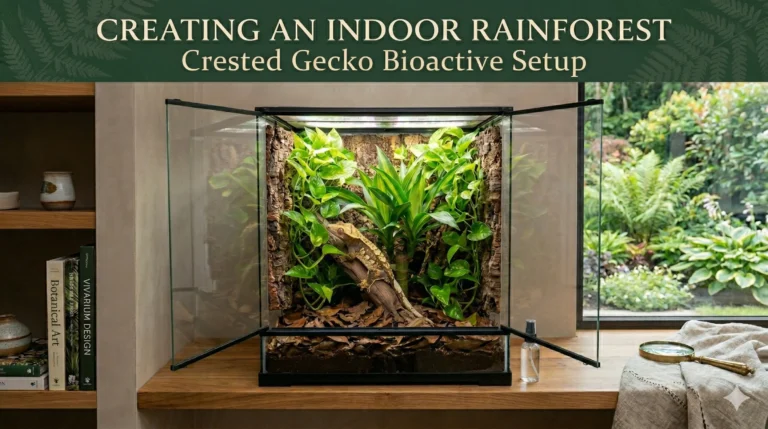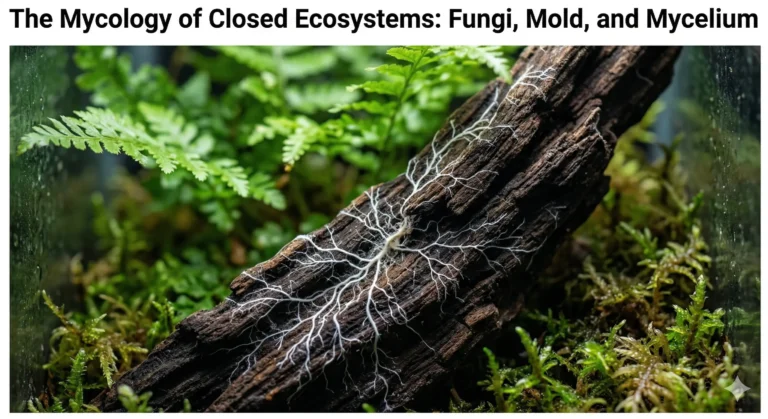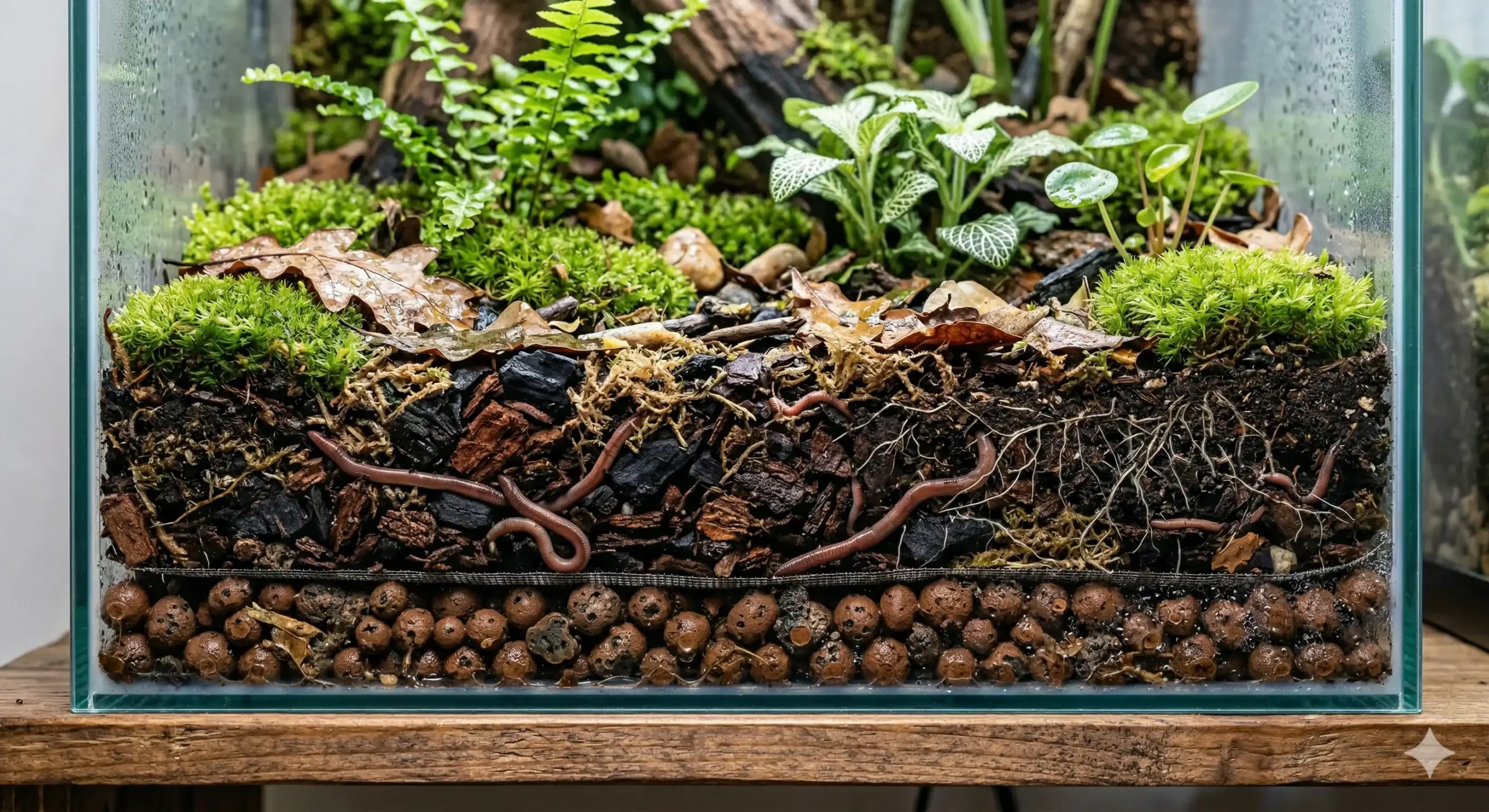
The concept of a bioactive terrarium represents a fascinating intersection of botany, microbiology, and animal husbandry. By recreating a fully enclosed, self-sustaining ecosystem inside a glass habitat, keepers can provide their reptiles, amphibians, and invertebrates with an enriching, naturalistic environment. At the absolute core of this ecosystem is the clean-up crew—a specialized microscopic and macroscopic community of organisms responsible for nutrient cycling, waste decomposition, and soil maintenance.
Hello, I am Amitabh, Founder of Springtails.in and co-founder of the premium aquaculture and terrarium brand, Trenoya. Here at our Trenoya culturing facility in India, we spend our days isolating, breeding, and studying the exact biological mechanisms that make closed ecosystems thrive or fail. Over the years, one of the most frequent questions we receive from enthusiastic beginners and seasoned builders alike involves the integration of macroscopic annelids into their setups. Because earthworms are universally praised as the ultimate soil engineers in outdoor gardening and agriculture, it seems entirely logical to assume they would perform the same miraculous functions inside a glass box.
However, the biology, chemistry, and physical constraints of a closed terrarium dictate an entirely different reality. While earthworms possess unmatched decomposition capabilities in boundless outdoor environments, their specific mechanical digestion and chemical output often lead to rapid, irreversible environmental degradation within a terrarium. To understand why these legendary composters often become the architects of a terrarium’s collapse, we must deeply analyze substrate dynamics, enclosed nitrogen cycles, and the specific biology of earthworm species.
Are earthworms a good clean up crew for terrariums?
Earthworms are highly efficient detritivores that rapidly consume decaying organic matter, but they are generally unsuitable for standard indoor terrariums. Their voracious feeding habits quickly break down structural substrates into a dense, muddy sludge, leading to poor drainage, anaerobic bacteria growth, and potentially fatal habitat crashes.
The Architectural Mechanics of Terrarium Substrate
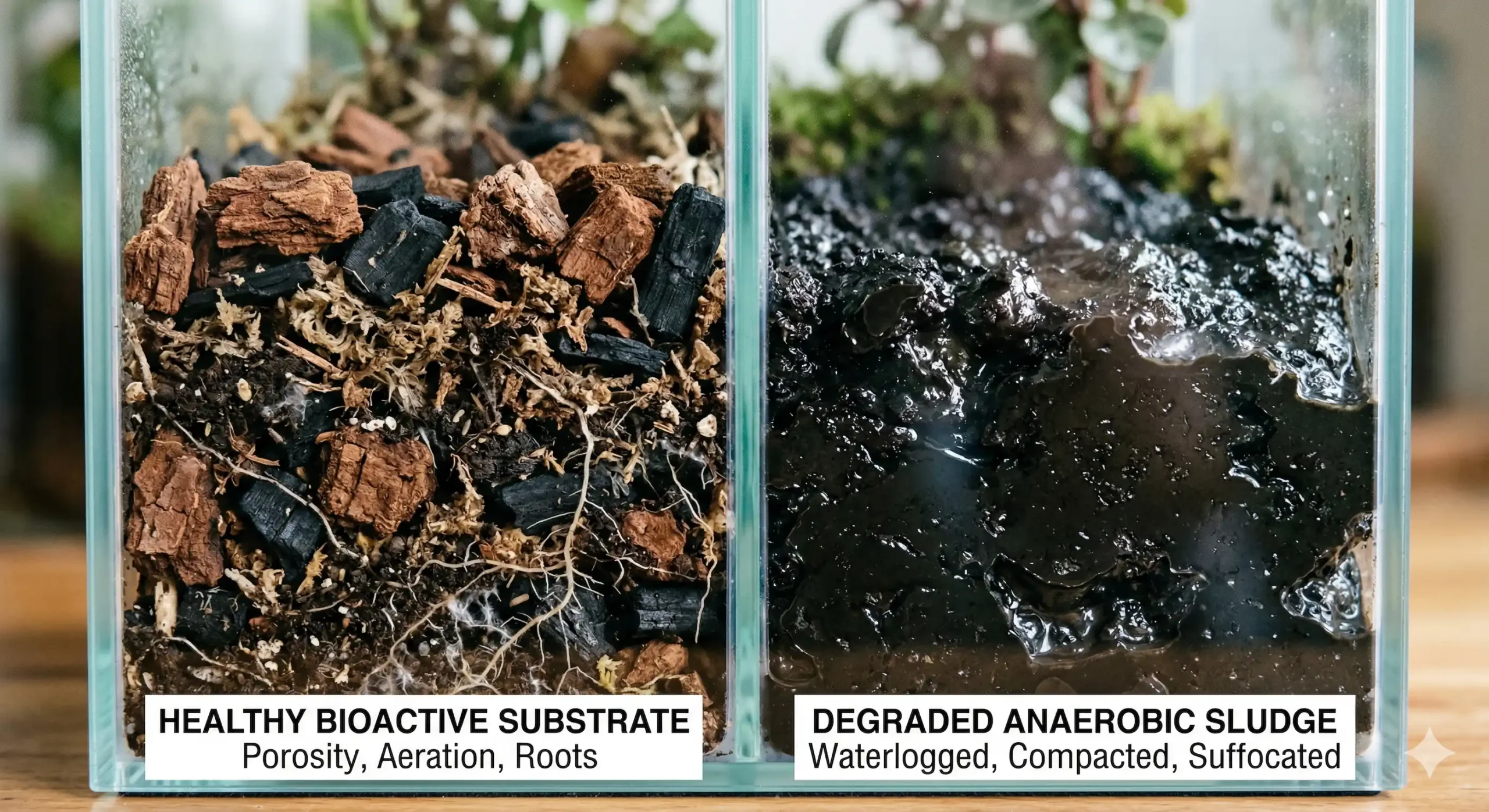
To comprehend the destructive potential of earthworms in a closed system, one must first understand how terrarium soil is constructed. Unlike outdoor topsoil, which benefits from unlimited depth, geological weathering, and expansive root networks, terrarium soil is highly engineered. Premium bioactive soils, often derived from the famous ABG (Atlanta Botanical Garden) mix, are designed to retain moisture while simultaneously resisting decomposition.
When you prepare a diy bioactive substrate recipe, you specifically select structural ingredients:
- Orchid Bark: Provides massive air pockets (macroporosity) and resists breaking down for years.
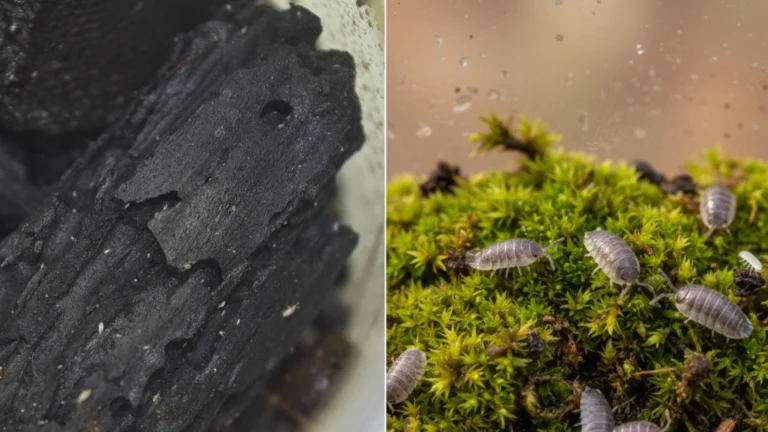
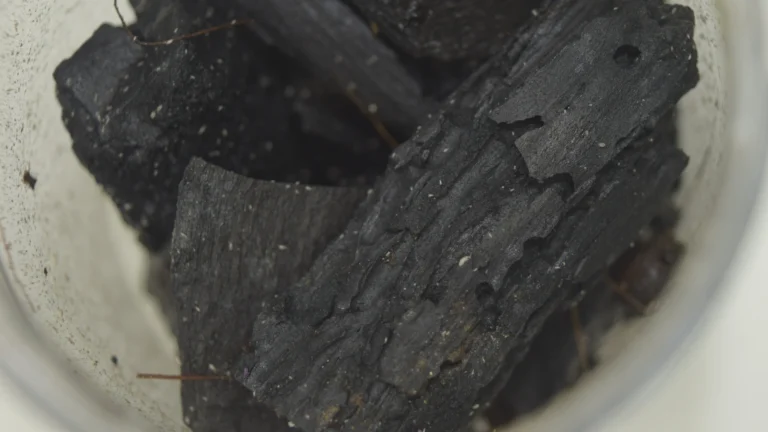
- Horticultural Charcoal: Acts as a lightweight aggregate that creates voids and offers immense surface area for beneficial aerobic bacteria.
- Tree Fern Fiber: Adds a rot-resistant fibrous structure that prevents the soil from compacting under its own weight.
- Sphagnum Moss: Retains localized moisture without collapsing into a dense paste.
The primary objective of these ingredients is to maintain high soil porosity. Oxygen must be able to diffuse from the surface of the terrarium down through the active soil layer and into the false bottom (drainage layer). Plant roots absolutely require this gaseous exchange for cellular respiration. Without oxygen, roots suffocate, rot, and die.
The Earthworm’s Digestive Impact
Earthworms belong to the order Opisthopora. They possess no teeth; instead, they rely on a highly muscular digestive tract adapted for mechanical grinding and chemical dissolution. As an earthworm tunnels through the earth, it ingests a mixture of decaying organic matter and raw soil. Inside its gizzard, swallowed mineral particles (grit) act as internal millstones, pulverizing the ingested material.
When you place an earthworm into an engineered terrarium substrate, it does not exclusively target the waste produced by your reptile or amphibian. The earthworm indiscriminately consumes the structural matrix of the soil itself. The coarse orchid bark, the delicate tree fern fiber, and the sphagnum moss are relentlessly passed through the earthworm’s digestive tract. The worm’s gut secretes potent enzymes—cellulases and chitinases—that chemically dismantle the complex plant fibers holding your substrate open.
This continuous ingestion and excretion cycle fundamentally alters the physical geometry of the habitat. The resulting worm castings, while incredibly rich in nutrients, possess a microscopic particulate size. As these ultra-fine particles accumulate in an environment lacking natural rain dispersal or deep groundwater flushing, they settle into every available crevice. The bulk density of the substrate increases exponentially, and the total porosity plummets.
Within six to twelve months, a well-draining, airy substrate is transformed into a heavy, dense paste. Water, which previously flowed seamlessly through the loose matrix into the drainage layer, now pools and stalls. Terrarium keepers actively document this transformation, noting that enclosures seeded with earthworms inevitably develop a texture resembling thick, wet concrete or “muddy sludge” against the bottom glass.
Anaerobic Stagnation: The Silent Terrarium Killer
The mechanical collapse of the substrate into a dense sludge acts as the primary catalyst for the most dangerous phase of terrarium degradation: anaerobic stagnation.
In a healthy bioactive setup, the presence of macroscopic air pockets ensures that the soil remains oxygenated. This oxygenation is mandatory for the survival of aerobic bacteria. Aerobic bacteria are the unsung heroes of the terrarium; they process complex organic molecules and break down animal waste safely, generating harmless carbon dioxide and water as byproducts.
When earthworm castings compact the soil, they create an impermeable physical barrier. Atmospheric oxygen can no longer penetrate the lower strata of the terrarium. Water from routine misting or automated rain systems penetrates this dense sludge but cannot drain away, completely filling the remaining microscopic voids through powerful capillary action. This combination of high moisture saturation and zero oxygen diffusion creates a hypoxic (oxygen-starved) zone deep within the substrate.
The sudden absence of oxygen triggers a massive, invisible extinction event. The beneficial aerobic bacteria die off in staggering numbers. To fill this biological vacuum, anaerobic bacteria—organisms that thrive strictly in the absence of oxygen—rapidly multiply and dominate the soil profile.
The metabolic pathways of anaerobic bacteria are inherently destructive to a closed ecosystem. Instead of clean decomposition, anaerobic bacteria utilize sulfate and nitrate reduction pathways. The primary byproduct of this anaerobic respiration is hydrogen sulfide gas ($H_2S$).
Hydrogen sulfide is highly toxic to virtually all macroscopic life forms. It is easily identifiable by its overwhelming, foul odor, which closely resembles rotting eggs or raw sewage. As this toxic gas builds up within the waterlogged sludge, it slowly percolates upward. It poisons the root systems of the terrarium plants, causing rapid necrosis and leaf drop. More alarmingly, reptiles and amphibians living in an enclosure experiencing an anaerobic crash frequently exhibit signs of respiratory distress, severe lethargy, and suppressed immune function due to continuous exposure to this toxic outgassing.
Fixing an anaerobic crash caused by earthworm compaction is exceptionally difficult. Because the fundamental architecture of the soil has been destroyed, simply withholding water or increasing ventilation is entirely insufficient. The heavy, muddy castings refuse to dry out. Consequently, the only viable solution for a terrarium that has collapsed into an anaerobic sludge is a complete tear-down. The animals must be evacuated, the plants aggressively uprooted and rinsed, and the entire volume of degraded substrate must be permanently discarded.
Chemical Shifts: The Nitrogen Cycle in a Closed Box
Beyond the physical destruction of the substrate, the presence of earthworms profoundly alters the chemical equilibrium of the terrarium, specifically concerning the nitrogen cycle.
The nitrogen cycle is the fundamental chemical pathway through which biological waste (feces, urates, dead leaves) is neutralized. In a standard bioactive setup, a balanced population of microfauna slowly breaks down waste, releasing nitrogenous compounds at a steady, manageable rate. Beneficial nitrifying bacteria then convert toxic ammonia ($NH_3$) into nitrites ($NO_2^-$), and subsequently into less toxic nitrates ($NO_3^-$), which are passively absorbed by the growing plants.
Earthworms severely disrupt this delicate chemical pacing. As hyper-efficient biological processors, earthworms rapidly consume organic matter and excrete it in a highly concentrated, bioavailable form. Earthworm castings can contain up to five times the bioavailable nitrogen, seven times the phosphorus, and eleven times the potassium of the surrounding baseline soil.
In a massive outdoor garden, this extreme nutrient density is a blessing. The nutrients are quickly diluted by rainfall and utilized by massive, interconnected root networks. In a ten-gallon or forty-gallon glass enclosure, however, this rapid influx of raw nutrients creates an extreme chemical bottleneck.
The earthworms accelerate the ammonification phase of the nitrogen cycle far beyond the processing capacity of the resident nitrifying bacteria. This results in a sudden, sharp spike in free ammonia and nitrites within the soil matrix. High concentrations of ammonia are highly caustic; they lower the localized pH of the soil, rendering it highly acidic. This induces severe chemical burns on delicate plant roots, a phenomenon commonly referred to in horticulture as “fertilizer burn.”
This chemical toxicity is further compounded by the accumulation of heavy metals and unused micronutrients. Earthworms naturally bioaccumulate and excrete concentrated trace elements. Because the terrarium is a completely sealed system with no natural leaching or water runoff, these compounds have nowhere to disperse. Over successive months, the electrical conductivity (EC) and salinity of the soil rise to toxic levels. The plants begin to exhibit yellowing leaves and stunted growth, perishing not from a lack of nutrients, but from an overwhelming, inescapable chemical toxicity caused by the over-fertilization of the earthworm colony.
A Comprehensive Analysis of Earthworm Species
The generic term “earthworm” encompasses thousands of distinct annelid species. Each species possesses highly specific environmental requirements and behavioral patterns. While none are considered ideal for standard indoor terrariums, evaluating the biological distinctions between commonly available species illustrates exactly why they fail in enclosed ecosystems.
Eisenia fetida (Red Wigglers)
Eisenia fetida, commonly known as the red wiggler, is the absolute gold standard for indoor vermicomposting operations. These are epigeic (surface-dwelling) worms. They do not construct deep, permanent vertical burrows; instead, they thrive in the top few inches of decaying organic matter and leaf litter. Their surface-dwelling nature makes them theoretically more suitable for terrariums than deep-burrowing species, as they require less vertical soil depth.
However, red wigglers possess an astronomical metabolic rate. A healthy colony can easily consume up to half of its own body weight in raw organic matter every single day. In a standard terrarium housing a single crested gecko or a small colony of dart frogs, the total volume of generated waste and decaying leaf litter is miniscule compared to the massive caloric demands of the worms.
Consequently, red wigglers introduced into a vivarium quickly face starvation. To survive, they aggressively consume the structural sphagnum moss, living plant roots, and peat. Once this food source is exhausted, they begin mass die-offs. Decomposing red wigglers release massive amounts of ammonia, instantly crashing the tank’s chemical balance. Furthermore, Eisenia fetida requires a constant moisture level approaching 80%. If placed in an arid or semi-arid enclosure, such as those designed for leopard geckos or bearded dragons, the worms will rapidly desiccate and perish.
Perionyx excavatus (Indian Blue Worms)
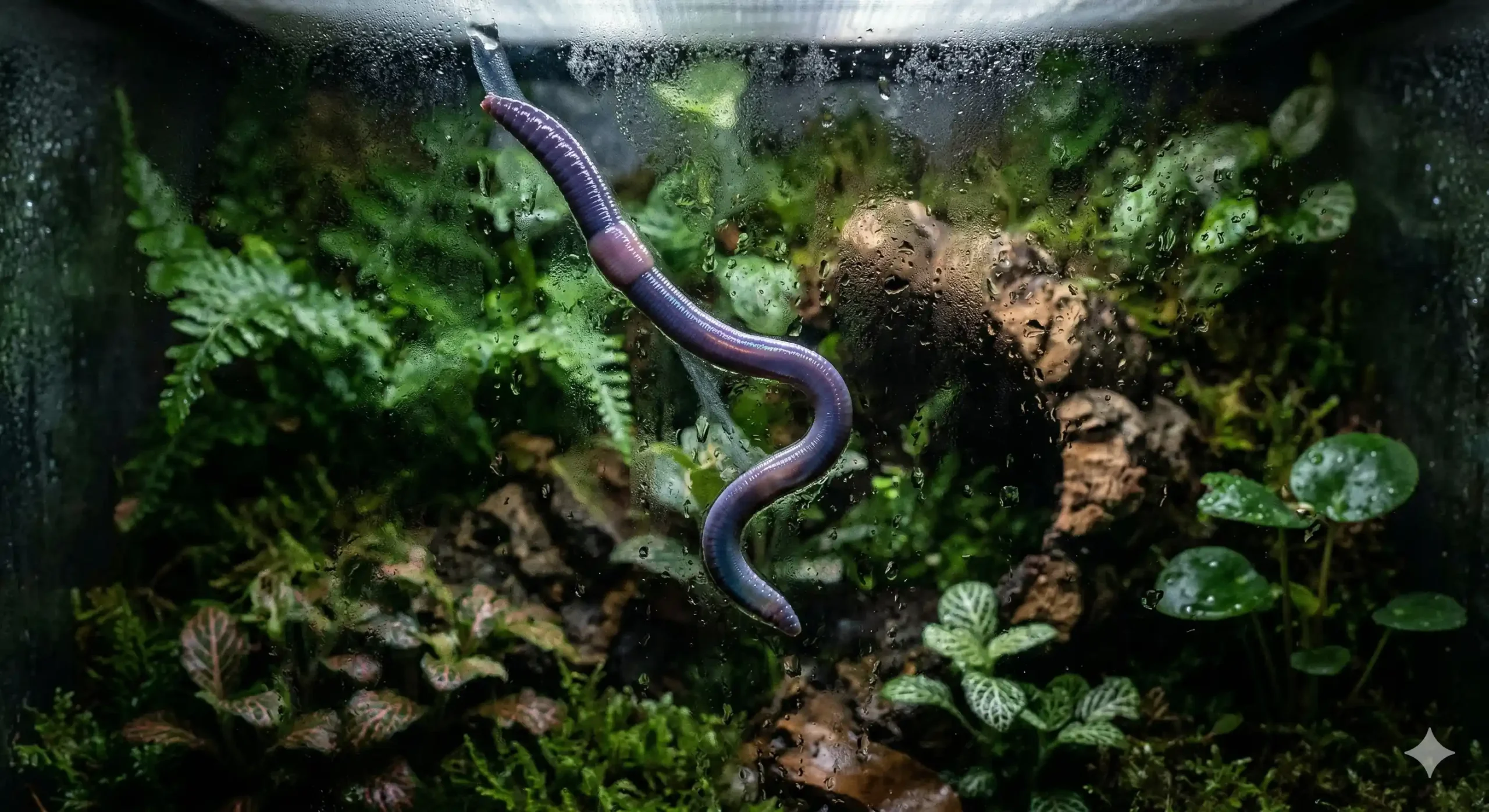
Highly prevalent across the Indian subcontinent and other tropical regions, Perionyx excavatus (the Indian Blue worm) is frequently marketed as a high-performance composting alternative to the red wiggler. Visually distinguished by an iridescent blue or purple sheen under bright light, these worms are incredibly prolific breeders and voracious eaters.
Perionyx excavatus is strictly a tropical species, requiring sustained ambient temperatures between 21°C and 27°C (70°F to 80°F). Despite their compatibility with heated reptile enclosures, they are notoriously ill-suited for terrarium life due to a highly erratic behavioral trait known as “mass migration.”
Indian Blue worms are exceptionally sensitive to minute fluctuations in barometric pressure. When atmospheric pressure drops—signaling an approaching rainstorm or an Indian monsoon—their survival instinct triggers an immediate, panicked exodus to avoid drowning. Entire colonies of Perionyx excavatus will aggressively scale the glass walls of the terrarium, forcing their way through ventilation meshes, sliding door gaps, and cable ports. This results in hundreds of desiccated worms littering the floor of the room housing the terrarium, creating an unacceptable and unhygienic maintenance disaster.
Lumbricus terrestris (Common Earthworm / European Nightcrawler)
Lumbricus terrestris, the common garden earthworm or nightcrawler, represents an anecic species. Unlike surface-dwelling composting worms, anecic worms construct extensive, permanent vertical burrows that can extend several feet deep into the soil profile. They feed by coming to the surface at night, grabbing organic matter, and pulling it deep underground to consume in safety.
These biological traits make them the worst possible candidate for a glass enclosure. The standard terrarium features a substrate layer measuring between two to six inches in depth. This is wholly inadequate for a species genetically programmed to burrow deeply. Deprived of the ability to retreat to cooler, deeper soil layers, nightcrawlers suffer from severe physiological stress. Furthermore, their massive size and immense physical strength allow them to bulldoze through the shallow substrate, completely uprooting delicate foreground plants, disturbing carefully placed hardscape elements, and tearing up the structural drainage mesh.
| Feature | Eisenia fetida (Red Wiggler) | Perionyx excavatus (Indian Blue) | Lumbricus terrestris (Nightcrawler) |
| Ecological Role | Epigeic (Surface Dweller) | Epigeic (Surface Dweller) | Anecic (Deep Burrower) |
| Temperature Profile | 13°C – 32°C (Highly Adaptable) | 21°C – 27°C (Strictly Tropical) | 10°C – 20°C (Cool Temperate) |
| Terrarium Risk Factor | Rapid starvation, substrate consumption | Mass escape events during pressure drops | Plant uprooting, severe spatial confinement |
| Moisture Requirement | High (70-80%) | Very High (Tropical) | Moderate to High |
The Superior Cleanup Crew: Bioactive Earthworms vs. Springtails and Isopods
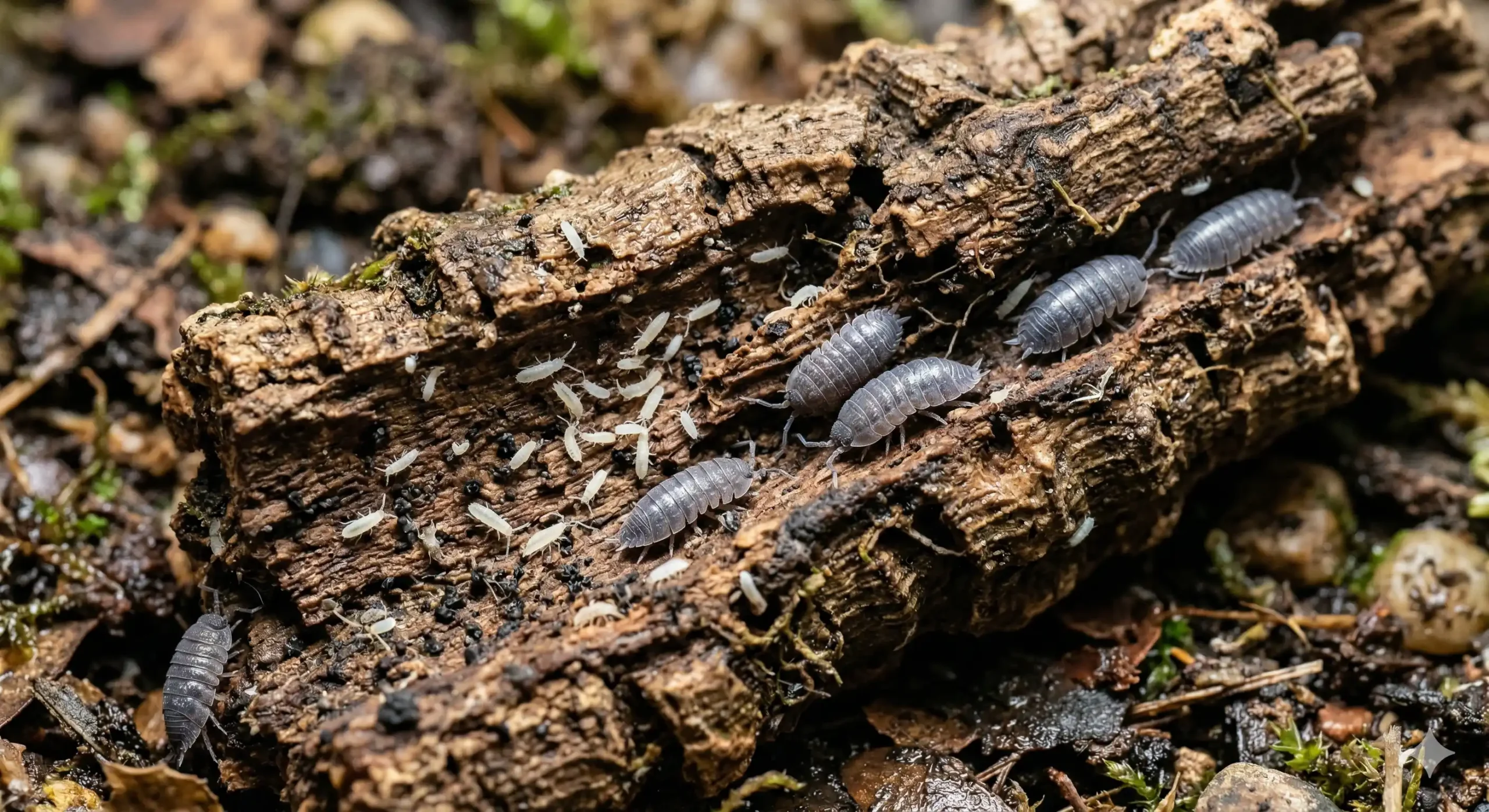
Given the severe structural and chemical detriments associated with earthworms, the global standard for bioactive maintenance favors a symbiotic combination of springtails (Collembola) and terrestrial isopods (Isopoda). These organisms achieve the identical goal of waste processing and nutrient cycling without inducing any of the catastrophic secondary effects associated with annelids.
Springtails are microscopic, wingless hexapods that function as the ultimate frontline defense against pathogenic outbreaks in a closed system. While earthworms indiscriminately consume large volumes of organic matter, springtails exhibit highly specialized dietary preferences. They feed almost exclusively on fungal hyphae, mold spores, and harmful soil bacteria. Because terrariums are high-humidity, low-airflow environments, they are incredibly susceptible to rapid, toxic mold blooms. Earthworms provide zero defense against mold; in fact, their wet, nutrient-dense castings often serve as the perfect breeding ground for fungal outbreaks. Springtails proactively hunt and consume these spores before they can visually manifest, maintaining a pristine, hygienic soil surface. To ensure comprehensive coverage, we highly recommend that you seed your enclosure with common springtail species in India that are adapted to the ambient conditions of your specific setup.
Isopods, terrestrial crustaceans commonly referred to as woodlice or pillbugs, occupy the ecological niche of heavy-duty macro-decomposers, completely eliminating the need for earthworms. Isopods consume fallen leaves, decaying plant matter, and animal feces, breaking them down into highly stable, slow-release frass.
Crucially, unlike earthworms, isopods do not consume the structural matrix of the soil. They prefer to graze strictly on the surface leaf litter layer, leaving the underlying peat, charcoal, and orchid bark entirely intact. This preserves the long-term macroporosity of the soil, permanently preventing the dreaded anaerobic sludge collapse. Furthermore, the physical movement of isopods through the very top layer of the soil provides gentle, localized aeration without the destructive bulldozing effect of large earthworms.
For aquarists and terrarium keepers seeking to optimize their closed ecosystems, studying our detailed springtails vs isopods comparison guide provides the foundational knowledge necessary to establish a balanced, highly effective detritivore hierarchy.
Another massive advantage of utilizing springtails and isopods is their auto-regulating population dynamics. Earthworms require massive, sustained caloric intake, and their populations frequently crash abruptly when food becomes scarce. Springtails and isopods, however, breed based directly on the available bio-load. If a terrarium produces high amounts of waste, the arthropod populations organically explode to meet the demand. If the environment is clean, their breeding slows, and populations naturally plateau without causing catastrophic die-offs. They integrate perfectly into both highly humid tropical enclosures and intensely dry, arid setups, demonstrating a biological versatility that earthworms simply cannot match.
Managing Bioactive Terrariums in the Indian Climate
The successful maintenance of a bioactive terrarium requires stringent control over internal microclimates. This challenge is exponentially magnified when operating within the unique meteorological extremes of the Indian subcontinent. The profound shifts between the intense, searing heat of the Indian summer and the suffocating atmospheric moisture of the monsoon season demand highly specific husbandry modifications.
Surviving the Indian Summer Heat
During the peak of the Indian summer, ambient indoor temperatures frequently exceed 35°C to 40°C (95°F to 104°F) in non-air-conditioned spaces. Closed glass terrariums act as highly efficient solar traps, amplifying external temperatures through the greenhouse effect. If an enclosure is inadvertently exposed to direct sunlight streaming through a window, internal temperatures can soar to lethal levels within minutes. This will instantly boil the delicate Trenoya Live Springtails and isopod colonies, while severely scorching the plants.
Furthermore, sudden temperature differentials present a severe structural risk. Utilizing heavy misting systems with cool water during the hottest part of the afternoon to lower the internal temperature can induce thermal shock, causing the glass panels of the terrarium to violently fracture and crack. Managing summer heat dictates that terrariums must be kept in deeply shaded, well-ventilated sectors of the house. Misting schedules should be strictly relegated to the coolest periods of the pre-dawn morning or late evening, simulating natural dew points and allowing the microfauna to hydrate safely.
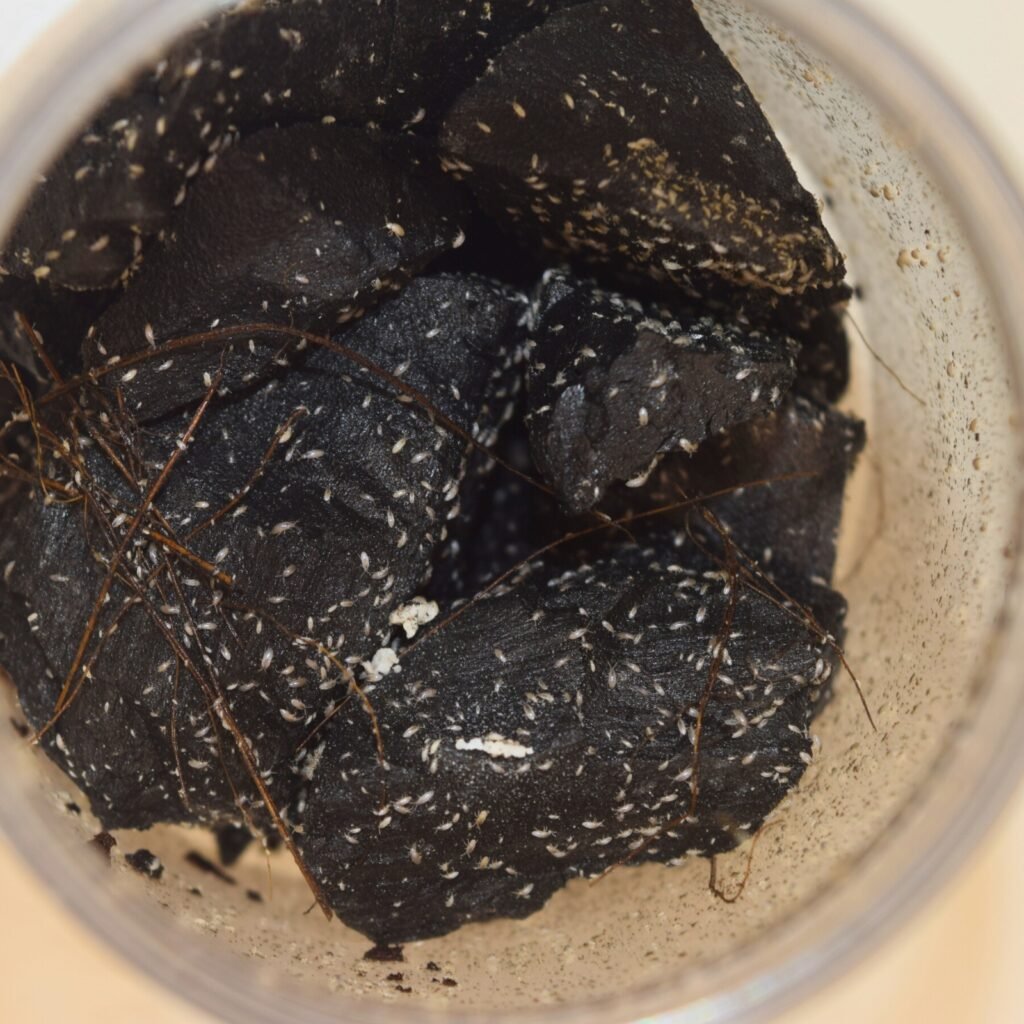
TRENOYA Springtails (Cleanup Crew) — Live Culture Starter (India)
Seed your bioactive terrarium with a pest-free, starter-ready springtail culture. Perfect for mold control and waste cleanup. Live Arrival Guarantee + Pan-India express shipping.
Battling the Indian Monsoon Humidity
Conversely, the arrival of the Indian monsoon introduces an entirely different set of environmental hazards. The monsoon season drives ambient atmospheric humidity well above 85% to 90% for months at a time. In a terrarium designed for a tropical species, such as a crested gecko or dart frog, standard husbandry guidelines heavily promote daily misting to maintain high internal humidity. However, applying these standard misting protocols during an Indian monsoon guarantees an immediate and catastrophic enclosure flood.
Because the ambient air in the room is already completely saturated with moisture, the evaporation rate within the terrarium drops to near zero. Water introduced into the tank cannot phase-shift into vapor; it simply pools continuously. The drainage layer—typically composed of expanded clay balls (LECA) or porous gravel—rapidly overflows, submerging the active soil layer. As previously established, waterlogged soil instantly eradicates oxygen, drowning the springtail colonies, rotting the plant roots, and triggering an anaerobic bacterial crash.
To combat monsoon moisture, keepers must temporarily abandon scheduled misting entirely, relying strictly on visual cues and the hydration status of the soil. The substrate should be allowed to experience minor dry-out cycles between waterings. Increasing passive ventilation is absolutely mandatory. For enclosures with restrictive glass tops, installing small, low-velocity computer fans (USB cooling fans) across the upper ventilation mesh drastically improves internal air circulation. This forced airflow breaks up stagnant air pockets, gently lowers internal humidity, and prevents the rampant proliferation of pathogenic molds that naturally accompany the high-moisture monsoon climate.
Trenoya’s Culturing Standards: Biosecurity and Ecosystem Health
The absolute success or catastrophic failure of a newly established bioactive terrarium is dictated heavily by the initial biological inoculation. A frequent and critical error made by novice keepers is the attempt to source clean-up crews directly from outdoor garden soil or backyard compost piles. While this approach seems economically advantageous, wild-collected soil is highly contaminated.
Introducing wild-caught microfauna guarantees the importation of predatory centipedes, voracious spiders, parasitic soil nematodes, and invasive agricultural mites. Once introduced into the predator-free vacuum of a closed terrarium, these invasive pests rapidly multiply, aggressively hunting and decimating the intended springtail and isopod colonies. In severe cases, parasitic organisms introduced via wild soil can directly infect and compromise the health of the primary reptile or amphibian inhabitant.
At Springtails.in, our industry standards dictate that absolute biosecurity must be the primary consideration when seeding a specialized habitat. At our Trenoya culturing facility in India, we utilize rigorous isolation and sterilization protocols to cultivate microfauna entirely divorced from wild ecosystems. By relying on laboratory-isolated lineages, terrarium builders are guaranteed a purely beneficial biological inoculant.
The integrity of these cultures is preserved right down to the specific packaging engineering. Both Trenoya Live Springtails and Trenoya Grindal Worms are dispatched in rigid, crush-proof 200ml pet jars. This specific design buffers the delicate organisms against extreme physical shock and temperature fluctuations during transit. Unlike inferior distribution methods that utilize flimsy plastic bags leading to high mortality rates, our 200ml pet jars ensure maximum atmospheric retention and physical security.
Each specialized container is visually verified to house dense, highly active colony sizes of 30 to 100+ mature adults and rapidly developing juveniles. This specific population density ensures that upon introduction to the enclosure, the microfauna immediately achieves critical biological mass, rapidly colonizing the substrate matrix before unwanted molds can establish a foothold. To completely eliminate the knowledge gap that often plagues complex ecosystem management, each jar features dedicated QR-code care guides integrated directly into the lid. This provides instantaneous, localized access to precise acclimatization protocols, humidity parameters, and dietary schedules tailored specifically to the organism.
Procuring these highly specialized cultures ensures your habitat remains fully protected. By integrating cultures that are Pest-Free and Lab-Grown in India, you eliminate the severe risks associated with wild contamination. Supported by a comprehensive Live Arrival Guarantee and executed via rapid Pan-India Express Shipping, the deployment of isolated, professionally cultured microfauna remains the only biologically secure method for initiating a permanent, healthy, and self-regulating terrarium environment.
Frequently Asked Questions
Can red wigglers survive in arid setups for leopard geckos or bearded dragons?
No. Eisenia fetida (red wigglers) possess highly permeable, soft skin that mandates constant contact with heavily saturated, moist soil, typically requiring humidity levels between 70% and 80% to facilitate cutaneous respiration. Arid and semi-arid terrariums utilize fast-draining, sandy substrates and maintain extremely low ambient humidity, often dropping below 30%. Introducing any species of earthworm into an arid environment will result in their rapid desiccation and death within a matter of hours, leading to severe ammonia spikes as their bodies decompose. For arid environments, keepers must utilize dry-adapted microfauna, such as specific giant canyon isopods or specialized arid springtails.
Do earthworms eat live terrarium plants?
Earthworms primarily seek out decaying organic matter, fallen leaves, and microbial films as their primary dietary sources. However, the spatial confines of a terrarium severely limit the natural accumulation of dead detritus. Once a robust earthworm population exhausts the available surface litter, starvation instinct forces them to alter their dietary habits. In these restricted environments, hungry earthworms are frequently observed aggressively consuming living plant tissue, specifically targeting the delicate, microscopic root hairs of expensive vivarium plants and physically dragging surface mosses underground to consume.
How long does it take for earthworms to ruin terrarium substrate?
The timeline for structural substrate degradation depends entirely on the volume of the enclosure, the starting population of the worms, and the ambient temperature. However, in standard enclosures ranging from 10 to 40 gallons, a healthy colony of surface-dwelling worms can process and destroy the structural integrity of an expensive ABG mix within six to twelve months. The conversion of airy orchid bark, sphagnum, and tree fern fiber into heavy, dense, waterlogged castings is an irreversible mechanical process. Once the soil collapses into an anaerobic sludge, it must be completely excavated and discarded.
What is the best alternative to earthworms for soil aeration?
Terrestrial isopods (Isopoda) represent the superior alternative for generating gentle, non-destructive soil aeration within a bioactive enclosure. Isopods naturally burrow into the very upper layers of the substrate to establish humid microclimates for resting and molting. This continuous, shallow tunneling physically breaks up surface compaction and creates microscopic channels that allow oxygen to penetrate the soil and reach the plant roots. Unlike earthworms, isopods consume surface leaf litter rather than the structural components of the soil itself, ensuring the long-term drainage and architectural integrity of the terrarium is preserved indefinitely.
How do I control humidity inside my terrarium during the Indian monsoon?
During the monsoon, ambient indoor humidity in India can exceed 85%, preventing any moisture inside the terrarium from evaporating. To prevent your drainage layer from flooding and the soil from turning anaerobic, you must immediately halt all daily misting schedules and water only when the substrate is visibly dry to the touch. Additionally, install low-velocity computer fans (USB fans) over the mesh ventilation panels to force passive air circulation, which breaks up stagnant air and helps mitigate the aggressive mold blooms associated with the monsoon season.