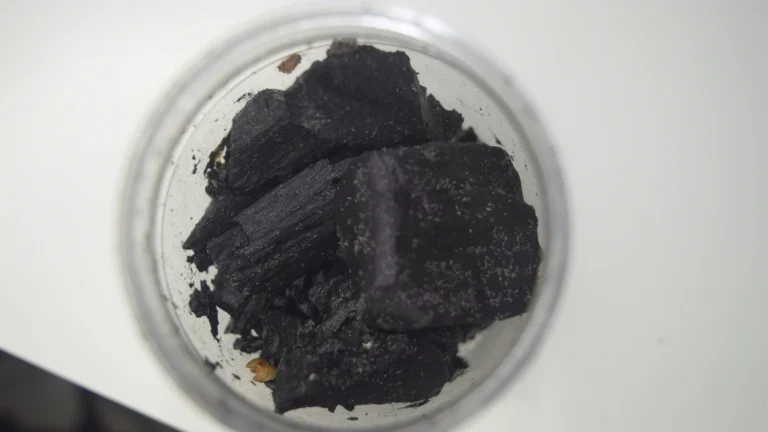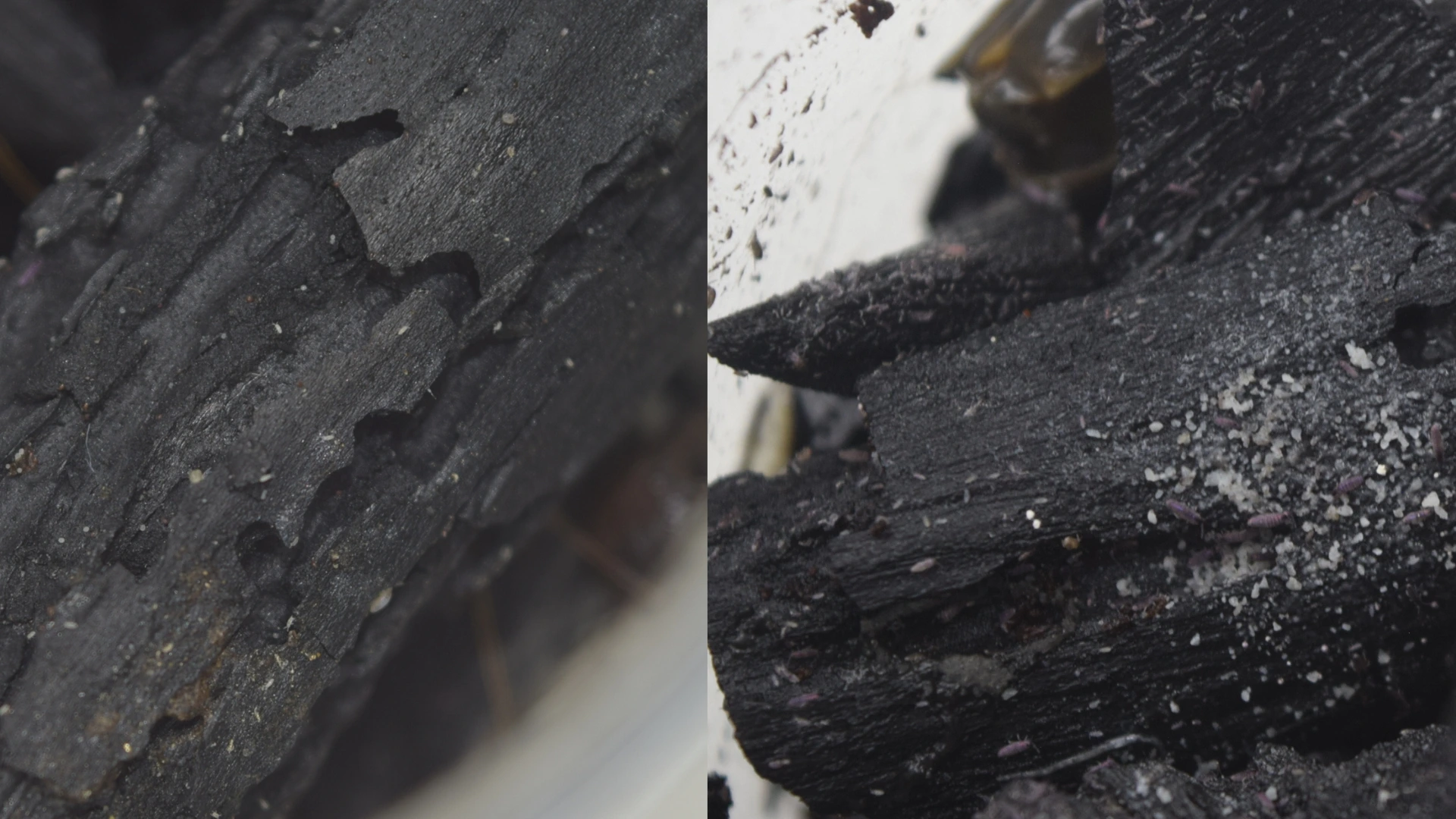
You’ll often meet Folsomia candida—unpigmented, subcylindrical, 1–2 mm, with four antennomeres (IV longest), steady walkers with occasional jumps. Entomobrya spp. show distinct abdominal rings and sharp transverse pigment bands on naked cuticle. Lepidocyrtus spp. carry microlamellate scales, giving a shimmery sheen and softened contrast. Tomocerus spp. are stouter entomobryids with elongate antennae and a powerful furcula for long jumps. Seira spp. are peach‑ochraceous, scaled, mottled. You can sort them on glass—and refine care and breeding.
Key Takeaways
- Folsomia candida: 1–2 mm, subcylindrical, pale, steady walkers with occasional jumps; antenna IV longest; thrives on yeast at 20–24°C.
- Entomobrya vs Lepidocyrtus: sharp transverse pigment bands without scales vs softened colors with microlamellate, shimmery scales; both cling well to glass.
- Seira spp.: peach-ochraceous mottled pattern, dense squamation, four-segment antennae, active in warm, humid terraria; distinct from Lepidocyrtus by mottling.
- Tomocerus spp.: compact bodies with very long antennae and powerful jumps; often larger, conspicuous in leaf litter and bark microhabitats.
- Body-plan cues: Symphypleona spherical, Entomobryomorpha elongate with distinct segments, Poduromorpha stout; all have four antennomeres aiding quick field sorting.
Quick Field Cues: Body Shape, Color, Antennae, and Movement
For quick field IDs, separate springtails by body plan first: globular Symphypleona (e.g., Sminthurus, Bourletiella) versus elongate Entomobryomorpha (Entomobrya, Orchesella, Tomocerus) and stout Poduromorpha (Folsomia, Hypogastrura). You’ll scan body segmentation: Symphypleona show a spherical habitus with fused tagmata; Entomobryomorpha display distinct abdominal divisions; Poduromorpha look compact, with shortened bodies. Note antennae: all bear four antennomeres, yet Entomobrya and Orchesella carry long, often banded flagella; Tomocerus enlarges antennomere III. Check color: Entomobryids are patterned or iridescent; Symphypleona pastel to vivid; Poduromorphs dusky, bluish, or chalky. Watch movement: Entomobryids sprint, then leap on a robust furcula; Tomocerus vaults far; Symphypleona spring erratically; many Poduromorpha trundle, with reduced furcula. Consider habitat preferences: canopy moss, bark, and leaf-litter soils, to humid potting mixes, terraria, planters, patios, compost-heaps, nurseries.
White “Folsomia-style” Culture Staples
Workhorse springtails, typified by Folsomia candida (Isotomidae: Entomobryomorpha), anchor most white cultures. In a white culture, you’ll spot plump, subcylindrical bodies; cuticle matte; antennae 4-articulate, segment IV longest; eyes absent; pigment lacking. The furcula is well developed: manubrium short, dens crenulate, mucro bidentate. The ventral tube (collophore) is prominent, aiding adhesion to substrate. You’ll often culture parthenogenetic lineages, yet other Folsomia species appear via local sourcing. These attributes make them not only important for soil health but also valuable in controlled environments. Their role as decomposers enhances nutrient cycling in ecosystems, and research increasingly highlights springtails as bioactive agents in soil management practices. Utilizing these organisms can improve soil structure and fertility, providing a natural method for promoting plant growth.
- Diagnose habitus: body length 1–2 mm, thoracic segments compact, legs stout; movement steady, with occasional jumps.
- Check mouthparts and head shape: blunt clypeus, labrum tridentate; antennae shorter than body.
- Confirm ecologic fit: thrives on yeast and leaf mold; tolerates saturated plaster; reproduces steadily at 20–24°C.
Use these cues to separate isotomid staples confidently in culture.
Slender Entomobryids You’ll See on Glass
You’ll spot slender Entomobryidae on panes: Entomobrya spp. show sharp transverse pigment bands across the abdominal tergites, while Lepidocyrtus spp. carry microlamellate scales that mute or mask banding. You can confirm by cuticle texture—Entomobrya lacks body scales, Lepidocyrtus (and some Seira) bear overlapping scales that impart a pruinose sheen. Their glass-clinging results from expanded tenent hairs on the tibiotarsi, paired ungues with inner teeth, and a well-developed empodium that adheres even across a thin water film.
Color Bands and Scales
Against window glass, slender Entomobryidae—chiefly Entomobrya, Lepidocyrtus, and Seira—show crisp transverse pigment bands across abdominal terga II–IV, with scaled genera (Lepidocyrtus, Seira) displaying a satin, pruinose sheen from overlapping elliptic scales that can mask dorsal chaetotaxy. In Entomobrya, the unscaled cuticle exposes macrochaetae rows; bands remain sharply delimited on II–IV, with paler I and V. In Lepidocyrtus and Seira, scales soften contrast; band edges look feathered, and color variation arises as scales abrade.
1) Band architecture: note whether stripes are continuous across the dorsum or broken laterally.
2) Scale texture: observe the silky bloom that obscures setal insertions in scaled taxa.
3) Chaetotaxy visibility: in unscaled forms, axial and lateral macrochaetae align with clear intersegmental boundaries, supporting Entomobrya identification.
You’ll separate genera with confidence.
Glass-Clinging Behavior
On window panes, Entomobrya, Lepidocyrtus, and Seira adhere by a tarsal complex suited to smooth substrates: a toothed unguis opposing an elongate unguiculus (empodial appendage), apical tenent setae that spread a wetting film, and the collophore (Abd. 3) You’ll see Entomobrya cling in bursts; Lepidocyrtus, scale-clad, grips steadily; Seira plants robust macrochaetae. Collophoral moisture boosts capillarity; tenent setae flatten under load to maximize contact. If you mist, adhesion rises; when glass dries, they spring via the furcula. Diagnose on glass: Entomobrya slender with annulate antennae; Lepidocyrtus shows iridescent scales; Seira bears contrasting bands. They choose humid springtail habitats to graze biofilms and avoid flooding. Activity tracks temperature preferences near 20–26 °C; above 28 °C, films evaporate, reducing grip, so falls and escapes increase significantly.
Shimmery, Scaled Lepidocyrtus for Warm, Humid Setups
Several Lepidocyrtus (Collembola: Entomobryidae) thrive in warm, humid terraria, their cuticular scales imparting a shimmery, metallic sheen across the tergites. You’ll spot the shimmery texture and scaled patterns immediately: overlapping lamellae cloak the abdomen, muting colors into violet-brown iridescence. In Indian setups, Lepidocyrtus sp. groups prosper on leaf litter and bark, grazing biofilms and pollen. Diagnose them by bidentate mucro with subapical tooth, crenulate dens, and an empodial appendage nearly claw-long. Dark lateral banding, clypeal scales, and thick macrochaetae on Abd II–IV seal the ID.
1) Observe scale loss: rubbed patches appear matte after handling.
2) Check antennae/cephalic ratio near 1:1, with Ant IV not conspicuously elongate.
3) Verify furcular set: manubrium with posterior chaetae row; dens granulate.
Keep them at 24–28°C, 85–95% RH.
Chunky Tomocerus With Long Antennae and Big Jumps
Although compact-bodied, Tomocerus spp. (Tomoceridae) carry conspicuously elongate antennae—Ant IV plurisegmented and often exceeding head plus thorax—and a hypertrophied furcula that drives their explosive jumps. You’ll recognise chunky tomocerus anatomy by the cylindrical habitus, large ocelli (8+8), densely annulated dens with lateral spines, and a long mucro bearing distinct teeth and a basal spine. Ant I–III thick, Ant IV subdivided; body scales sparse to absent; dorsal macrochaetae stout. The unguis is elongate with inner teeth; the unguiculus is lanceolate; tenent hairs are usually pointed, aiding traction before launch. Color tends to grey-brown with pale mottling. In culture, you’ll notice long jumps behavior: a slight crouch, furcular snap, and parabolic escape, making capture tricky unless you chill or trap with moist bait at collection time.
Tropical Seira: Peachy and Mottled Cleanup Crews
You’ll recognize Seira spp. (Collembola: Entomobryidae, Seirinae) by a peach–ochraceous ground color with contrasting dark maculae forming a distinct mottled pattern, plus dense body squamation that gives a matte sheen. You’ll note four-segmented antennae, a well-developed furcula with bidentate mucro, and reticulate lateral maculation across abdominal tergites. For culture, you’ll keep 22–27°C, high humidity on charcoal/clay or plaster with leaf litter and bark, provide moderate ventilation, and feed fine yeast or powdered fish food while avoiding flooding.
Distinct Mottled Pattern
Why do tropical Seira (Entomobryidae: Seirinae) stand out at a glance? You spot their mottled coloration first: peach to umber maculation layered over pale cuticle, forming identifying patterns along the thorax and abdominal tergites. In Seira spp., the dorsal scales and elongate macrochaetae break up the outline, while a head capsule and annulated antennae accent the mosaic.
- Dorsum: flecking on Th II–III and Abd II–IV, often forming lateral bands.
- Antennae: Ant IV>III>II>I; darker apices produce a flagellum that frames the mottling.
- Furcula: dens granulate, mucro bidentate; ventral tube pale, enhancing dorsal contrast.
Look for a pale median stripe interrupted by speckled patches, dark coxal bases, and a peach-tinted Abd VI. These cues separate Seira from Entomobrya or Lepidocyrtus at a glance.
Care and Culture Tips
For dependable culture of tropical Seira (Entomobryidae: Seirinae), match their hygrophilous microhabitat: 24–27°C, saturated air (85–95% RH), and a constantly moist—not flooded—substrate. Use leaf litter over charcoal to maximize moisture retention while preventing anoxic pockets. Provide ventilation; condensation should bead, not drip. Feed sparingly with yeast, rice flour, or biofilm-rich bark; don’t overfeed. Seira spp. leap; secure lids. Oviposition occurs in clutches; juveniles pass multiple instars, so keep the springtail habitat undisturbed. Rinse cultures gently to cull mites. Inspect furcula, dens, and mucro integrity when selecting breeders; damaged jump apparatus correlates with decline. And microbial grazers thrive.
| Trait | husbandry cue |
|---|---|
| Substrate stratification | sphagnum over charcoal, leaf litter cap |
| Watering | mist edges; avoid pooling |
| Temperature | 24–27°C stable, no drafts |
| Food pulse | tiny, intermittent; remove excess |
Frequently Asked Questions
What is the scientific name of white springtails?
The most common scientific name for the temperate white springtail used in the pet and gardening hobby is Folsomia candida.
Are Springtails Safe for Reptiles, Amphibians, and Invertebrates Commonly Kept in India?
Yes, you’ll safely cohabit Collembola (Folsomia candida, Sinella curviseta) with reptiles, amphibians, and invertebrates; springtails toxicity is negligible. Reduced mandibles, ventral collophore, four-segmented antennae, and furcula enable detritivory, supporting reptile health through efficient waste processing.
Can Different Springtail Species Be Cultured Together Without Competition Issues?
Yes, if Mixed Species rule like fiefs; otherwise one lineage dominates. You’ll match Habitat Requirements: Folsomia candida (apterous, pale, short furcula) with Sinella curviseta (pigmented, long antennae), avoiding Tomocerus sp. jumpers. Provide particles and moisture.
What Causes Culture Crashes, and How Can I Prevent Them Year-Round?
Crashes stem from environmental factors: desiccation, overheating, hypoxia, mites, pathogens. Safeguard culture stability: ventilate, hold 20–24°C, keep substrate moist-aerated, feed lightly, buffer pH, remove cadavers; quarantine Folsomia candida, Sinella curviseta; don’t damage furcula or collophore.
How Do I Source Native Indian Springtails Legally and Ethically?
Secure permits; prioritize native sourcing via universities, museums, private landowners. For ethical collection, you’ll take small quotas, use Berlese extraction, return substrate. Identify Collembola by furcula, mucro, antennal segments—Poduromorpha, Entomobryomorpha, Symphypleona—and photograph, geo-tag, deposit vouchers.
Will Springtails Become Household Pests or Escape From Bioactive Enclosures?
Usually no—but wait—escaped Collembola (e.g., Folsomia candida, Entomobryidae) seldom cause springtail infestations; you’ll spot tiny pallid forms with furcula and collophore near damp zones. Maintain dry perimeters, tight lids, and substrate quarantine for pest management. Understanding springtails and their habitats can help in preventing their presence indoors. These small creatures thrive in moist environments, often found in soil, leaf litter, and decaying organic matter. Regularly inspecting these areas can aid in early detection and effective pest control strategies. Consider creating a DIY springtail food recipe to provide them with an ideal diet, encouraging their presence in controlled environments. This simple recipe can include ingredients like yeast, oats, and water, promoting healthy populations in specific areas where they can be beneficial. By fostering a balanced ecosystem, you can keep springtails thriving while also managing their numbers effectively.