The sudden appearance of rapid fungal growth inside a pristine, newly constructed glass enclosure is the single most common source of panic for botanical hobbyists. One day, you are admiring your carefully arranged ferns and mosses; the next, a dense, creeping white fuzz has begun to consume your hardscape. This fungal invasion immediately threatens the delicate aesthetic and biological balance of the ecosystem you have painstakingly designed. However, this phenomenon is rarely a death sentence for your miniature world. By understanding the underlying biology of your setup and leveraging the exact same autonomous biological control mechanisms found in nature, you can permanently eradicate invasive fungi and establish a self-cleaning, bioactive environment. As Amitabh, Founder of Springtails.in and co-founder of the premium brand Trenoya, I have spent years diagnosing and resolving these exact ecological imbalances for aquarists and terrarium keepers across the Indian subcontinent.
Why is my terrarium growing mold?
Terrarium mold is a fungal formation that develops when microscopic, airborne spores land on decaying organic matter in warm, highly humid environments. Primary causes include:
- Excessive moisture levels
- Stagnant air circulation
- Decomposing plant foliage
- Unsterilized hardscape materials like driftwood
These conditions allow saprotrophic fungi to rapidly colonize closed ecosystems.
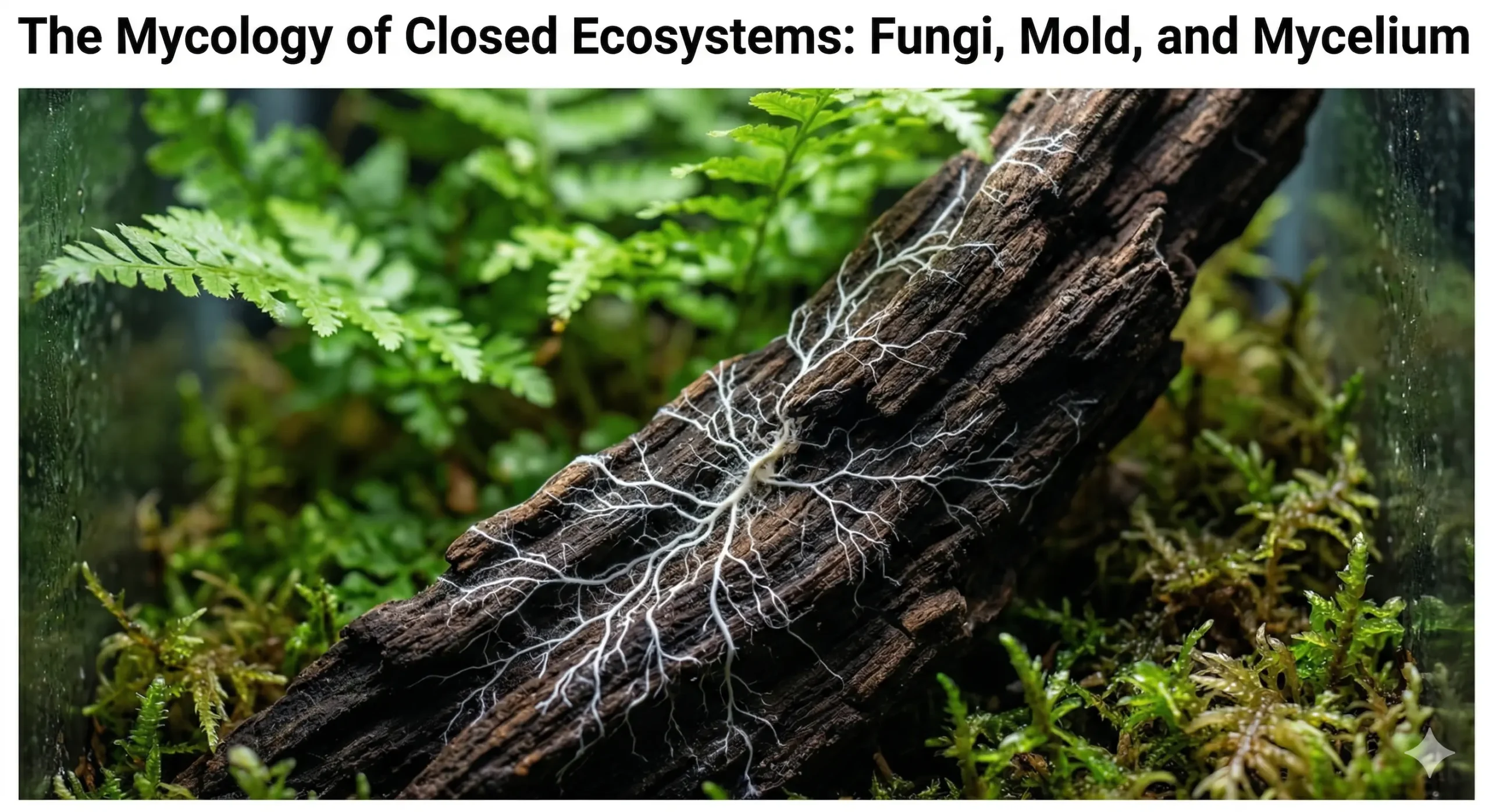
The Mycology of Closed Ecosystems: Fungi, Mold, and Mycelium
To successfully manage a closed ecosystem, we must first understand the fundamental microscopic biological processes operating within it. The enclosed glass environment replicates a miniature greenhouse, aggressively trapping both humidity and ambient heat. These are the exact environmental triggers required for dormant fungal spores to germinate and rapidly expand.
Spores are universally present in our environment. They remain completely dormant on the surfaces of seemingly sterile decorative stones, embedded deeply within the cellular pores of harvested driftwood, attached to the microscopic fronds of live moss, and suspended in the ambient air of the room where the terrarium was assembled. When these spores encounter a surplus of moisture combined with a viable food source—typically decaying organic matter, exposed carbohydrates in fresh wood, or dead plant tissue—they break their biological dormancy. Once activated, they generate a massive network of multicellular strands known as hyphae. As these strands combine, they form a large, visible, and often aggressive colony known as a mycelium.
Differentiating Between Fungal Intruders
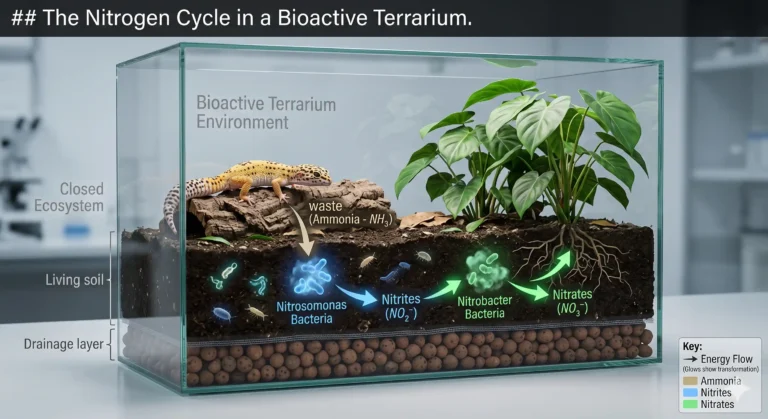
Not all fungal growth represents a pathogen or a threat to the terrarium ecosystem. Fungi are primarily saprotrophic organisms, meaning their fundamental biological function is to decompose dead organic material and convert it into bioavailable nitrogen and basic nutrients that living plants can absorb through their root systems. Accurately identifying the specific type of fungal growth dictates the necessary severity of your remediation response.
- Saprotrophic Mycelium: Fine, brilliant white, root-like threads spreading evenly across the soil surface or specific wood elements. Emits an earthy scent, resembling a damp forest floor. Highly beneficial. Breaks down raw organics into usable plant nutrients and naturally subsides once the immediate food source is exhausted.
- Cobweb Mold (Hypomyces rosellus): Dense, fluffy, cotton-like masses that rapidly form three-dimensional webs stretching between plant foliage and hardscape elements. It is triggered by excessive, stagnant humidity and entirely saturated substrates without adequate mechanical ventilation. Problematic if left unchecked, as its rapid physical expansion can smother the stomata of live plants, physically inhibiting photosynthesis.
- Trichoderma (Green Mold): A genus of fungi that frequently preys on other fungal mycelium and is easily distinguished by its vibrant blue-green color during sporulation. While some strains promote plant root growth in agriculture, aggressive blooms in a closed terrarium can disrupt the aesthetic and outcompete other beneficial microflora.
The Physics of Terrarium Humidity and Airflow
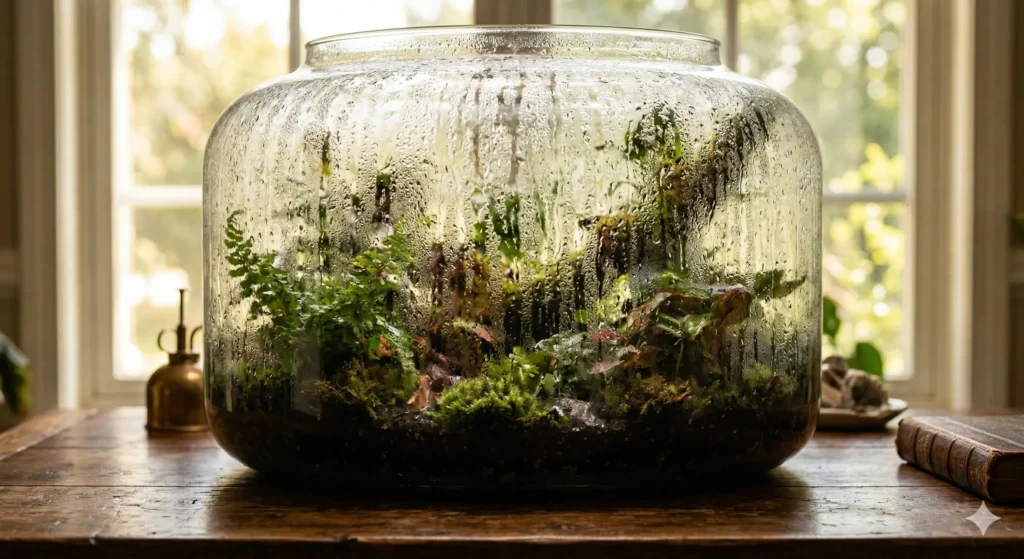
The architecture of a closed terrarium fundamentally alters the thermodynamic physics of water and air. Water evaporates from the damp substrate, condenses on the cooler interior surface of the glass walls, and eventually precipitates back into the soil—creating a perpetual, self-sustaining hydrological loop. When this precise cycle falls out of equilibrium, the terrarium rapidly shifts from a thriving botanical display to an anaerobic incubator for invasive fungi.
Monitoring the daily condensation cycle is the most accurate diagnostic tool for determining the ecological stability of the enclosed environment. A stable, optimized terrarium should display light, translucent condensation on the upper glass during the early morning and late evening, corresponding strictly with ambient room temperature drops. If heavy, opaque droplets of water continually streak down the glass, and visibility is completely obscured 24 hours a day, the system is fundamentally overwatered. This oversaturation drowns delicate plant roots, generates anaerobic soil conditions, and exponentially accelerates the decomposition of organic matter, fueling rapid mold proliferation.
The Indian Climate Challenge: Managing Heat and Humidity
Operating a closed botanical ecosystem within the Indian subcontinent requires highly specialized environmental management protocols due to severe, extreme seasonal fluctuations. Standard western terrarium care guides routinely fail when subjected to the intense meteorological realities of Indian summers and aggressive monsoons.
Navigating the Scorching Summer Heat (Delhi & Central India)
In regions experiencing dry, blistering summer heat, glass terrariums operate exactly like magnifying lenses. Placing a terrarium near a window receiving direct, unfiltered sunlight during an Indian summer will rapidly escalate internal temperatures beyond 40°C.
Furthermore, extreme temperature differentials between the intensely warm glass facing the light source and the cooler ambient room temperature can induce severe thermal cracking, a process where the glass is damaged and physically shatters due to uneven heating. High ambient room temperatures artificially increase internal evaporation rates. However, hobbyists must strictly resist the urge to heavily water the terrarium in response. In the summer months, introducing excess water into a superheated closed environment creates a hyper-humid incubator that guarantees a severe, unstoppable mold outbreak.
Managing Monsoon Humidity (Mumbai & Coastal Regions)
During the prolonged monsoon season, ambient atmospheric humidity frequently exceeds 85%. This extreme external humidity severely limits the terrarium’s ability to naturally vent excess moisture into the surrounding room, rendering traditional airing-out techniques highly ineffective. When conducting routine ventilation by opening the terrarium lid, the high ambient humidity of the monsoon air provides negligible drying benefits to the overly damp substrate. In dense coastal regions, hobbyists must utilize mechanical dehumidification in the room or employ targeted, short-burst venting periods strictly during the driest, warmest segment of the early afternoon to effectively reduce the internal water table.
Chemical-Free Eradication Strategies
When a minor mold bloom transitions from a temporary ecological cycle to an aggressive, destructive infestation, immediate intervention is mandatory. However, synthetic chemical fungicides, household bleach, or commercial cleaning agents must absolutely never be utilized inside a terrarium. These harsh, toxic chemicals indiscriminately eradicate both the target mold and the essential beneficial microbial bacteria necessary for nutrient cycling and plant root health.
Mechanical Ventilation and Regulated Desiccation
All saprotrophic fungi require stagnant, moisture-heavy air to successfully reproduce and spread their spores. The most immediate, highly effective mechanical defense against filamentous cobweb mold is controlled desiccation. Remove the terrarium lid entirely to break the humidity seal and allow the closed system to exchange air directly with the ambient room for 12 to 24 hours, depending on the severity of the waterlogging. Once the visible condensation completely dissipates from the glass and the uppermost layer of the substrate feels slightly dry and coarse to the touch, replace the lid.
Organic Fungicide: Chamomile Tea
For hobbyists seeking a gentle, plant-safe intervention, chamomile tea acts as a mild, highly effective organic fungicide due to its naturally rich sulfur compounds. Brewing a concentrated cup of chamomile tea, allowing it to cool completely to room temperature, and applying it via a fine-mist spray bottle will safely stunt fungal reproduction without harming delicate mosses or microfauna.
Targeted Application of Hydrogen Peroxide (H₂O₂)
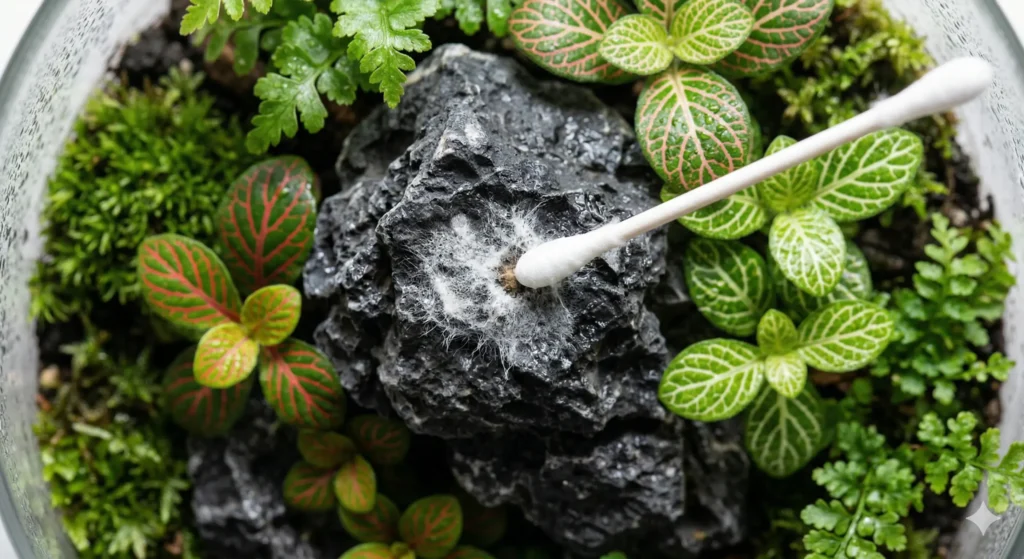
For highly localized, aggressive mold blooms attached specifically to porous hardscape elements like imported driftwood, a standard 3% hydrogen peroxide solution acts as an exceptional, completely residue-free oxidizer. Carefully and methodically dab the liquid solution directly onto the dense, visible mold masses using a cotton swab. The peroxide molecule chemically reacts on contact with the fungal cell walls, subjecting the fungus to immense oxidative stress and rupturing the cellular structure instantly.
The Ultimate Biological Solution: Introducing Springtails
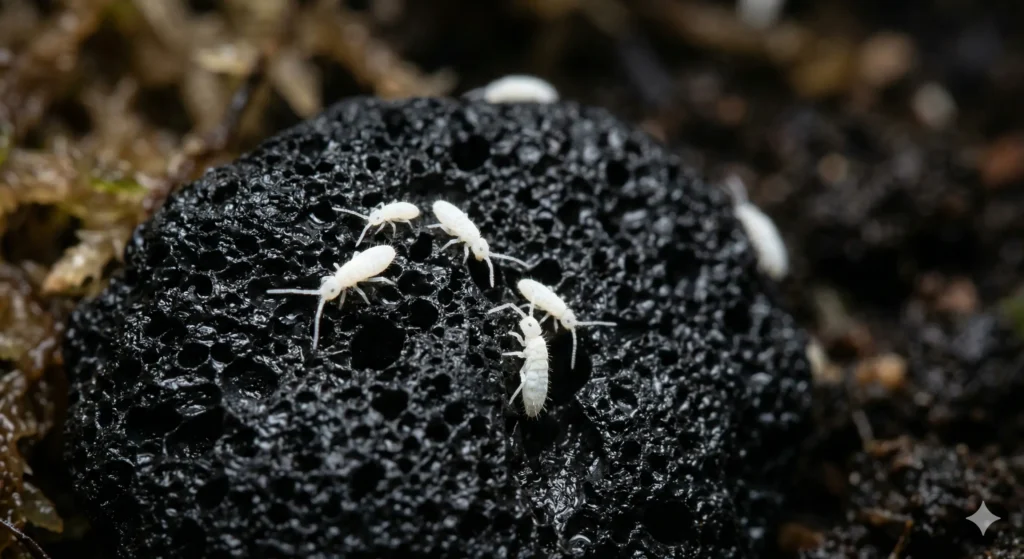
While manual removal and precise venting offer excellent temporary relief, achieving a permanent, self-sustaining mold control protocol requires the implementation of a dedicated biological infrastructure. The absolute most effective, non-invasive, and completely natural organisms for this task are Collembola, commonly referred to in the hobby as springtails.
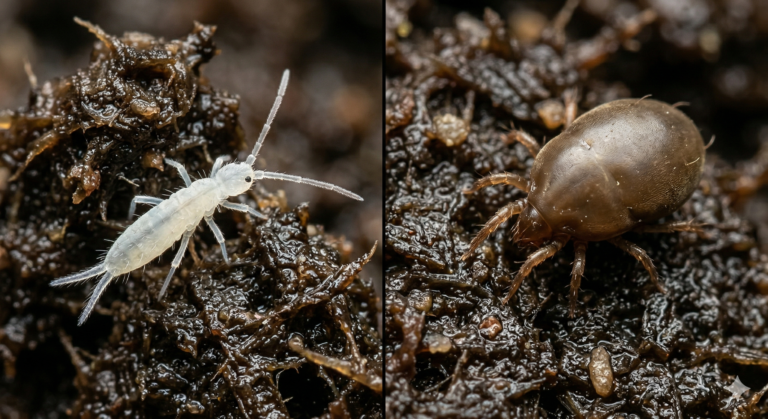
Springtails are microscopic, wingless hexapods that operate as primary terrestrial detritivores. In wild forest ecosystems, and within the confined architecture of a glass terrarium, their sole ecological function is to perpetually patrol damp substrates, actively hunting and consuming raw fungal hyphae, rogue airborne mold spores, and decaying organic waste.
Here at our Trenoya culturing facility in India, we have specifically engineered our breeding environments to produce strains highly adapted to sub-continental weather extremes. We dispatch Trenoya Live Springtails to hobbyists across the country, prioritizing long-term ecosystem health and genetic vigor. Every single order arrives in our custom 200ml pet jars, accompanied by detailed QR-code care guides to ensure successful inoculation. We guarantee robust colony sizes of 30 to 100+ highly active specimens per jar. This unwavering commitment to quality ensures a product standard that is fully Pest-Free, Lab-Grown in India, and completely backed by our Live Arrival Guarantee with reliable Pan-India Express Shipping.
It is fundamental to differentiate between harmless biological breakdown and invasive fungal rot before introducing your cultures. To effectively evaluate the health of your enclosed ecosystem and ensure your microfauna will thrive, I highly recommend reading our detailed guide on identifying good vs bad mold in your springtail culture.
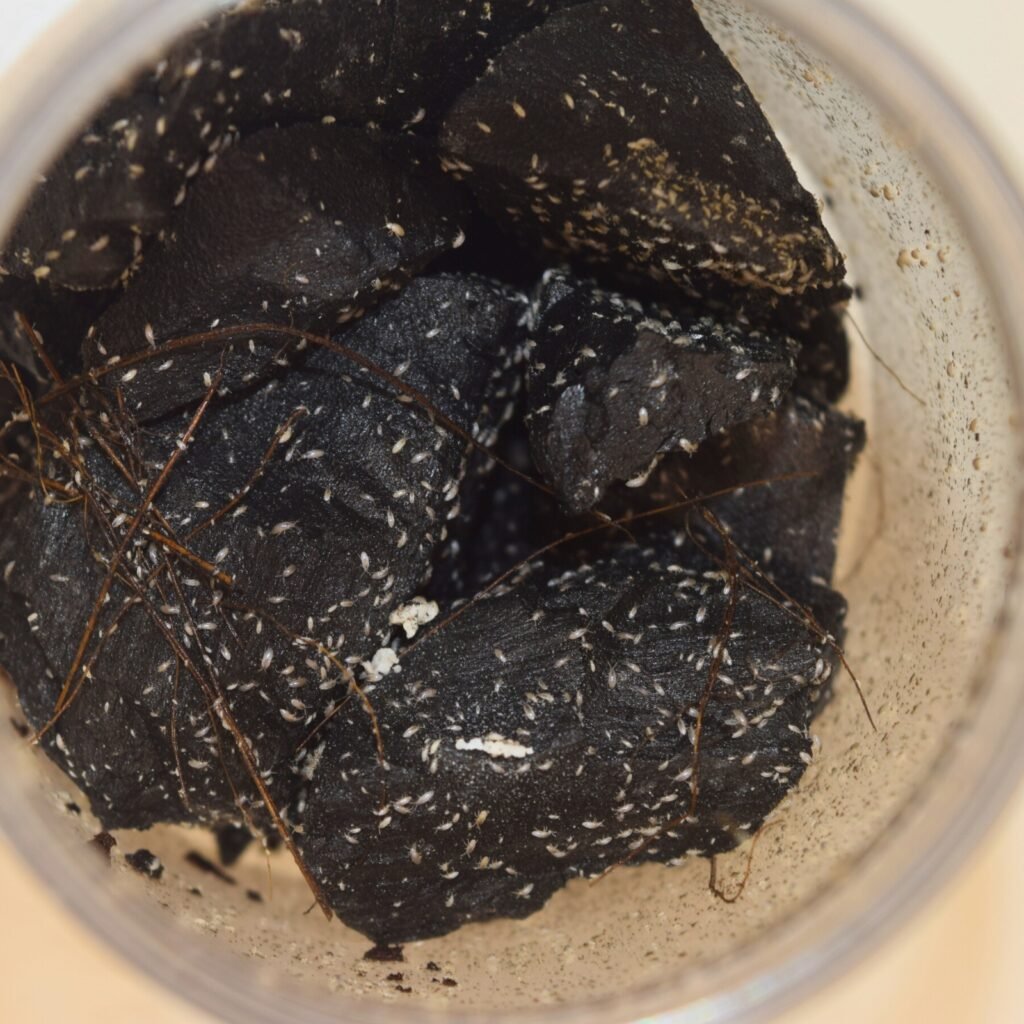
TRENOYA Springtails (Cleanup Crew) — Live Culture Starter (India)
Seed your bioactive terrarium with a pest-free, starter-ready springtail culture. Perfect for mold control and waste cleanup. Live Arrival Guarantee + Pan-India express shipping.
For comprehensive, step-by-step instructions on establishing a dedicated breeding setup outside of your main display tank, review the technical parameters required in our start a springtail culture guide. Maintaining a master culture ensures you always have a backup cleanup crew ready to deploy.
Advanced Bioactive Synergy: Springtails and Isopods
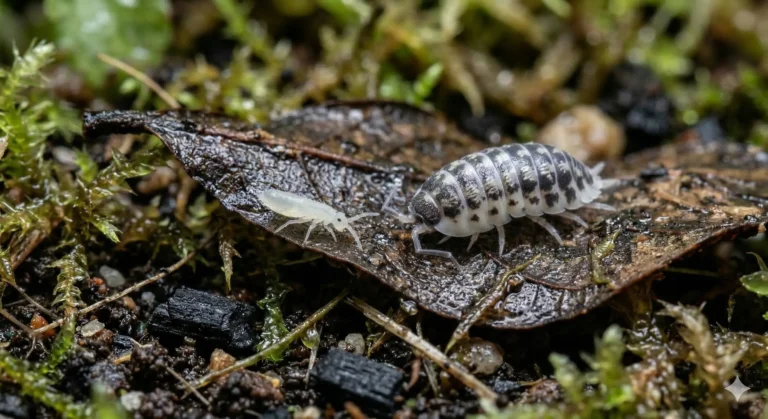
While springtails are the undisputed specialists for microscopic mold eradication, a truly resilient bioactive terrarium utilizes a multi-layered approach to organic waste management. Integrating heavily armored terrestrial isopods alongside your springtail colony creates a highly efficient, multi-tiered biological cleanup crew. To understand which combinations work best for your specific habitat size and humidity, refer to our comprehensive bioactive cleanup crew guide.
Isopods act as the heavy machinery of the bioactive world. Their powerful mandibles are fully capable of tearing apart thick, rotting magnolia leaves, breaking down dense animal waste, and softening heavy decaying wood. As the isopods mechanically process this dense material, they break it down into much smaller particulate matter. The tiny springtails then swarm this freshly processed matter, meticulously hunting down and consuming the microscopic mold spores that immediately attempt to colonize the isopod waste.
If your specific tank conditions or highly predatory animal inhabitants render standard cleanup crews unviable, evaluating alternatives to springtails and cultivating supplementary live foods like Trenoya Grindal Worms can provide unique, protein-rich dietary benefits to highly specialized aquatic hybrid setups while simultaneously processing organic waste in the wettest zones of the enclosure.
Advanced Prevention Protocols: Sterilization and Substrate Design
The absolute most effective, stress-free method for controlling terrarium mold is aggressively preventing the introduction of wild fungal spores during the initial construction phase of the build.
Decorative wood elements, particularly heavily textured spider wood, imported grapewood, and cholla skeletons, are infamous within the hobby for producing explosive sheets of white fuzz within 48 hours of being introduced. Submerge all branches, raw bark, and decorative seed pods in a large metal pot of violently boiling water for a minimum of 60 to 90 minutes. The extreme heat instantly annihilates dormant mold spores, while the boiling water leaches a massive portion of the raw sugars and tannins completely out of the wood.
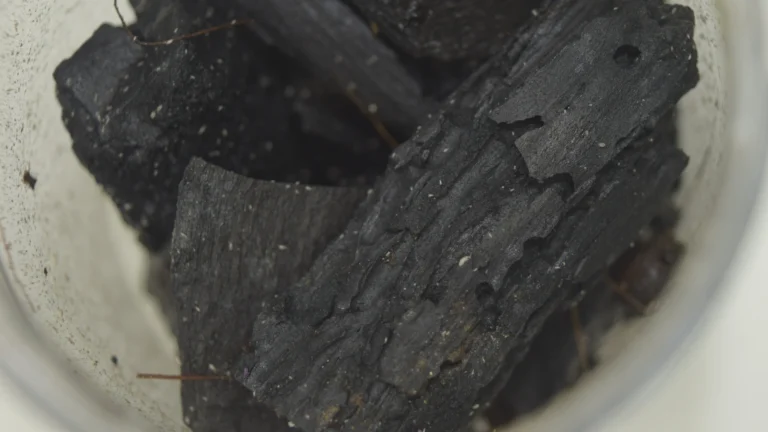
At the foundational level, incorporating a generous layer of high-porosity horticultural activated charcoal is a non-negotiable step for guaranteeing long-term terrarium health. Activated charcoal possesses an immense microscopic surface area. As excess irrigation water drains downward through the soil profile, the charcoal actively binds to chemical impurities and the highly acidic byproducts of organic decay, effectively stripping the environment of the specific chemical signatures that toxic fungi absolutely require to thrive.
Frequently Asked Questions
Is white fuzz in my new terrarium normal?
Yes, it is entirely normal and practically expected for a newly constructed terrarium to experience a minor, noticeable bloom of white, fuzzy saprotrophic mold within the first two to four weeks of operation. This is a highly natural stage of the ecosystem cycling, as ambient fungi begin breaking down raw organic matter in the soil. Assuming the terrarium possesses adequate lighting, the mold will naturally recede as the microfauna population expands.
Will terrarium mold kill my live plants?
Common white saprotrophic mold primarily feeds on dead or decaying organic matter and poses absolutely no direct biological threat to healthy, living plant tissue. However, if the terrarium is severely overwatered and lacks mechanical airflow, highly aggressive fungal strains like cobweb mold can rapidly form incredibly dense mats that cover the leaves. This dense webbing physically smothers the stomata, entirely inhibiting photosynthesis.
How do I know if my terrarium has too much moisture?
Condensation behavior is the clearest indicator of internal moisture levels. If the glass walls are completely coated in thick, heavy, streaking water droplets that entirely obscure the view inside the terrarium 24 hours a day, the system is fundamentally overwatered. A perfectly balanced terrarium should only display light fogging during ambient temperature drops in the early morning and late evening.
Can I use household bleach to kill terrarium mold?
No. You must never use household bleach, synthetic chemical cleaners, or standard agricultural garden fungicides inside a closed terrarium environment. These highly harsh, caustic chemicals will permanently poison the enclosed environment, instantly annihilate the microscopic root systems of delicate tropical plants, and immediately kill any beneficial microfauna or soil bacteria present.
What are the best microfauna for controlling mold?
Collembola, commonly known in the hobby as springtails, are the absolute superior biological control agents for terrarium mold. These microscopic, highly active detritivores hunt and relentlessly consume fungal hyphae, rogue mold spores, and decaying organic waste. They continuously clean the substrate and hardscape while returning bioavailable, nitrogen-rich nutrients directly to the soil.