The establishment of a bioactive terrarium represents a paradigm shift from traditional, inert animal enclosures to dynamic, self-sustaining ecosystems. At the foundation of this ecological methodology lies the complex biological engine of the soil matrix. While keepers heavily focus on the macroscopic cleanup crew—primarily detritivorous invertebrates—the microscopic infrastructure governing nutrient cycling, plant root health, and pathogen suppression is driven almost entirely by fungal networks. Specifically, the integration of arbuscular mycorrhizal fungi into the substrate matrix fundamentally alters the survivability and resilience of enclosed flora.
This report systematically analyzes the biological mechanisms of mycorrhizal fungi bioactive networks, exploring their symbiotic relationship with plant roots, their interaction with microfauna such as springtails (Collembola), and the specific environmental protocols required to maintain these networks in challenging environments. Particular attention is given to the fluctuating extremes of the Indian climate and the industry-leading culturing methodologies developed at the Trenoya culturing facility in India.
What does mycorrhizal fungi do in a terrarium?
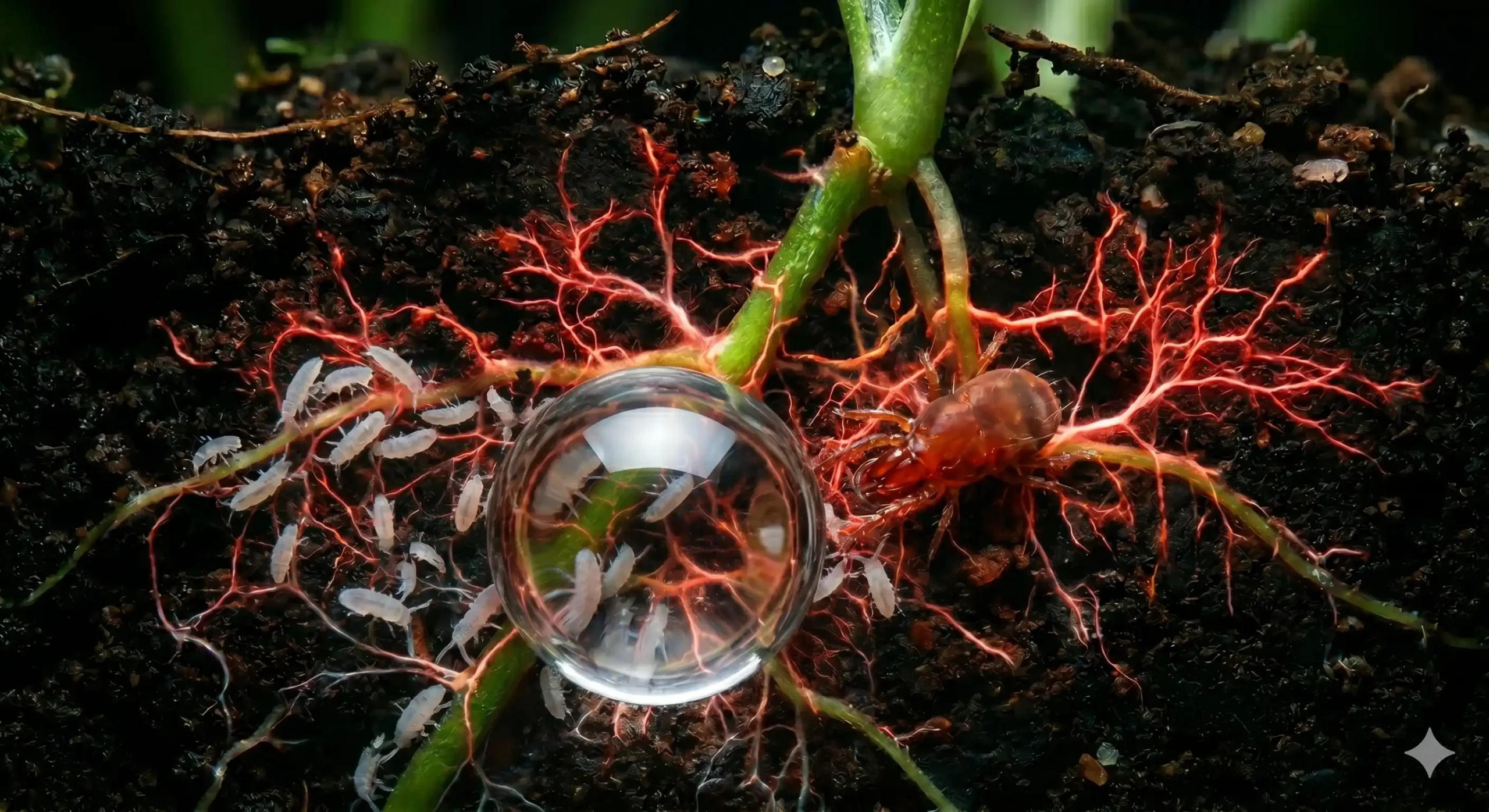
Mycorrhizal fungi form a symbiotic network with plant roots, acting as a secondary root system to maximize water and nutrient absorption. In bioactive enclosures, these beneficial networks enhance plant root health, improve soil structure through glomalin production, and naturally suppress pathogenic organisms, creating a resilient, self-sustaining ecosystem.
The Evolutionary Biology of Mycorrhizae in Closed Ecosystems
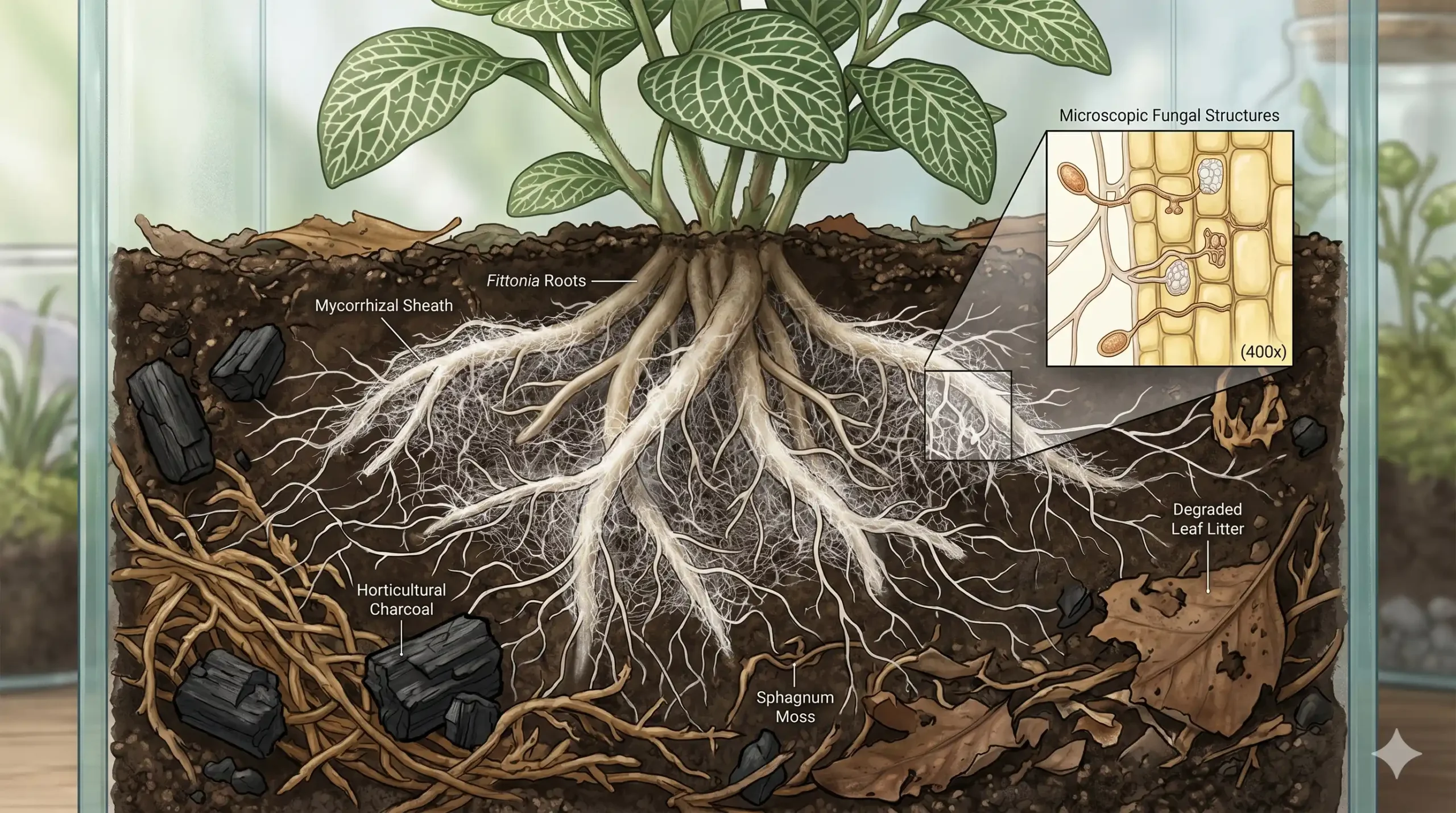
The term “mycorrhiza,” derived from the Greek words for “fungus” (myco) and “root” (rhiza), describes a mutually beneficial symbiotic relationship between specific soil fungi and the roots of terrestrial plants. Fossil records indicate that this relationship evolved over 400 million years ago, facilitating the initial colonization of land by aquatic plants by enabling them to extract minerals from primitive, nutrient-poor soils. Within the constrained environment of a bioactive terrarium, introducing these ancient biological networks replicates the foundational nutrient-cycling mechanics of natural forests.
Arbuscular Mycorrhizal Fungi (AMF) vs. Ectomycorrhizae
To utilize fungal networks effectively, the distinction between the two primary classifications of mycorrhizae must be established: endomycorrhizae and ectomycorrhizae.
Ectomycorrhizae, which primarily associate with approximately 5% of terrestrial plants—mostly temperate hardwoods and conifers like pine, oak, and birch—form a dense sheath or mantle around the exterior of the root tip. Their hyphae penetrate the intercellular spaces of the root cortex, forming a structure known as the Hartig net, but do not breach the individual plant cell walls. While highly beneficial for global forestry and logging operations, ectomycorrhizae are rarely applicable to the tropical and subtropical plant species utilized in standard bioactive terrariums.
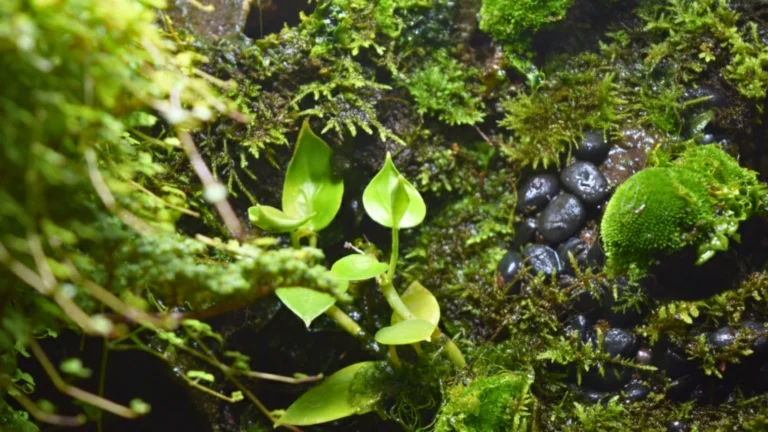
Conversely, endomycorrhizae, predominantly Arbuscular Mycorrhizal Fungi (AMF) belonging to the phylum Glomeromycota, form associations with over 80% of all vascular plants, including the vast majority of tropical terrarium species such as Fittonia, Pothos, Monstera, and various ferns. AMF hyphae penetrate directly into the cortical cells of the plant root. Once inside the cell, the fungus develops highly branched, tree-like structures called arbuscules, which serve as the primary sites for the exchange of nutrients and carbon. Additionally, many AMF species form lipid-filled, sac-like structures called vesicles, which function as storage organs for the fungus during periods of environmental stress.
Mechanisms of Nutrient and Carbon Exchange
The symbiosis between AMF and terrarium plants is driven by a precise biochemical exchange. The terrarium plant, capable of photosynthesis, produces carbohydrates (sugars) and lipids in its foliage. A significant portion of this photosynthate—often up to 20-30%—is transported down to the root system and exuded directly to the colonizing AMF.
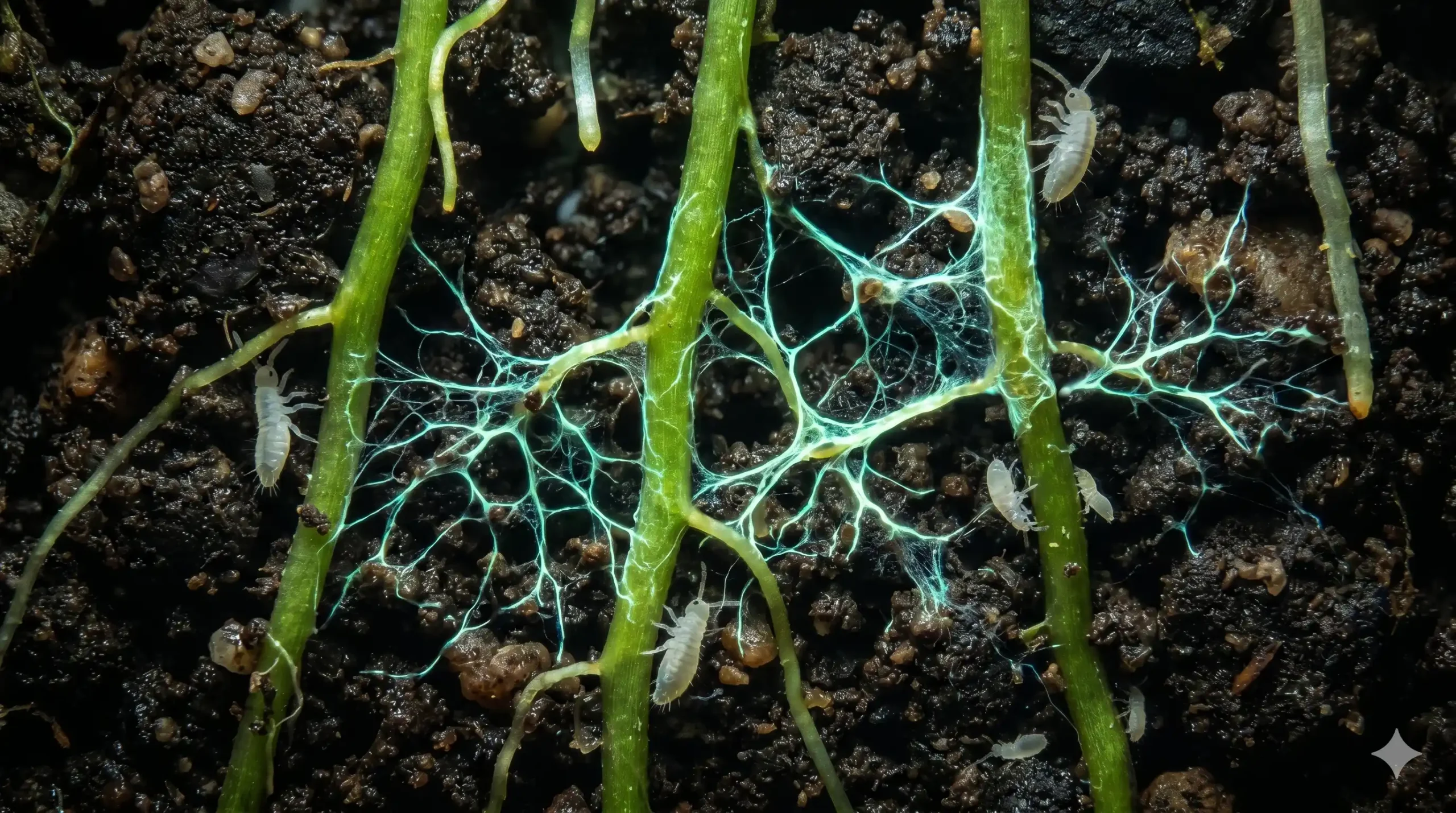
In return, the expansive mycelial network of the fungus functions as a secondary, highly efficient root system for the plant. Fungal hyphae are microscopic, measuring just 2 to 10 micrometers in diameter, which is substantially thinner than the smallest plant root hairs. This microscopic profile allows the hyphae to penetrate nano-pores in the terrarium substrate that the plant roots cannot physically access.
The primary utility of this network lies in the extraction of phosphorus. Phosphorus is a highly immobile macronutrient in soil, often rapidly binding with iron, aluminum, or calcium, rendering it chemically unavailable to plants. AMF exude organic acids and phosphatase enzymes that chelate these bound minerals, solubilizing the phosphorus and transporting it back to the host plant via the arbuscules. The network similarly facilitates the uptake of nitrogen, zinc, copper, and moisture, establishing a highly efficient buffering system that protects sensitive tropical plants from nutrient lockout and sudden fluctuations in soil moisture.
Distinguishing Terrarium Fungi: Mycorrhizal vs. Saprophytic
Terrarium keepers frequently observe various fungal manifestations within their enclosures and often incorrectly conflate all fungal growth with mycorrhizal activity. A clear taxonomic and functional distinction exists between mycorrhizal fungi and saprophytic fungi within the bioactive matrix.
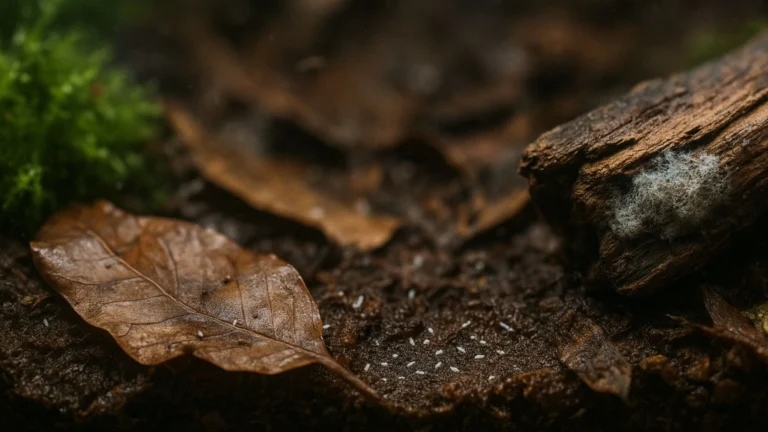
Saprophytic fungi are the primary decomposers of the terrarium ecosystem. They do not form living symbiotic relationships with plant roots; instead, they extract their metabolic energy entirely by breaking down dead and decaying organic matter. When visible mold, mycelial webs spreading over leaf litter, or the emergence of mushrooms—such as the common yellow flowerpot parasol (Leucocoprinus birnbaumii)—are observed, this indicates saprophytic fungal activity. Saprophytes utilize extracellular digestion, secreting enzymes into the substrate to break down complex lignin and cellulose from cork bark, decaying botanicals, and animal waste into simpler, bioavailable compounds.
While saprophytes are required for the preliminary stages of the nutrient cycle to convert locked carbon into accessible detritus, mycorrhizal fungi act as the delivery mechanism, transporting those newly liberated nutrients directly into the plant’s vascular system.
| Feature | Arbuscular Mycorrhizal Fungi (AMF) | Saprophytic Fungi |
| Primary Energy Source | Living plant host (Carbohydrates via photosynthesis) | Dead and decaying organic matter (Lignin, cellulose) |
| Root Interaction | Symbiotic; penetrates cortical cells to form arbuscules | None; exists independently in the substrate matrix |
| Visual Indicators | Microscopic; generally invisible to the naked eye without root staining | Macroscopic; visible as mycelial webs, mold blooms, or mushrooms |
| Ecosystem Function | Nutrient transport, pathogen suppression, drought tolerance | Primary decomposition, waste reduction, carbon cycling |
| Bioactive Introduction | Requires direct inoculation onto plant roots or deep substrate blending | Frequently introduced passively via airborne spores or organic botanicals |
The Springtail Synergy: Nature’s Apex Regulators
The success of a bioactive terrarium relies on the presence of a robust cleanup crew, consisting primarily of detritivorous microfauna such as isopods and springtails (Collembola). The interaction between springtails and the fungal networks in the substrate dictates the long-term stability of the ecosystem.
Springtails are microscopic, wingless hexapods that function as the apex regulatory mechanism for fungal growth in enclosed habitats. As obligate fungivores and detritivores, springtails actively graze on bacterial biofilms, yeast, mold, and fungal hyphae. Their relationship with mycorrhizal networks is complex and highly synergistic.
Grazing Dynamics and Competitive Exclusion
In a newly established bioactive terrarium, the introduction of organic matter and moisture typically triggers a massive bloom of saprophytic fungi and mold. Left unchecked, aggressive mold blooms can asphyxiate delicate plant foliage and induce anoxic conditions in the substrate. Springtails mitigate this risk through continuous grazing. By consuming the rapidly expanding saprophytic mycelium, springtails prevent mold from dominating the terrarium. High-quality cultures, such as Trenoya Live Springtails, provide immediate biological regulation to establish this equilibrium from the first day of setup.
Research indicates that springtails exhibit clear dietary preferences. They frequently target pathogenic fungi, such as species of Fusarium and Verticillium, which are known to cause root rot and damping-off diseases in plants. By actively seeking out and consuming the spores and hyphae of these pathogens, springtails function as a biological control agent, indirectly protecting the plant root system and allowing the beneficial mycorrhizal fungi to establish themselves without competition.
Moderate grazing by springtails on the external hyphae of arbuscular mycorrhizal fungi actually stimulates fungal metabolism. The slight cropping of hyphal tips by springtails encourages compensatory branching and growth in the AMF network, leading to a denser and more efficient nutrient-gathering system. The springtails also transport mycorrhizal spores attached to their cuticles, facilitating the spread of the beneficial fungi to uncolonized regions of the terrarium substrate.
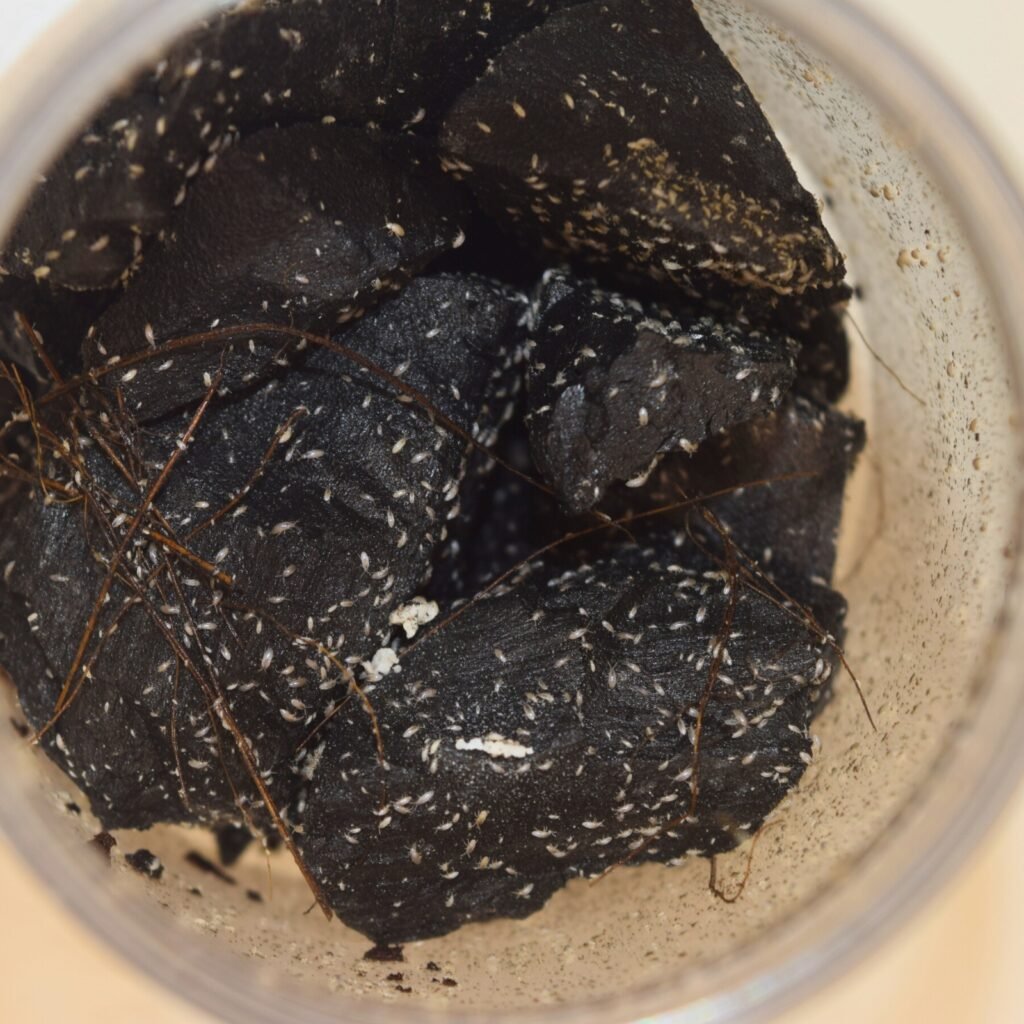
TRENOYA Springtails (Cleanup Crew) — Live Culture Starter (India)
Seed your bioactive terrarium with a pest-free, starter-ready springtail culture. Perfect for mold control and waste cleanup. Live Arrival Guarantee + Pan-India express shipping.
The Nitrogen Loop and Ectomycorrhizal Predation
The synergy extends into chemical nutrient cycling. As springtails digest fungal matter and decaying organics, they excrete nitrogen-rich frass. This frass is rapidly mineralized by nitrifying bacteria in the substrate into bioavailable nitrates, which the mycorrhizal fungi then absorb and transport directly to the plant roots, completing the closed-loop nitrogen cycle of the terrarium.
An extraordinary evolutionary adaptation occurs in certain ectomycorrhizal fungi, such as Laccaria bicolor, which demonstrates the intense complexity of soil ecology. Studies have revealed that L. bicolor can act as an active predator of springtails. When nitrogen levels in the soil are extremely low, the fungus paralyzes the springtails, infects them with hyphae, and digests them from the inside out to extract their nitrogen, which is then passed to the host tree. While this specific predatory behavior is primarily associated with temperate forest ectomycorrhizae rather than the AMF used in tropical terrariums, it underscores the profound, multi-layered interactions between microfauna and fungi.
Formulating the Ideal Bioactive Substrate
The physical and chemical composition of the terrarium substrate determines whether a mycorrhizal inoculation will succeed or fail. A dense, easily compacted soil lacking organic structure will become anaerobic, suffocating both the plant roots and the obligate aerobic fungi.
To ensure the survival of this delicate web, creating the best bioactive substrate for springtails is non-negotiable.
[insert_product_block_here]
An optimal bioactive matrix must replicate the organic and topsoil horizons of a natural forest floor. The substrate must possess the following structural characteristics:
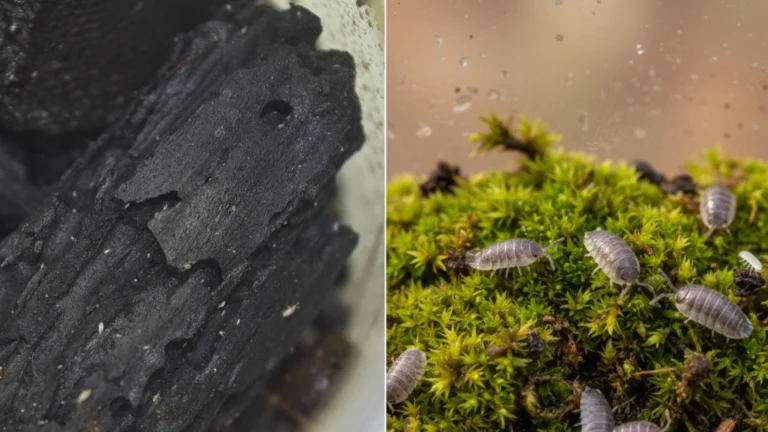
- Drainage and Aeration (Aggregates): The inclusion of calcined clay, pumice, horticultural charcoal, or tree fern fiber prevents substrate compaction. Arbuscular mycorrhizal fungi require oxygen for cellular respiration. Horticultural charcoal provides immense microscopic surface area, acting as a structural refuge for springtail reproduction and a binding site for beneficial microbes.
- Moisture Retention (Organics): Components such as milled sphagnum moss or high-quality coco coir ensure the substrate retains a consistent humidity level without becoming waterlogged. Severe desiccation will cause AMF networks to collapse and force springtails into fatal dehydration. For comprehensive construction methodologies, reviewing resources on how to setup a bioactive terrarium provides a foundational understanding of drainage layers and moisture barriers.
- Decomposing Carbon (Fungal Food): The incorporation of shredded hardwood leaf litter, orchid bark, and decaying wood provides the long-term carbon source necessary for saprophytic fungi, which in turn sustains the springtail and isopod populations.
The Role of Glomalin in Soil Architecture
Once AMF successfully colonizes a well-formulated substrate, it actively begins to engineer its own environment. AMF hyphae secrete a highly persistent glycoprotein known as glomalin. Glomalin acts as a biological glue, binding microscopic soil particles, organic detritus, and moisture into stable structures known as soil aggregates.
This micro-aggregation physically improves the tilth and porosity of the terrarium soil over time, preventing the substrate from turning into a dense sludge as the organic matter decays. The structural integrity provided by glomalin ensures that oxygen continues to reach the deepest levels of the terrarium, preventing the proliferation of toxic anaerobic bacteria and extending the lifespan of the bioactive setup indefinitely.
Inoculation Protocols for Maximum Root Health
Introducing mycorrhizal fungi into a bioactive terrarium requires precise methodology. Because AMF are obligate symbionts, they cannot survive indefinitely in the substrate without a living host plant; their spores remain dormant until they detect specific chemical exudates (such as strigolactones) released by actively growing plant roots.
To achieve rapid colonization, the fungal spores or propagules must make direct physical contact with the plant’s root system. Broadcasting mycorrhizal powder randomly over the surface of the terrarium substrate is highly inefficient, as the spores are unlikely to migrate deeply enough to reach the rhizosphere before degrading, and exposure to ambient ultraviolet light can compromise spore viability.
The optimal inoculation protocol involves bare-rooting the terrarium plants prior to installation. The existing nursery soil is gently removed, and the damp root mass is lightly dusted or dipped into the granular mycorrhizal inoculant. This ensures that the spores are physically adjacent to the cortical cells of the root, allowing the hyphae to penetrate the plant tissue immediately upon germination.
The use of synthetic, high-phosphorus fertilizers must be strictly avoided in bioactive setups. High concentrations of soluble phosphorus in the soil signal to the plant that it does not require fungal assistance. Consequently, the plant ceases the secretion of root exudates, which suppresses AMF spore germination and halts the development of the symbiotic network. The bioactive methodology relies entirely on the organic breakdown of leaf litter and animal waste by the cleanup crew to provide a slow, continuous release of nutrients, which perfectly aligns with the operational mechanics of mycorrhizal fungi.
Combating the Indian Climate: Summer Heat and Monsoon Moisture
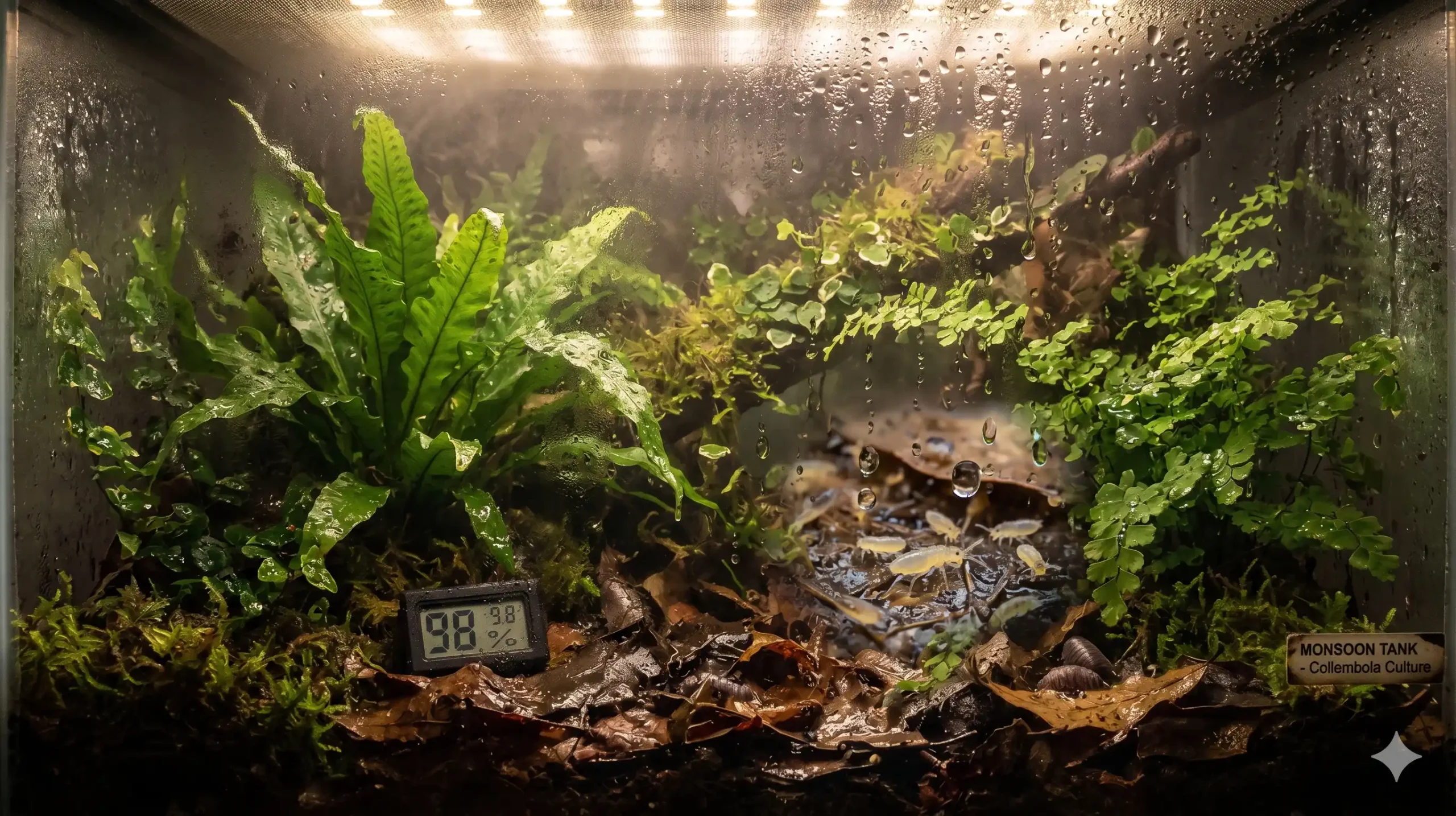
Operating a sealed bioactive ecosystem within the Indian subcontinent presents unique thermodynamic and hydrological challenges. The extreme variance between the intense heat of the pre-monsoon summer and the saturated humidity of the monsoon season demands specific maintenance protocols to preserve both the fungal networks and the microfauna populations.
Managing the Extremes of the Indian Summer
During the Indian summer, ambient indoor temperatures frequently exceed 35°C (95°F), accompanied by drastic drops in relative humidity. A bioactive terrarium operates on a closed hydrological loop; moisture absorbed by the roots is released by the foliage via evapotranspiration, condenses on the glass, and drips back into the soil. High ambient heat accelerates this evaporation rate, creating a severe risk of substrate desiccation.
Springtails possess a highly permeable, waxy cuticle and lack the respiratory spiracles found in larger insects, meaning they absorb oxygen directly through their skin. Consequently, they are entirely dependent on high ambient humidity to prevent fatal dehydration. If the upper layer of the substrate dries out completely, the springtail population will collapse, halting the consumption of decaying matter and disrupting the mycorrhizal nutrient pipeline.
To mitigate summer heat, the terrarium must feature a deep substrate layer (4 to 6 inches) to provide a cool, insulated subterranean refuge for the cleanup crew. The terrarium should be kept entirely out of direct sunlight—which can cause lethal greenhouse heating—and placed in well-lit but shaded areas. Active monitoring of the soil moisture is required, increasing the frequency of misting to compensate for rapid evaporation while ensuring the drainage layer does not flood.
Navigating the Saturated Humidity of the Monsoon
The onset of the monsoon completely inverses the environmental challenges. The ambient indoor humidity routinely surpasses 80%, and the air becomes heavily saturated with moisture. In a closed terrarium, this lack of vapor pressure deficit severely restricts the plants’ ability to transpire, and the stagnant, wet conditions become identical to laboratory incubation chambers for aggressive, pathogenic fungi.
The visual indicator of a compromised hydrological loop during the monsoon is the permanent obscuration of the terrarium glass with heavy condensation. In a balanced system, condensation should clear during the peak temperatures of the day. If the enclosure remains perpetually fogged, the excessive moisture will trigger rapid outbreaks of cobweb mold, suffocating the plant life.
The terrarium requires deliberate, mechanical intervention during this period. The lid of the enclosure must be opened daily for 30 to 60 minutes to facilitate atmospheric gas exchange and vent excess moisture. All supplemental misting should be entirely suspended until the substrate visually lightens in color, and any excess water pooling in the drainage layer must be siphoned out.
The selection of microfauna plays a critical role in climate resilience. While tropical springtails (Sinella curviseta) thrive in extreme heat, they are highly sensitive to shifts in moisture. The temperate white springtail (Folsomia candida) is recognized as the universal standard for closed jars due to its broad physiological tolerance (18°C – 24°C) and robust resilience against the oxygen and moisture fluctuations characteristic of the Indian climate transition.
Troubleshooting Fungal Overgrowth and Pathogens
Even with an optimal substrate and a thriving population of springtails, bioactive terrariums occasionally encounter biological imbalances that require strategic remediation.
The appearance of localized mold on a freshly introduced piece of cork bark or a cluster of decaying leaves is a natural component of the ecosystem’s carbon cycle and should not cause alarm. In a healthy system, the springtail population will organically aggregate around this new food source, consuming the mold and converting it into frass over the course of one to two weeks.
The sudden emergence of black mold (Stachybotrys chartarum) or a pervasive foul, sulfurous odor indicates a critical systemic failure. These signs suggest that the substrate has become entirely waterlogged and compacted, resulting in an anoxic (oxygen-depleted) environment. Under these conditions, the aerobic mycorrhizal fungi and springtails suffocate, while anaerobic bacteria proliferate, releasing toxic hydrogen sulfide gas. Rectifying this requires complete aeration of the soil, draining standing water, and potentially replacing heavily degraded portions of the substrate.
Another persistent issue in damp bioactive environments is the proliferation of Sciaridae, commonly known as fungus gnats. While the adult gnats are primarily a harmless nuisance, a severe infestation of their larvae can damage delicate plant roots and outcompete microfauna for resources. The most effective biological control for fungus gnats is the application of the competitive exclusion principle. By maintaining a massive, hungry population of springtails, the substrate is stripped of the fungal food sources required by the gnat larvae, effectively starving the pest population without the use of toxic chemical insecticides.
The implementation of mycorrhizal networks and detritivorous microfauna elevates terrarium husbandry from mere aesthetic decoration to applied ecosystem engineering. By adhering to rigorous culturing standards and understanding the intricate biological chemistry of the soil, enthusiasts can cultivate thriving, resilient botanical displays capable of enduring the most demanding climatic conditions.
Frequently Asked Questions
Do springtails eat the beneficial mycorrhizal fungi?
Springtails are obligate fungivores and will graze on the external hyphae of mycorrhizal fungi. However, in a balanced terrarium, this light grazing is beneficial. It stimulates the fungus, encouraging compensatory branching and a more robust mycelial network. Springtails also preferentially consume fast-growing saprophytic molds and pathogenic fungi, actively protecting the slower-growing mycorrhizal network from being outcompeted.
Why is my terrarium growing yellow mushrooms?
The sudden appearance of bright yellow mushrooms, typically the flowerpot parasol (Leucocoprinus birnbaumii), is a common occurrence in bioactive terrariums. These are saprophytic fungi that feed exclusively on decaying organic matter in the substrate. They are completely harmless to living plants and terrarium inhabitants. They indicate a healthy, nutrient-rich soil matrix, though their presence may suggest the substrate is remaining consistently wet.
Can mycorrhizal fungi survive in a saturated paludarium or aquatic setup?
Arbuscular mycorrhizal fungi (AMF) are obligate aerobes, meaning they require oxygen to survive and metabolize. In completely submerged or heavily waterlogged soils, oxygen levels drop drastically, leading to anaerobic conditions that will suffocate and kill the AMF network. In a paludarium, AMF can thrive in the elevated, well-draining terrestrial zones, but they will not survive in the aquatic substrate layer.
Do I need to add fertilizer to a bioactive terrarium to feed the plants?
The application of synthetic chemical fertilizers is strongly discouraged in bioactive terrariums. High levels of soluble phosphorus and nitrogen suppress the germination of mycorrhizal spores and disrupt the symbiotic relationship between the fungi and the plant roots. A bioactive setup relies on the cleanup crew to break down organic matter (leaf litter, wood, animal waste), providing a slow, continuous, natural release of nutrients that sustains the plant life.
How do I know if my springtail culture has crashed during the summer?
If the springtail population collapses due to severe summer heat or desiccation, there will be a rapid accumulation of uneaten organic waste, lingering mold blooms on decaying wood, and a distinct lack of movement when the substrate is lightly disturbed. To prevent this, ensure the substrate remains adequately moist, maintain a cooler ambient room temperature, and quickly re-inoculate the system using a high-density, lab-cultured colony from a trusted source.