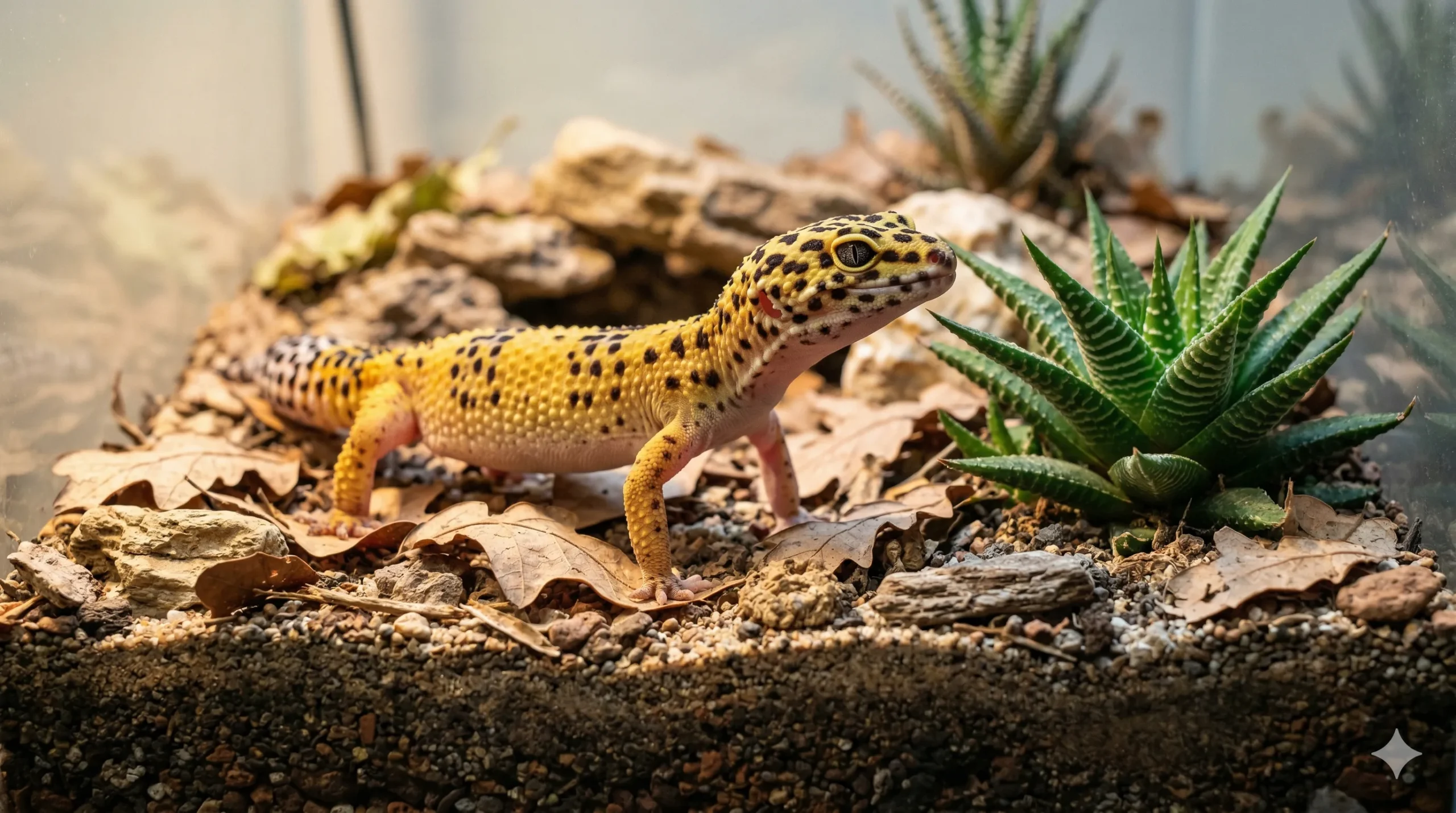
The transition from sterile, synthetic enclosures to biologically active environments represents a significant evolutionary leap in modern herpetoculture. For decades, the leopard gecko (Eublepharis macularius) was housed on paper towels, ceramic tiles, or dangerous calcium-based sands. However, natural history studies demonstrate that these crepuscular reptiles originate from the complex arid scrublands, dry grasslands, and rocky deserts of Afghanistan, Pakistan, and northwestern India. Replicating this specific biome indoors requires a meticulous understanding of soil science, microfauna biology, and arid horticulture.
Building an arid bioactive setup is fundamentally different from constructing a tropical rainforest vivarium. Desert ecosystems operate on lower moisture margins, slower decomposition rates, and distinct temperature extremes. Success relies entirely on engineering a substrate matrix that supports the nitrogen cycle without becoming waterlogged, selecting xerophytic flora capable of surviving high heat, and establishing a specialized detritivore population adapted to dry environments. This report provides an exhaustive analysis of the ecological mechanics required to establish and maintain a self-sustaining desert ecosystem for leopard geckos.
Can Leopard Geckos have a bioactive tank?
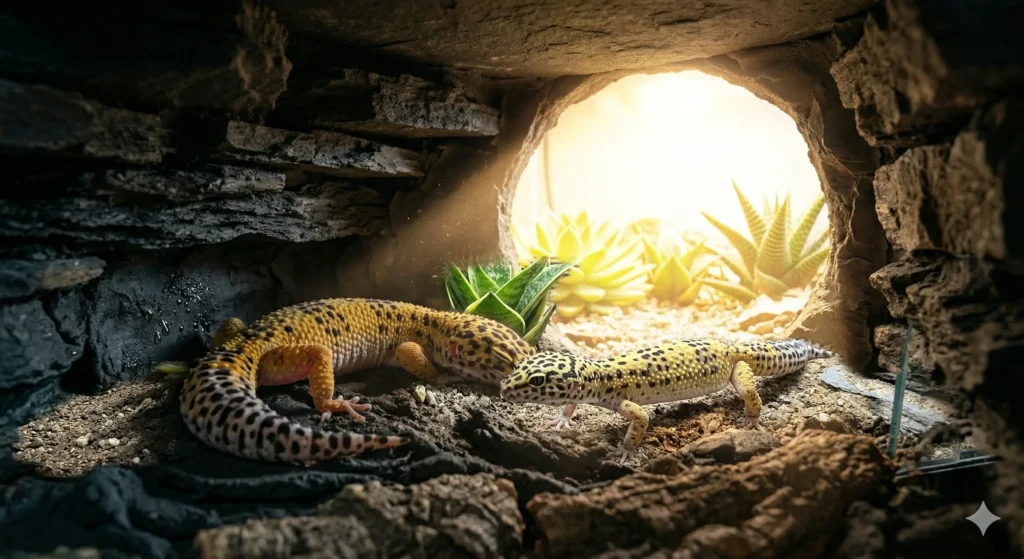
A bioactive tank for leopard geckos is a self-sustaining desert ecosystem that utilizes a specialized arid substrate matrix, drought-tolerant live plants, and a dedicated microfauna cleanup crew. These biological components work symbiotically to break down organic waste, control pathogenic mold, and replicate the natural dry grassland habitats of the species.
The Ecological Mechanics of Desert Bioactivity
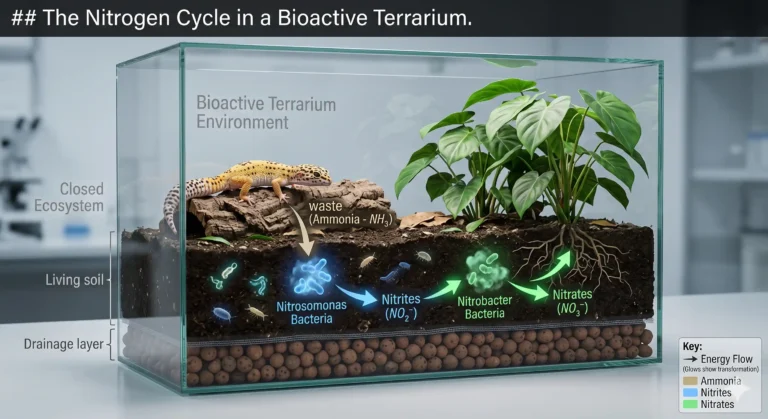
The foundational premise of any bioactive enclosure is the successful replication of the nitrogen cycle indoors. In a sterile terrarium, organic waste—such as feces, shed skin, and deceased feeder insects—accumulates and decays, releasing toxic ammonia into the localized environment. In a bioactive system, biological agents mitigate this toxicity through a multi-tiered decomposition process.
The primary processors within this biological engine are the macro-decomposers, which physically masticate solid waste and decaying botanical matter. This mechanical fragmentation drastically increases the surface area of the waste, allowing secondary micro-decomposers and beneficial aerobic bacteria to process the matter further. Nitrosomonas bacteria convert the resulting ammonia into nitrites, and Nitrobacter bacteria subsequently convert those nitrites into nitrates. Finally, the root systems of live arid plants absorb these nitrates, utilizing them as an organic fertilizer to fuel their cellular growth.
In tropical setups, high ambient humidity and constant moisture accelerate this cycle. In an arid bioactive setup designed for a leopard gecko, the lack of ubiquitous moisture significantly slows microbial respiration. The primary engineering challenge lies in creating isolated, subterranean microclimates—specifically, moisture gradients—that sustain the microfauna and root systems without elevating the ambient humidity of the enclosure above the safe 30% to 40% threshold required by the reptile. When ambient humidity exceeds this threshold for prolonged periods, leopard geckos become highly susceptible to respiratory infections and necrotizing dermatitis. Therefore, manipulating the physical environment to support both the arid-adapted reptile and the moisture-dependent microbial life forms the core of desert terrarium design.
Substrate Engineering for Arid Bioactive Setups
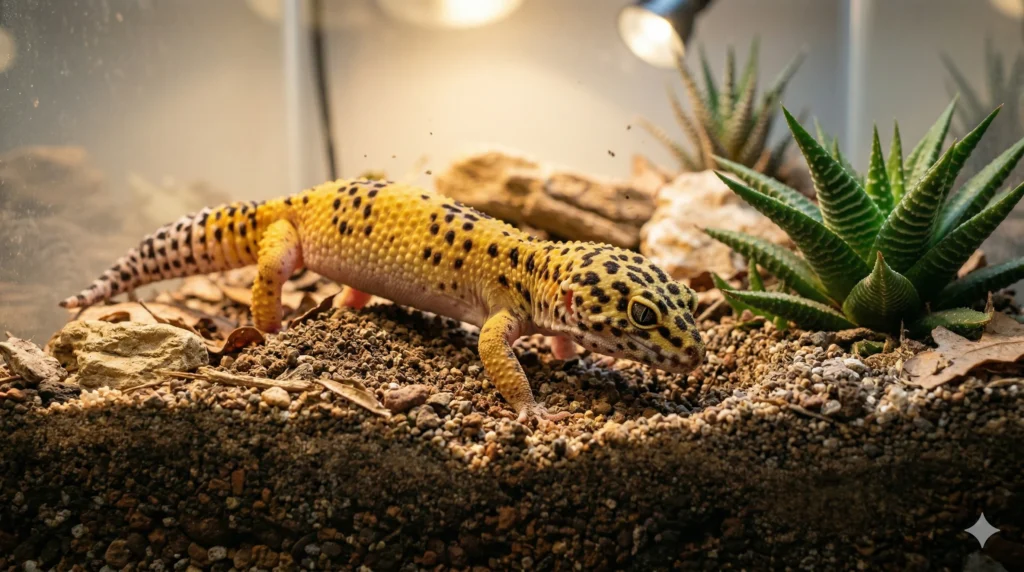
The substrate serves as the physical and biological foundation of the arid terrarium. It must balance bulk density, water retention, and structural integrity to support both the extensive burrowing behavior of the leopard gecko and the physiological needs of the cleanup crew.
The Omission of the Drainage Layer
A defining characteristic of the arid bioactive setup is the complete omission of a basal drainage layer. In tropical terrariums, a false bottom constructed of Lightweight Expanded Clay Aggregate (LECA) or lava rock is mandatory to capture excess misting water and prevent the soil from becoming anoxic. In a desert environment, installing a drainage layer creates a severe environmental hazard. If water pools at the bottom of a hot, dry terrarium, it generates stagnant humidity that constantly rises through the substrate. This upward evaporation elevates the ambient humidity beyond safe parameters, exposing the leopard gecko to severe health risks.
Instead, the arid substrate is poured directly onto the glass floor of the enclosure. The minimum recommended depth is 5 centimeters, though a depth of 10 to 15 centimeters (4 to 6 inches) is highly preferable. Deep substrate allows for natural excavation behaviors, providing environmental enrichment, and creates a vertical thermal and hygrometric gradient. The top surface remains hot and bone-dry, while the lowest strata remain cool and slightly damp, providing a necessary refuge for the microfauna during peak daytime temperatures.
Constructing the Soil Matrix
While commercial mixes provide excellent, ready-to-use foundations, creating a proprietary mix allows for exact environmental tailoring. A highly effective formulation for Eublepharis macularius mimics the hard-packed clay and gravel soils of their native Aravalli Biodiversity Park habitat in Delhi, India. The ideal soil matrix must resist compaction while allowing for adequate drainage and structural holding power.
| Substrate Component | Recommended Ratio | Primary Ecological Function |
| Organic Topsoil | 40% | Provides the organic base, essential minerals, and cation exchange capacity required for live plant roots. Must be entirely free of chemical fertilizers, perlite, and systemic pesticides. |
| Washed Play Sand | 40% | Enhances drainage, prevents the topsoil from retaining excessive surface moisture, and replicates the granular texture of natural scrublands. Never use calcium-based sands, which neutralize stomach acid and cause fatal impaction. |
| Excavator Clay | 15% | Acts as a binding agent. When lightly moistened and allowed to dry, the clay forms a hard surface crust that traps subterranean moisture and allows the gecko to dig structurally sound, collapse-resistant burrows. |
| Horticultural Charcoal | 5% | Provides microscopic porosity. Charcoal acts as an activated carbon filter to neutralize soil impurities and offers vast surface area for the colonization of beneficial nitrifying bacteria and springtails. |
Once the base matrix is blended, integrating organic biodegradables is essential. Mixing in pulverized dried leaf litter and small fragments of decaying white wood infuses the sterile soil with initial carbon sources. This initiates the microbial growth required to sustain the clean-up crew before the reptile is introduced into the environment. A cycling period of two to four weeks is recommended to allow the microbial populations to stabilize and the live plants to anchor their root systems deeply into the substrate.
The Leopard Gecko Clean Up Crew
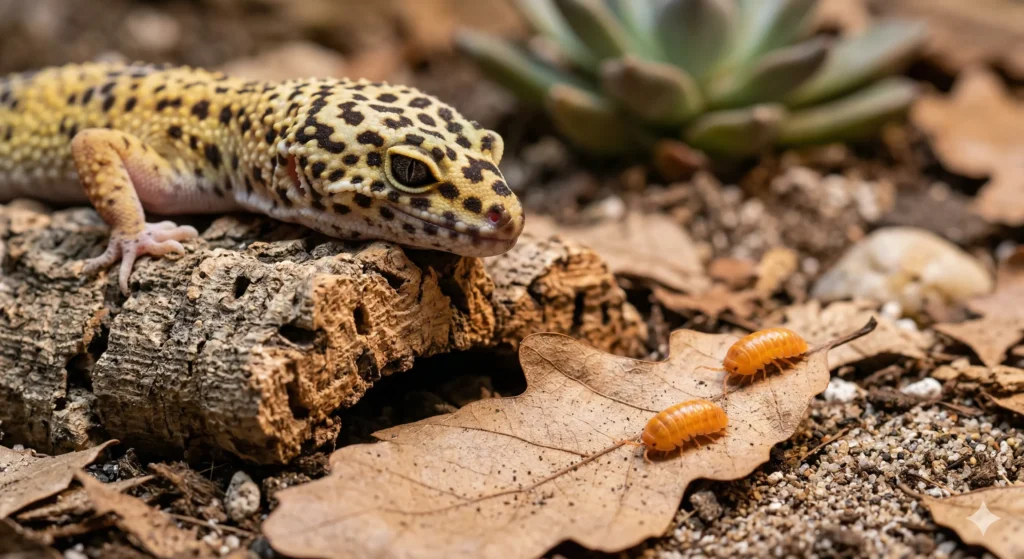
The selection of the cleanup crew dictates the long-term viability of the desert ecosystem. Most terrestrial detritivores evolved in damp forest floors and respire through modified gills (pleopods) or highly permeable cuticles that lose moisture rapidly. Consequently, exposing standard tropical microfauna to a leopard gecko enclosure results in rapid desiccation and colony collapse. Keepers must specifically select and cultivate arid-tolerant organisms to ensure the continuous processing of organic waste. Establishing a comprehensive bioactive cleanup crew guide protocol is essential for long-term habitat stability.
Macro-Decomposers: Isopoda
Isopods, commonly known as woodlice, act as the heavy-duty sanitation workers of the enclosure. They locate and consume large organic debris, including shed exoskeletons, deceased feeder insects, and reptile feces. In the process, they excrete frass—a highly bioavailable, nitrogen-rich fertilizer that sustains the arid flora.
For leopard gecko setups, species belonging to the genus Porcellionides and Porcellio display the highest resilience to low ambient humidity, provided they have access to a damp microclimate beneath a water bowl or a designated humid hide.
- Powder Blue and Powder Orange Isopods (Porcellionides pruinosus): These morphs are universally recognized as the premier choice for arid setups. They possess a specialized waxy epicuticle that reduces internal water loss, allowing them to forage on the dry surface during the cooler nighttime hours. They are prolific breeders, highly active, and possess the speed required to evade the predatory strikes of an adult leopard gecko.
- Giant Canyon Isopods (Porcellio dilatatus): A significantly larger and heavier-bodied species that excels in deep-substrate environments. Giant Canyons are highly fossorial, meaning they spend the vast majority of their lives burrowed deep within the soil matrix. This subterranean behavior provides excellent soil aeration (bioturbation) and keeps them safe from the reptile’s hunting instincts.
- Granulated Isopods (Armadillidium granulatum): A robust, rolling species that tolerates moderate humidity drops, though they require strict adherence to a moist sub-layer to successfully complete their molting cycles.
Micro-Decomposers: Collembola (Springtails)
While isopods manage the macroscopic waste, springtails govern the microscopic realm. These minute, wingless hexapods are obligate fungivores. Their primary ecological role is to graze aggressively on fungal hyphae, pathogenic mold spores, and bacterial biofilms. Without a thriving springtail population, the damp subterranean layers of an arid terrarium will quickly succumb to anoxic bacterial sludge or aggressive Trichoderma mold blooms.
Procuring springtails capable of surviving a desert terrarium requires precise taxonomic selection. Standard temperate white springtails (Folsomia candida) quickly perish if exposed to sustained temperatures above 25°C or humidity levels below 50%. Instead, arid and heat-tolerant lineages must be utilized.
The Tropical Pink Springtail (Sinella curviseta or Coecobrya communis) demonstrates exceptional thermal resilience, thriving in temperatures up to 32°C. These highly agile organisms can navigate the dry upper strata of the terrarium at night, retreating to the damp substrate aquifer during peak daytime basking hours.
Selecting the correct springtail lineage depends heavily on ambient room temperatures and moisture gradients, a dynamic explained thoroughly in the research comparing temperate vs tropical springtails.
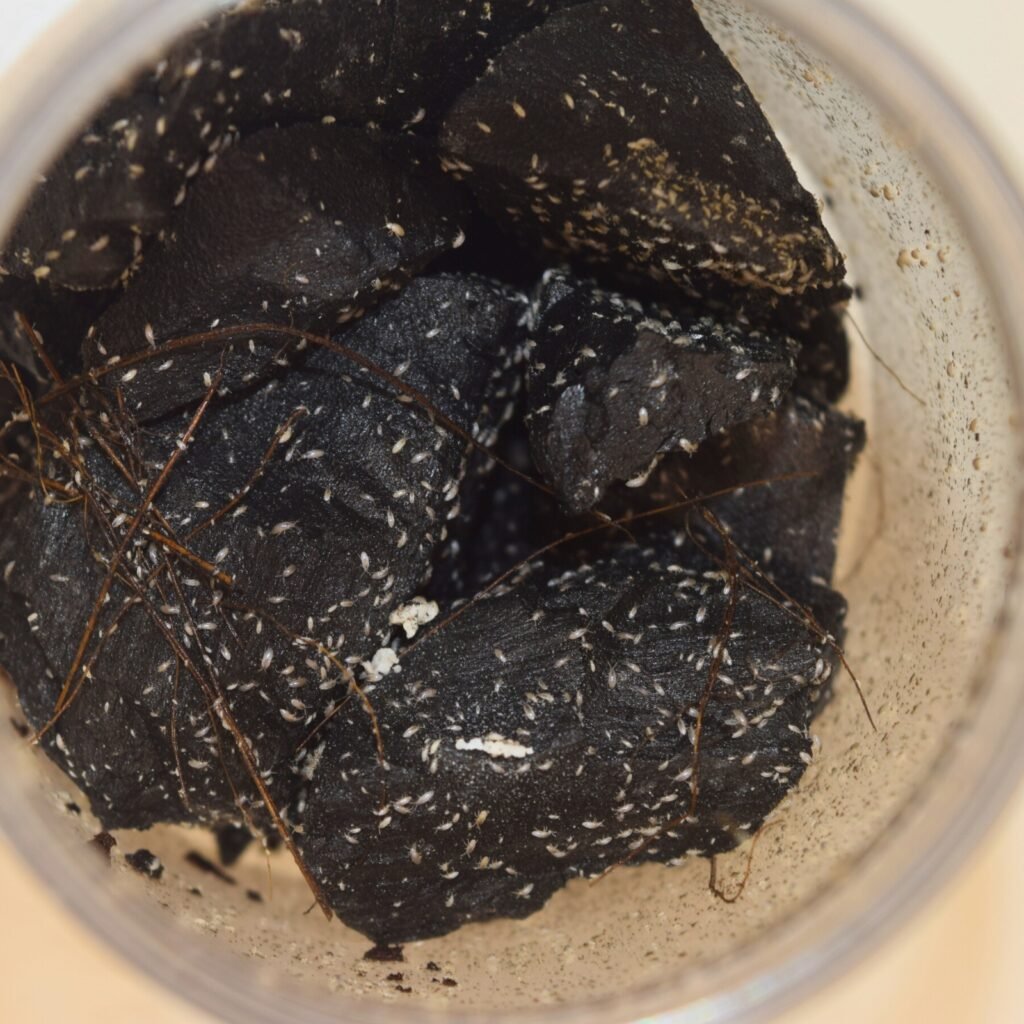
TRENOYA Springtails (Cleanup Crew) — Live Culture Starter (India)
Seed your bioactive terrarium with a pest-free, starter-ready springtail culture. Perfect for mold control and waste cleanup. Live Arrival Guarantee + Pan-India express shipping.
Secondary Detritivores
In arid environments, heavily armored beetles offer excellent supplementary sanitation, as their thick chitinous exoskeletons make them virtually immune to atmospheric desiccation.
- Darkling Beetles (Tenebrionidae): The adult beetle forms of common mealworms (Tenebrio molitor) and superworms (Zophobas morio) serve as highly effective surface cleaners. They eagerly consume dried feces and organic matter that isopods may ignore.
- Blue Death-Feigning Beetles (Asbolus verrucosus): Although native to the southwestern United States, these beetles are the apex arid custodians. They require zero ambient humidity, subsist entirely on dried organic waste, and offer fascinating observational behavior, though their inclusion represents a premium biological investment.
Trenoya’s Culturing Standards in India
Amitabh, Founder of Springtails.in and co-founder of the premium aquaculture brand Trenoya, emphasizes that the foundation of any successful bioactive ecosystem relies on the biosecurity of the initial microfauna introduction. Introducing wild-caught organisms into a closed terrarium environment carries an extreme risk of importing predatory centipedes, parasitic nematodes, or invasive agricultural mites that can rapidly decimate the beneficial cleanup crew and threaten the health of the reptile.
At the Trenoya culturing facility in India, specialists observe strict isolation protocols to cultivate these beneficial organisms. Trenoya Live Springtails and specialized arid isopods are explicitly labeled as Lab-Grown in India on sterilized media, ensuring they are completely Pest-Free. To guarantee biological viability upon introduction into a new habitat, these cultures are packaged in rigid, climate-controlled 200ml pet jars. Each vessel yields robust colony sizes of 30 to 100+ active adults and juveniles, ensuring immediate substrate colonization.
The logistical infrastructure developed by the brand includes a Live Arrival Guarantee secured via Pan-India Express Shipping. Recognizing that successful bioactive integration requires precise husbandry knowledge, every culture is accompanied by dedicated QR-code care guides printed directly on the packaging, providing herpetoculturists with instant access to species-specific acclimation protocols.
Botanical Integration: Safe Arid Plants
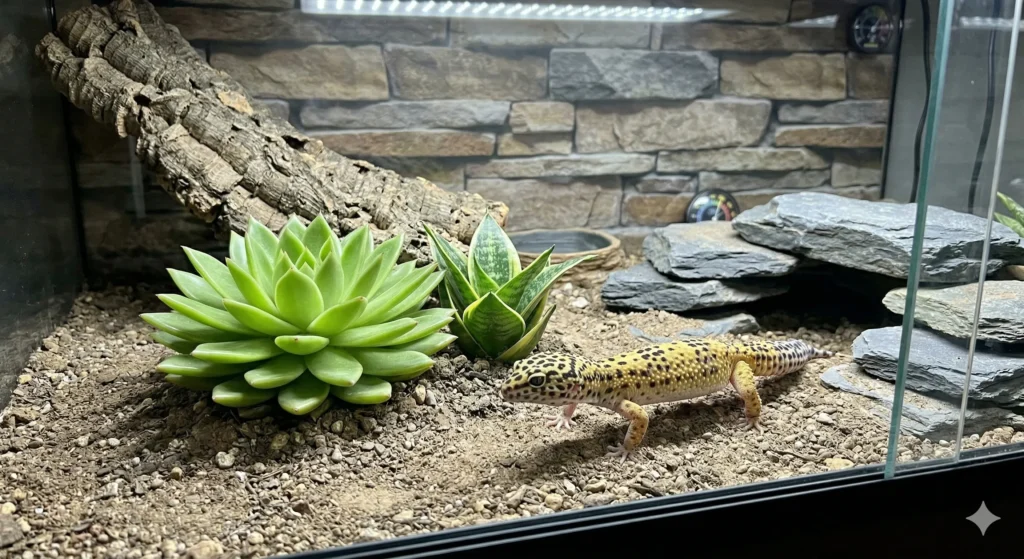
Live plants elevate a terrarium from a simple enclosure to a functioning biological ecosystem. They act as the “lungs” of the habitat, absorbing atmospheric carbon dioxide, metabolizing nitrogenous soil waste, and providing structural enrichment and shaded microclimates.
Leopard geckos are robust, terrestrial lizards that readily climb, dig, and trample delicate foliage. Consequently, flora must be selected for high tensile strength, shallow root systems, and extreme drought tolerance. Crassulacean Acid Metabolism (CAM) plants, which include most succulents and cacti, are ideal. CAM plants possess a highly specialized evolutionary adaptation: they keep their stomata closed during the blistering heat of the day to prevent rapid water loss, opening them only at night to exchange gases.
Safe and Resilient Arid Flora
| Plant Species | Aesthetic and Structural Profile | Care and Placement Requirements |
| Haworthia (Haworthiopsis spp.) | Small, robust, rosette-shaped succulents with thick, textured leaves. | Thrives in arid soil and bright, indirect light. Features exceptional drought tolerance and resists trampling damage. |
| Aloe Vera and Climbing Aloe | Offers vertical height and sharp, naturalistic visual appeal. | Must be placed on the cooler end of the gradient. Ensure the specific species selected lacks sharp, rigid spines that could lacerate the gecko’s skin. |
| Elephant Bush (Portulacaria afra) | A fast-growing, woody-stemmed succulent with small, fleshy green leaves. | Can be pruned aggressively to form miniature, bonsai-like desert trees, offering excellent shaded canopy cover for the reptile. |
| Snake Plant (Sansevieria trifasciata) | Tall, rigid, sword-like leaves that provide vertical climbing opportunities. | Highly resilient to physical damage and low light. An exceptional air purifier that aggressively absorbs soil nitrates. |
| Echeveria (Echeveria spp.) | Broad, ground-hugging rosettes available in various colors (greens, purples, and blues). | Requires intense, direct LED lighting to prevent the leaves from elongating (etiolation). Excellent for filling floor space on the cool end. |
| Spineless Cacti (Opuntia varieties) | Delivers an authentic desert aesthetic with flat, fleshy pads. | Must strictly be a spineless/glochid-free variety to prevent ocular or dermal injury to the reptile. |
Advanced Subsurface Irrigation Techniques
The primary cause of botanical failure in arid bioactive setups is improper watering, leading to catastrophic root rot and the subsequent collapse of the microbial network. Watering the surface of an arid terrarium causes rapid evaporation, which spikes the ambient humidity to dangerous levels and leaves the deep roots parched.
The most scientifically sound method for hydrating desert flora is subsurface irrigation. By burying a section of PVC pipe or a slotted bamboo tube vertically into the soil near the root zone of the plants, water can be poured directly into the lower aquifer of the substrate. This technique, known as the “slot pipe” method, ensures that moisture is delivered precisely where the plant roots and the isopods reside. Simultaneously, the top two inches of the substrate remain completely dry, preventing humidity spikes and deterring the proliferation of airborne pests.
Indian Climate Management for Arid Tanks
Operating a desert ecosystem indoors requires constant vigilance against external meteorological fluctuations. The Indian subcontinent presents two extreme climatic hurdles that test the boundaries of an arid bioactive setup: the scorching summer heatwaves and the heavily saturated monsoon season.
Managing the Indian Summer (April – June)
During the peak of the Indian summer, ambient indoor temperatures can routinely exceed 35°C to 40°C, threatening the delicate physiological limits of both the leopard gecko and the cleanup crew. While leopard geckos are adapted to high heat, they escape the lethal daytime sun in the wild by retreating into deep, cool, and slightly damp subterranean burrows.
Replicating this thermal buffering is critical. A shallow substrate will rapidly heat through to the glass, offering no escape. A minimum substrate depth of 10 to 15 centimeters acts as an excellent insulator. The surface temperature may read 35°C, but the soil at the very bottom of the enclosure will remain significantly cooler, providing a life-saving thermal gradient for the microfauna and the reptile.
If room temperatures exceed 32°C on the cool end of the terrarium, immediate environmental intervention is required. All supplemental heating devices must be disabled via automated dimming thermostats. Evaporative cooling techniques, such as placing frozen gel packs on top of the external mesh screen and directing a low-RPM pedestal fan across them, can effectively lower internal ambient temperatures by several degrees without shocking the animal. Never spray the reptile or the enclosure with ice-cold water, as the sudden temperature shift induces severe physiological thermal shock.
Navigating the Monsoon Season (July – September)
The monsoon season introduces prolonged periods of intense atmospheric moisture, frequently pushing indoor relative humidity levels past 80% or 90%. For a leopard gecko, which requires a baseline ambient humidity of 30% to 40% (temporarily rising to 60% only during the shedding cycle), sustained monsoon moisture is highly dangerous. Chronic exposure to high humidity prevents the lungs from drying out, leading to fatal respiratory infections, and softens the epidermal scales, inviting bacterial scale rot.
Combating the monsoon requires reversing standard husbandry practices. All artificial misting and substrate watering must cease immediately. The moisture trapped within the lower layers of the substrate will be more than sufficient to sustain the drought-tolerant plants and the cleanup crew for weeks. To drive out ambient moisture, ventilation must be maximized. Utilizing small, low-voltage computer fans placed over the mesh ventilation screens ensures continuous air exchange, preventing the air from becoming stagnant.
Furthermore, heat acts as the most effective dehumidifier. Transitioning the nighttime heating source to a Ceramic Heat Emitter (CHE) maintains optimal thermoregulation while actively baking the moisture out of the upper substrate layers and the surrounding air.
Eradicating Fungus Gnats in High Humidity
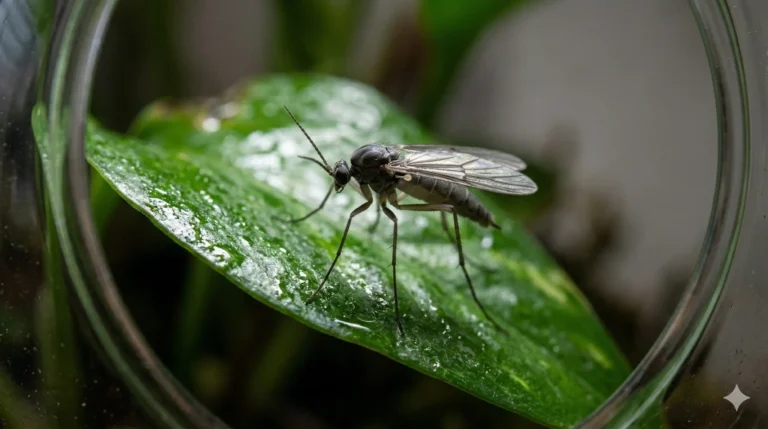
The damp, humid conditions of the monsoon inevitably attract fungus gnats (Bradysia spp.). These pests lay eggs in damp soil, and their larvae aggressively consume the beneficial soil fungi, effectively starving the springtail population. They also attack the delicate root hairs of succulents, causing severe stunting and wilting.
Chemical pesticides are strictly prohibited in these setups, as they will instantly exterminate the bioactive cleanup crew. To neutralize an infestation, biological warfare is required. Bacillus thuringiensis subspecies israelensis (Bti) is a naturally occurring soil bacterium that targets fly larvae. When steeped in dechlorinated water and injected directly into the substrate, the Bti proteins are ingested by the gnat larvae, rupturing their digestive tracts within 24 hours. Bti is highly selective; it annihilates fungus gnat larvae with absolute precision while remaining entirely harmless to the leopard gecko, the isopods, the springtails, and the live plants. Implementing strategies to using this biological protocol is highly effective, provided treatments are repeated weekly for a month to completely break the reproductive cycle.
Environmental Parameters and Thermoregulation
A bioactive terrarium is heavily reliant on the replication of solar radiation. Advanced lighting and heating systems are not merely for the reptile’s comfort; they drive the biological processes of the entire ecosystem, powering plant photosynthesis and regulating the metabolic rates of the microfauna.
Thermoregulation and Heat Penetration
Leopard geckos are ectothermic and require a distinct thermal gradient to self-regulate their internal body temperature. The enclosure must offer a hot basking zone on one side and a cool retreat on the opposite end.
- The Basking Zone: The surface temperature directly beneath the primary heat source should measure between 31°C and 34°C (88°F – 94°F). This parameter must be accurately measured using a digital infrared temperature gun pointed directly at the basking substrate or rock.
- The Ambient Hot Side: The air temperature surrounding the basking zone should rest between 28°C and 30°C (82°F – 86°F).
- The Cool Zone: The opposite end of the enclosure must drop down to 23°C to 25°C (73°F – 77°F), allowing the gecko to escape the heat to prevent neurological damage.
Standard under-tank heating mats (UTH) are notoriously ineffective in deep bioactive setups because the thick layer of soil acts as an insulator, blocking the heat from reaching the surface. Overhead heating is mandatory. Halogen floodlights and Deep Heat Projectors (DHPs) are the apex choices for replicating the sun’s energy. These devices emit Infrared-A and Infrared-B radiation, which penetrates deep into the muscle tissues of the reptile, promoting rapid digestion and robust cellular health. This closely mimics the deep-tissue warming of natural sunlight. All overhead heating devices must be strictly regulated by a high-quality dimming thermostat to prevent catastrophic overheating.
Ultraviolet (UVB) Radiation and Plant Illumination
While leopard geckos are crepuscular—meaning they are most active during the twilight hours of dawn and dusk—they engage in a behavior known as “cryptic basking”. They will expose small portions of their bodies, such as a tail or a single leg, to the sun from the safety of a burrow to absorb ultraviolet radiation. Providing low-intensity UVB, such as an Arcadia ShadeDweller 7% linear tube, allows the gecko to naturally synthesize Vitamin D3 from 7-Dehydrocholesterol in the skin. This synthesis is essential for proper calcium metabolism and the prevention of Metabolic Bone Disease (MBD).
Simultaneously, the live succulents require intense, full-spectrum visible light to survive indoors. Utilizing high-output 6500K LED horticultural light bars ensures the plants receive the necessary lumens to drive photosynthesis. Without brilliant, intense white light, succulents will etiolate—stretching thin and pale as they desperately reach for a light source—before eventually rotting and collapsing into the substrate.
Long-Term Maintenance of the Arid Bioactive Setup
A common misconception is that a bioactive setup is completely maintenance-free. While the biological ecosystem drastically reduces the need for total substrate replacements and sterile scrubbing, it demands regular stewardship to maintain equilibrium.
Spot Cleaning Urates
The digestion of proteins in reptiles produces nitrogenous waste, which leopard geckos excrete as solid, chalky white pellets known as urates (uric acid) alongside their dark fecal matter. While the isopods and springtails will rapidly swarm and consume the organic fecal matter, they possess neither the dentition nor the enzymatic pathways required to break down dense, calcified mineral concentrations like urates. If left in the enclosure, urates will accumulate, harden, and eventually leach high concentrations of toxic ammonia into the soil. Keepers must manually remove these white pellets using tongs on a weekly basis.
Replenishing the Carbon Supply
The cleanup crew requires a constant influx of carbon to sustain their populations and fuel the nitrogen cycle. In the wild, this is provided by the endless cycle of dying vegetation and falling leaves. In a closed terrarium, the keeper must act as the forest canopy.
A thick layer of sterilized, dried leaf litter must always be present on the terrarium floor, specifically gathered in the cooler, darker corners. This layer provides a nutritional baseline for the isopods and creates a network of hiding spaces that buffers the soil from rapid moisture evaporation.
- Indian Almond Leaves (Terminalia catappa): Decompose at a moderate rate and release beneficial tannins and humic acids into the soil, which naturally suppress the growth of pathogenic bacteria.
- Oak and Magnolia Leaves: Thick, highly lignified leaves that resist microbial breakdown for several months. They provide excellent long-term structural barriers and visual ground cover.
When the leaf litter layer has been consumed by the detritivores to the point where the bare topsoil is highly visible, a new layer of thermally sterilized leaves must be introduced. Failing to replenish this carbon source will result in the starvation of the isopods, which may subsequently turn their attention toward consuming the live succulent root systems. By mastering the precise balance of soil mechanics, specialized microfauna, and arid horticulture, keepers can graduate from basic husbandry to the true art of ecosystem engineering, providing their leopard geckos with a thriving, biologically active slice of the desert.
Frequently Asked Questions
Do leopard geckos need a drainage layer?
No. Incorporating a drainage layer (such as LECA or hydroballs) into an arid setup traps standing water at the bottom of the enclosure. In a heated terrarium, this water evaporates upward, causing massive humidity spikes that can lead to fatal respiratory infections in desert species. The substrate should be placed directly on the bottom glass.
Will my leopard gecko eat the isopods?
Leopard geckos are insectivores and will occasionally hunt isopods if they catch them moving on the surface. However, utilizing fast-moving species like Powder Orange isopods, combined with fossorial species like Giant Canyons that stay buried beneath the soil, ensures the colony reproduces much faster than the gecko can consume them. Springtails are far too small for an adult gecko to notice.
How do I water live plants in a leopard gecko tank?
Surface watering causes rapid evaporation and dangerous humidity spikes. The best method is subsurface irrigation. By burying a slotted PVC pipe near the plant’s root zone, you can pour water directly into the lower substrate layer. This delivers moisture exactly where the roots and the cleanup crew need it, while keeping the top layer of the soil completely dry.
Why are my live succulents dying in the bioactive tank?
Succulents usually perish due to overwatering or insufficient lighting. If the substrate is constantly wet, the roots will quickly rot. Water the plants deeply but infrequently, allowing the soil to dry out completely between waterings. Additionally, succulents require extremely bright, full-spectrum LED lighting (6500K) to sustain photosynthesis indoors.
How often do I need to completely change the bioactive substrate?
A properly maintained bioactive setup with a thriving cleanup crew, healthy live plants, and regular spot-cleaning of urates rarely requires a total substrate change. The ecosystem continuously recycles organic matter. However, keepers should aerate the soil occasionally and refresh the leaf litter layer every few months as it is consumed by the microfauna.