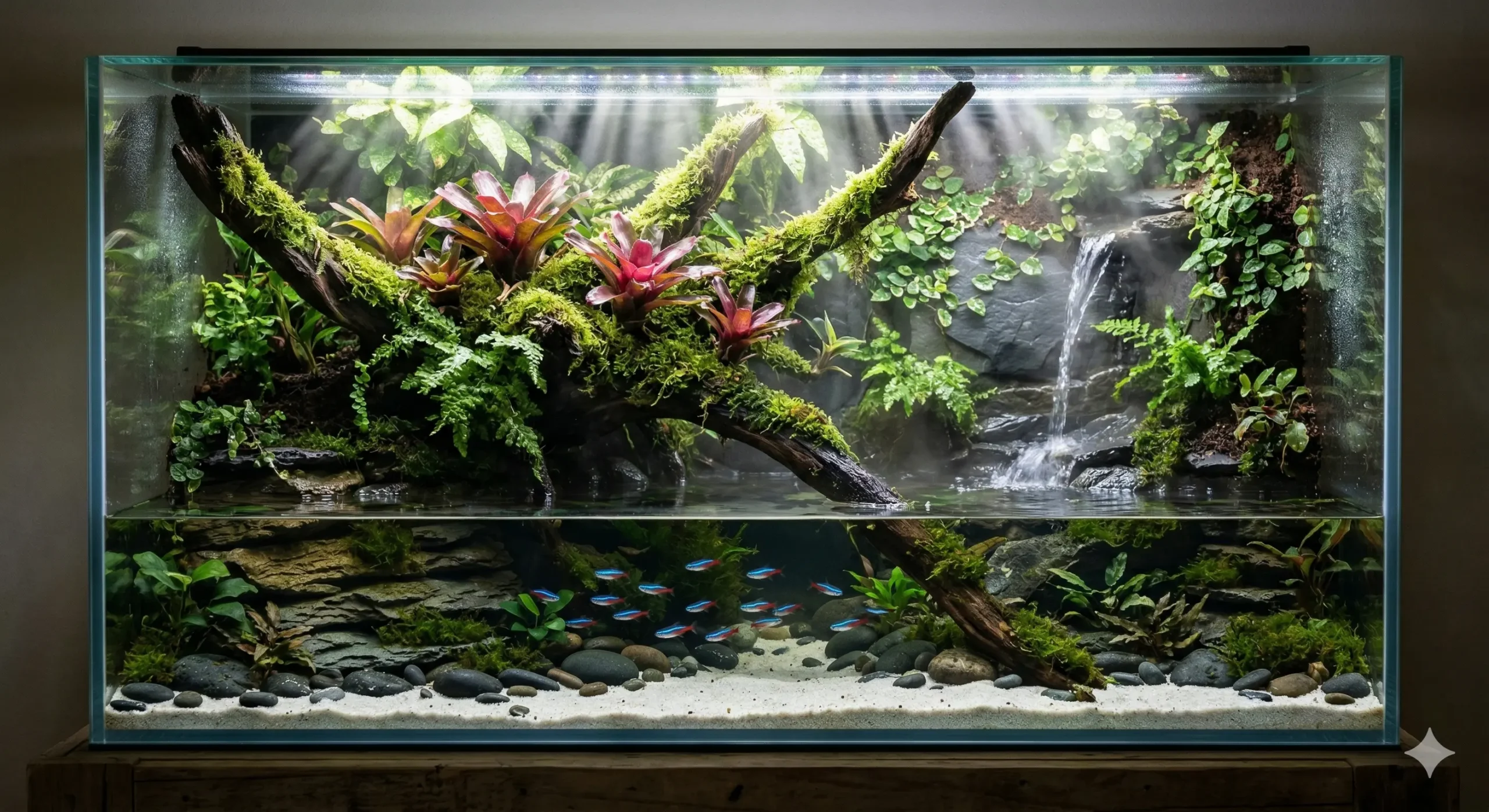
The modern approach to enclosed ecosystem design has advanced significantly beyond a simple glass box holding a single plant species. Constructing a half water half land tank represents the absolute apex of aquascaping and vivarium construction, demanding a rigorous understanding of aquatic chemistry, terrestrial botany, and microfauna integration. As Amitabh, Founder of Springtails.in and the co-founder of the brand Trenoya, I have spent years engineering these complex habitats. Creating an environment that seamlessly transitions from a submerged aquatic zone into a thriving terrestrial rainforest requires highly specific structural techniques to prevent biological failure.
A functional semi-aquatic enclosure is a masterclass in balance. When executed correctly, the ecosystem becomes entirely self-sustaining. The aquatic zone provides continuous humidity and hydration to the terrestrial zone, while the terrestrial flora and soil microbiome act as an immense biological filtration engine for the water column below. This technical manual provides the precise architectural blueprints, chemical parameters, and biological strategies required to engineer an exhaustive ecosystem, adapted specifically to endure and thrive within the challenging extremes of the Indian climate.
What is the difference between a terrarium and paludarium?
A paludarium is a semi-aquatic enclosure that merges a terrestrial landmass with a significant body of water, supporting both aquatic and terrestrial organisms. A terrarium is a sealed or ventilated habitat designed strictly for land-dwelling plants and animals, entirely lacking a structural water column or aquatic zone.
The Architectural Framework of a Half Water Half Land Tank
Unlike a standard aquarium, a paludarium is divided into distinct, overlapping ecological biomes. Understanding how these zones interact is the foundational requirement for long-term stability. The environment is categorized into four primary vertical regions:
- The Canopy Zone: The uppermost atmospheric region occupied by climbing vines, epiphytic orchids, and tall background flora. This area experiences the highest light intensity from your LED fixtures and requires the greatest airflow to prevent leaf rot.
- The Terrestrial Zone: The elevated landmass containing the primary bioactive substrate. This zone must remain consistently moist to support burrowing organisms but must never become waterlogged.
- The Riparian (Marginal) Zone: The transitional shoreline where land directly meets water. Plants placed here thrive with submerged roots and emersed foliage, acting as the primary nutrient export mechanism for the entire enclosure.
- The Aquatic Zone: The submerged water column supporting fish, shrimp, and fully aquatic flora. This section operates under the exact same biological rules as a traditional freshwater aquarium.
The primary engineering challenge lies at the Riparian Zone. Water naturally moves upward through porous materials via capillary action. If the terrestrial substrate is permitted to sit directly in the water column, it will endlessly wick moisture upward until the entire landmass becomes a stagnant, anaerobic swamp. This saturation forces oxygen out of the soil, triggering the proliferation of anaerobic bacteria that release highly toxic hydrogen sulfide gas—identifiable by a distinct rotten egg odor. Structurally separating the soil from the water is non-negotiable.
Land and Water Separation Methods: Engineering the Divide
To build an enduring half water half land tank, a physical barrier must be constructed to support the heavy, wet soil above the water level while allowing the water beneath to circulate freely.
The False Bottom (Egg Crate) Method
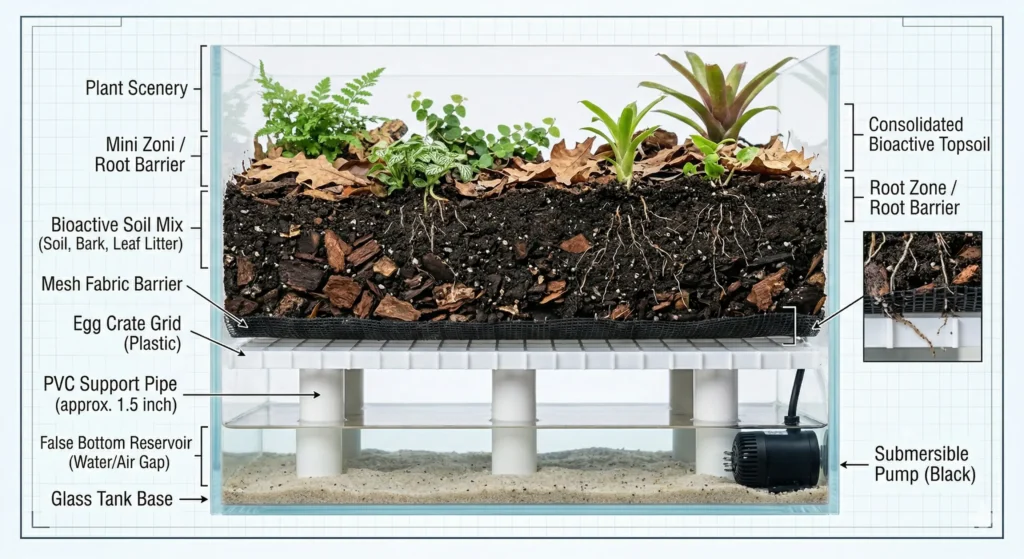
The most reliable and structurally sound method for creating a large, stable landmass is the false bottom technique. This involves constructing an elevated platform using rigid PVC light diffuser panels, commonly referred to as egg crate.
The egg crate is cut to the specific topographical shape of your planned land area. Because it is manufactured from inert PVC, it will not degrade or leach chemical compounds into the water column. The grid is elevated above the maximum intended water line using sections of PVC piping or dense, inert stones as support pillars. Once the platform is secure, the entire grid is wrapped tightly in a high-grade fiberglass window screen or synthetic landscaping fabric.
This mesh barrier is critical; it allows water to drain downward instantly while completely blocking the soil from falling into the aquatic zone. The false bottom method preserves massive amounts of water volume beneath the landmass, which dilutes animal waste more effectively and provides a hidden, aesthetic-free chamber to conceal water pumps and aquatic heaters.
The LECA Drainage Layer
Lightweight Expanded Clay Aggregate (LECA), or bio-drain rock, consists of porous clay spheres baked at high temperatures. In this method, LECA is poured directly onto the glass floor of the enclosure, forming a thick base layer that rises at least two inches above the final water line.
A mesh barrier is then laid directly over the LECA, and the soil is deposited on top. While LECA is exceptionally easy to shape into sloping hills and complex shorelines, it displaces a massive amount of water volume. This makes it highly appropriate for nano setups or shallow enclosures, but less efficient for systems intended to house a high bioload of aquatic fish.
The Filter Foam Shoreline
A hybrid approach utilizes thick blocks of coarse, reticulated aquarium filter foam (often called Matala mat). The foam blocks are cut and stacked vertically to act as the actual retaining wall for the landmass. The empty space behind the foam wall is backfilled with LECA, capped with mesh, and topped with soil. The foam allows water to pass through the barrier effortlessly while serving as a massive biological sponge, harboring billions of beneficial nitrifying bacteria that continuously purify the water column.
| Separation Method | Water Volume Retention | Biological Filtration Capacity | Ease of Topographical Shaping | Wicking Resistance |
| False Bottom (Egg Crate) | Excellent | Low | Moderate | Excellent |
| LECA Drainage Layer | Low | Moderate | Excellent | Moderate |
| Filter Foam Barrier | Moderate | Excellent | Good | Good |
Sourcing and Preparing Hardscape Materials in India
The architectural skeleton of the enclosure relies heavily on hardscaping elements. When building a paludarium in India, sourcing appropriate rocks and wood requires strict attention to chemical inertness. Many native materials gathered from the outdoors will rapidly degrade water chemistry.
Selecting Aquascaping Stones
The stones used to construct waterfalls and shorelines will constantly interact with the water.
- Dragon Stone (Ohko Stone): An argillaceous, clay-based rock characterized by deep, sweeping craters and a warm, earthy brown coloration. It is exceptionally lightweight and entirely inert, meaning it will not alter the pH or mineral hardness of your water. The natural craters provide perfect anchoring points for terrestrial and aquatic mosses.
- Seiryu Stone: A highly sought-after grey limestone featuring striking white calcite veins. While aesthetically unmatched for creating miniature mountain ranges, Seiryu stone continuously leaches calcium carbonate into the water. This process raises both the pH and the Carbonate Hardness (KH). If you intend to house soft-water fish or sensitive crustacean species, you must offset this mineral leaching through regular water changes.
- Black Lava Rock: A highly porous, volcanic stone that is entirely inert and safe for all parameters. Due to its extreme porosity, lava rock provides unparalleled microscopic surface area for beneficial bacteria, making it an excellent foundational base for building tall retaining walls.
Selecting Aquarium-Safe Wood
Wood provides the verticality necessary to connect the aquatic zone to the upper canopy.
- Spider Wood (Indian Rosewood Roots): Known for its intricate, twisting, and highly branching structure. Spider wood mimics the look of flooded forest roots perfectly. During the first few weeks of submersion, it will rapidly develop a thick, white, harmless bacterial biofilm. This is a natural breakdown process of residual surface sugars and will be quickly consumed by aquatic snails and shrimp.
- Malaysian Driftwood: A dense, heavy wood that naturally sinks without needing to be anchored. It is highly prized for its durability in extremely wet environments. Malaysian driftwood releases heavy concentrations of tannins (humic acids) into the water, creating a natural amber-colored blackwater effect that simulates wild tropical rivers and acts as a mild, natural antifungal agent for aquatic life.
- Avoiding Local Untreated Woods: A common error in India is utilizing foraged agricultural woods such as Babul, Kikar, Mango, or Neem. These local woods are highly unsuitable for enclosed, humid environments. They contain massive amounts of non-structural carbohydrates and sap. When exposed to constant moisture, they decompose aggressively, fueling massive heterotrophic bacterial blooms that deplete oxygen, trigger lethal ammonia spikes, and crash the entire ecosystem. Stick exclusively to professionally cured aquascaping woods.
Formulating the Bioactive Substrate and Detritivore Ecosystem
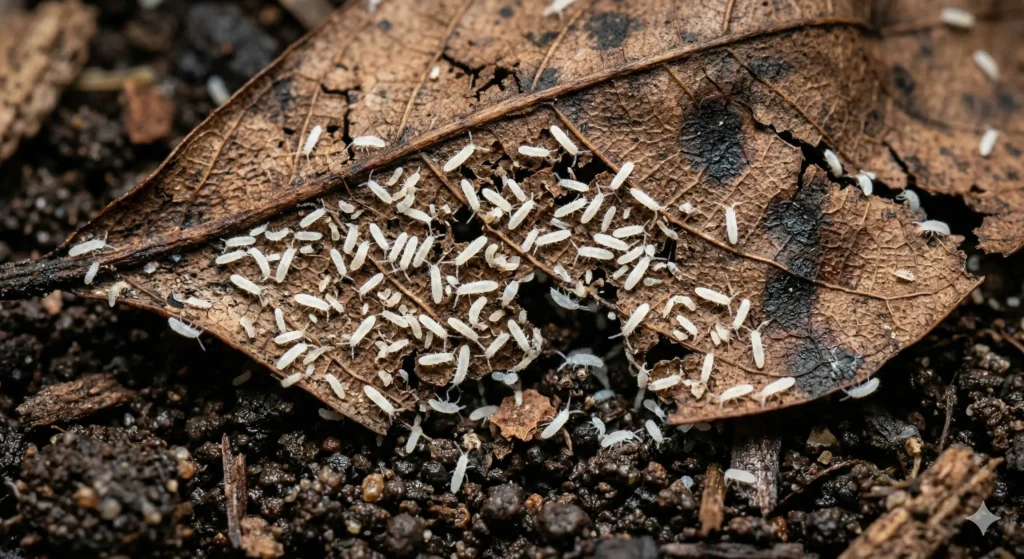
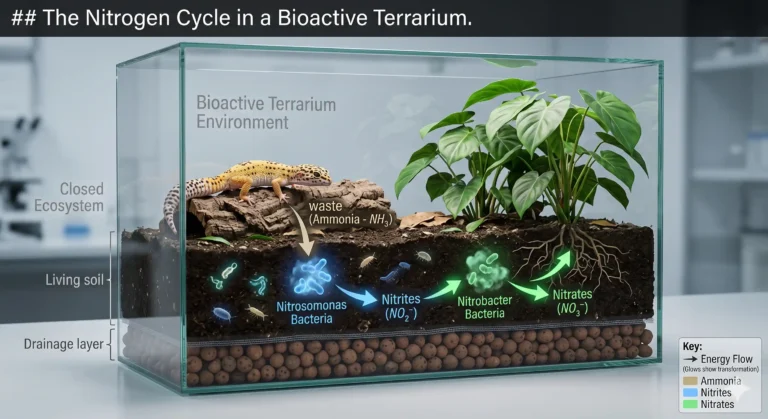
A half water half land tank cannot function long-term without an active biological recycling mechanism. In a closed, high-humidity system, decaying plant leaves, shed crustacean exoskeletons, and animal feces accumulate rapidly. Without intervention, this organic matter rots, inviting pathogenic mold and deadly spikes in soil toxicity. This is where the terrestrial bioactive cleanup crew becomes the most essential component of the build.
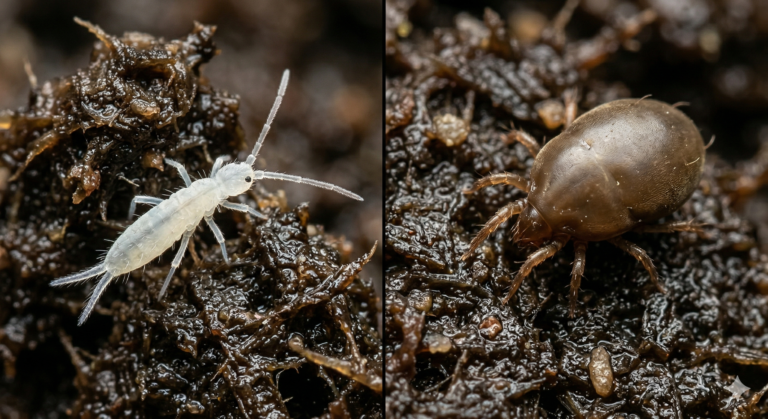
The cleanup crew is a symbiotic network of microfauna. Isopods (terrestrial crustaceans) act as the macro-decomposers, mechanically chewing through tough leaf litter, rotting wood, and solid animal waste. By fragmenting this debris, they exponentially increase its surface area. Springtails (Collembola) are hexapods that operate on a microscopic level. They are entirely reliant on high-humidity environments and actively graze on the aggressive fungal spores, aggressive mold blooms, and bacteria that inevitably sprout in a wet terrarium.
For these organisms to breed prolifically, the soil matrix must retain high ambient moisture while remaining airy enough to prevent compaction. To optimize this specific microfauna habitat, the soil requires a precise blend of organic topsoil, coconut coir, sphagnum moss, and horticultural charcoal. You can explore the exact mechanics of this formulation in our guide to the best bioactive substrate for springtails.
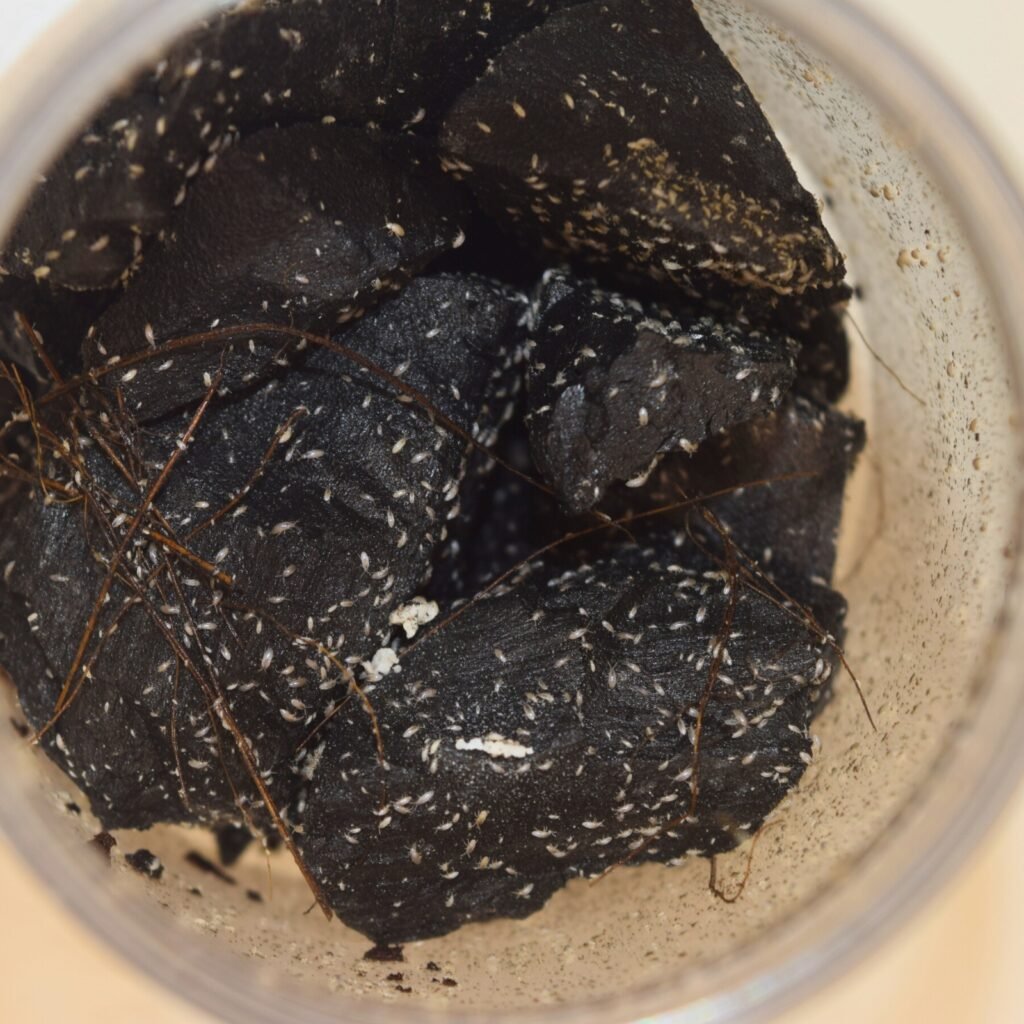
TRENOYA Springtails (Cleanup Crew) — Live Culture Starter (India)
Seed your bioactive terrarium with a pest-free, starter-ready springtail culture. Perfect for mold control and waste cleanup. Live Arrival Guarantee + Pan-India express shipping.
Here at our Trenoya culturing facility in India, we spend months isolating, breeding, and fortifying robust genetic lines of microfauna specifically adapted to tolerate the fluctuations of tropical and sub-tropical conditions. When you introduce Trenoya Live Springtails and Trenoya Grindal Worms into your new enclosure, you are deploying a rigorously tested, highly efficient biological engine.
To ensure complete confidence in your ecosystem’s health, all our live cultures feature our core operational guarantees: Pest-Free, Lab-Grown in India, Live Arrival Guarantee, and Pan-India Express Shipping. Whether you are establishing a nano tank with our standard 200ml pet jars or building a massive 100-gallon display requiring bulk seeding colonies, you will receive our scannable QR-code care guides and verified dense colony sizes of 30 to 100+ active adults, perfectly primed to begin their cleanup operations immediately upon unboxing.
Balancing Aquatic Filtration and Riparian Botany
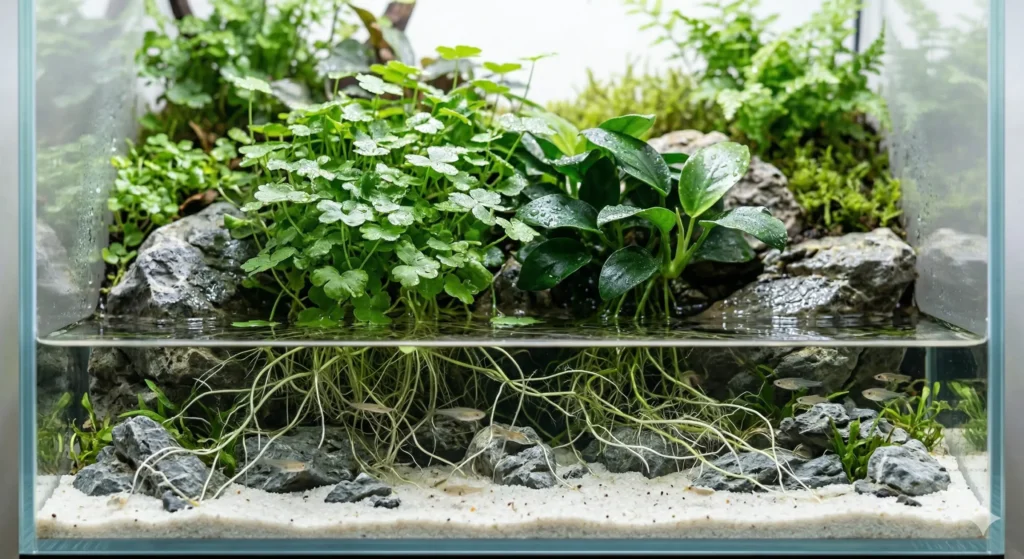
While the terrestrial cleanup crew manages the landmass, the aquatic zone demands its own specialized biological filtration system. Small water volumes are notoriously difficult to keep stable; a sudden influx of organic waste can trigger rapid algae blooms and toxic nitrogen spikes.
To counter this, a dedicated aquatic cleanup crew must be established. Neocaridina shrimp (such as Cherry Shrimp), Amano shrimp, and Ramshorn snails serve as tireless aquatic scavengers. They meticulously graze on submerged diatoms, green spot algae, and decaying aquatic plant matter, converting it into trace elements.
However, mechanical filters and scavenging invertebrates only process physical waste. The chemical byproducts of this waste—specifically nitrates—must be exported from the water. This is achieved through aggressive vegetative filtration utilizing riparian flora.
The Power of Emersed Growth
Plants positioned on the shoreline with their roots fully submerged but their leaves exposed to the atmospheric air (emersed growth) are the most powerful filtration tools available. Aquatic plants growing entirely underwater are heavily limited by the slow diffusion rate of dissolved CO2 in the water column. Emersed plants bypass this bottleneck completely; they absorb CO2 directly from the rich atmospheric air while simultaneously pulling unlimited water and concentrated nitrates directly from the aquatic zone.
This unrestricted access to resources causes explosive, rapid growth, pulling heavy metals and nitrogenous waste out of the water far faster than any commercial chemical filtration media.
- Bacopa monnieri: A native Indian wetland plant that transitions flawlessly between submerged and emersed conditions. Grown out of the water, it readily produces delicate white flowers and acts as a massive nutrient sink.
- Hydrocotyle tripartita: A fast-creeping, clover-like plant that cascades beautifully down wet rocks and artificial waterfalls, creating a stunning, dense green mat across the shoreline.
- Anubias and Bucephalandra: Highly adaptable epiphytes. In their emersed form, their leaves develop a significantly thicker, glossy cuticle to prevent desiccation. They must be tied or glued to hardscape; burying their rhizome in soil or sand will cause immediate rot.
Designing the Ultimate Vampire Crab Setup
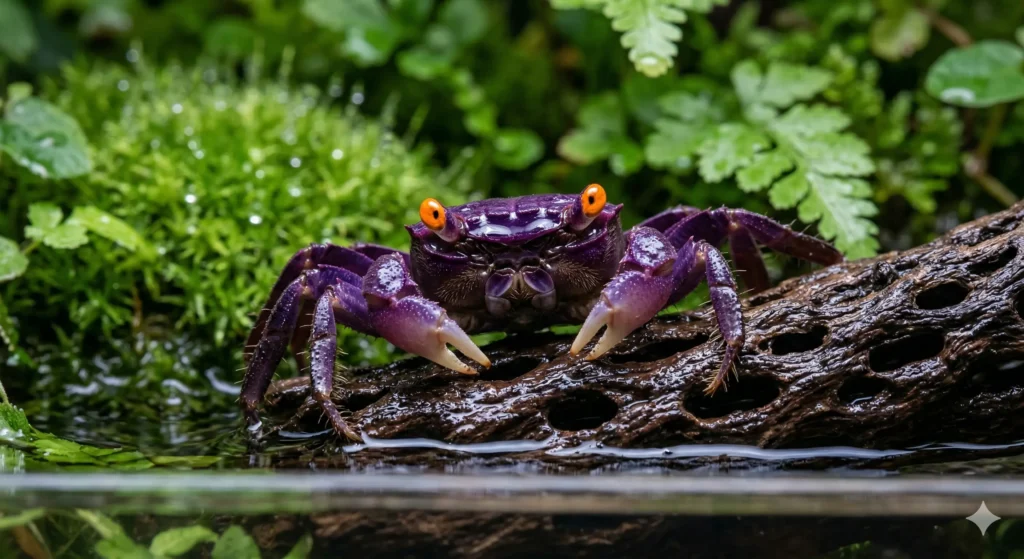
The Geosesarma genus, universally known in the hobby as the Vampire Crab, is the undisputed centerpiece of the half water half land tank. Native to the dense, humid rainforest streams of Southeast Asia, these vividly colored crustaceans require a highly customized environment to thrive, exhibit natural foraging behaviors, and breed successfully.
The 80/20 Land to Water Principle
The most prevalent, and often fatal, beginner mistake is providing too much water. Despite being crabs, Geosesarma species are overwhelmingly terrestrial. They lack the physiological adaptations for prolonged swimming and will quickly tire and drown if they fall into deep water without an easy, highly textured exit route.
Your vampire crab setup must strictly adhere to an 80% land to 20% water footprint. The aquatic section requires just enough depth—typically 2 to 3 inches—for the crabs to completely submerge their entire carapace. Complete submersion is a biological requirement, as the crabs absorb water to increase their internal hydrostatic pressure, splitting their old exoskeleton during the molting process (ecdysis).
Substrate and Burrowing Mechanics
Vampire crabs are prolific excavators. They require deep, structurally sound, diggable soil to construct complex tunnel systems where they hide during the day and safely undergo the vulnerable molting process.
If your substrate is separated from the water column effectively, it will maintain the perfect consistency for tunneling. A compacted, waterlogged mud will collapse and suffocate the crabs. Ensure the landmass is densely littered with dried botanicals, cork bark tubes, and thick vegetation to provide essential visual barriers, as males are fiercely territorial and will combat rivals if sightlines are left unbroken.
Breeding Triggers: The Monsoon Method
Vampire crabs are one of the few freshwater crab species that breed entirely in captivity without requiring a brackish or saltwater larval stage. However, female Geosesarma will actively delay reproduction if environmental conditions remain static. In their natural habitat, breeding is heavily synchronized with the onset of the seasonal rains. To trigger massive colony reproduction, you must replicate this environmental shift using “The Monsoon Method”.
- Phase 1 (The Rain Begins): Over a span of one week, increase your misting frequency to twice daily. Slowly raise the water level by 1 cm every few days. This signals to the crabs that the dry season is ending.
- Phase 2 (The Flood Season): Maintain this elevated water level and push ambient humidity to a continuous 85-90% for four to six weeks. During this phase, heavily increase the input of protein and calcium-rich diets into the enclosure.
- Phase 3 (Receding Waters): Slowly lower the water back to its original baseline. This dramatic environmental shift signals maximum food abundance and the creation of safe, newly formed shallow mud zones, prompting the females to release their fully-formed miniature crabs into the environment.
Combating the Indian Climate: Heatwaves and Monsoon Humidity
Managing a delicate, enclosed rainforest ecosystem in India presents unique climatological challenges. Extreme ambient temperatures and oppressive seasonal humidity can rapidly destabilize a paludarium if proactive management systems are not implemented.
Defeating the Summer Heat
During the peak Indian summer, indoor ambient temperatures can easily exceed 35°C to 40°C. Water temperatures climbing above 28°C (82°F) will result in disastrous consequences: sensitive aquatic mosses will melt, vampire crabs will suffer severe metabolic stress, and the oxygen carrying capacity of the water will plummet dangerously.
- Evaporative Cooling Dynamics: The most cost-effective method to combat extreme heat is exploiting the latent heat of vaporization. Install a 12V DC computer fan or a dedicated aquarium cooling fan over the mesh top, directing the airflow directly across the water’s surface. As the flowing air accelerates evaporation, the phase change of the water pulls thermal energy out of the tank, effectively lowering the internal water temperature by a highly significant 3°C to 5°C.
- Maximum Surface Agitation: Utilize a high-output air stone or point your pump’s output nozzle sharply upward to continuously ripple the surface. Warm water holds exponentially less dissolved oxygen than cold water; aggressive surface agitation ensures maximum atmospheric gas exchange, preventing fish and crustacean asphyxiation.
- Photoperiod Management: High-output, full-spectrum LED fixtures generate substantial downward radiant heat. During severe heatwaves, proactively reduce your lighting schedule from a standard 10 hours down to 6 hours, or program the lights to illuminate the tank solely during the cooler evening and night hours.
Managing Monsoon Humidity
Conversely, during the Indian monsoon season, ambient indoor humidity can hover near 80% to 90% for months. If your paludarium lacks active ventilation, this stagnant, hyper-humid air will result in rapid, uncontrollable blooms of white fuzzy mold across your wood, soil, and botanicals.
Ensure the enclosure utilizes a strong cross-ventilation system—ideally an air intake vent positioned below the front doors combined with a full screen mesh top. If thick condensation entirely obscures the front viewing glass throughout the day, the internal airflow is critically insufficient. During the monsoon, drastically reduce or entirely disable automatic misting systems. Rely entirely on your microfauna populations to consume the inevitable mold spikes. Understanding how to get rid of terrarium mold largely comes down to trusting your springtail colonies and ensuring adequate atmospheric exchange.
Step-by-Step Construction Protocol
Constructing the ecosystem requires patience and a methodical, layered approach. Attempting to rush the hardscape or planting phases will compromise the structural integrity of the build.
Step 1: Topographical Blueprinting
Begin with a dry, empty tank. Map out the exact footprint of the aquatic zone versus the terrestrial zone. Select the location for the water pump. Ensure this location remains permanently accessible; never silicone or bury a pump beneath heavy rockwork, as mechanical failure will require you to dismantle the entire tank for replacement.
Step 2: Fabricating the False Bottom
Measure and cut the PVC egg crate grid. Secure the joints tightly using industrial zip ties. Wrap the top surface and the vertical retaining wall section entirely in synthetic landscaping mesh, securing it with a thin bead of aquarium-safe silicone to prevent any soil spillage.
Step 3: Hardscape Architecture
Position your heavy foundational stones along the mesh boundary to conceal the plastic grid from view. Use a combination of cyanoacrylate superglue and small wads of cotton to instantly weld the stones together, creating an immovable, permanent retaining wall. Arrange the Spider wood branches to sweep dynamically upward from the water, breaking the surface and extending high into the canopy space.
Step 4: The Waterfall Mechanism
Route flexible vinyl tubing from the submersible pump upward, concealing the hose tightly behind the hardscape structure. Pin the output nozzle securely between two rocks at the apex of the wood structure, using expanding polyurethane pond foam to lock it permanently in place and direct the water flow naturally down the wood grain.
Step 5: Soil Deposition and Botanical Litter Deposit the primary bioactive substrate matrix across the fiberglass barrier, ensuring a uniform depth of at least three inches to accommodate root networks and crustacean tunneling behavior. Liberally scatter dried Indian Almond leaves (Terminalia catappa) across the terrestrial surface. As these leaves decay, they serve as the primary food source for isopods and release highly beneficial, antibacterial tannins into the ecosystem.
Step 6: Biological Seeding
Before introducing any display animals or expensive flora, inoculate the enclosure. Add your Trenoya Springtail cultures directly into the damp leaf litter. Allow the tank to cycle uninterrupted for a minimum of two weeks, giving the microfauna time to establish a massive, self-sustaining breeding population deeply within the soil matrix.
Step 7: Final Botany and Flooding
Attach your epiphytes (Anubias, mosses, Bromeliads) directly to the wood and stones using superglue or dark fishing line. Plant your terrestrial foliage deeply into the soil. Finally, gently flood the aquatic section with dechlorinated water. Engage the pump, monitor the flow rate, and adjust rock placements to ensure the waterfall does not aggressively splash water directly onto the dry soil, which would bypass your drainage barrier.
Long-Term Maintenance and Ecosystem Evolution
A meticulously engineered bioactive paludarium demands observation far more than it requires physical intervention.
- Daily Operations: Observe the inhabitants for signs of stress or territorial damage. Verify the water temperature remains within safe parameters. Ensure the automated misting system engages correctly without oversaturating the soil.
- Weekly Operations: Execute a conservative 20% water change in the aquatic section to remove dissolved organics. Gently siphon accumulated detritus from the sand bed. Crucially, top off any water lost to evaporation utilizing only pure RO (Reverse Osmosis) or distilled water; using tap water for top-offs will result in rapid, highly unsightly white hard-water mineral scaling across the glass.
- Monthly Operations: Aggressively prune fast-growing, trailing plants such as Ficus pumila or Pothos to ensure their broad leaves do not block essential LED light from reaching the lower canopy. Wipe down the interior viewing glass using only RO water and a microfiber cloth—never introduce chemical glass cleaners into an enclosed ecosystem.
The ultimate reward of constructing a paludarium reveals itself over time. As the creeping vines intertwine permanently with the hardscape, the terrestrial mosses adapt to the constant mist, and the microfauna populations balance perfectly with the decaying organic load, the boundary between the artificial glass structure and wild, unbridled nature completely disappears.
Frequently Asked Questions (FAQ)
Do paludariums smell bad?
A correctly engineered, bioactive paludarium should smell identical to a fresh forest floor immediately following a heavy rain—a rich, earthy, and highly pleasant scent. If the enclosure emits a foul, sulfurous, or rotten egg odor, it indicates a severe structural failure resulting in anaerobic bacteria buildup. This is almost universally caused by stagnant water or compacted, waterlogged soil lacking a functional drainage layer.
Do I need a mechanical filter in the water section?
Mechanical filtration is highly recommended to maintain visual water clarity and ensure steady circulation, which prevents stagnation. However, if the aquatic zone is lightly stocked with fauna and features an extremely heavy volume of riparian plants (like Pothos) growing with their roots submerged, the vegetation will act as a massive natural filter, rapidly consuming the ammonia and nitrates directly from the water column without the need for chemical media.
Can springtails survive if they fall into the water section?
Yes, springtails are incredibly buoyant due to their tiny mass and highly hydrophobic exoskeletons. If they are knocked into the aquatic zone, they will not drown immediately; they will float effortlessly on the surface tension and eventually utilize their specialized appendage (the furcula) to launch themselves back onto dry land, emergent driftwood, or the leaves of floating aquatic plants.
How often do I need to feed my bioactive clean-up crew?
If your enclosure is heavily stocked with varied botanical leaf litter, decaying wood, and the natural waste produced by reptiles or crabs, you will rarely need to provide supplementary feeding. However, if you wish to boost the microfauna populations rapidly, or if the tank is newly established, you can offer specialized detritivore diets, a sprinkle of nutritional yeast, or small, raw vegetable scraps once a week.
How do I safely control algae outbreaks in the water feature?
Algae blooms are the direct physiological result of a severe imbalance between intense lighting and an excess of unconsumed nutrients in the water. To effectively combat algae, reduce your lighting photoperiod by several hours, execute more frequent 20% water changes, and introduce fast-growing aquatic plants to aggressively outcompete the algae for the available nutrients. Introducing a robust aquatic cleanup crew consisting of Amano shrimp or Nerite snails will also provide continuous, natural grazing on surface algae.