Springtails (order Collembola) are essential members of bioactive terrariums where they regulate mold, recycle decomposing matter, and support ecological balance. Their substrate determines moisture stability, microbial diversity, oxygen availability, and overall reproductive success.
For biological context on their development stages, see the Springtail Life Cycle guide.
Why Substrate Choice Matters
An effective substrate for springtails must achieve four conditions:
- Maintain moisture between 70–85% RH
- Support biofilm (their primary food source)
- Prevent compaction to allow oxygen exchange
- Contain no pesticides or fertilizer residues
Most colony declines begin with substrate issues such as stagnation, compaction, or chemical contamination. Troubleshooting guidance is available at: Why Springtails Are Dying – Checklist.
Best Substrates for Springtails (Evidence-Based Ranking)
1. Horticultural Charcoal
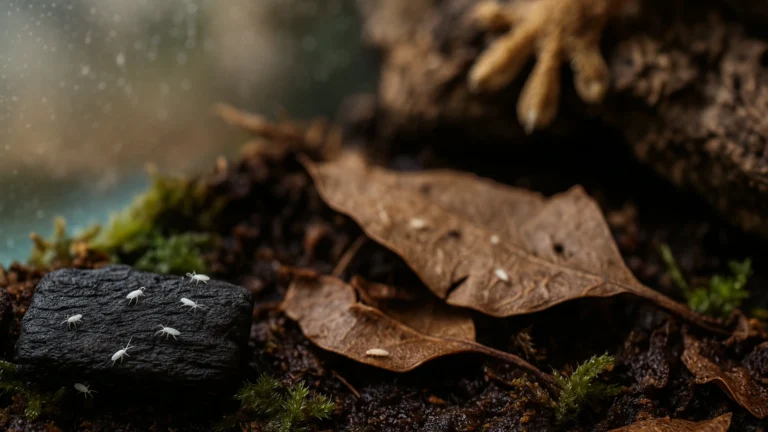
Horticultural charcoal is widely recognized as the most effective substrate for springtail cultures. Its high porosity increases microbial colonization, distributes moisture, prevents compaction, and resists mold. These advantages are consistently described by expert resources such as Another World Terraria and NEHERP’s vivarium construction guides.
Internal reference: For species that differ in humidity tolerance, see Temperate vs Tropical Springtails.
2. Coconut Coir with Sphagnum Moss
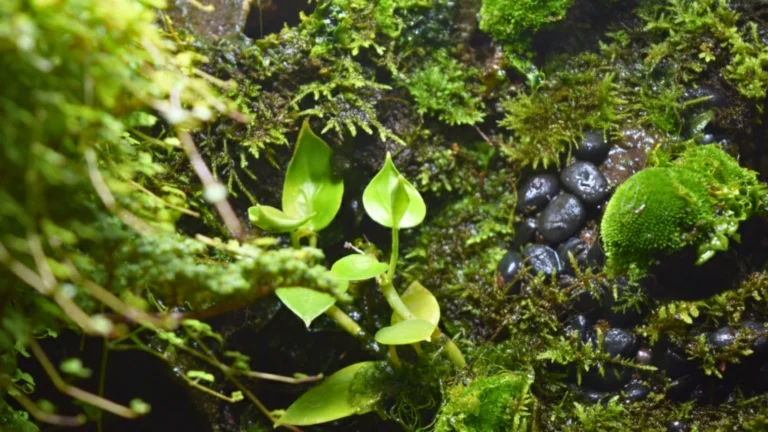
A combination of coir and long-fiber sphagnum moss provides structure similar to natural forest soil, contributing to microbial diversity and moisture retention. The Bio Dude highlights coir’s moisture-holding properties, while Frog & Frond substrate FAQs emphasize sphagnum’s structural benefits.
Species that thrive in these conditions are listed in Common Springtail Species in India.
3. Leaf Litter and Decaying Organic Matter
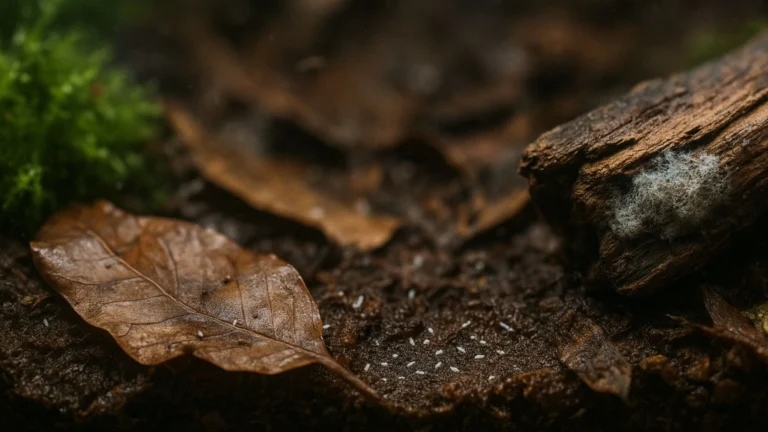
Leaf litter provides a slow-release nutrient source and stable humidity, stimulating microbial growth essential for springtail feeding. Terrarium Tribe discusses leaf litter as a primary microbial driver in terrarium ecosystems, while Highland Moss documents springtails’ natural cleaning behavior.
More on their ecological function is covered in Role of Springtails in Bioactive Terrariums.
4. Calcium-Bearing Clay Substrates
Clay substrates offer exceptional moisture stability and provide minerals beneficial to certain species. Frog & Frond’s Springtail Clay FAQ notes strong colony performance in clay-heavy setups, especially among Protanura species.
For species-specific substrate needs, see Protanura Orange Springtails.
Recommended Substrate Mix
Based on cross-referenced expert sources, the most reliable substrate for long-term growth is:
- 60% horticultural charcoal
- 20% coconut coir
- 10% long-fiber sphagnum moss
- 10% processed leaf litter or flake soil
This structure aligns with substrate engineering principles described by NEHERP and practical culturing models outlined by Another World Terraria.
If you’re starting a culture from scratch, see Start a Springtail Culture Guide.
Moisture Requirements
Moisture is the most critical factor in substrate health. Care sheets for Thai Red Springtails (PostPods UK) and Terrarium Tribe’s moisture management recommendations consistently show:
- Ideal humidity: 70–85% RH
- Under 60% RH: risk of dehydration
- Over 90% RH: anaerobic zones, bacterial imbalance, mites
TCInsects also notes that waterlogging is one of the biggest causes of culture collapse.
Common Substrate Mistakes
Using fertilized or pesticide-exposed soil
PCCIL’s documentation on soil contamination and springtail sensitivity highlights this risk.
Oversaturating the substrate
Stagnant, saturated conditions are frequently described as a cause of anaerobic failure in terrarium community reports and hobbyist case studies.
Using compacting mediums
NEHERP Springtail Care identifies pure coir or garden soil as easily compacting, reducing oxygen availability.
Allowing aggressive mold
Springtails tolerate benign molds, but aggressive strains can suffocate colonies. See Good vs Bad Mold in Springtail Cultures.
Introducing mites via unprocessed leaf litter
PostPods UK emphasizes sterilization of leaf litter to prevent mite transfer.
Best Substrate by Species
| Species | Best Substrate | Notes |
|---|---|---|
| Folsomia candida | Charcoal + coir | Stable, high-yield culture |
| Sinella coeca (pink) | Coir + sphagnum | Requires consistently high humidity |
| Protanura species | Calcium clay | Mineral-rich substrate preferred |
| Temperate species | Charcoal-only or charcoal-dominant | Performs well with moderate humidity |
| Tropical species | Coir + moss + leaf litter | Ensures stable moisture levels |
More species information is available at Common Springtail Species in India.
Substrate Maintenance
Key maintenance practices:
- Mist lightly with dechlorinated water
- Remove excess food before mold overdevelops
- Add leaf litter monthly to refresh microbial availability
- Ensure ventilation to avoid stagnant moisture
- Loosen compacted substrate periodically
Scaling up your cultures effectively is explained at Scaling Springtail Culture.
When to Replace Substrate
Substrate replacement is recommended when:
- Odor becomes sour or anaerobic
- Mites spread across the culture
- Reproduction slows despite correct maintenance
- Mold overtakes the substrate
- Substrate remains waterlogged for extended periods
Guidance for low-output cultures is available at Springtail Culture Not Reproducing.
Conclusion
The most effective substrate for springtails is a charcoal-based foundation enhanced with moisture-retentive components such as coconut coir, sphagnum moss, and leaf litter. Clay-based substrates support species requiring high humidity and mineral stability. These conclusions align with scientific substrate behavior, terrarium ecosystem data, and the expert references cited below.
FAQ
What is the best substrate for springtails?
The best substrate for springtails is a charcoal-based mix enhanced with coconut coir, sphagnum moss, and leaf litter. This combination provides aeration, moisture stability, and microbial growth essential for springtail reproduction.
Can springtails live in coconut coir?
Yes, springtails can live in coconut coir, especially when mixed with sphagnum moss to prevent compaction. Coir offers excellent moisture retention and supports the microbial layer that springtails feed on.
Is charcoal good for springtails?
Horticultural charcoal is one of the best substrates for springtails due to its high porosity, mold resistance, and long-term stability. It allows colonies to grow densely and remain well-aerated.
How often should I replace my springtail substrate?
Springtail substrate should be replaced when it becomes anaerobic, heavily moldy, mite-infested, or when reproduction slows despite correct moisture and feeding. Under proper care, a substrate can last many months.
Can I use bioactive substrate mixes for springtails?
Yes. Bioactive substrate mixes containing coir, moss, and leaf litter support strong microbial activity, which springtails require. Ensure the substrate drains well and does not contain fertilizers or pesticides.