How do you clean the glass inside a terrarium safely?
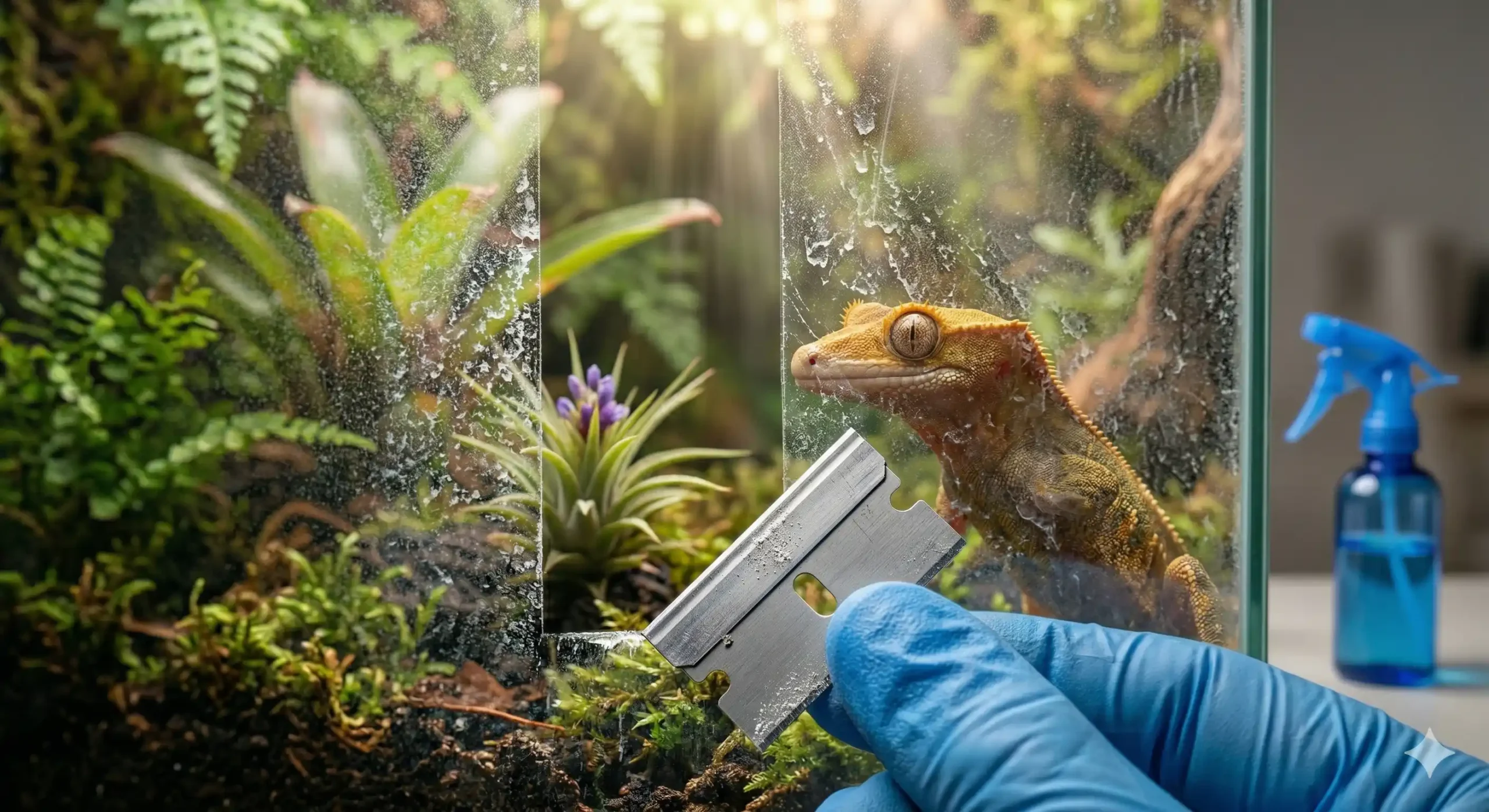
Cleaning terrarium glass safely requires using distilled water and a clean microfiber cloth to wipe away organic residue. For persistent hard water stains, apply a mild citric acid or diluted white vinegar solution, or gently scrape the mineral deposits using a stainless-steel razor blade held at a 45-degree angle.
Maintaining pristine visual clarity in an enclosed bioactive ecosystem is one of the most fundamental yet challenging aspects of advanced terrarium husbandry. As Amitabh, Founder of Springtails.in and co-founder of the premium brand Trenoya, I have spent years engineering self-sustaining habitats optimized for the Indian climate. Glass enclosures act as miniature biological reactors, trapping moisture, heat, and organic materials to simulate specific environmental biomes. Consequently, the interior glass surfaces inevitably accumulate an array of visual obstructions. These range from heavy condensation trails and bacterial biofilms to highly calcified mineral deposits.
Addressing these accumulations requires strict adherence to organic, residue-free cleaning protocols. The introduction of synthetic household chemicals poses an immediate and often lethal threat to the sensitive microfauna, amphibians, and reptiles residing within the habitat. The challenge of maintaining clear glass is significantly amplified for keepers in India, where we must navigate intense summer heatwaves and heavy monsoon humidity. Both of these extreme seasonal shifts dynamically alter the internal water cycle of a terrarium and accelerate the degradation of glass clarity.
This exhaustive guide explores the chemical origins of hard water stains, the biological imperatives of chemical-free maintenance, and the precise mechanical techniques required to preserve an immaculate viewing pane while safeguarding the delicate ecosystem inside your enclosure.
The Chemistry of Hard Water Stains and Mineral Scaling
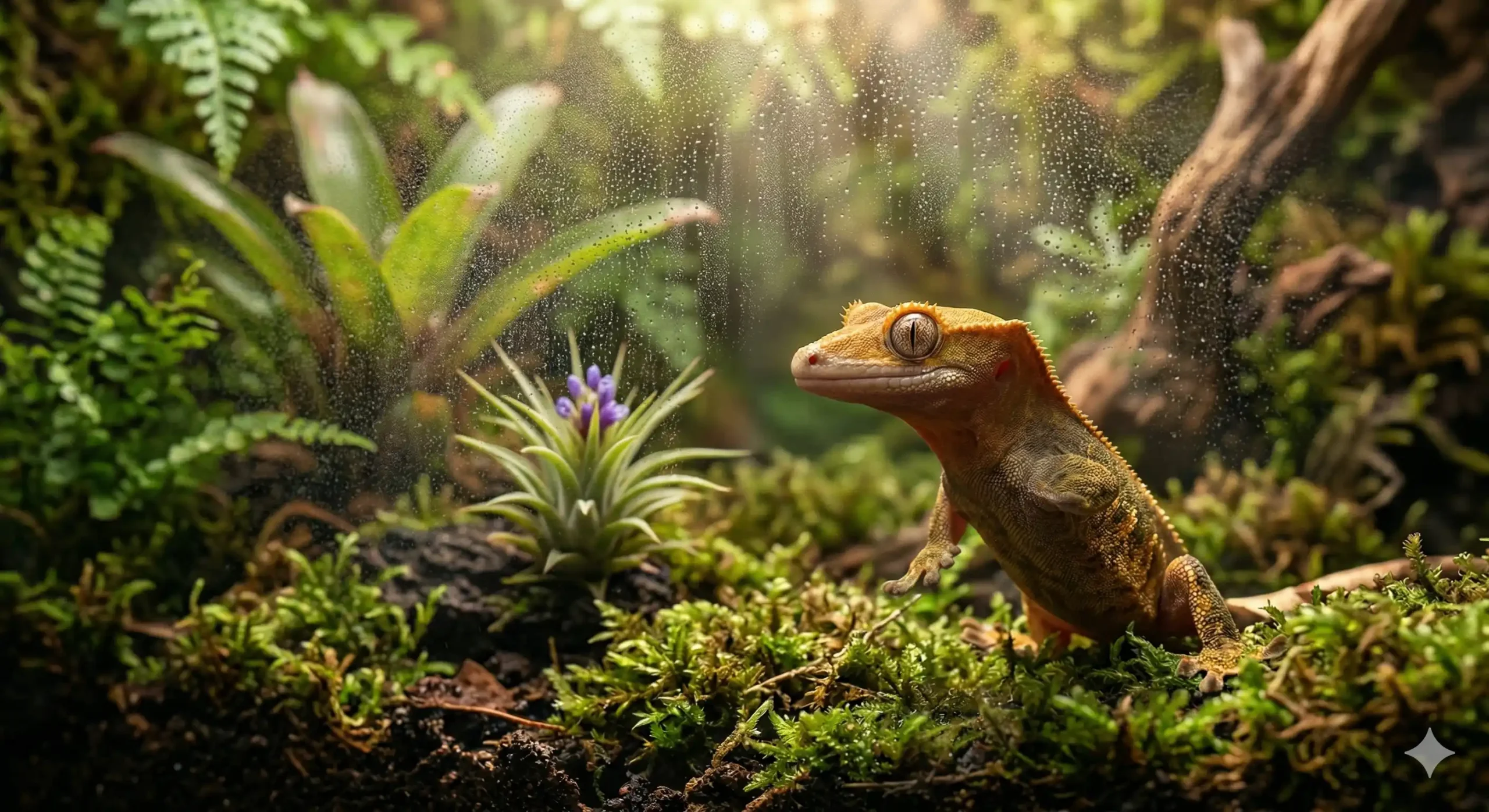
The most persistent visual obstruction in any high-humidity enclosure is the formation of hard water stains, scientifically known as calcium carbonate scaling. This phenomenon occurs when water containing high concentrations of dissolved minerals evaporates from the surface of the glass. As the water transitions into a gaseous state, the heavy mineral compounds are left behind. These minerals crystallize and form strong covalent bonds with the silica structure of the glass itself.
In India, the primary source of this severe scaling is the widespread reliance on groundwater and deep borewells, which naturally possess highly elevated levels of Total Dissolved Solids (TDS). TDS measures the combined content of all inorganic and organic substances contained in a liquid, primarily consisting of calcium, magnesium, and sodium. When municipal or borewell tap water is utilized for automated misting systems or manual hand-spraying, the resulting evaporation guarantees the rapid accumulation of thick, white, chalky deposits.
To fully comprehend the severity of mineral scaling, it is necessary to examine the average tap water TDS levels across major Indian metropolitan areas and regions:
| Region / City | Primary Water Source | Average TDS Level (ppm) | Scaling Risk Level |
| Delhi / NCR | Groundwater & Yamuna River | 400 – 800 ppm | High |
| Punjab / Haryana | Deep Borewells | 800 – 1500+ ppm | Extreme |
| Chennai | Borewells & Desalination | 300 – 800 ppm | Moderate to High |
| Hyderabad | Krishna River & Groundwater | 400 – 800 ppm | High |
| Bangalore | Cauvery River & Borewells | 200 – 500 ppm | Moderate |
| Mumbai | Lakes (Tansa, Vaitarna) | 50 – 150 ppm | Low |
| Kolkata | Hooghly River | 60 – 200 ppm | Low to Moderate |
Continuous misting with water exceeding 50 ppm introduces a steady, compounding influx of minerals into the closed system. Over time, mechanical wiping with a standard damp cloth becomes entirely ineffective against these crystallized structures. Vigorous scrubbing without a dedicated dissolving agent only serves to micro-scratch the silica, creating microscopic nucleation sites where subsequent mineral deposits adhere even more aggressively.
Therefore, the absolute first line of defense—and the most critical preventative measure—against hard water stains is the complete elimination of tap water. Keepers must transition exclusively to distilled water or high-grade reverse-osmosis (RO) water for all misting, fogging, and surface wiping. Distilled water contains zero dissolved minerals, meaning that when it evaporates from the glass, it leaves absolutely no residue behind.
The Biological Hazard of Synthetic Glass Cleaners
The impulse to utilize commercial household glass cleaners, such as those containing ammonia or artificial fragrances, to quickly dissolve water stains must be entirely suppressed. Standard window cleaning solutions rely heavily on petrochemicals and harsh surfactants. The introduction of these compounds into a closed biological system initiates a cascade of catastrophic ecological failures.
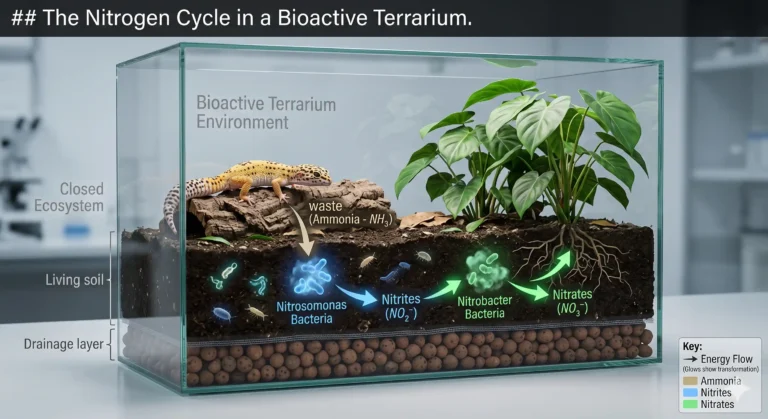
Enclosures are not sterile environments; they are highly complex microbial ecosystems. The lower portions of terrarium glass, particularly where the damp substrate meets the viewing pane, are constantly coated in a thin, translucent biofilm. This biofilm is functional biological infrastructure. It hosts populations of nitrifying bacteria, such as Nitrosomonas and Nitrobacter, which are responsible for driving the nitrogen cycle. These bacteria actively convert toxic ammonia—derived from reptile feces, decaying plant matter, and shed skin—into nitrites, and subsequently into less harmful nitrates that can be absorbed as fertilizer by the root systems of live plants.
Applying broad-spectrum disinfectants, bleach, or ammonia-based cleaners eradicates this biofilm entirely, collapsing the localized nitrogen-cycling microhabitats. This destruction forces the enclosure to repeatedly undergo a “new tank syndrome” cycle, leading to acute ammonia spikes within the soil matrix that can cause stress-related illnesses in sensitive species like crested geckos and dart frogs.
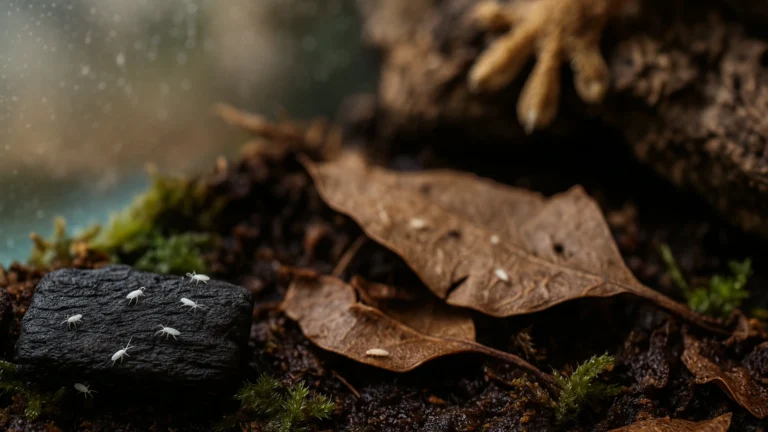
Additionally, the primary biological custodians of a bioactive setup—springtails (Collembola) and isopods—are exceptionally sensitive to chemical exposure. These microfauna respire directly through their porous cuticles and rely on high ambient humidity to survive. Volatile organic compounds (VOCs) emitted by synthetic cleaners quickly saturate the trapped air inside the enclosure. This causes immediate respiratory distress, severe neurological disruption, and rapid colony death among the cleanup crew. Consequently, advanced maintenance protocols dictate that only organic, biologically neutral compounds may be utilized for surface restoration.
The Trenoya Method: Safe Mechanical Cleaning Protocols
To safely restore visual clarity without compromising the health of your microfauna or the structural integrity of the bacterial biofilm, highly specific mechanical techniques must be employed. For routine weekly maintenance and the removal of light organic films, animal tracks, and ambient dust, a strictly mechanical approach utilizing pure water is highly effective.
The Distilled Water and Microfiber Protocol
The execution of a safe wipedown requires precision and the correct materials to avoid damaging the glass over time.
- Material Selection: Ensure the use of high-quality, lint-free microfiber cloths. Standard paper towels are mildly abrasive and shed fine cellulose fibers that embed tightly into the silicone seals of the terrarium, potentially attracting unwanted fungal spores and looking unsightly.
- Exterior First: Always begin by cleaning the outside of the terrarium glass. Starting with the exterior prevents you from accidentally contaminating the interior ecosystem with drips, dust, or cloth debris while you work.
- Application: Dampen a designated section of the microfiber cloth exclusively with pure distilled water.
- Wiping Technique: Wipe the interior glass using firm, overlapping circular motions. Avoid aggressive back-and-forth scrubbing, which can drag tiny particles of sand or hard substrate across the surface, resulting in permanent micro-scratches.
- Immediate Drying: Immediately buff the cleaned surface dry with a separate, completely dry microfiber towel. This prevents any residual moisture from pooling and forming new condensation streaks.
Advanced Chemical-Free Mineral Removal
When calcium carbonate scaling has firmly bonded to the glass due to prolonged exposure to hard water, basic mechanical wiping becomes insufficient. The strong covalent bonds of the minerals must be chemically dissolved using mild, naturally occurring acids that do not leave toxic residues behind.
Citric Acid Solution
Food-grade citric acid is highly recommended by elite aquarists and bioactive keepers for its exceptional efficiency and absolute lack of volatile fumes.
- Formulation: Mix one level teaspoon of pure citric acid powder with 250ml (approximately one cup) of distilled water. Tap water must never be used to formulate this solution, as it will simply reintroduce the exact minerals the acid is intended to dissolve.
- Targeted Application: Lightly dampen a microfiber cloth with the citric acid solution and press it gently against the stained area for 60 to 90 seconds. This specific dwell time is required for the acid—operating at a pH of approximately 2.5 to 3.0—to effectively break down the stubborn calcium bonds without damaging the glass.
- Safety Parameters: Citric acid is completely water-soluble and odorless. Once the dissolved minerals are wiped away and the area is rinsed with pure distilled water, it poses zero risk to sensitive flora, live mosses, or microfauna.
Diluted White Vinegar Solution
A 50/50 dilution of white distilled vinegar (which contains 5% acetic acid) and distilled water is the long-standing industry standard for removing heavy grime, dried feces, and stubborn water spots.
- Application Method: Always spray the vinegar solution directly onto your cleaning cloth rather than spraying it indiscriminately onto the glass. This prevents the acidic liquid from pooling down into the substrate or saturating the structural silicone seams. Prolonged, repeated exposure to pooled acetic acid can gradually degrade the structural integrity of the silicone adhesives holding the glass panels together.
- Dwell Time and Ventilation: Unlike citric acid, vinegar requires a slightly longer dwell time of 3 to 5 minutes to fully dissolve heavy scaling. Additionally, it emits a very strong odor that necessitates adequate room ventilation for several hours to prevent stressing the animal inhabitants.
It is critically important to note that lemon juice, while highly acidic, is entirely inappropriate for terrarium maintenance. Lemon juice contains complex natural sugars that foster rapid bacterial blooms, as well as citrus oils (d-limonene) that act as potent neurotoxins to beneficial invertebrates like springtails and isopods.
The Stainless-Steel Razor Blade Technique
For extreme cases of thick calcification or hardened green algal blooms where liquid acidic solutions fail to penetrate, the razor blade method provides immediate visual restoration without any chemical intervention.
- Tool Selection: Utilize a standard, flat stainless-steel razor blade or a specialized aquarium glass scraper. Do not use abrasive household sponges, steel wool, or melamine foam (magic erasers), as these materials leave permanent, irreparable micro-scratches on the smooth silica surface.
- Surface Lubrication: Lightly mist the target area with distilled water to provide necessary surface lubrication, allowing the blade to glide smoothly.
- Angle of Approach: Hold the stainless-steel blade at a strict 45-degree angle against the glass panel.
- Execution: Scrape downward in a single, smooth, continuous direction. Never scrape backward or in erratic, scrubbing motions. Trapping microscopic silica or sand particles between the metal blade and the glass during a backward stroke will cause deep, highly visible gouges.
- Silicone Avoidance: Maintain a strict safety clearance of at least 0.5 centimeters from all corners and silicone seams to prevent accidentally slicing the watertight seals, which would compromise the structural integrity of the enclosure.
Safety Note: The razor blade technique is strictly limited to traditional glass enclosures. Applying a sharp metal blade to acrylic or plastic terrarium surfaces will result in immediate, severe, and permanent damage.
Bioactive Custodians: The Ultimate Glass Cleaners
A properly balanced bioactive ecosystem intrinsically limits the amount of manual maintenance required by the human operator. While glass cleaning addresses mineral scaling and upper condensation lines, the continuous accumulation of organic waste—such as decaying leaves, shed reptile skin, and ambient fungal spores—is managed entirely through the strategic integration of a bioactive cleanup crew.
Maintaining a dense, thriving population of detritivores minimizes the accumulation of organic splatter and biofilms on the lower terrestrial surfaces. Understanding the role of springtails in a bioactive setup reveals how these microscopic hexapods act as a primary line of defense against both mold and the organic biofilms that cloud your viewing panes.
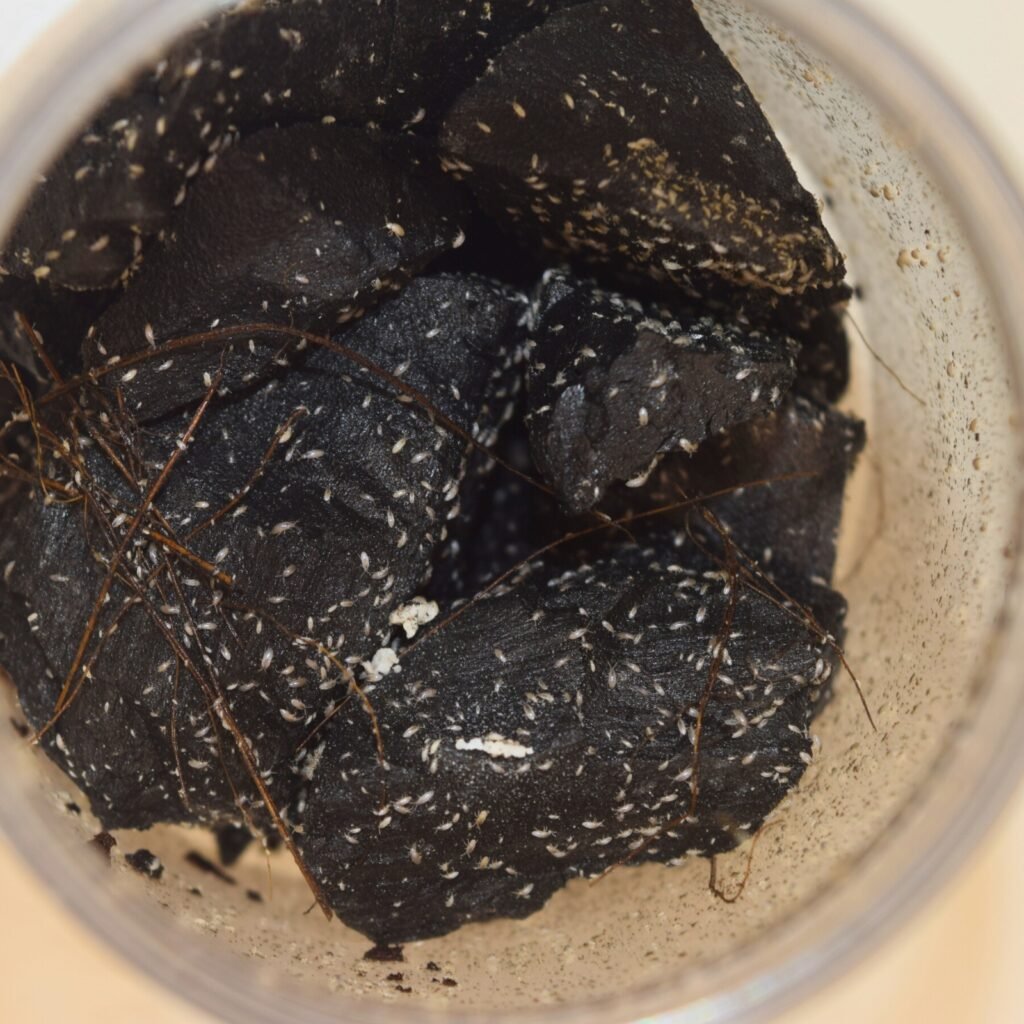
TRENOYA Springtails (Cleanup Crew) — Live Culture Starter (India)
Seed your bioactive terrarium with a pest-free, starter-ready springtail culture. Perfect for mold control and waste cleanup. Live Arrival Guarantee + Pan-India express shipping.
Here at our Trenoya culturing facility in India, we have perfected the breeding of robust detritivores that actively clean your enclosure. We ship these essential custodians in specially designed 200ml pet jars to ensure maximum viability. Each culture comes with comprehensive QR-code care guides and guarantees robust colony sizes of 30 to 100+ highly active individuals. As part of our strict commitment to quality and ecosystem security, every Trenoya Live Springtails culture is Pest-Free, Lab-Grown in India, and completely backed by our Live Arrival Guarantee with Pan-India Express Shipping.
Springtails (Collembola) exert massive top-down biological control over the entire enclosure. By selectively grazing on advancing mycelial fronts, they suppress fungal colony velocity and can reduce visible mold cover by up to 60% within a matter of days. When these colonies are thriving in the soil, the frequency at which the lower glass panels require manual wiping is drastically reduced. The microfauna continuously metabolize the organic biofilm and waste splatter before it has the opportunity to harden into an opaque, difficult-to-remove residue.
Structural Architecture and Condensation Control
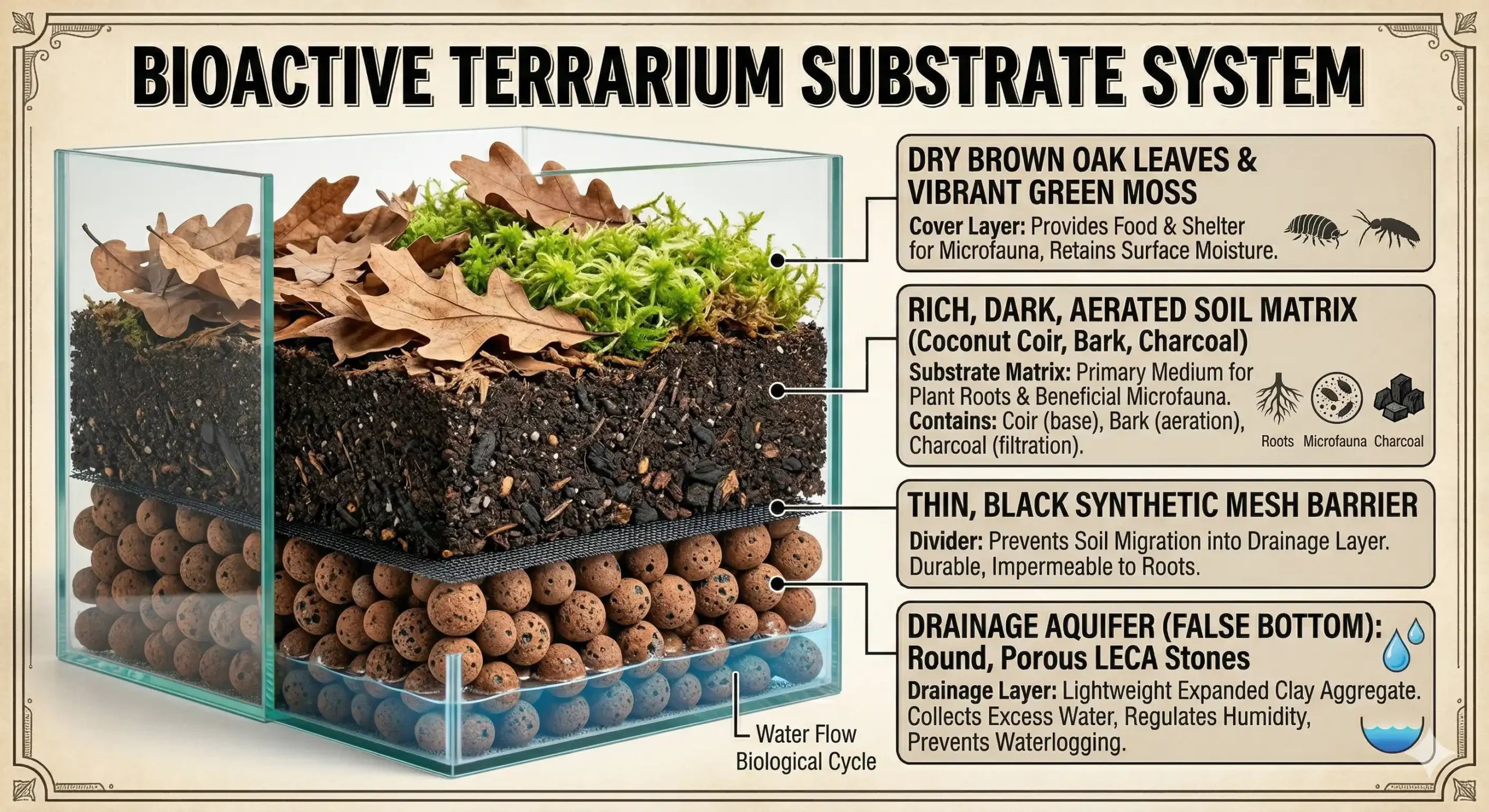
Beyond reactive cleaning techniques, proactive structural design significantly influences how the environment behaves and how frequently the glass must be serviced. High levels of unchecked ambient humidity lead to persistent, heavy condensation, which completely obscures the viewing pane and facilitates rapid algal growth along the soil line. Preventing this requires absolute precision in the initial construction of the habitat.
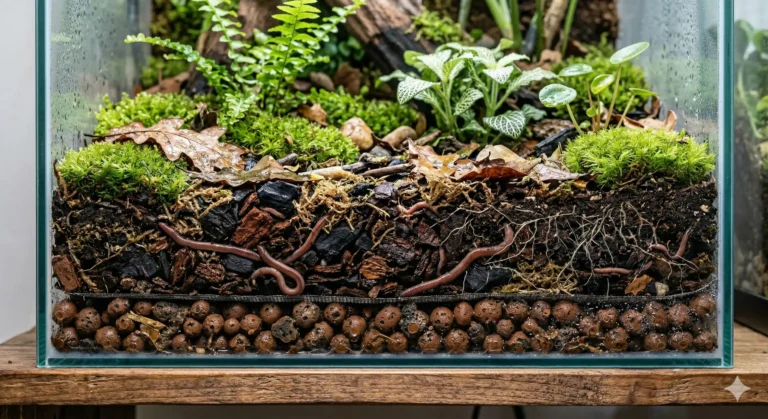
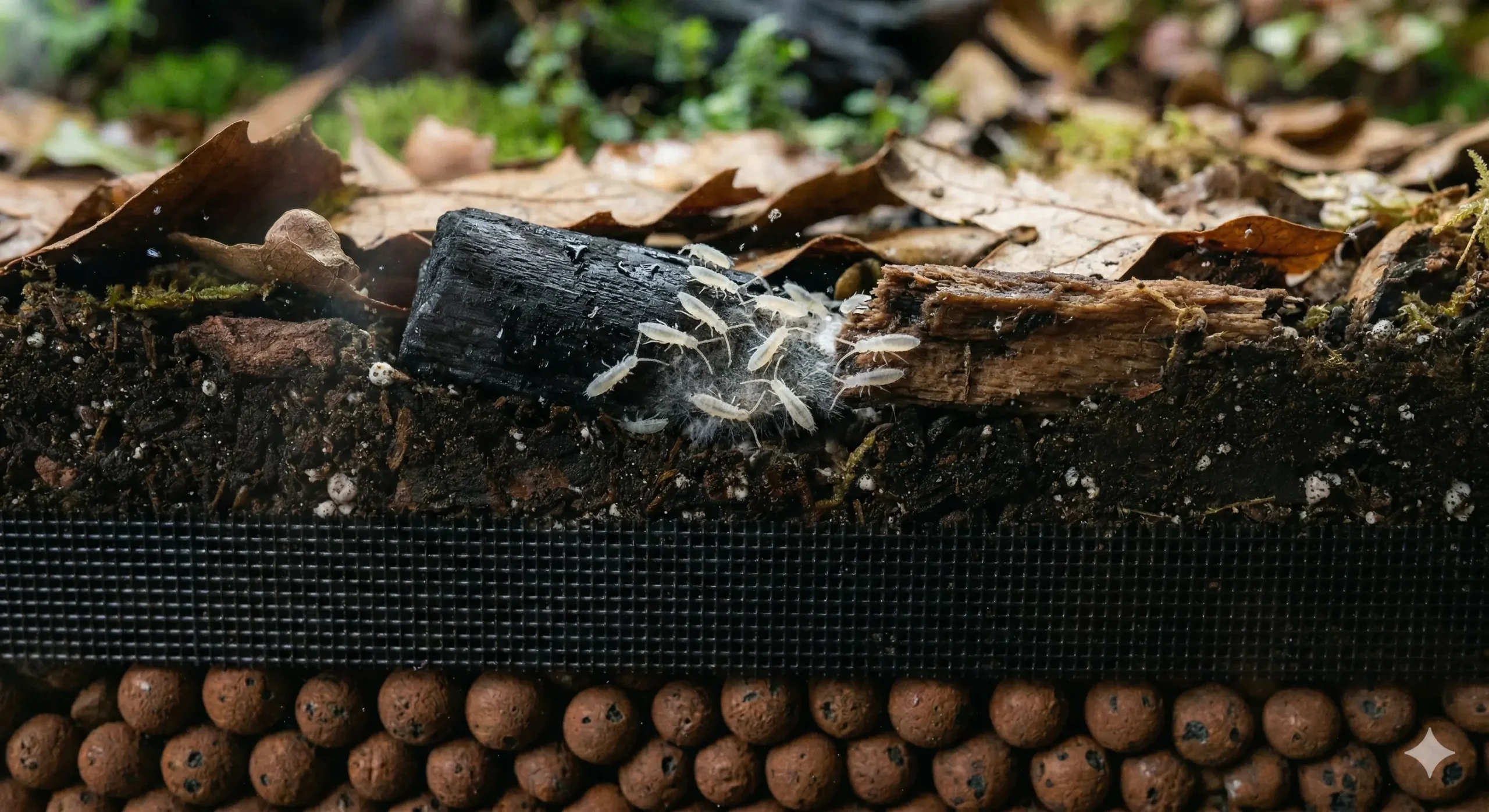
A well-engineered setup utilizes vertical stratification to manage water flow efficiently. Following proper guidelines on setting up a bioactive terrarium demonstrates the absolute necessity of installing a functional drainage layer, often referred to as a false bottom. Utilizing Lightweight Expanded Clay Aggregate (LECA) or porous volcanic lava rock beneath a synthetic mesh barrier allows excess water to quickly drain away from the primary soil matrix.
If the bioactive soil is permitted to sit directly on the flat glass floor without proper drainage, it quickly becomes waterlogged. This total saturation forces essential oxygen out of the substrate, creating an anaerobic bog. Anaerobic conditions breed toxic hydrogen sulfide gas and exponentially increase the ambient humidity levels. This results in heavily fogged glass that requires daily wiping, while simultaneously rotting plant roots and drowning the established springtail colonies.
Proper substrate formulation further stabilizes the internal environment. A meticulously balanced soil mixture containing coconut coir, tree fern fiber, orchid bark, and horticultural charcoal absorbs moisture evenly. It then releases this moisture slowly into the air, rather than allowing it to flash-evaporate and condense thickly on the cool glass panels.
Seasonal Climate Adaptations in India
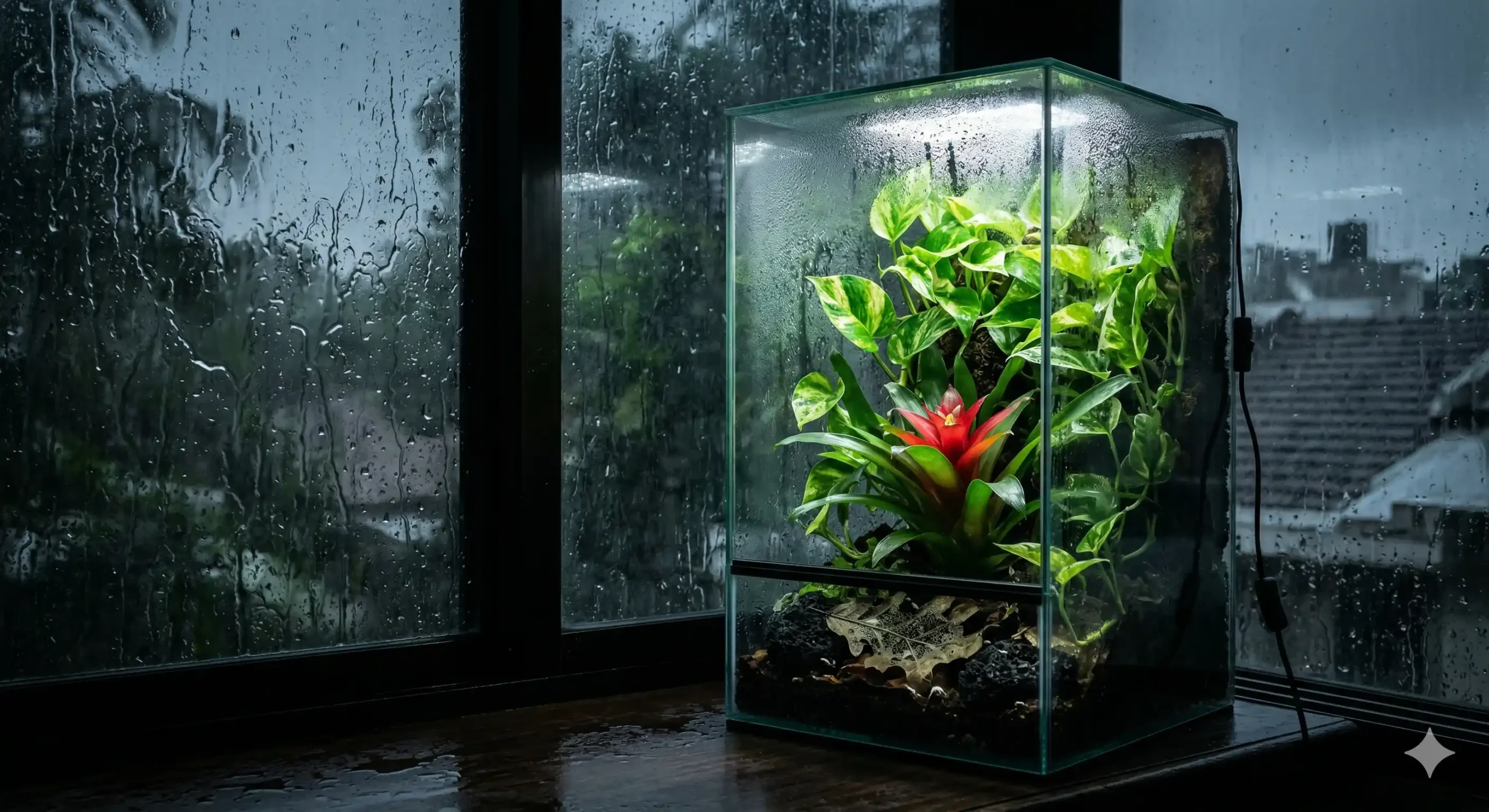
Operating enclosed ecosystems within the Indian subcontinent demands highly dynamic and observant maintenance strategies. The extreme seasonal fluctuations across the country directly impact the internal thermodynamics and fluid dynamics of a terrarium, fundamentally altering how the glass behaves and how frequently it must be cleaned.
Summer Heatwaves and Thermal Stress
During the intense Indian summer, where ambient room temperatures can routinely exceed 35°C (95°F) in cities like Delhi and Chennai, glass enclosures effectively act as magnifying greenhouses. Direct sunlight striking the glass causes immediate, dangerous spikes in internal heat, accelerating the evaporation of the water table.
This rapid, forced evaporation significantly exacerbates the buildup of hard water stains. As moisture is flashed into vapor, it instantly leaves any dissolved minerals baked firmly onto the glass. Furthermore, extreme temperature differentials—such as misting hot terrarium glass with cool water—can induce thermal cracking. Thermal cracking is a devastating process where uneven expansion and contraction physically shatters the silica structure of the enclosure.
To effectively mitigate severe summer stress:
- Relocate the enclosure to the coolest, shadiest area of the room, completely out of the path of direct window sunlight. Utilize only specialized full-spectrum LED lighting to safely support plant photosynthesis without generating excess radiant heat.
- Implement mechanical cross-ventilation by using low-voltage computer fans mounted to the top mesh screen. This actively draws out stagnant, superheated air and replaces it with cooler room air.
- Monitor the substrate moisture meticulously. The visual cue of perfectly clear, dry glass during the summer may indicate severe dehydration within the soil matrix. This requires immediate subsurface irrigation to protect the delicate springtail and isopod colonies from desiccation.
Monsoon Humidity and Fungal Proliferation
Conversely, the Indian monsoon season introduces intense atmospheric saturation. With indoor relative humidity routinely exceeding 80% to 90% in coastal and southern regions, the natural evaporation and transpiration cycle of the terrarium stalls entirely. Warm, heavily moist air inside the enclosure meets the slightly cooler glass, resulting in constant, heavy condensation that obscures the entire viewing area and drips continuously into the soil.
Prolonged, unchecked moisture on the glass acts as a powerful magnet for airborne fungal spores, leading to rapid mold blooms that can quickly overrun the habitat. Additionally, sodden conditions actively attract invasive monsoon pests, particularly fungus gnats (Bradysia spp.). These gnats lay eggs in the waterlogged upper layers of the soil, and their larvae fiercely compete with the established cleanup crew.
To successfully combat monsoon challenges:
- Drastically reduce or entirely cease all artificial misting and fogging schedules until the ambient room humidity drops.
- If heavy water droplets remain persistently on the glass throughout the day, the ecosystem is suffering from severe over-saturation. Manually wipe the condensation away with a dry microfiber cloth to physically remove the excess moisture from the closed system.
- Leave the enclosure doors slightly ajar or temporarily remove the canopy lid for short, carefully controlled durations. This allows the trapped, hyper-humid air to exchange with the ambient room environment.
- For persistent fungal issues driven by the extreme humidity, consulting advanced protocols on getting rid of terrarium mold provides specific biological and mechanical strategies to suppress dangerous mycelial growth before it overtakes the botanical elements.
Maintaining Absolute Water Quality
The foundational secret to a clear terrarium is understanding the water that goes into it. In India, water quality is highly variable not just by city, but by specific localities and seasonal shifts. The monsoon heavily dilutes groundwater, temporarily lowering TDS, while the intense heat of summer concentrates minerals, causing massive spikes in hardness.
For dedicated aquarists and terrarium keepers, investing in a handheld TDS meter is a fundamental requirement. Any water registering above 50 ppm will eventually leave a visible mark on your glass, and water registering above 150 ppm will actively create calcified crusts that block UV light from reaching your plants and ruin the aesthetic appeal of your display.
By committing to pure distilled or zero-TDS reverse-osmosis water, avoiding toxic synthetic chemicals, and utilizing precise mechanical tools like microfiber and razor blades, you ensure the safety of your microfauna while maintaining a flawless, museum-quality display.
Frequently Asked Questions
Can I use lemon juice as a safe glass cleaner?
No. While lemon juice contains natural citric acid capable of dissolving light mineral deposits, it also contains complex natural fructose sugars and highly concentrated citrus oils. The sugars leave a sticky, invisible residue on the glass that promotes rapid bacterial and fungal blooming. More critically, citrus oils (specifically d-limonene) are highly toxic and act as potent neuro-disruptors to beneficial invertebrates, presenting a severe danger to established colonies of springtails and isopods. Pure, food-grade citric acid powder heavily diluted in distilled water is the only acceptable acidic alternative.
Will a razor blade scratch terrarium glass?
When utilized correctly, a standard stainless-steel razor blade will not scratch standard silica glass. The blade must be held at a precise 45-degree angle and drawn across a wet, water-lubricated surface in a single, smooth direction. Scratches only occur when the user scrubs vigorously back and forth, trapping abrasive particles like sand or hardened calcium beneath the blade, which then grinds deeply into the glass. Note that razor blades must never be used on acrylic, plexiglass, or plastic enclosures, as these materials are significantly softer than steel and will be permanently gouged.
How often should terrarium glass be cleaned?
Maintenance frequency depends entirely on the specific ecosystem, ambient temperature, and your misting habits. A light, preventative wipe-down of the exterior and interior viewing pane with a dry or lightly dampened microfiber cloth should be performed weekly to physically disrupt the formation of mineral nucleation sites before they harden. Intensive deep cleaning utilizing citric acid solutions or razor blades should only be executed every few months or when heavy calcification severely impairs visibility. Over-cleaning the lower portions of the glass destroys the beneficial bacterial biofilm required for a stable nitrogen cycle.
Why is tap water bad for terrarium misting?
Tap water, particularly across the Indian subcontinent, contains highly elevated levels of dissolved minerals (calcium and magnesium), heavy metals, and municipal treatment chemicals like chlorine and chloramines. When sprayed into an enclosure, the water evaporates, leaving the heavy mineral compounds behind to crystallize on the glass and block stomata on plant leaves. Over time, these minerals also accumulate heavily in the soil matrix, gradually altering the pH and causing heavy metal toxicity that stunts plant growth and degrades the health and reproductive rates of the microfauna. Misting should be conducted exclusively with zero-TDS distilled or reverse-osmosis (RO) water.
How do I prevent the glass from fogging up entirely?
Fogging is the direct result of a temperature and humidity differential, occurring when warm, highly humid air inside the enclosure meets a cooler glass barrier. To minimize fogging, ensure proper cross-ventilation by installing mesh vents or utilizing low-wattage extraction fans to maintain constant airflow. Avoid overwatering the substrate, and ensure a proper LECA drainage layer is installed so that excess water does not pool at the bottom of the enclosure. If the room is heavily air-conditioned, the rapid external cooling of the glass will force immediate condensation; stabilizing the external room temperature significantly reduces this effect.