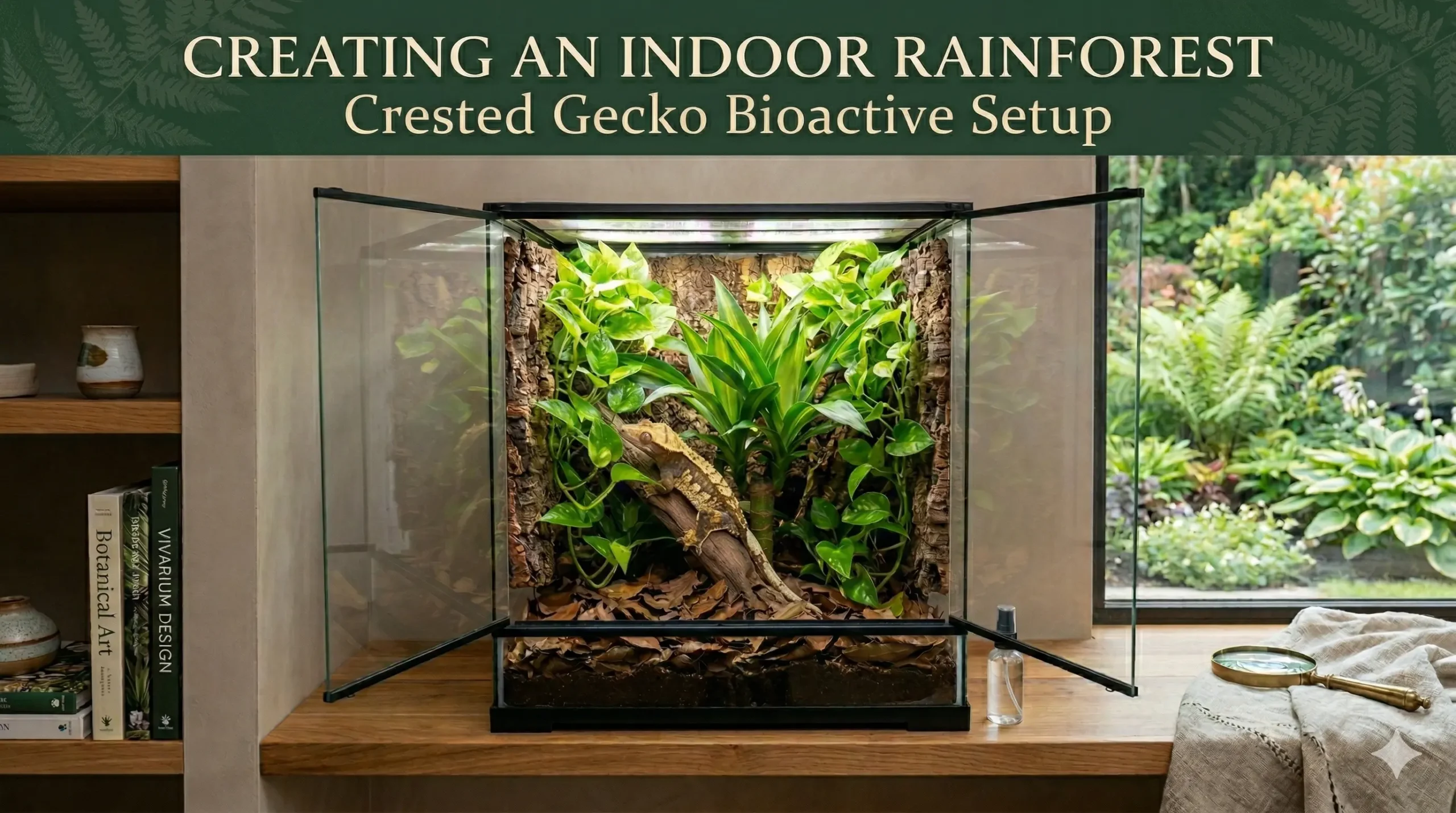
The methodology of reptile husbandry has undergone a massive paradigm shift. Keepers are rapidly transitioning away from sterile, artificial environments in favor of naturalistic, self-sustaining habitats. For an arboreal species like the Crested Gecko (Correlophus ciliatus), replicating the complex ecological web of the New Caledonian rainforest within a glass enclosure represents the pinnacle of modern herpetoculture. A properly engineered bioactive setup goes far beyond aesthetics; it utilizes a meticulously balanced combination of live flora, specific soil chemistry, and a specialized microscopic workforce known as the clean-up crew to biologically process waste.
Here at our Trenoya culturing facility in India, we have dedicated years to studying the precise environmental parameters, microfauna integration, and substrate mechanics required to sustain these tropical ecosystems indoors. Designing a thriving arboreal habitat requires acknowledging the heavy bioload and physical impact of an adult crested gecko, which can easily weigh 45 grams and aggressively trample delicate foliage. Furthermore, managing these humid environments against the backdrop of the intense Indian summer and monsoon seasons presents unique thermodynamic and moisture-control challenges.
This technical report provides a comprehensive architectural blueprint for constructing, establishing, and indefinitely maintaining a biologically secure, odor-free home for your crested gecko.
What is the best clean up crew for Crested Geckos?
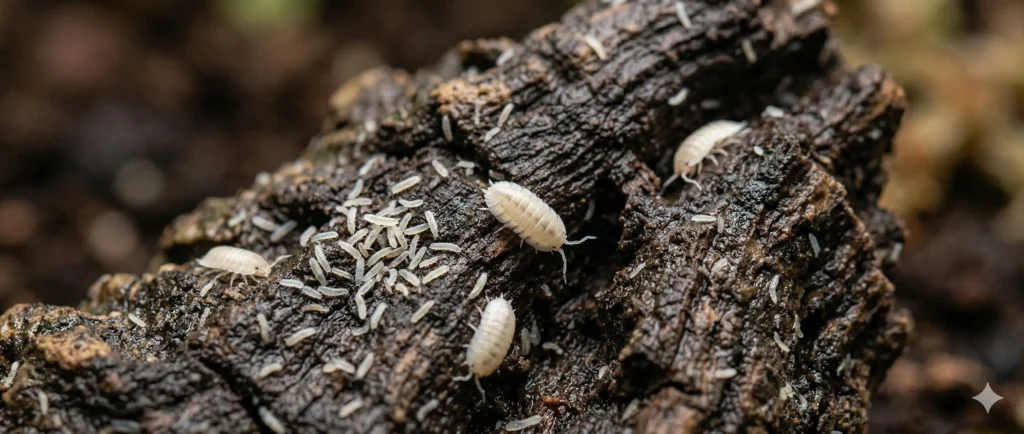
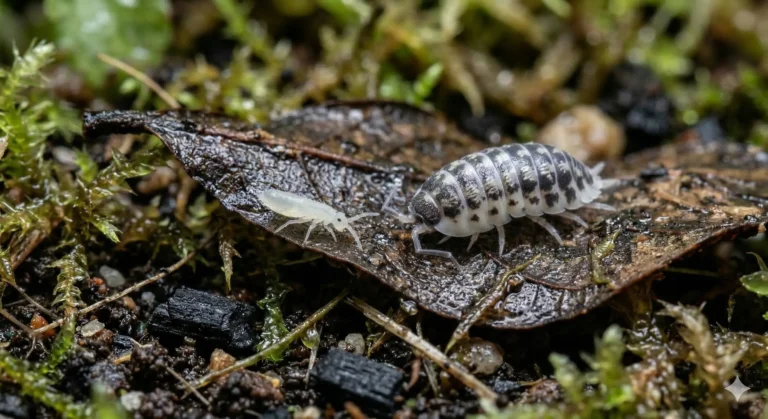
The best clean up crew for Crested Geckos is a combination of tropical springtails and dwarf white isopods. Tropical springtails actively consume mold and fungal spores, while dwarf white isopods break down larger organic waste and feces. This pairing thrives in high-humidity arboreal enclosures without threatening the soft-bodied gecko.
The Biological Engine: Detritivores and the Nitrogen Cycle
A bioactive terrarium is essentially a contained, indoor bioreactor. It relies heavily on the nitrogen cycle, where organic waste—such as reptile feces, shed skin, and decaying botanical matter—is dismantled by specific organisms. Without these organisms, a humid terrarium will quickly become a toxic, anaerobic swamp overrun by pathogenic fungi and bacteria.
Because crested geckos are an arboreal species, their waste distribution is highly sporadic. They defecate high up on the glass walls, inside cork bark tubes, and across broad plant leaves. Therefore, the cleanup crew must be carefully selected to navigate both the deep subterranean layers of the soil and the upper canopies of the enclosure.
Primary Processors: Isopod
Isopods, commonly known as woodlice, are terrestrial crustaceans that serve as macro-decomposers in the vivarium. They utilize strong mandibles to physically shred and consume decaying plant matter and solid reptile waste. As they digest this material, they excrete nutrient-dense organic fertilizer known as frass, which is immediately bioavailable to the root systems of your live terrarium plants.
Selecting the correct isopod species is highly consequential. The biological requirements of the isopod must align with the environmental parameters of the crested gecko, and the physical characteristics of the isopod must pose absolutely zero threat to the reptile.
| Isopod Species | Habitat Zone | Reproductive Rate | Compatibility with Crested Geckos |
| Dwarf White (Trichorhina tomentosa) | Subterranean / Substrate | High (Parthenogenetic) | Excellent. Small size (3-4mm) prevents them from becoming targeted prey. They burrow deeply, maintaining soil aeration and processing buried waste. |
| Powder Blue/Orange (Porcellionides pruinosus) | Surface / Leaf Litter | Very High | Excellent. Highly active surface dwellers that quickly break down fallen diets and leaf litter. Safe for soft-bodied reptiles. |
| Dairy Cow (Porcellio laevis) | Surface | Extreme | Dangerous. Highly protein-driven with strong mandibles. Documented cases exist of this species swarming and biting resting, soft-bodied reptiles. Avoid entirely. |
| Zebra (Armadillidium maculatum) | Surface | Moderate | Poor. They require a higher ratio of ventilation and prefer slightly more temperate, less humid conditions than a crested gecko enclosure provides. |
Dwarf white isopods remain the absolute gold standard for this specific application. Because they reproduce asexually via parthenogenesis, a single introduced female can establish a thriving colony. They spend the vast majority of their life cycle beneath the soil surface, meaning they remain entirely safe from the hunting instincts of an adult crested gecko.
Secondary Processors: Collembola (Springtails)
While isopods manage the macroscopic waste, they cannot control the rapid proliferation of mold. Crested geckos require a relative humidity of 60% to 80%, an environment where fungal spores bloom aggressively on decaying wood and moist soil.
This is where springtails (order Collembola) become indispensable. These microscopic hexapods act as secondary processors and obligate fungivores. They aggressively graze on fungal hyphae, white cobweb mold, and transient green patches (Trichoderma) before these growths can suffocate live plants or harm the reptile.
When establishing a new arboreal setup, it is highly recommended to introduce these organisms several weeks before the reptile to allow the populations to stabilize and begin breeding within the substrate matrix. To ensure seamless population establishment and ecosystem balance, you can review our specialized guide on springtails for your reptile vivarium.
Here at Trenoya, we understand the exact requirements for establishing these ecosystems. Our Trenoya Live Springtails are strictly Lab-Grown in India on sterilized media, ensuring they are completely Pest-Free. We supply these cultures in secure 200ml pet jars with colony sizes of 30 to 100+ active individuals, perfectly adapted to local temperatures. Every shipment includes our Live Arrival Guarantee and Pan-India Express Shipping, backed by our comprehensive QR-code care guides to walk you through the acclimation process.
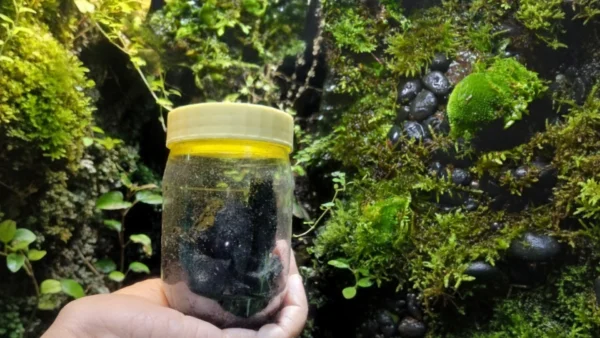
TRENOYA Springtails (Cleanup Crew) — Live Culture Starter (India)
Seed your bioactive terrarium with a pest-free, starter-ready springtail culture. Perfect for mold control and waste cleanup. Live Arrival Guarantee + Pan-India express shipping.
Engineering the Bioactive Substrate Matrix
The substrate in a bioactive crested gecko enclosure is not merely “dirt”; it is a highly engineered bioreactor that must sustain the nitrogen cycle, support vigorous botanical root growth, and maintain strict moisture gradients. Because an adult crested gecko requires an enclosure with a minimum footprint of 18″x18″x24″, the actual volume of soil is relatively limited. If the soil is improperly mixed, the daily misting required by the gecko will quickly compact the earth, forcing out oxygen and creating an anoxic, foul-smelling swamp.
The Aquifer: Constructing a Drainage Layer
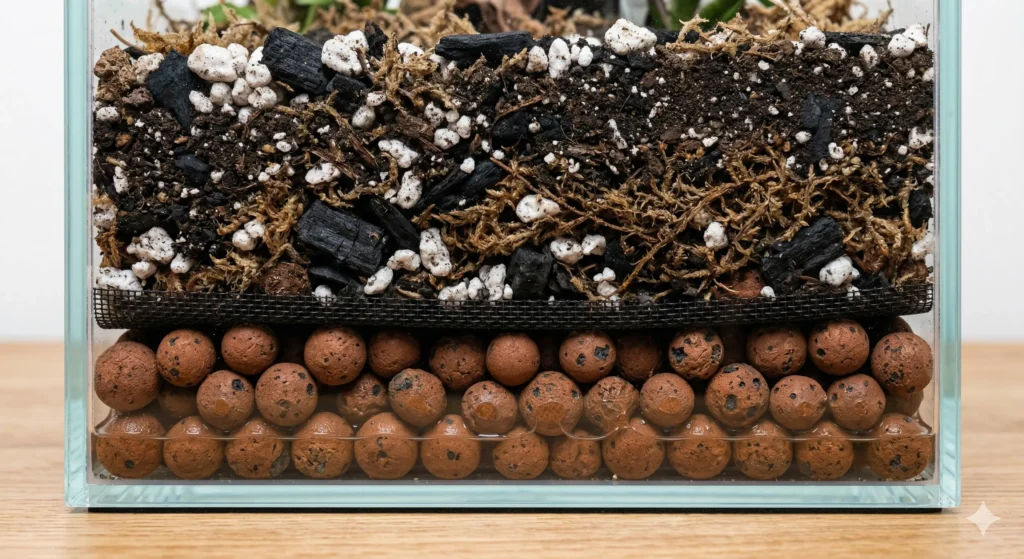
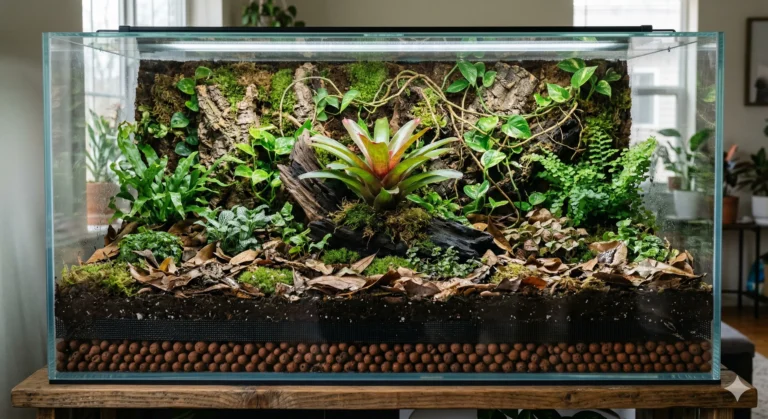
Before any soil is added, a false bottom must be installed. This drainage layer captures the excess water that percolates through the soil after heavy misting, preventing the substrate from becoming saturated.
- The Base Material: Pour a 1.5 to 2-inch layer of Lightweight Expanded Clay Aggregate (LECA) or highly porous lava rock across the bare glass bottom of the terrarium. These materials hold moisture within their internal pores but do not wick water rapidly, keeping the upper layers safe.
- The Synthetic Barrier: The drainage layer must be completely separated from the soil matrix. Lay a sheet of permeable synthetic mesh (such as a standard window screen or dedicated terrarium mesh) directly over the LECA. Without this barrier, the fine particles of the organic soil will migrate downward, clogging the aquifer and causing total system failure.
Formulating the Primary Soil Mixture
To support both the heavy moisture demands of tropical plants and the burrowing needs of the dwarf white isopods, the soil must be highly aerated and resistant to mechanical breakdown. Pure coconut coir or standard potting soil is entirely insufficient, as it lacks structure and often contains dangerous chemical fertilizers or perlite.
A scientifically sound, long-term growth substrate for this specific environment should be blended using the following ratios:
| Component | Recommended Ratio | Primary Biological and Physical Function |
| Organic Topsoil | 40% – 50% | Provides the heavy bulk density, natural minerals, and structural anchoring required for the root systems of large arboreal plants. |
| Coconut Coir | 20% – 30% | Mimics the spongy texture of natural rainforest soil. It possesses an immense capacity for moisture retention without rapidly decomposing. |
| Orchid Bark | 15% – 20% | Generates essential interstitial air pockets within the soil. This prevents compaction from the heavy watering schedule and ensures oxygen reaches deep into the substrate for the isopod colonies. |
| Horticultural Charcoal | 5% – 10% | Acts as an active carbon reservoir. It chemically filters impurities from the water and provides vast microscopic surface area for colonization by beneficial nitrifying bacteria. |
| Long-Fiber Sphagnum Moss | 5% | Mixed thoroughly into the soil, these strands act as localized “hydration stations,” holding up to twenty times their weight in water to maintain a steady ambient humidity. |
The Botanical Canopy: The Role of Leaf Litter
A bioactive setup without a thick layer of decomposing leaves is ecologically incomplete. Leaf litter is the primary carbon input and biological driver of the terrarium. The clean up crew requires this decaying matter to survive; if the enclosure lacks a leaf litter layer, hungry isopods will be forced to cannibalize your expensive live plants for sustenance.
The leaf litter layer should be applied 2 to 3 inches deep, completely obscuring the dark soil beneath. An optimal terrarium will utilize a combination of leaves with varying chemical properties:
- Low-Lignin Leaves (Rapid Consumption): Leaves from the Indian Almond tree (Terminalia catappa) and Guava tree (Psidium guajava) have thin cuticles and lower lignin content. They decompose moderately fast, providing an accessible and steady food source for the isopods. Furthermore, as they break down, they leach tannins, flavonoids, and humic acids into the soil. This creates a mild acidity that closely mimics the natural forest floor, actively suppressing the growth of pathogenic bacterial strains.
- High-Lignin Leaves (Structural Integrity): Leaves from Oak (Quercus spp.), Magnolia (Magnolia grandiflora), and dried native Mango (Mangifera indica) possess thick, waxy cuticles and high lignin content. They resist rapid microbial breakdown, often lasting up to twelve months in a humid enclosure. These leaves form the physical architecture of the forest floor, providing essential visual barriers and secure microhabitats for the microfauna to breed away from the prying eyes of the crested gecko.
To thoroughly understand the chemical profiles and sterilization protocols required for safe foraging, it is highly recommended to review our in-depth analysis on selecting the best leaf litter for isopods.
Integrating Safe Arboreal Flora
The integration of live plants is a hallmark of the bioactive framework. Plants not only provide the visual aesthetics of a slice of nature, but they act as the lungs of the enclosure. Through the process of transpiration, they naturally elevate and stabilize ambient humidity levels. Additionally, their root systems absorb the nitrogen-rich frass deposited by the isopods, filtering the soil and closing the biological loop.
Selecting flora for a crested gecko habitat requires recognizing the physical demands of the animal. Adult crested geckos are robust, heavy-bodied lizards that navigate by leaping forcefully from branch to leaf. Delicate, fragile plants will be immediately crushed or snapped. You must select species with high tensile strength, thick foliage, and the ability to thrive under the LED grow lights and high moisture parameters of the terrarium.
Premier Plant Selections for the Canopy and Mid-Ground
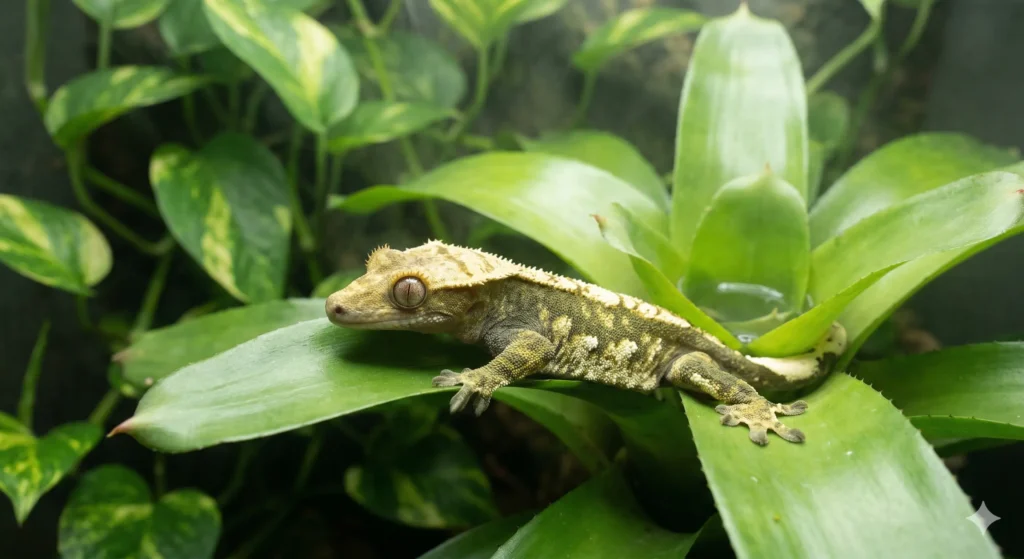
- Dracaena “Janet Craig” (Dracaena fragrans compacta): This is arguably the most structurally sound plant available for a crested gecko vivarium. It features a strong central stalk and dense clusters of shiny, deep green leaves that easily support the full weight of a jumping adult. It thrives in the low-to-medium light conditions typical of the mid-levels of a terrarium and tolerates constantly damp soil.
- Pothos (Epipremnum aureum): A remarkably resilient aroid vine that grows rapidly. Pothos is indispensable for bioactive setups due to its sheer hardiness. As it vines upward, it will utilize aerial roots to anchor itself to your cork bark backgrounds, creating a sweeping, natural canopy. Crested geckos heavily favor the broad leaves of the Pothos as sleeping sites during daylight hours. It is easily propagated; simply snip a vine below a node and press it into the soil.
- Bromeliads (Bromeliaceae): These epiphytic plants add brilliant splashes of reds, pinks, and purples to the enclosure. In the wild, bromeliads anchor themselves to tree branches rather than rooting in deep soil. In the terrarium, they should be wrapped in sphagnum moss and pinned into the crevices of your vertical hardscape. The overlapping leaves of the bromeliad form a tight central “cup” (axil) that catches and holds water during your evening misting sessions. This provides a natural, elevated drinking source for the gecko, ensuring optimal hydration.
- Snake Plants (Sansevieria trifasciata): Known for their rigid, sword-like vertical leaves, snake plants are nearly indestructible. They offer excellent vertical resting sites for geckos that prefer to sleep upright. Because they are technically succulents, they must be planted in a well-draining section of the terrarium to prevent root rot, ensuring their base is not perpetually submerged in wet soil.
- Bird’s Nest Ferns (Asplenium nidus): While many fern species (like the maidenhair fern) possess delicate, airy fronds that a gecko will quickly decimate, the bird’s nest fern features thick, broad, leathery leaves. They form an excellent, low-to-midground rosette that provides ample hiding space near the substrate level, thriving in the consistently moist and humid environment.
Biosecurity and Plant Preparation
Before introducing any plant purchased from a local Indian nursery into your terrarium, it must undergo strict biosecurity protocols. Commercial nurseries heavily utilize chemical fertilizers, systemic pesticides, and leaf-shining sprays that are highly toxic to both amphibians and microfauna.
Remove the plant from its plastic pot and submerge the root mass in a bucket of dechlorinated water. Gently massage the root ball until all of the commercial soil, perlite, and slow-release fertilizer spheres are entirely washed away. Once the roots are completely bare, submerge the entire plant (foliage and roots) in a mild 5% bleach solution for 10 minutes to kill any hitchhiking pests, such as mealybugs or spider mites, before rinsing it thoroughly with clean water.
Mastering Climate Dynamics: Indian Summers and Monsoons
The natural habitat of the crested gecko, New Caledonia, features a remarkably stable and mild island climate. In captivity, their thermal gradient must be strictly maintained between 22°C and 26°C (72°F to 78°F) during the daytime, allowing for a slight drop to 18°C to 22°C (65°F to 72°F) at night.
Unlike bearded dragons or monitor lizards, crested geckos do not require intense basking bulbs. In fact, they are highly sensitive to heat stress; sustained exposure to ambient temperatures exceeding 28°C (82°F) can induce severe neurological damage, heatstroke, and death. Maintaining these mild parameters against the intense extremes of the Indian climate requires strategic environmental engineering.
Thermal Mitigation During the Indian Summer
Between the months of April and June, ambient temperatures in cities across India routinely exceed 35°C to 40°C. If your terrarium is located in a room without continuous air conditioning, you must intervene to lower the internal temperature of the glass box.
- Harnessing Evaporative Cooling: The most effective method for lowering terrarium temperatures without an AC unit utilizes the physics of evaporative cooling. Place frozen gel ice packs (specifically gel-only, to prevent rapid melting) wrapped in thin towels directly on top of the external metal screen mesh of the enclosure, ensuring they are positioned away from the gecko’s primary sleeping spot. Position a small computer fan or USB desk fan to blow air directly across the condensation forming on the ice packs. This pushes chilled, dense air downward into the terrarium, effectively lowering the ambient internal temperature by 3°C to 4°C.
- Strategic Hydration: Mist the enclosure frequently to facilitate further evaporative cooling off the broad leaves. However, you must only use room-temperature dechlorinated water. Never spray your gecko with chilled or refrigerated water, as the sudden temperature differential will induce severe thermal shock.
- Dietary Temperature Control: Prepare your powdered Crested Gecko Diet (CGD) as usual, but store the mixed liquid in the refrigerator. Offering chilled food during the hottest parts of the evening provides internal thermal relief for the reptile.
- Recognizing Heat Stress: You must monitor your animal closely. Symptoms of overheating include profound lethargy, frantic restlessness or pacing during daylight hours, significant weight loss, burrowing deep into the substrate (an unnatural behavior for an arboreal gecko), and sunken eyes indicating rapid dehydration.
Regulating Humidity During the Monsoon
Conversely, the Indian monsoon season (July through September) presents a completely different challenge: chronic, stagnant over-hydration. Crested geckos require a relative humidity (RH) spike of 80% to 90% following an evening misting. However, this spike must be transient. The terrarium requires a critical “dry-out” period during the day, where humidity falls back to a baseline of 50% to 60%.
If the terrarium remains constantly saturated at 85%+ humidity, the environment becomes a breeding ground for bacterial and fungal pathogens. The gecko becomes highly susceptible to respiratory infections and necrotizing dermatitis (scale rot).
- Halting the Misting Cycle: If your digital hygrometer registers ambient humidity above 75% prior to your evening misting, withhold water entirely.
- Forced Air Circulation: Stagnant, wet air is the primary catalyst for mold. Improve cross-ventilation by placing a small fan on top of the mesh to pull stagnant air out of the enclosure.
- Monitoring Fungal Blooms: The extreme moisture of the monsoon will test the limits of your clean up crew. Fine white hyphae and cobweb mold will attempt to rapidly colonize the damp leaf litter. A robust population of Trenoya springtails will aggressively predate on these fungal spores, converting the mold threat into biological energy.
| Climate Phase | Primary Risk Factor | Required Keeper Intervention |
| Indian Summer (April-June) | Fatal Heatstroke (Temperatures > 28°C / 82°F) | Utilize evaporative cooling (ice packs on mesh with fans). Offer chilled CGD. Mist with room-temperature water. |
| Monsoon Season (July-Sept) | Respiratory Infection & Scale Rot (Constant RH > 80%) | Cease heavy misting. Institute a forced “dry-out” period during the day (target 50-60% RH). Increase mechanical ventilation. |
Long-Term Maintenance and Troubleshooting
The concept of a “zero-maintenance” bioactive terrarium is a persistent myth. While the microfauna dramatically reduce the daily labor required, the ecosystem is a closed loop that requires diligent stewardship to remain functional.
Spot Cleaning the Canopy
While your isopods and springtails are highly efficient at processing brown fecal matter and decaying botanical debris, their biological capabilities have limits. Reptiles excrete their nitrogenous waste as solid, white uric acid (urates). Detritivores generally cannot metabolize these dense mineral concentrations.
Because crested geckos defecate on the glass and upper leaves, you must manually spot-clean these urates weekly. Leaving them to accumulate will result in localized ammonia spikes that can burn plant leaves and degrade the overall air quality of the terrarium. When cleaning the glass, use only distilled water and a microfiber cloth; chemical glass cleaners will introduce volatile organic compounds that are instantly lethal to your microfauna.
Sustaining the Microfauna Population
Crested geckos are relatively small lizards with a moderate bioload. While this is excellent for keeping the tank clean, it means the natural waste produced may not be sufficient to sustain a massive, booming population of thousands of isopods and springtails.
To prevent your clean up crew from starving (which inevitably leads to them consuming the root systems of your live plants), you must supplement their diet. Every 10 to 14 days, pull back a small section of the leaf litter and place a pinch of active baker’s yeast, finely ground rice flour, or specialized micro-diet directly onto the damp soil. Cover it back up with the leaves. This targeted feeding ensures the springtails and isopods remain deeply colonized in the substrate and highly active.
Managing Invasive Pests
A humid, nutrient-rich environment is an attractive target for invasive pests, most notably the Fungus Gnat (Sciaridae). These small, mosquito-like flies thrive in damp soil, where their larvae aggressively consume fungal spores, directly competing with your springtails for resources.
Because you cannot use chemical pesticides in a bioactive terrarium, intervention requires biological warfare.
- Mechanical Trapping: Place small, yellow sticky traps near the upper ventilation mesh of the terrarium. The bright yellow spectrum attracts the adult flying gnats, pulling the egg-laying females out of the reproductive cycle.
- Biological Drenching: If the infestation becomes severe, utilize a larvicide called Bti (Bacillus thuringiensis israelensis). Mixing Bti granules into your misting water and drenching the soil introduces a naturally occurring bacterium that is lethal to gnat larvae but completely harmless to your isopods, springtails, and the crested gecko.
Substrate Aeration
Over the course of a year, the constant daily misting and the physical weight of the gecko leaping onto the soil surface will cause the substrate to slowly compress. Compacted soil suffocates the root systems of the plants and destroys the interstitial air pockets the isopods require for survival.
Once every four to six weeks, take a dull wooden dowel or a specialized terrarium tool and gently puncture the soil in several places, being extremely careful to avoid severing the primary root masses of your plants. This mechanical aeration re-introduces essential oxygen into the deep soil layers, preventing the proliferation of foul-smelling anaerobic bacteria and revitalizing the ecosystem.
Frequently Asked Questions (FAQ)
Do Crested Geckos require UVB lighting in a bioactive setup?
While it is technically true that crested geckos can survive on a high-quality commercial diet supplemented with synthetic Vitamin D3, the modern standard of care strongly recommends providing low-level UVB. Utilizing a 2.4% to 5% linear UVB bulb (such as the Arcadia ShadeDweller) provides the specific wavelengths necessary for the gecko to naturally synthesize its own Vitamin D3, which drastically improves bone density, regulates their circadian rhythm, and often enhances the vibrancy of their skin pigmentation. The live plants will also benefit collaterally from the broad-spectrum light.
Will isopods overrun the tank or bite my gecko?
The population dynamics of your clean up crew are self-regulating, meaning they will only breed to the carrying capacity of the available food and space. If you utilize the correct species—such as dwarf white isopods or powder blue isopods—they are entirely harmless detritivores. They lack the biological inclination or mandibular strength to harm a reptile. However, keeper error in species selection is dangerous; large, protein-hungry species like Porcellio laevis (Dairy Cows) must be avoided, as they have been documented biting soft-bodied animals.
How often does the bioactive soil need to be completely replaced?
The defining advantage of a bioactive ecosystem is its longevity. Unlike sterile setups that require total substrate replacement every month, a properly maintained bioactive soil matrix can last indefinitely. As long as you continually replenish the consumable leaf litter layer, perform weekly spot-cleaning of the solid urates, and ensure the LECA drainage layer never floods into the soil, the biological engine will continue to cycle the waste naturally.
Can tropical springtails infest my house if they escape?
This is a very common misconception, but the biological reality makes it impossible. Springtails (Collembola) are incredibly fragile organisms that respire cutaneously, meaning they breathe directly through their skin. This physiological trait requires them to remain in environments with constant, high relative humidity (typically over 70%) to survive. If a springtail were to escape the terrarium into the dry ambient air of a typical home, it would rapidly desiccate and die within a matter of minutes. They pose absolutely zero threat to human structures, pets, or houseplants outside of the controlled terrarium environment.