You’ll culture Folsomia candida across India by mimicking monsoon microclimates: 22–26°C, 85–95% RH, shaded, high‑organic litter with neutral–slightly acidic, low‑salinity substrates. Use ventilated polypropylene boxes on evaporative coolers at home; shaded, cross‑ventilated farm rooms with reflective roofs; or BOD incubators at 23–24°C and 12:12 L:D. Feed small, frequent portions: milled brewer’s yeast+roasted chickpea, rice‑water biofilm, curd whey, plus microalgae/leaf litter. Control moisture (squeeze test), exclude pests (200‑µm mesh), and as field bioindicators for IPM—details follow.
Key Takeaways
- In India, moisture-dependent Folsomia candida peaks in shaded litter, mulched beds, rich compost; monsoons drive abundance, semi-arid zones rely on irrigated patches.
- Heat-safe home culture: ventilated polypropylene boxes on evaporative coolers, 22–26°C and 85–95% RH; farm rooms shaded, cross-ventilated with reflective roofing.
- For organic farming and IPM, use baited rings or Berlese funnels; population dips flag toxicity, rebounds show recovery; high feeding rates confirm mature compost.
- Feed small, frequent portions: milled brewer’s yeast plus roasted chickpea; add steamed rice-water biofilm, curd whey, and microalgae or micronized leaf litter.
- Prevent crashes: control moisture via squeeze test, mist RO water; cool during heat spells; 200‑µm mesh blocks pests; sanitize tools and quarantine inputs.
Species Profile and Climate Adaptability Across India
Although Folsomia candida is cosmopolitan, you should treat it as a moisture-dependent, litter-dwelling springtail whose performance hinges on India’s monsoon-driven microclimates rather than broad climate zones. Across the Western Ghats, northeastern hill states, and humid coasts, you’ll find peak densities in shaded leaf litter, mulched beds, and rich compost, reflecting habitat preferences for high organic matter, neutral–slightly acidic pH, and low salinity. In semi-arid interiors and the Indo-Gangetic dry season, populations contract to irrigated patches and riparian litter.
Expect parthenogenetic reproductive behavior with short generation times; fecundity scales with soil moisture and declines when weekly mean temperatures exceed about 28–30°C. Eggs desiccate quickly under hot, dry winds, but monsoon pulses restore cohorts. Pesticide-intensive tea, cotton, and paddy landscapes markedly depress abundance. Across study regions.
Heat-Safe Culture Setups for Home, Farm, and Lab
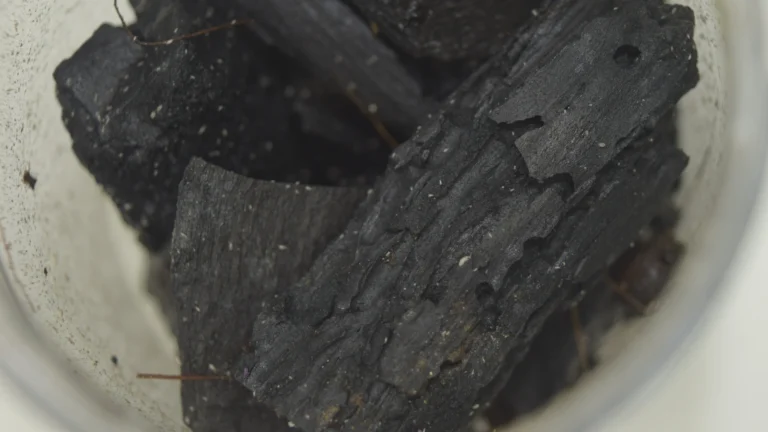
Given their moisture dependence and reduced fecundity above ~28–30°C in Indian summers, you need heat-safe culture setups that stabilize temperature and humidity at the micro-scale. At home, place ventilated polypropylene boxes on evaporative clay pot-in-pot coolers or gel ice packs buffered by insulation; target 22–26°C, 85–95% RH. For heat control, use digital thermometers and humidity sensors; log data daily. On farms, situate culture racks in shaded rooms with cross-ventilation, reflective roofing, and wet-bulb evaporative pads; add thermostatic fans. Maintain substrates—hydrated plaster/charcoal or coconut coir—with capillary reservoirs for moisture management. In labs, incubate at 23–24°C in BOD incubators with HEPA-filtered air; set 12:12 L:D. Use shallow, wide containers to limit thermal gradients, PTFE-coated walls to prevent escape, and mesh lids to balance gas exchange safely.
Feeding Strategies for Fast Reproduction
While temperature control keeps cultures viable, you’ll drive reproduction by supplying easily digestible, low-contaminant foods that mimic fungal/biofilm diets and don’t foul under Indian heat and humidity. Feed small, frequent portions to match assimilation and observe nesting behavior near microhabitats. Prioritize diet diversity from local staples that stay stable at 28–32°C and variable monsoon humidity.
- Offer milled brewer’s yeast plus roasted chickpea (sattu) 3:1; supports amino acids and B-vitamins, accelerating oogenesis and juveniles.
- Rotate thin smears of steamed rice water biofilm and curd whey flakes; bioactive films cue grazing, boosting clutch density without souring quickly.
- Supplement with microalgae powder or spirulina, and a trace of micronized leaf litter from neem or banyan; polysaccharides enhance gut symbionts, improving fecundity and egg output.
Maintenance, Hygiene, and Preventing Culture Crashes
Because monsoon swings in heat and humidity amplify microbial blooms and pests, you’ll keep F. candida stable by pairing strict moisture control with disciplined sanitation and biosecurity tailored to Indian rooms. Maintain substrate just damp; use the squeeze test, mist with RO water, and vent lids daily without dripping. Hold 18–22°C; in hot spells, park boxes on cool floors, add frozen gel packs externally, and avoid evaporative coolers. Fit 200‑µm mesh over air holes for pest prevention against gnats and mites. Bake substrate at 80°C for 30 minutes; freeze leaf litter 72 hours. Sterilize tools with 70% ethanol, and quarantine new inputs. Split into staggered backups, cull any sour cultures, and underfeed slightly. This regimen preserves culture longevity and prevents crashes during Indian summers.
Uses in Organic Farming, IPM, and Soil Health Monitoring
Although Folsomia candida is chiefly a lab model detritivore, you can use it in India as a practical bioindicator for soil quality, compost maturity, and non‑target pesticide effects that shape IPM decisions. Deploy baited field rings or Berlese funnels to track abundance after spraying, manuring, or irrigation across Kharif and Rabi windows. You’ll interpret population dips as toxicity flags and rebounds as restoration signals; calibrate against pH, moisture, and organic carbon.
- Residue screening: test botanical and synthetic options; prefer low-impact actives for organic pest programs.
- Compost validation: confirm curing; high F. candida feeding rates indicate stable, mature substrates with uses benefits for nurseries.
- Soil health audits: integrate counts with dehydrogenase activity, EC, and bulk density to guide IPM thresholds and tillage.
Frequently Asked Questions
Are Folsomia Candida Legal to Import, Sell, or Transport Across Indian States?
Import is generally restricted; you’ll need DGFT authorization, Plant Quarantine permits, and ICAR approvals under India’s import regulations. Domestic sale and interstate transport require state biosecurity clearances; verify Insecticides Act, Biodiversity Act, and local notifications.
How Can I Ethically Collect Wild Springtails Without Harming Local Ecosystems?
You practice ethical harvesting by sampling minimally, prioritizing ecosystem preservation. Use sterile aspirators, return leaf litter, avoid protected areas, obtain permissions, decontaminate gear, avoid translocation, record GPS and microhabitat, sample post-monsoon, quarantine cultures, release bycatch.
What Are Reliable Indian Suppliers for F. Candida Starter Cultures?
You’ll source F. candida starter cultures from local suppliers in metros’ vivarium/aquaculture shops, or reputable vendors via NABL-accredited ecotoxicology labs and university repositories; verify ISO 11267 lineage, axenic status, and permits under Plant Quarantine regulations.
How to Distinguish F. Candida From Tropical Springtail Lookalikes With a Hand Lens?
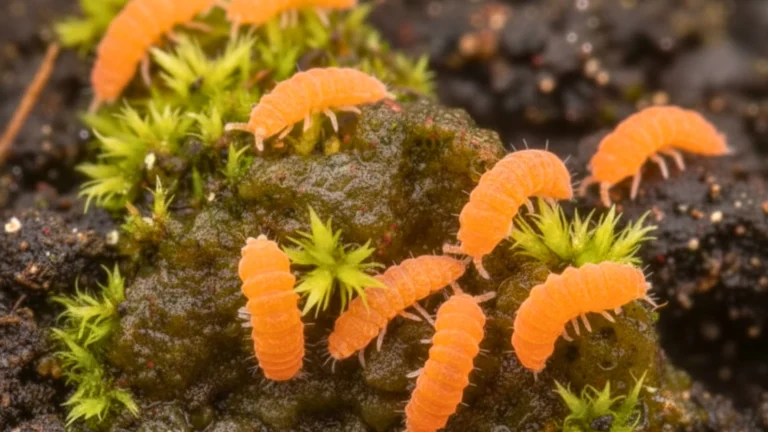
Only about 2 mm long, you’ll identify F. candida by eyeless, unpigmented bodies, smooth cuticle, reduced furcula, and Antenna IV. In India, tropical lookalikes show pigmentation, ocelli, longer furcula, springtail morphology differences—crucial for identifying springtails. Understanding these differences is vital for researchers and hobbyists alike, as identifying F. candida accurately can influence ecological studies and breeding programs. Moreover, incorporating temperate springtails benefits for setups, enhancing soil quality and providing a natural food source for various organisms, can significantly improve the health of the entire ecosystem. This awareness fosters a more sustainable approach to managing springtail populations in controlled environments.
Do F. Candida Pose Allergy Risks or Household Health Concerns for Keepers?
Yes, but risks are low: they don’t bite or vector disease; rare allergic reactions arise from frass or exuviae. In India’s humid regions, manage mold confounders. Use health precautions—gloves, N95, ventilation, desiccants, clean spills promptly.