
Best Leaf Litter for Bioactive Terrariums & Isopods
The establishment of a bioactive ecosystem represents a significant advancement in modern herpetoculture and invertebrate husbandry….
The establishment of a bioactive ecosystem represents a significant advancement in modern herpetoculture and invertebrate husbandry….
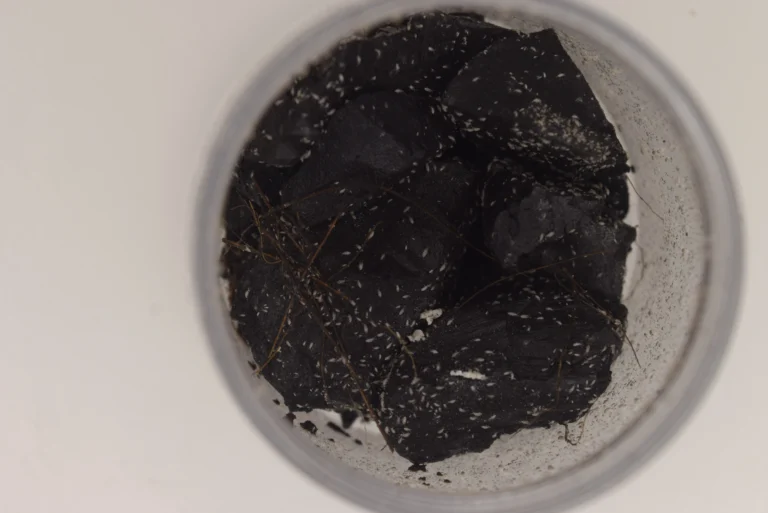
Building a self-sustaining bioactive ecosystem requires a dedicated microscopic workforce. Every day, hobbyists ask us if…
Discover whether wild‑caught springtails boost bioactive setups or endanger them, as we weigh hidden risks against surprising rewards you can’t ignore.
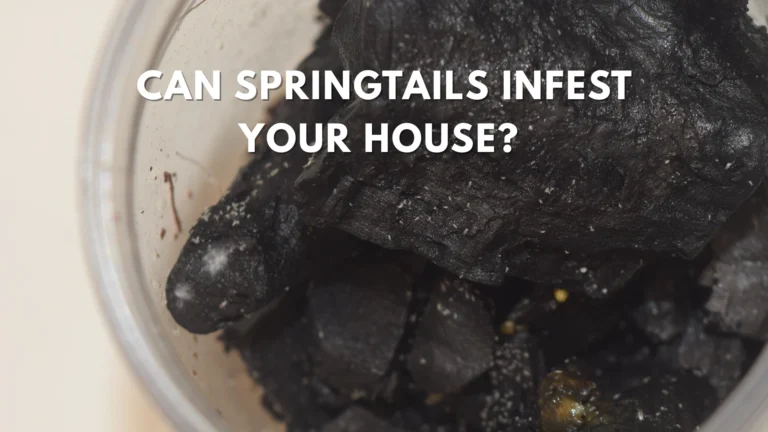
Not an infestation—springtails chase humidity, not your home; discover why they appear after rain and the simple fixes experts use to stop them.
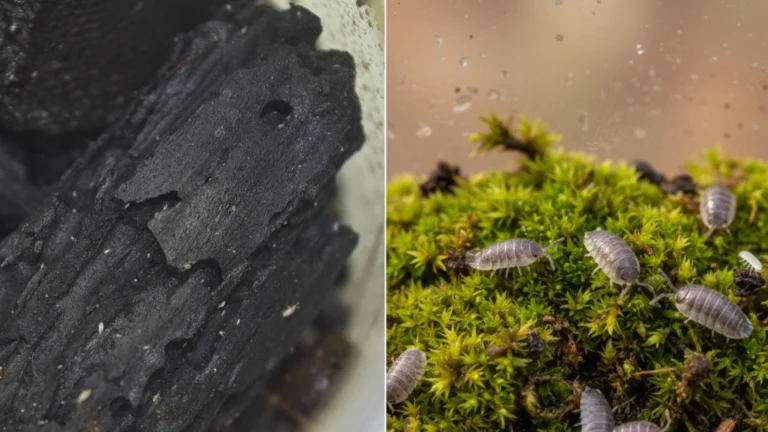
A head-to-head reveals surprising winners between springtails and isopods, with data on mold control and litter loss—but the real choice depends on one factor.
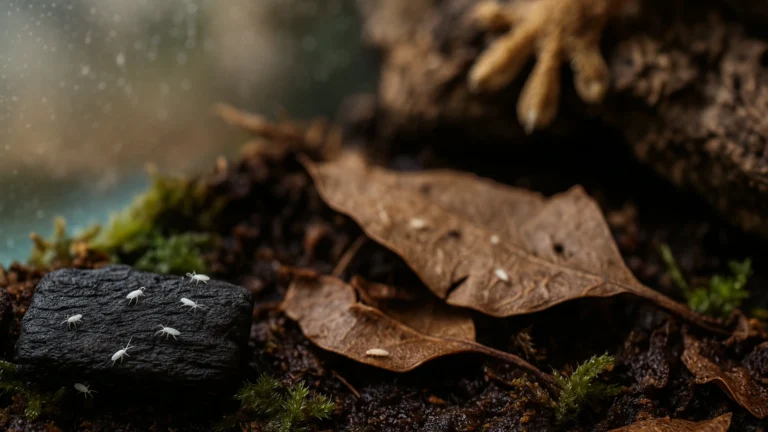
Wonder how springtails supercharge dart frogs, geckos, snakes, and tarantulas—cleaning waste, boosting feeding, stabilizing humidity—discover the species-specific tricks keepers swear by.
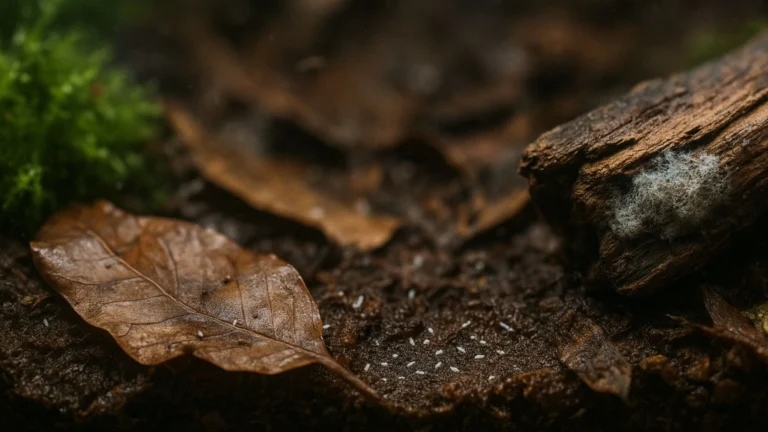
Hesitate too long and these 5 subtle warnings your bioactive terrarium needs more springtails could crash your micro-ecosystem—discover them before it’s too late.
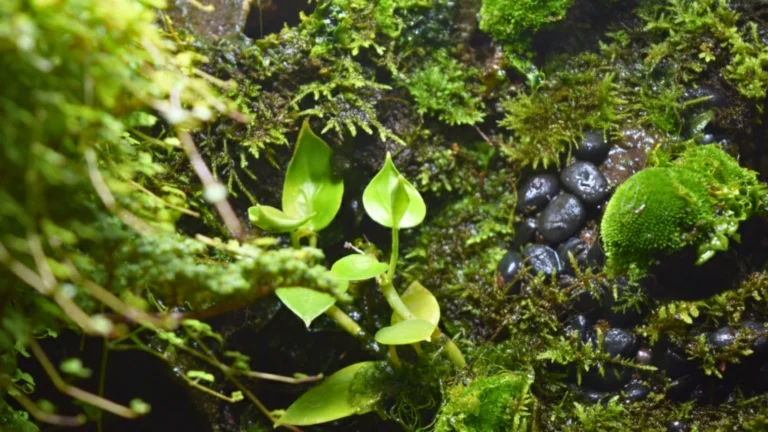
A precise, size-by-size springtail seeding formula—per gallon, timing, and tweaks—awaits; avoid crashes and jumpstart bioactive balance with one crucial step.

Judicious moisture and tiny allies, springtails in terrariums purify mold while keeping humidity in check—yet their delicate balance begs your next essential steps.
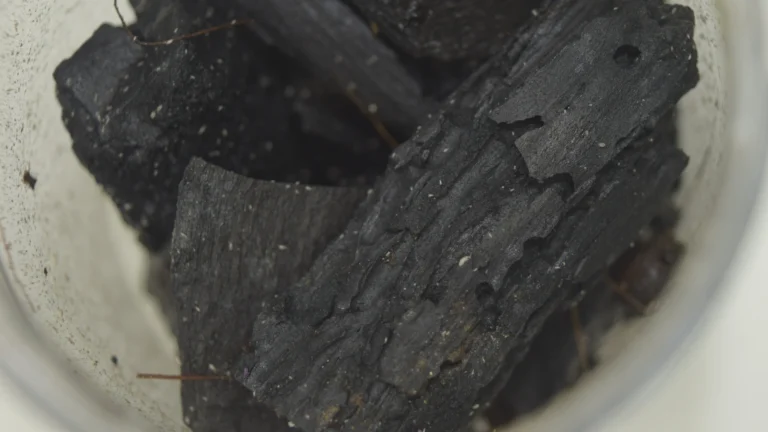
Choose the right springtails for your climate and substrate—temperate or tropical—before blooms or crashes surprise your vivarium; discover which fits best.
WhatsApp us