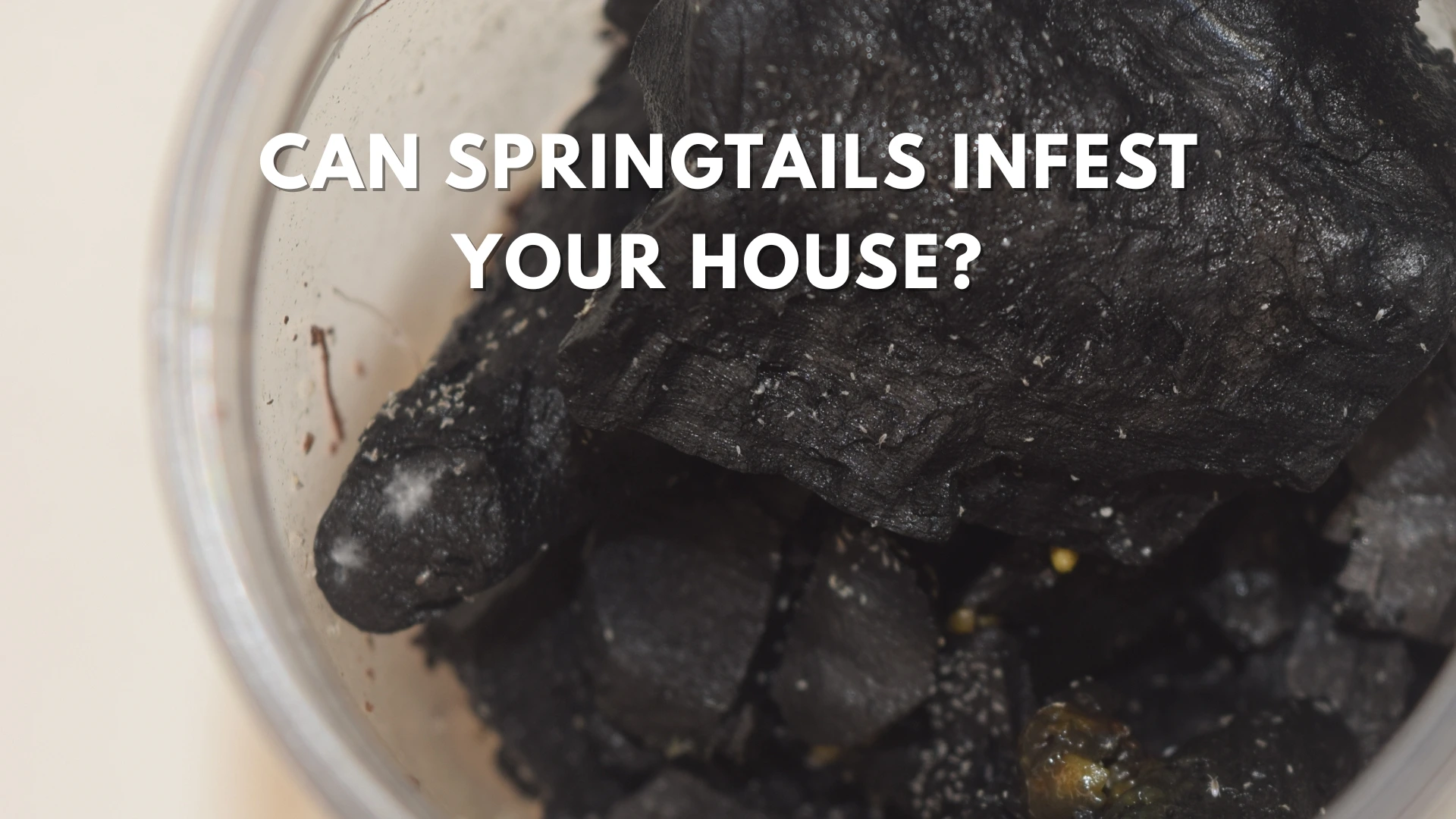
If you’ve noticed tiny white or grey specks jumping near your bathroom tiles, sinks, or plant pots, you might wonder whether springtails are infesting your home.
Scientific pest-control resources confirm that springtails do not infest homes like termites, ants, or bedbugs. They appear indoors only when moisture levels are high.
This is well supported by UC IPM and University of Minnesota Extension.
Springtails are harmless moisture-seeking soil arthropods. Their presence indicates humidity—not dirtiness or structural danger.
What Are Springtails?
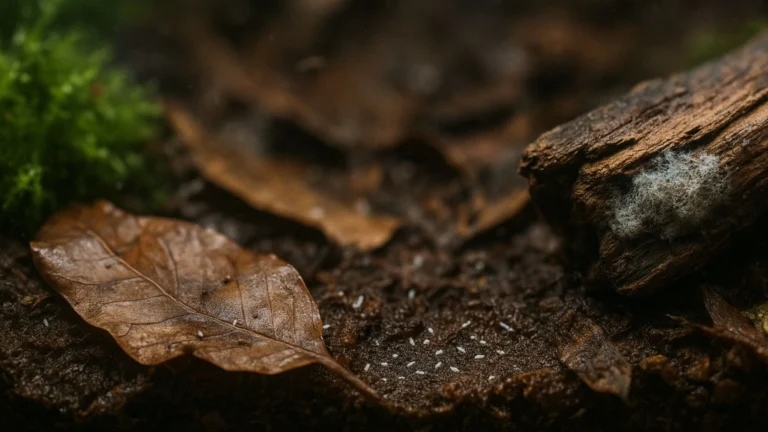
Springtails (Collembola) live in damp soil where they feed on fungi, algae, and decomposing organic matter. They play an important ecological role in nutrient cycling and soil health.
Their ecological importance is described by The Conversation and SANBI.
Do Springtails Infest Homes?
No. Springtails do not infest homes or cause structural problems.
They cannot:
- chew wood, wires, or fabric
- survive long-term indoors without moisture
- bite or sting
- spread disease
They simply gather wherever dampness exists.
This conclusion is consistently supported by UC IPM and University of Minnesota Extension.
For hobbyists comparing species for bioactive setups, see:
Springtails vs Isopods
Why You See Springtails Indoors
Springtails need moisture to survive. They appear indoors when they find:
- bathroom condensation
- leaks under sinks
- wet basements
- refrigerator or AC drip areas
- damp window sills
- overwatered plant pots
If humidity drops below ~50%, springtail numbers drop naturally.
Potted plants are one of the most common indoor sources. For culture care tips, see:
Scaling Springtail Cultures
Are Springtails Harmful?
To humans
No. They cannot bite or infest skin.
This is noted by PestMeOff and UC IPM.
To pets
No. Springtails are harmless to all household animals.
If you keep fish or reptiles, explore other live-food guides:
To homes
No. They cannot cause damage.
How to Get Rid of Springtails Indoors
Fix the moisture source
Repair leaks, improve ventilation, and dry surfaces.
Reduce humidity
Use exhaust fans, airflow, or a dehumidifier.
Improve plant care
Let soil dry between waterings.
Clean visible clusters
Vacuum and wipe areas where they accumulate.
Chemicals are rarely needed
Moisture control works better than pesticides.
This is supported by Viking Pest and Fox Valley Pest Control.
Why Springtails Are Beneficial Outdoors
Springtails improve soil quality by:
- helping decomposition
- recycling nutrients
- supporting microbes
- aerating soil
- serving as food for beneficial predators
Their ecological value is described by The Conversation and SANBI.
Do springtails infest homes?
No. They appear only where moisture is high.
Do they bite?
No.
Are springtails dangerous?
No. They are harmless.
Why are springtails in my bathroom?
Moisture attracts them.
How do I get rid of them?
Fix leaks, improve ventilation, and dry the area.
Are springtails harmful to pets?
No.