The evolution of captive animal husbandry has experienced a profound paradigm shift over the past decade. Historically, the prevailing methodology for maintaining reptiles and amphibians relied upon clinical sterility. Enclosures were equipped with disposable substrates and subjected to aggressive chemical sanitation to mitigate pathogen proliferation. While effective for disease prevention, this approach required continuous mechanical intervention and deprived the inhabitants of environmental complexity. The modern standard relies on ecological engineering to create self-sustaining micro-ecosystems. Within these bioactive habitats, the fundamental biological challenge is managing organic waste accumulation. In a closed environment, the continuous input of animal feces, urates, and decaying botanical matter requires an autonomous processing mechanism to prevent toxic accumulation. This mechanism is the nitrogen cycle, an intricate biochemical cascade driven by detritivores, bacteria, and live flora.
How does the nitrogen cycle work in a terrarium?
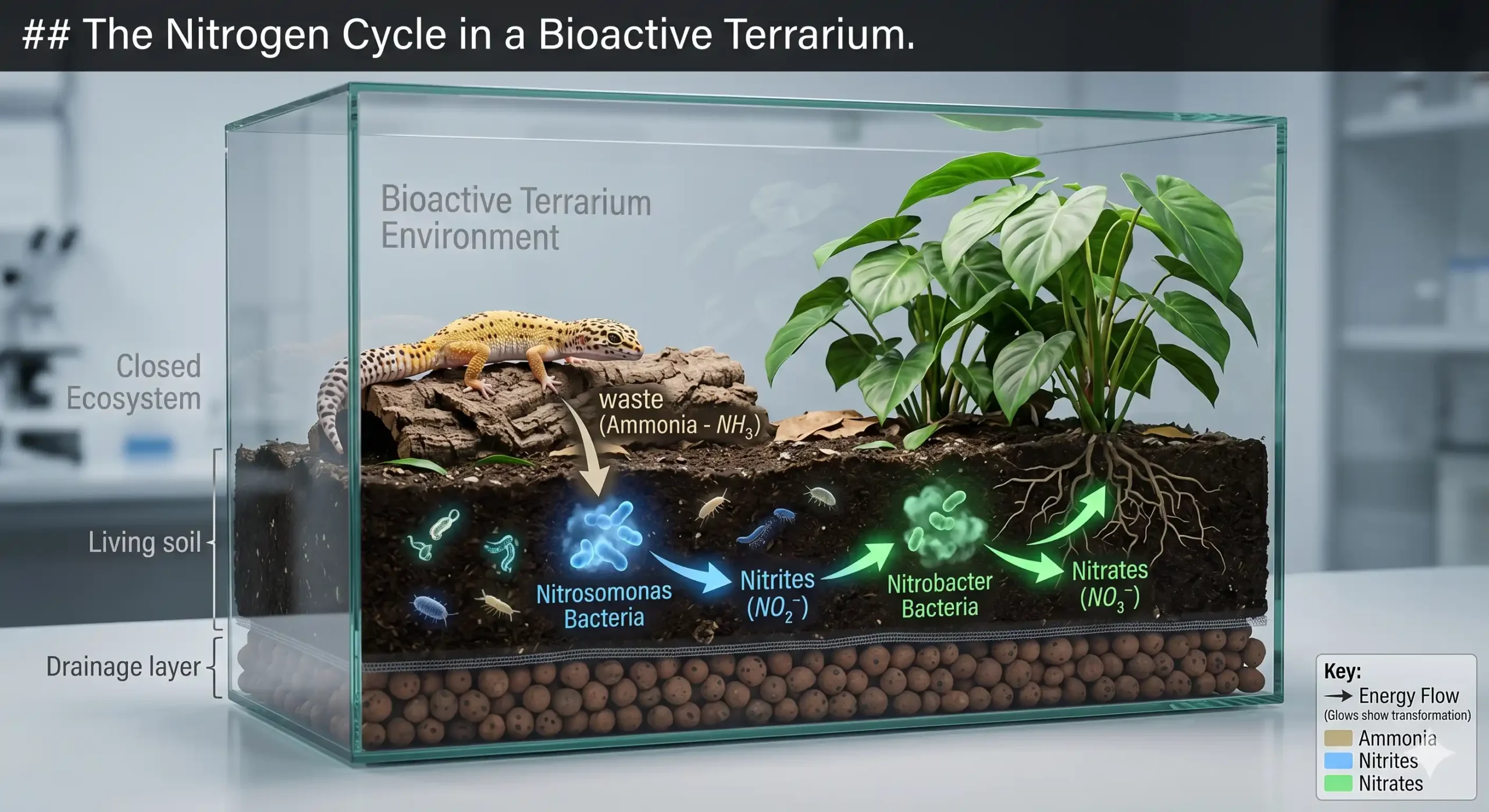
The nitrogen cycle in a terrarium is a continuous biological cascade where specific microfauna and bacteria convert toxic organic waste into safe plant nutrients. Specialized microbes break down ammonia from animal feces into nitrites, then into nitrates. Live terrarium plants subsequently absorb these nitrates as fertilizer, naturally purifying the ecosystem.
The Biochemistry of the Bioactive Cycle
The nitrogen cycle within a terrestrial ecosystem operates through a sequential, biologically mediated chemical pathway. Each distinct phase is managed by specific groups of bacteria, archaea, and fungi operating in strict homeostasis. A precise understanding of this biochemistry is required to diagnose habitat failures, such as systemic crashes or the emission of foul odors.
Phase 1: Ammonification and Mineralization
The biological cycle initiates the moment organic matter makes contact with the soil substrate. This matter primarily consists of reptile or amphibian feces, uric acid deposits, deceased feeder insects, and decomposing plant material such as leaf litter.
Through a process known as ammonification, heterotrophic decomposing bacteria and saprophytic fungi initiate the breakdown of the complex organic nitrogen found in proteins and nucleic acids. These microorganisms excrete extracellular enzymes that cleave protein chains into highly bioavailable amino acids. The primary byproduct of this metabolic degradation is ammonia ($NH_3$) and its ionized form, ammonium ($NH_4^+$). In a sterile enclosure, biological processing halts completely at this stage. Because ammonia is highly volatile and inherently toxic, its uncontrolled accumulation leads to the characteristic sharp, pungent odor associated with poor husbandry, posing immediate respiratory and systemic health risks to the enclosed fauna.
Phase 2: Nitrification (Ammonia Oxidation)
In a mature, biologically active substrate, the accumulation of ammonia triggers the proliferation of aerobic chemolithoautotrophic bacteria. The primary biological agents responsible for this phase belong to the genus Nitrosomonas. These nitrifying bacteria consume the ammonia, utilizing it as an energy source to fix carbon dioxide.
During ammonia oxidation, Nitrosomonas converts the toxic ammonia into nitrite ($NO_2^-$). While nitrite is significantly less volatile than ammonia, it remains highly toxic to living organisms. If a terrarium ecosystem stalls at this intermediate phase—often due to insufficient soil oxygenation or an immature bacterial colony—nitrite toxicity will negatively impact both the root systems of terrarium flora and the sensitive, semi-permeable skin of amphibian inhabitants.
Phase 3: Nitrification (Nitrite Oxidation)
Because nitrite is unstable and highly toxic, a functioning bioactive system relies entirely on a second group of specialized bacteria for rapid processing. Bacteria primarily belonging to the genera Nitrobacter and Nitrospira rapidly oxidize the nitrites into nitrates ($NO_3^-$).
This secondary nitrification step occurs rapidly in a well-oxygenated, mature system, effectively preventing the dangerous buildup of nitrites. The constant presence of Nitrobacter ensures that the highly toxic intermediate compounds of waste degradation are continuously pushed toward their most stable and least toxic state.
Phase 4: Assimilation and Plant Uptake
Nitrates represent the safest and most stable form of nitrogen within the biological cycle. They are relatively harmless to terrestrial fauna at normal concentrations and serve as a primary macronutrient for botanical growth. In a fully functioning bioactive vivarium, the root systems of live plants actively forage for these nitrates within the soil profile.
The live plants absorb the nitrates through their root hairs, transporting them via the xylem to the leaves, where the nitrogen is assimilated into new plant proteins, chlorophyll, and nucleic acids. This critical step completes the biological loop. By converting chemical waste products into physical plant biomass, the flora acts as a permanent nitrogen sink, effectively purifying the soil and preventing the substrate from becoming chemically saturated over time.
Phase 5: Denitrification
While assimilation acts as the primary export mechanism for nitrogen, denitrification provides a supplementary regulatory function. Deep within the substrate profile, particularly in areas with lower oxygen concentrations (such as the boundary layer immediately above the drainage zone), anaerobic denitrifying bacteria process excess nitrates.
These specialized bacteria utilize nitrates as an electron acceptor in place of oxygen during respiration, converting the nitrates back into inert nitrogen gas ($N_2$). This gas slowly diffuses through the soil matrix and escapes into the atmosphere, mirroring the global biogeochemical cycle. However, the management of these anaerobic zones requires strict physical oversight, as an excessive lack of oxygen can facilitate the proliferation of harmful sulfate-reducing bacteria.
| Stage | Primary Organisms Involved | Chemical Input | Chemical Output | Relative Toxicity Level |
| Ammonification | Saprophytic Fungi, Heterotrophic Bacteria | Complex Proteins / Urates | Ammonia ($NH_3$) / Ammonium | High |
| Nitrification I | Nitrosomonas spp. | Ammonia ($NH_3$) | Nitrite ($NO_2^-$) | High |
| Nitrification II | Nitrobacter, Nitrospira spp. | Nitrite ($NO_2^-$) | Nitrate ($NO_3^-$) | Low |
| Assimilation | Live Terrarium Flora | Nitrate ($NO_3^-$) | Plant Biomass | None |
| Denitrification | Anaerobic Bacteria | Nitrate ($NO_3^-$) | Nitrogen Gas ($N_2$) | None |
Understanding Ammonia Toxicity in Terrarium Environments
Ammonia toxicity represents the most significant chemical threat to the stability of a closed ecosystem. In terrestrial enclosures, ammonia does not readily dilute as it does in high-volume aquatic systems; instead, it becomes highly concentrated within the micro-pores of the substrate and saturates the ambient air.
Sources and Accumulation of Toxicity
The generation of ammonia in a terrarium is continuous and unavoidable. Reptile and amphibian feces, shed skin, deceased feeder insects, and decaying leaf litter all contribute to the overarching nitrogenous load. When an enclosure experiences an “ammonia spike,” the rate of organic waste production has exceeded the biological processing capacity of the Nitrosomonas bacteria population.
The clinical symptoms of ammonia toxicity in enclosed reptiles and amphibians are severe, characterized by rapid physical decline. Documented signs include:
- Lethargy, listlessness, and a complete loss of appetite.
- Respiratory distress, often indicated by open-mouth breathing, wheezing, or excess mucus production.
- Severe inflammation and irritation of the eyes, nares, and mucous membranes.
- Advanced neurological symptoms, including tremors or loss of motor function.
- In amphibians, whose skin is highly permeable to environmental chemicals, ammonia causes direct dermal burns, leading to bacterial skin infections, sloughing, and rapid mortality.
Beyond the direct impact on fauna, elevated ammonia levels are highly phytotoxic. Terrarium plants exposed to excessive ammonia concentrations will exhibit rapid leaf yellowing (chlorosis), stunted growth, and sudden, irreversible root rot.
Olfactory Detection and Stagnation Diagnosis
Unlike aquatic systems where liquid chemical testing is highly standardized, detecting ammonia in a terrestrial setup relies heavily on sensory observation and substrate analysis. A healthy, properly cycling ecosystem should constantly emit a pleasant, earthy scent—frequently compared to a damp forest floor following heavy rainfall.
If the terrarium begins to emit a sharp, urine-like odor, a sour smell, or the classic “rotten egg” scent characteristic of hydrogen sulfide, the system is actively experiencing a biological crash. This crash invariably indicates that the substrate has become compacted or completely waterlogged, creating an anoxic (oxygen-depleted) environment. Under these conditions, the beneficial aerobic nitrifying bacteria perish, allowing anaerobic bacteria to dominate the soil profile, producing noxious gases and entirely halting the nitrogen cycle. Keepers can utilize standard API liquid test kits by mixing a sample of the lowest substrate layer with distilled water to test for parts-per-million (PPM) concentrations of ammonia, though olfactory cues usually provide the earliest warning.
Microfauna: The Detritivore Engine
While bacteria are the ultimate chemical processors of the nitrogen cycle, they possess a limited physical capacity to break down large, intact pieces of organic waste efficiently. A deposit of reptile feces or an intact fallen leaf has a relatively low surface-area-to-volume ratio, making rapid bacterial colonization highly inefficient.
To bridge this mechanical gap, naturalistic setups rely entirely on detritivorous invertebrates—the clean-up crew. These organisms form the mechanical breakdown tier of the cycle, dramatically accelerating the rate at which organic matter is mineralized into base components.
Macro-Decomposers: Terrestrial Isopods
Terrestrial isopods serve as the primary heavy machinery of the ecosystem. Specific species, such as Porcellionides pruinosus (Powder Orange/Blue) or Trichorhina tomentosa (Dwarf White), are deliberately selected for their voracious appetites and high reproductive rates.
Isopods actively forage for large waste deposits, including feces, dead insects, and decaying botanical matter. Through mechanical chewing and consumption, they break down the waste, digest the available nutrients, and excrete the remains as “frass” (insect feces). This excreted frass is broken down into microscopic particles boasting a massive surface area, perfectly primed for rapid colonization by nitrifying bacteria. Isopods represent the first stage of the biological recycling plant; without their mechanical intervention, large waste deposits remain on the surface, decompose anaerobically, and facilitate the breeding of pathogenic bacteria.
Micro-Decomposers: Springtails (Collembola)
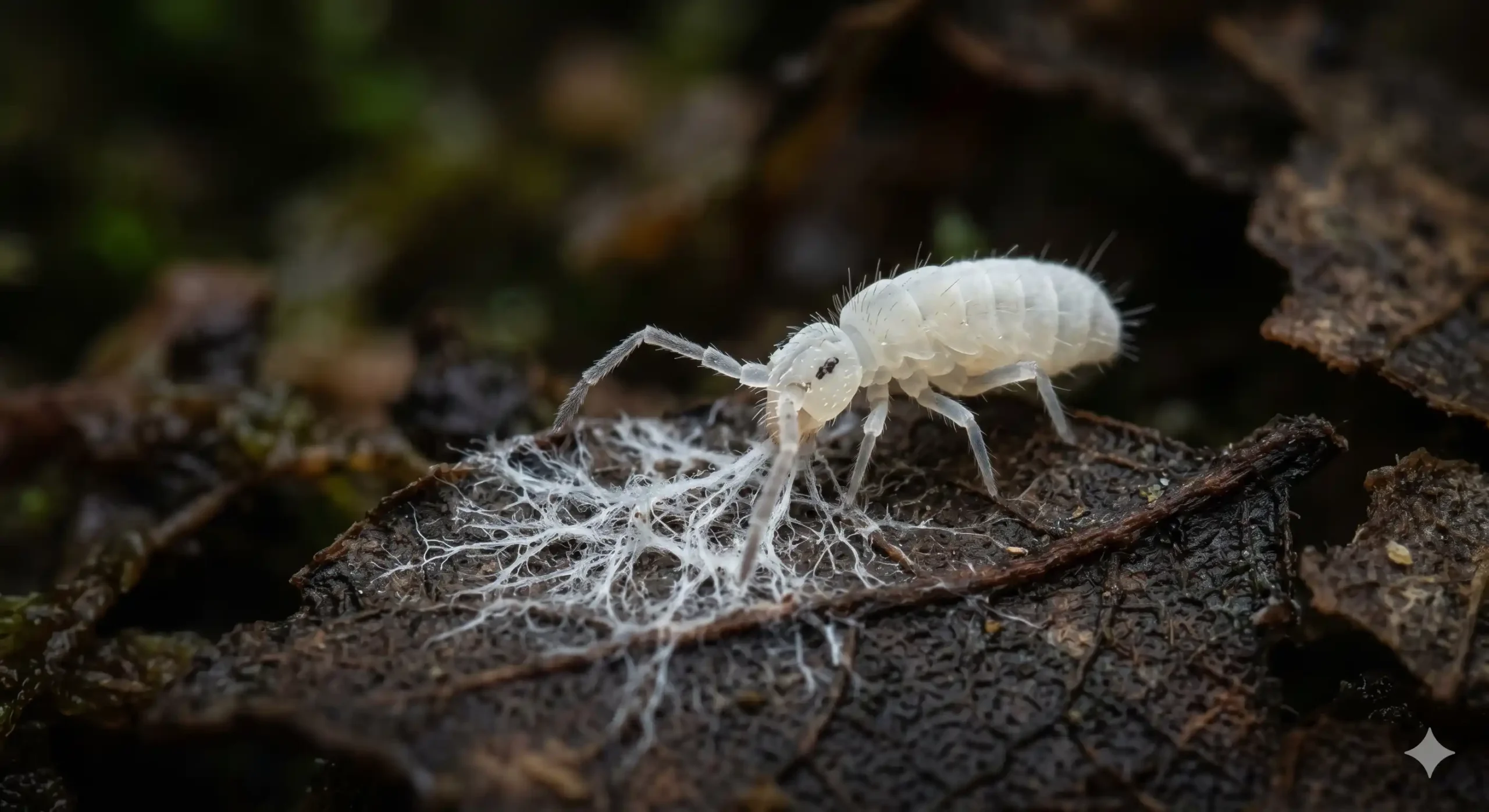
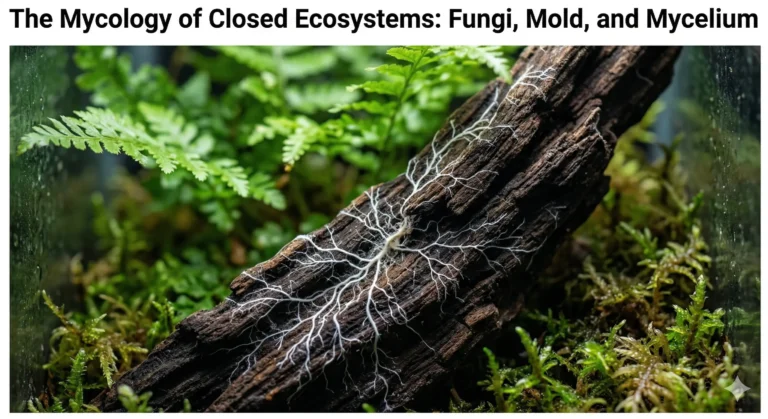
Where isopods handle the macroscopic waste, springtails manage the microscopic threats. Springtails are minute, wingless hexapods acting as the fine-control regulatory layer of the ecosystem. In the warm, highly humid, and organic-rich environment of an enclosure, opportunistic fungal spores and pathogenic molds will inevitably bloom.
Springtails function as obligate fungivores; they graze continuously on mold spores, fungal hyphae, and bacterial biofilms. By constantly consuming these growths, springtails prevent aggressive molds from overwhelming the substrate, smothering delicate plant roots, or causing respiratory infections in the reptile inhabitant. Advanced research on the collembolan microbiome demonstrates that springtails host abundant bacterial populations within their digestive tracts that actively participate in nitrogen metabolism and the biodegradation of complex organic compounds.
The complete degradation of organic material requires distinct, specialized biological tiers. Understanding the specific role of springtails in bioactive setups reveals that these micro-decomposers act as the fundamental regulatory mechanism against fungal overgrowth and localized ammonia accumulation.
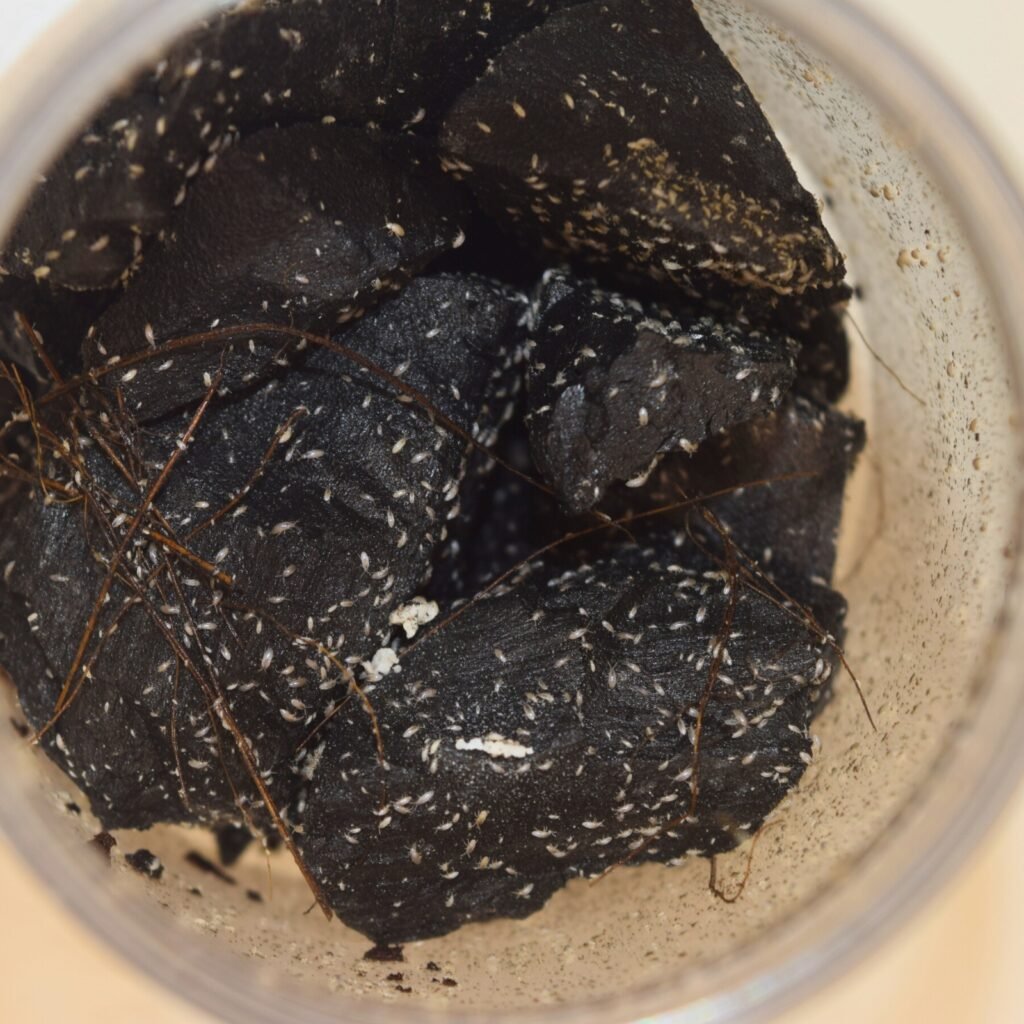
TRENOYA Springtails (Cleanup Crew) — Live Culture Starter (India)
Seed your bioactive terrarium with a pest-free, starter-ready springtail culture. Perfect for mold control and waste cleanup. Live Arrival Guarantee + Pan-India express shipping.
Sourcing Reliable and Sterile Microfauna
The overarching efficacy of the clean-up crew depends entirely on the health, density, and specific taxonomy of the inoculated cultures. The founder of Springtails.in, Amitabh, emphasizes that introducing wild-caught microfauna from outdoor environments poses a catastrophic risk to captive habitats due to the potential introduction of predatory mites, parasitic nematodes, or agricultural pathogens.
Facilities such as the Trenoya culturing facility in India provide localized, sterile solutions optimized for closed ecosystems. The availability of premium cultures like Trenoya Live Springtails and Trenoya Grindal Worms, packaged in specialized 200ml pet jars, ensures a standardized and safe inoculation process. These cultures arrive with integrated QR-code care guides for exact acclimation protocols, boasting dense colony sizes of 30 to 100+ active individuals per jar. Premium providers emphasize stringent quality control through operational guarantees, including being Pest-Free, Lab-Grown in India, offering a Live Arrival Guarantee, and providing Pan-India Express Shipping. This level of professional standardization ensures that the biological engine of the habitat is established safely and reliably.
Flora: The Assimilation Network
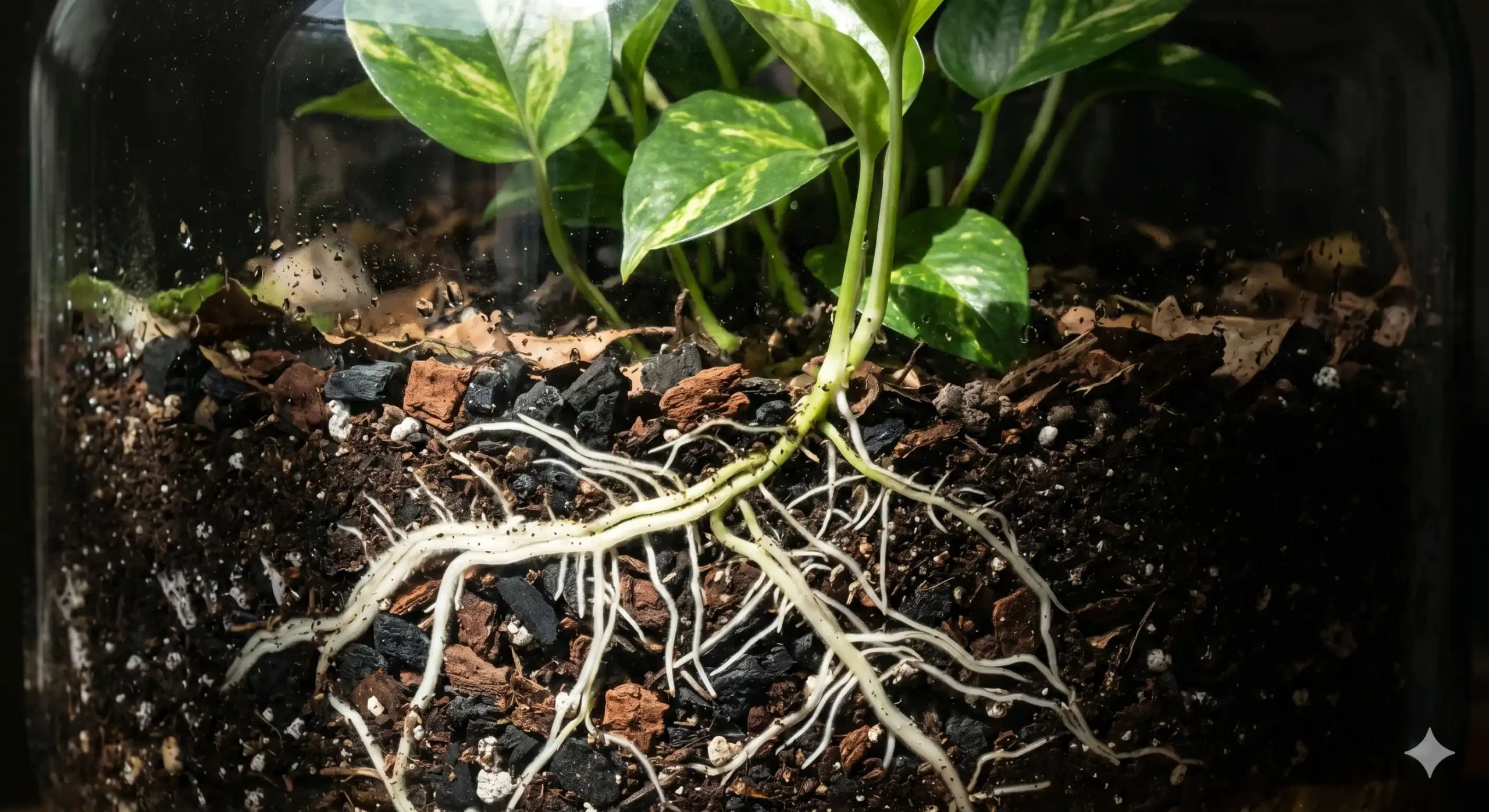
In a well-designed habitat, live plants serve a functional purpose far beyond visual aesthetics; they are the primary filtration mechanism responsible for permanently removing processed nitrogen from the soil profile. If an ecosystem relies solely on bacteria and microfauna, the cycle will successfully convert ammonia to nitrates, but those nitrates will eventually accumulate to highly toxic levels, severely altering soil osmolarity and chemically burning the plant roots.
Plant Selection and Nutrient Uptake
Live flora acts as the designated “nitrogen sink.” As the plants photosynthesize and expand their biomass, they draw water and dissolved nitrates continuously from the substrate. To maximize this filtration capacity, appropriate plant species must be selected based on the specific biome (arid versus tropical) and the physical mass of the animal inhabitants. High-growth species, such as Epipremnum aureum (Pothos) or various Philodendron species, provide excellent nitrate uptake due to their rapid vascular expansion.
Certain botanical selections actively enhance the soil’s underlying nitrogen economy. Nitrogen-fixing plants, particularly those belonging to the Fabaceae family, form complex symbiotic relationships with Rhizobium bacteria located within their root nodules. These specific bacteria possess the rare biological ability to capture inert atmospheric nitrogen gas ($N_2$) and fix it directly into bioavailable ammonia. While traditional nitrogen fixers like clovers or vetches are heavily utilized in commercial agriculture, specialized flora can be adapted to ensure the terrarium soil remains nutrient-dense for decades without requiring the introduction of synthetic chemical fertilizers.
Proper foundational design remains an absolute necessity when planning how to setup a bioactive terrarium. The calculated depth of the substrate and the volumetric capacity of the drainage layer directly govern the maximum microbial load and dictate the rooting space available for the filtration plants.
Substrate Engineering and Drainage Architecture
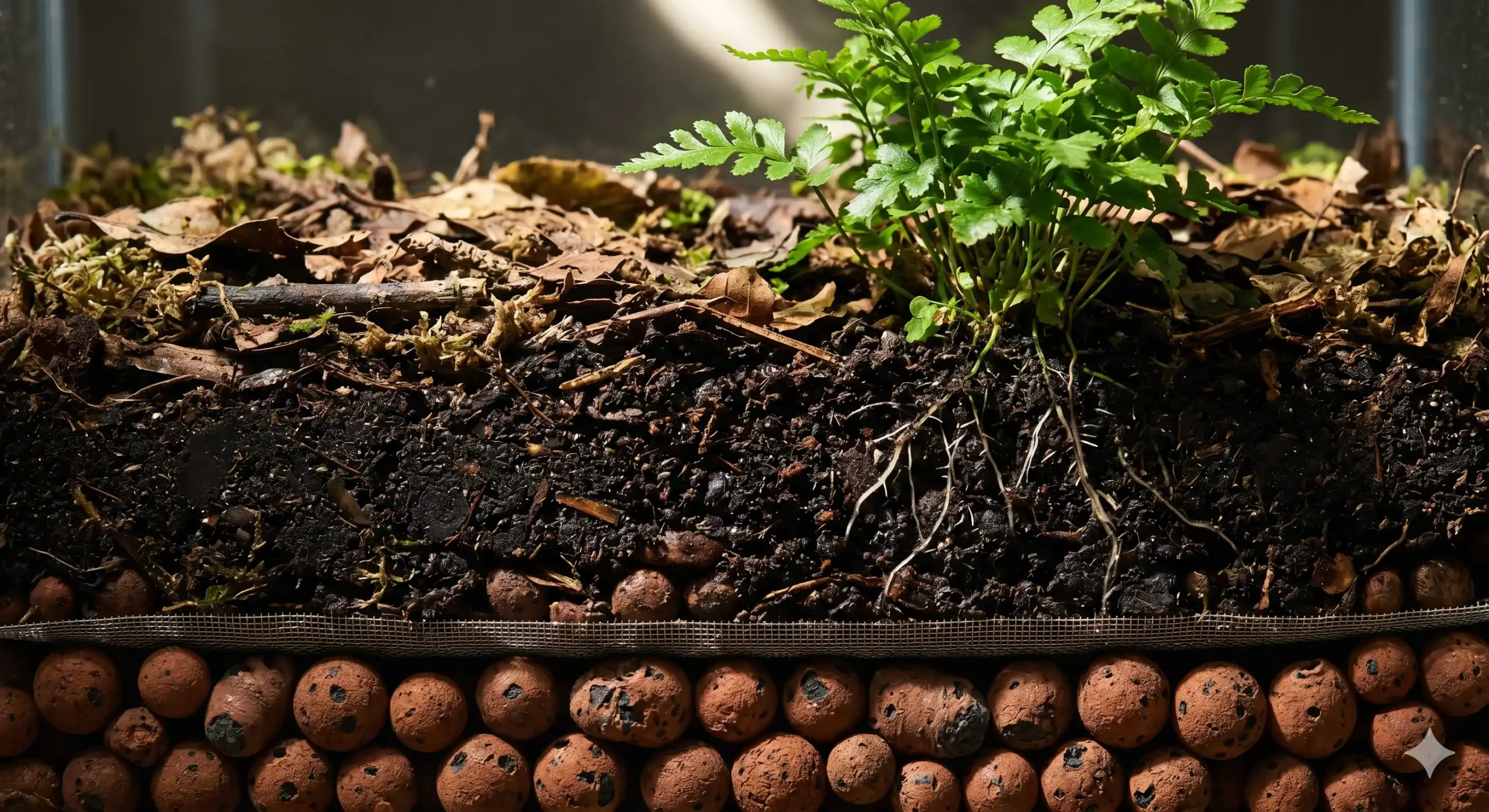
The nitrogen cycle cannot function within a physical vacuum; it requires a highly engineered substrate matrix to house the bacterial colonies, support the microfauna populations, and facilitate proper gas exchange. The precise construction of the soil profile represents the physical foundation of the entire cycle.
The Drainage Layer (False Bottom)
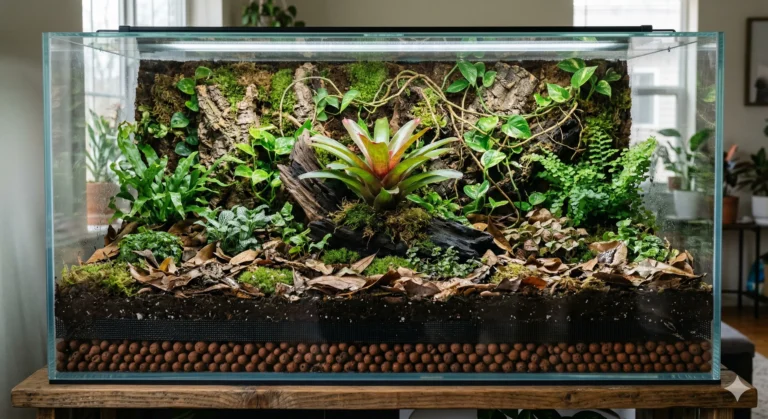
At the lowest level of the enclosure, a dedicated drainage layer is an absolute imperative. This layer functions as a physical aquifer, capturing excess water that percolates through the soil matrix above. Standard materials utilized for this layer include Lightweight Expanded Clay Aggregate (LECA), porous volcanic rock, or specialized calcined clay.
The primary biological function of the drainage layer is to prevent the upper soil matrix from reaching complete saturation. If the living soil sits in stagnant water, all the microscopic pore spaces fill with fluid, entirely obstructing the flow of oxygen. This oxygen starvation induces the immediate death of the aerobic Nitrosomonas and Nitrobacter populations, bringing the nitrogen cycle to a complete halt and triggering a highly toxic, sulfurous anaerobic crash.
The Permeable Barrier and Living Soil Matrix
Separating the lower drainage layer from the upper soil is a permeable synthetic mesh barrier. This barrier prevents fine soil particulates from washing downward, which would eventually clog the drainage voids and cause internal flooding.
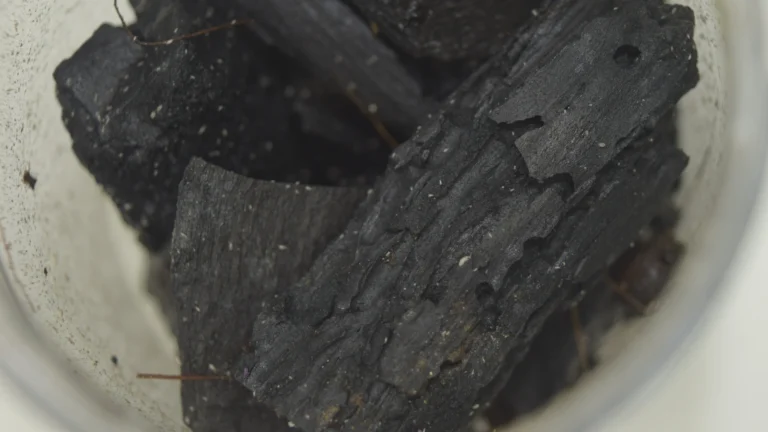
Directly above the barrier lies the “living soil.” A functional substrate is never composed of standard commercial potting soil, which frequently contains toxic chemical fertilizers and perlite that pose lethal impaction risks if ingested by reptiles. Instead, specialized matrices (such as ABG mix derivatives) are precisely formulated utilizing tree fern fiber, long-fiber sphagnum moss, orchid bark, horticultural charcoal, and organic peat or coco coir. This exact structural ratio ensures optimal moisture retention for the springtail populations, high structural integrity to support isopod burrowing, and massive internal surface area for the colonization of nitrifying bacteria.
The Biodegradable Stratum (Leaf Litter)
The uppermost layer of the substrate consists of high-quality leaf litter (such as Magnolia, Live Oak, or Indian Almond leaves) and decaying botanical wood. This stratum is not a decorative element; it serves as the primary nutritional source for the macro-decomposers. As the leaf litter undergoes slow decomposition, it provides a consistent stream of carbon into the soil, balancing the heavy nitrogen inputs generated by animal waste. This balance maintains the precise carbon-to-nitrogen (C:N) ratio necessary for optimal microbial metabolism and sustained ecosystem health.
Environmental Management in the Indian Climate
Managing a delicate enclosed ecosystem requires stringent control over internal microclimates. This operational challenge is exponentially magnified when maintaining habitats within the unique meteorological extremes of the Indian subcontinent. The profound environmental shifts between the intense, searing heat of the Indian summer and the suffocating atmospheric moisture of the monsoon season demand highly specific, proactive husbandry modifications.
Mitigating Indian Summer Heat Stress
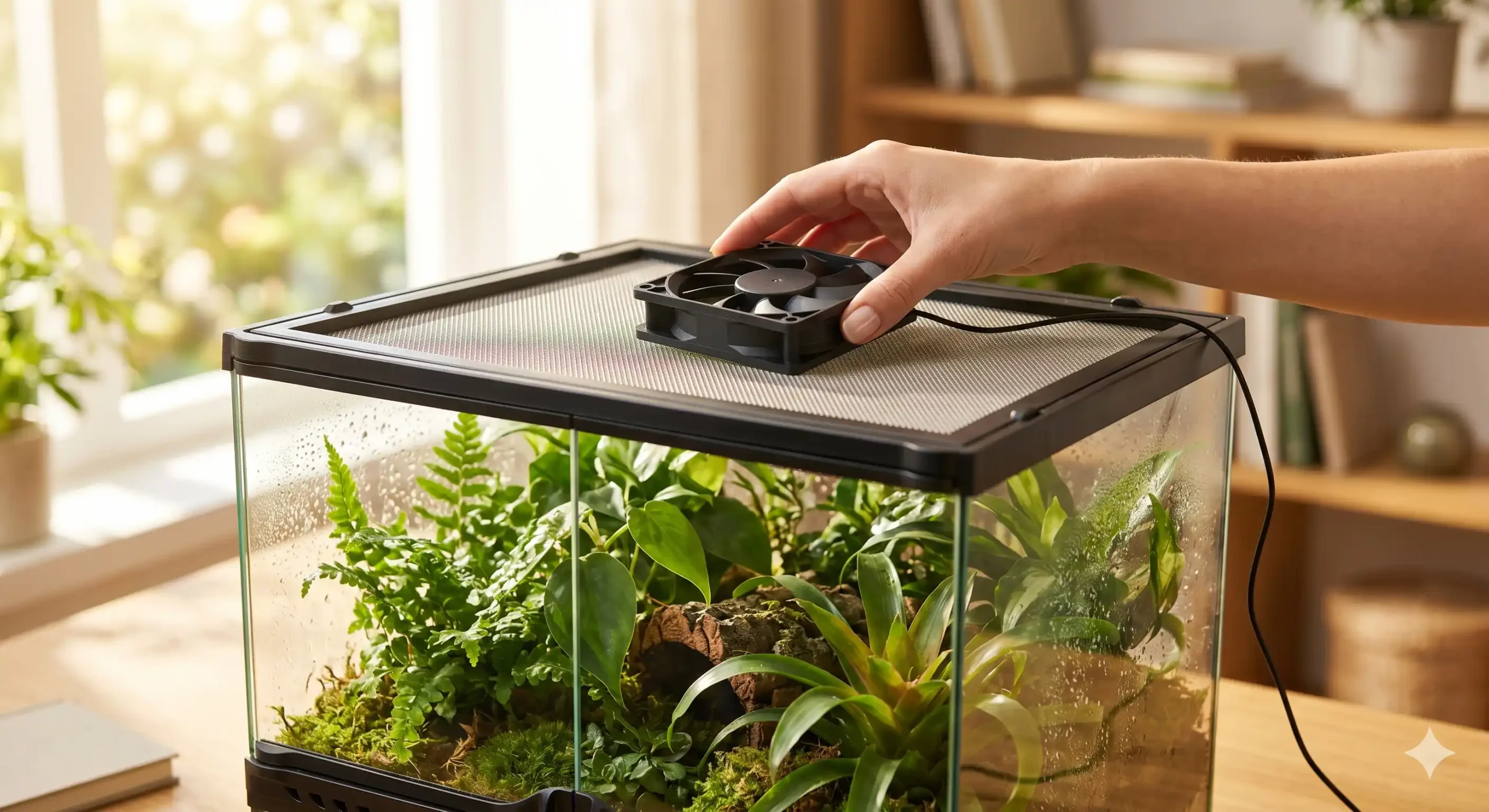
During the peak of the Indian summer, particularly in regions such as Delhi, Rajasthan, and Telangana, ambient indoor temperatures frequently exceed 35°C to 40°C (95°F to 104°F). Glass enclosures act as highly efficient thermal traps, exacerbating the localized greenhouse effect and rapidly pushing internal temperatures to lethal limits for both the primary reptile inhabitant and the sensitive microfauna.
While certain soil bacteria strains, such as those within the Bacillus lineage, exhibit remarkable phenotypic plasticity and can tolerate extreme heat up to 40°C by forming resilient, dormant spores, the critical nitrifying bacteria and the invertebrate clean-up crew are highly susceptible to acute thermal shock.
To offset extreme summer heat without compromising the delicate moisture balance required by the nitrogen cycle, the implementation of active cooling strategies is required:
- Deep-Soil Evaporative Cooling: Rather than superficially misting the surface layer—which evaporates instantaneously and causes drastic, short-lived humidity spikes—purified water should be poured directly into the corners of the substrate. This deep-watering technique allows the lower soil levels to act as an internal thermal sink. The moisture slowly releases upward through capillary action, significantly cooling the root zone through sustained evaporative physics.
- Active Ventilation Management: Utilizing low-velocity computer fans (USB fans) mounted securely over the upper mesh panels enforces passive air circulation. This mechanical airflow breaks up stagnant thermal layers inside the glass enclosure without aggressively stripping the substrate of its necessary moisture.
- Strict Thermal Tracking: The enclosure’s internal thermal gradient must be monitored continuously, ensuring that the designated “cool zone” remains strictly below 26°C (78°F) so the animal and microfauna possess a reliable retreat from the ambient heat.
Managing Extreme Monsoon Humidity
Conversely, the annual Indian monsoon season brings torrential rainfall and ambient indoor humidity levels that frequently exceed 85% to 90%. Biologically, this represents the most dangerous period of the year for a tropical habitat.
When ambient indoor humidity matches the internal humidity of the enclosure, the physical process of evaporation ceases entirely. Any additional water introduced to the system via automated misting or manual watering will pool heavily in the substrate, rapidly overwhelming the drainage layer and leading to total soil saturation. This saturation forcibly displaces all atmospheric oxygen from the soil matrix, causing the immediate death of aerobic nitrifying bacteria and initiating an anaerobic crash accompanied by severe, localized ammonia spikes.
Furthermore, sustained high humidity directly triggers the rapid, uncontrolled proliferation of opportunistic pests. High moisture conditions during the monsoon season require immediate, targeted intervention to get rid of fungus gnats, which rapidly breed in waterlogged soils and quickly outcompete the beneficial springtail populations for available resources.
To successfully manage the monsoon season, strict protocol adjustments must be made:
- Immediately halt all automated misting systems and manual spraying schedules.
- Allow the top two inches of the substrate matrix to dry out completely before introducing any new water to the system.
- Significantly increase the density of the springtail population. By adding supplemental, high-density cultures, the fungivore pressure is increased, ensuring that the inevitable mold blooms caused by monsoon humidity are grazed down aggressively before they can smother the enclosure.
The Maturation Phase: Cycling the Terrarium
A critical misconception among inexperienced keepers is the belief that simply assembling soil, invertebrates, and plants instantaneously creates a functional ecosystem. In reality, identical to the establishment of a high-end aquatic aquarium, a terrestrial setup requires a dedicated maturation period known as “cycling”.
The cycling process provides the necessary timeline for the populations of beneficial Nitrosomonas and Nitrobacter to multiply exponentially and establish themselves throughout the microscopic pores of the substrate. If a large, high-metabolism reptile is introduced into a freshly assembled, uncycled enclosure, the immediate and massive input of fecal waste will violently overwhelm the nascent bacterial colony. This scenario leads directly to “New Tank Syndrome”—a massive ammonia spike that toxifies the soil profile, kills the newly introduced clean-up crew, and actively threatens the life of the reptile.
Expert herpetoculturists mandate a strict cycling period of 2 to 4 weeks prior to introducing the primary animal inhabitant. During this critical window:
- The microfauna (isopods and springtails) are introduced and allowed to burrow, establish robust breeding colonies, and aerate the soil matrix through mechanical tunneling.
- The live flora is given adequate time to overcome initial transplant shock, establish strong, expansive root networks, and begin actively drawing water and nitrates from the soil.
- The ecosystem is occasionally “ghost fed.” This involves adding small amounts of organic matter (such as specialized clean-up crew diets or nutritional yeast) to provide a baseline ammonia source, which safely stimulates the rapid growth of the nitrifying bacteria.
The utilization of commercial soil inoculants containing dormant strains of beneficial bacteria and archaea can significantly accelerate this biological timeline, ensuring a highly diverse and resilient microbiome from the first day of operation.
System Monitoring and Troubleshooting Spikes
Even within highly mature systems, sudden environmental fluctuations—such as the unnoticed death of a large feeder insect, accidental overwatering, or a drastic drop in ambient temperature—can temporarily disrupt the nitrogen cycle and cause localized ammonia spikes. Vigilant monitoring is continuously required to prevent a minor disruption from cascading into a full system crash.
Physical and Olfactory Diagnostics
Because liquid chemical testing of terrestrial soil is inherently more complex than testing aquarium water, alternative diagnostics must be relied upon.
- The Odor Test: A healthy, functioning system smells remarkably like a fresh forest floor. Any detection of sulfur, sewage, or a sharp, astringent chemical smell serves as an immediate indicator of anaerobic decay and severe ammonia buildup.
- Substrate Compaction Analysis: If the soil appears excessively muddy, heavy, and compressed, it lacks sufficient oxygen. Compaction physically suffocates the aerobic bacteria responsible for the vital nitrification processes.
- Microfauna Observation: A sudden disappearance or mass die-off of isopods or springtails from the surface layer almost always indicates that the substrate has become chemically toxic or overly saturated with water.
- Botanical Distress Signals: Wilting, rapidly yellowing leaves, and slimy, necrotic roots are direct visual indicators that the soil chemistry has turned highly acidic or toxic due to unmanaged nitrogenous waste.
Correcting a Biological Crash
If a systemic crash is detected, immediate intervention is absolutely necessary to salvage the ecosystem and protect the animal inhabitant:
- Mechanical Aeration: Use a small tool to gently churn the upper substrate layers, breaking up dense anaerobic pockets and reintroducing atmospheric oxygen to the lower strata.
- Water Table Reduction: Siphon out any stagnant, foul-smelling water sitting in the drainage layer to lower the water table within the enclosure and restore airflow to the soil boundary.
- Extraction of Necrotic Matter: Physically extract any massive, rotting pieces of feces, dead plants, or moldy organic food that the clean-up crew failed to process efficiently.
- Targeted Re-inoculation: Once the moisture and oxygen levels are stabilized, add fresh, dense cultures of springtails and beneficial bacteria to immediately resume the biological processing of the remaining waste.
The nitrogen cycle serves as the invisible, life-sustaining mechanism of the bioactive terrarium. By understanding the highly intricate biochemical relationships between organic waste, specialized aerobic bacteria, mechanical microfauna, and assimilating flora, highly resilient ecosystems can be constructed. Whether successfully mitigating the intense thermal load of an Indian summer or navigating the severe anaerobic risks of the monsoon season, long-term success relies entirely on maintaining the delicate equilibrium of this biological cascade.
Frequently Asked Questions
What is the primary difference between the nitrogen cycle in an aquarium and a terrarium?
While the underlying biochemistry (the conversion of ammonia to nitrite, and subsequently to nitrate) is identical, the physical delivery mechanisms differ completely. In an aquatic environment, water flow constantly dilutes ammonia and forces it through a highly concentrated mechanical biofilter. In a terrarium, waste remains stationary and localized in the soil. Therefore, terrariums rely entirely on a primary tier of macro-invertebrates (isopods) and micro-invertebrates (springtails) to mechanically chew and break down the solid waste before the soil-bound bacteria can process the chemical compounds.
What are the earliest signs of ammonia toxicity in a bioactive setup?
Ammonia spikes in terrestrial setups are most rapidly identified by olfactory changes; a healthy tank smells distinctly like damp earth, while a crashing tank emits a sour, sulfurous, or sharp urine-like odor. Visual indicators include the rapid yellowing of plant leaves, the formation of rotting roots, dark anoxic sludge forming in the lower soil levels, and a sudden, complete disappearance of the springtail and isopod populations.
Can the cycling phase be skipped if large quantities of isopods and springtails are used?
No. Springtails and isopods are detritivores that consume and break down solid organic matter, but their resulting frass (insect feces) still contains high levels of nitrogen that must be oxidized by nitrifying bacteria. If the bacterial colonies have not been given the requisite 2 to 4 weeks to multiply and thoroughly colonize the soil pores, the microfauna’s waste will rapidly convert to ammonia, poisoning the entire system.
How should humidity be managed during the Indian monsoon season to prevent a crash?
During the monsoon, ambient indoor humidity in India frequently exceeds 85%, which prevents any internal moisture from evaporating. To prevent the drainage layer from flooding and the soil from turning completely anaerobic, all automated or manual daily misting schedules must be halted. Water should only be applied when the substrate is visibly dry to the touch. Additionally, installing low-velocity computer fans over the mesh ventilation panels forces passive air circulation, effectively breaking up stagnant, moisture-heavy air masses.
What causes springtail populations to disappear in high-humidity environments?
If springtail populations vanish in a highly humid environment, it typically indicates that the soil has become anoxic (oxygen-depleted) due to severe overwatering, or the system has suffered a massive ammonia crash that poisoned the microfauna. Alternatively, sustained high moisture levels may have encouraged a population explosion of predatory grain mites or fungus gnats, which rapidly outcompete or directly prey upon the established springtail colonies.