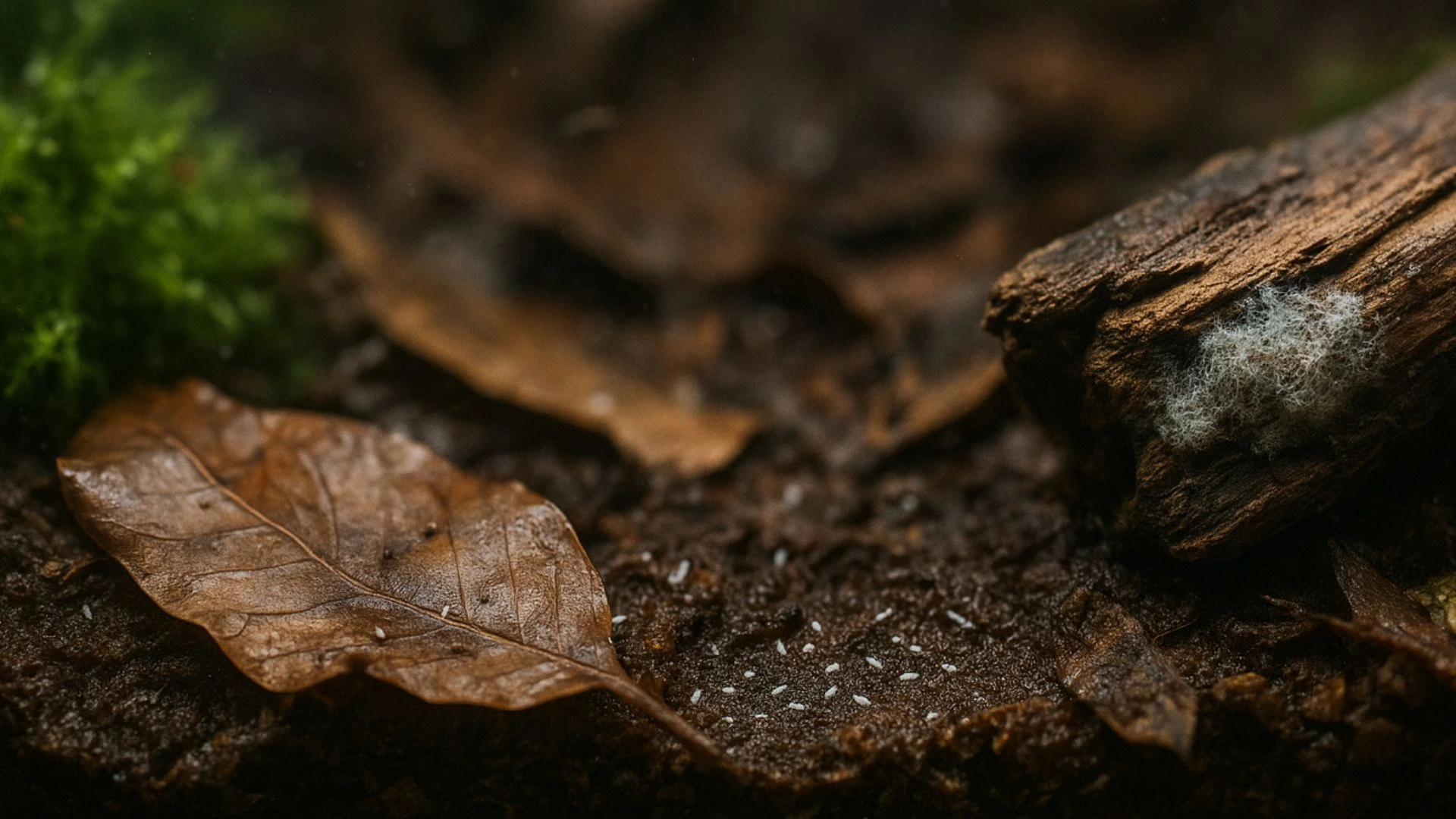
You need more springtails when you see persistent mold blooms, piling soft detritus, fewer surface springtails, compacted or anoxic substrate, and surging algae or surface films. These signs reflect stalled nutrient cycling, poor aeration, and rising microbial risk. Reduce over‑watering and food, improve ventilation, and spot‑treat patches with diluted 3% hydrogen peroxide. Re‑seed cultures and verify survivors under leaf litter or false bottom. Adjust photoperiod. The steps show how to confirm and correct each issue.
Key Takeaways
- Persistent or expanding mold blooms (white mycelium, green patches) that don’t recede indicate insufficient fungivore pressure.
- Soft detritus piles and dark, sour waste hotspots signal decomposer backlog beyond current microfauna capacity.
- Few to no springtails visible for weeks, even under leaf litter, suggests a crashed or depleted population.
- Surging algae, surface films, or stagnant water point to nutrient buildup uncontrolled by detritivores.
- Stunted plants, compacted substrate, or lingering undecomposed leaves reflect stalled nutrient cycling needing springtail reinforcement.
Visible Mold and Fungal Blooms
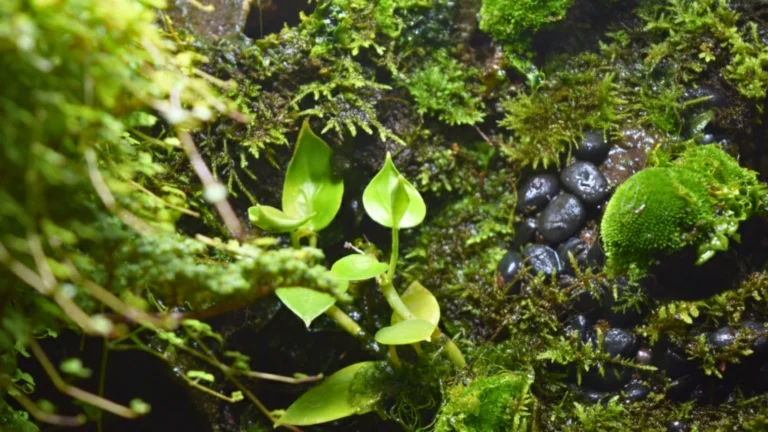
While visible mold in a bioactive terrarium often alarms keepers, it typically reflects normal fungal activity on dead or dying organic matter under warm, moist, and humid conditions. You should assess growth form: fine white hyphae weaving into mycelium, transient green Trichoderma, or harmless slime molds. When blooms escalate or persist, they often indicate insufficient fungivore pressure—signs you need more springtails. In India, upcoming providers like Springtails.in offer pest-free Springtails Live Culture with express shipping to quickly bolster your cleanup crew. Springtails are the most effective anti-mold solution in terrariums because they directly consume mold. Declines in cleanup crews correlate with white cobweb mold on décor and substrate. Prioritize welfare-focused corrections: add or bolster springtail cultures, implement ventilation solutions, and halt over‑watering. Confirm species identification before interventions, then monitor regression. Support stability with activated charcoal or sphagnum to buffer moisture. If localized patches remain problematic, spot-treat surfaces with diluted 3% hydrogen peroxide and reassess airflow and husbandry parameters.
Accumulating Waste and Decaying Organic Matter
Recognizing accumulating waste as a functional indicator helps you gauge bioactivity and welfare risk. When feces, shed exoskeletons, and leftover food persist, you’re seeing processing lag: isopods fragment bulk, while springtails should finish the microbial film and fines. Buildup concentrates Waste Hotspots, creates anaerobic pockets, and elevates harmful microbes, risking substrate toxicity. You’ll also notice weaker plants because nutrient cycling stalls; springtails normally mineralize residues and release bioavailable nutrients. Moisture extremes further suppress processing, so verify hydration and aeration before adding inputs. Track Odor Indicators to intervene early consistently. Springtails also provide mold control, grazing on fungal growth to suppress outbreaks that can stress plants and reduce overall bioactivity.
| Signal | Likely Cause | Action |
|---|---|---|
| Piles of soft detritus | Fine-waste backlog | Seed more springtails; reduce feeding |
| Dark, sour patches | Anaerobic zones | Loosen, add leaf litter, recalibrate moisture |
| Plant decline | Nutrient stagnation | Increase detritivores; rotate feeding sites |
For aquarists who also raise fish fry alongside bioactive builds, Microworms Starter Culture from Springtails.in provides an easy-to-culture, protein-rich live food option with express shipping for Indian customers.
Declining or Missing Springtail Population
Although springtails may seem to vanish, you’re often seeing stress-driven retreat into deeper, wetter layers rather than true loss. You’ll notice Light Avoidance, reduced surface foraging, and clustering under leaf litter when humidity drops or microhabitats shrink. A sharp decline in sightings usually reflects suboptimal moisture, temperature, or food scarcity, not extinction. Check for drying vents, excessive airflow, or bright lighting that drives them downward. Evaluate recent Chemical Exposure: cleaners, pesticides, or fungicides can crash populations. If mold and fungal films fade, expect fewer visible grazers. Maintain consistent moisture gradients and safe refugia, and minimize disturbance. Confirm survivors by gently lifting leaf litter or inspecting the false bottom. If numbers remain low for weeks, seed additional cultures to restore redundancy and monitor population recovery. When sourcing, choose pest-free cultures from eco-friendly suppliers that provide express shipping and live arrival guarantees. By actively grazing on fungal hyphae and spores, springtails provide effective mold control that reduces reliance on chemical fungicides.
Substrate Quality and Nutrient Cycling Deterioration
Surface absences often signal substrate fatigue: as microbial activity declines and the matrix compacts, nutrient cycling slows and springtails retreat or collapse. You’ll notice a compacted substrate that blocks burrowing and aeration, poor drainage that creates anoxic pockets, and undecomposed leaf litter or waste persisting for days. These patterns indicate depleted organic matter, inconsistent moisture, and disrupted guilds of microfauna. Nutrient leaching and exhaustion follow: nitrogen and phosphorus shortages stunt plants; potassium losses, plus calcium and magnesium deficits, weaken roots and biofilm resources springtails graze. Inorganic additives or contaminants further destabilize microbial communities, while bacterial or fungal overgrowth monopolizes carbon. Evaluate substrate depth, oxygen availability, and mycorrhizal support. When food sources dwindle, reintroducing springtails and restoring carbon inputs becomes a welfare-focused, system-level intervention priority. In healthy bioactive setups, denitrifying bacteria anchored to roots help process urates and return nitrogen to the atmosphere, preventing ammonia buildup that stresses springtail populations.
Surging Algae and Water Quality Problems
When excessive algae proliferates in a bioactive terrarium, it signals nutrient accumulation (nitrogen and phosphorus), stagnant water, and declining detritivore control. You’ll see films that block light exposure, suppress photosynthesis, and drive oxygen debt as water circulation stalls. Algal respiration and die-off swing pH and elevate ammonia and nitrite, stressing fauna. By grazing on microbial films, springtails outcompete harmful organisms and help limit mould growth.
| Sign | Welfare-Impact |
|---|---|
| Surface-films | Impaired-gas-exchange |
| Murky/foul-water | Respiratory-stress |
| Rising-ammonia/nitrite | Acute-toxicity |
| Mold-surges | Microbial-imbalance |
These trends often reflect springtail depletion. Replenish cultures, target leaf litter and moist zones, and stabilize humidity. Increase aeration and gentle water circulation, reduce excess feeding, and moderate photoperiod. Springtails consume algae, graze fungi, and process waste, cutting nitrogen and phosphorus availability and lowering BOD. Track dissolved oxygen, ammonia, and nitrates to verify recovery. Adjust light intensity and duration to limit algal advantage without harming plants unduly.
Frequently Asked Questions
Which Springtail Species Are Best for Tropical Versus Arid Terrariums?
Select tropical springtails (Yuukianura aphoruroides, Lobella cf) for warm, humid terrariums; choose temperate Folsomia candida for arid or variable setups. Prioritize Habitat Matching, reproductive stability, and Desiccation Resistance; you’ll maintain detritivory, mold control, and welfare. Additionally, it is essential to create a suitable environment that mimics their natural habitat to ensure their health and longevity. Springtail habitat in terrariums should ideally include moist organic matter, leaf litter, and small decomposing materials. By carefully managing these factors, you can enhance the population’s growth and resilience while promoting a balanced ecosystem within the terrarium.
How Many Springtails Should I Add per Gallon/Liter of Substrate?
Calm order, rampant mold: you’ll seed about 1,000 per gallon (250–300 per liter). Then adjust using a density chart and substrate ratios—moist, organic mixes, heavy detritus, or few isopods justify higher numbers for welfare outcomes.
How Do I Culture Springtails at Home for Continuous Reseeding?
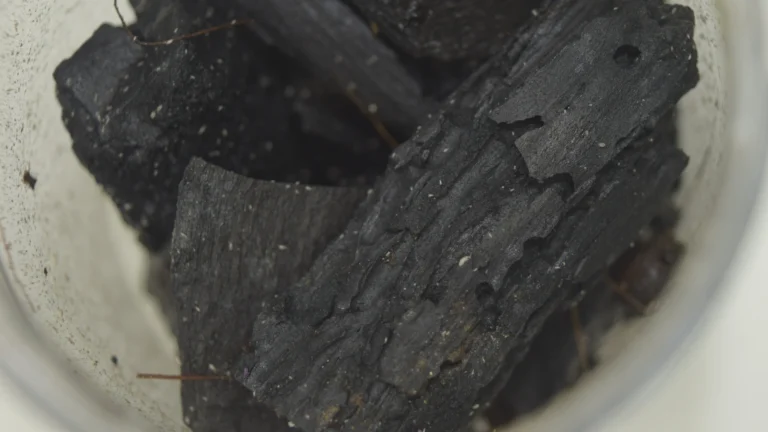
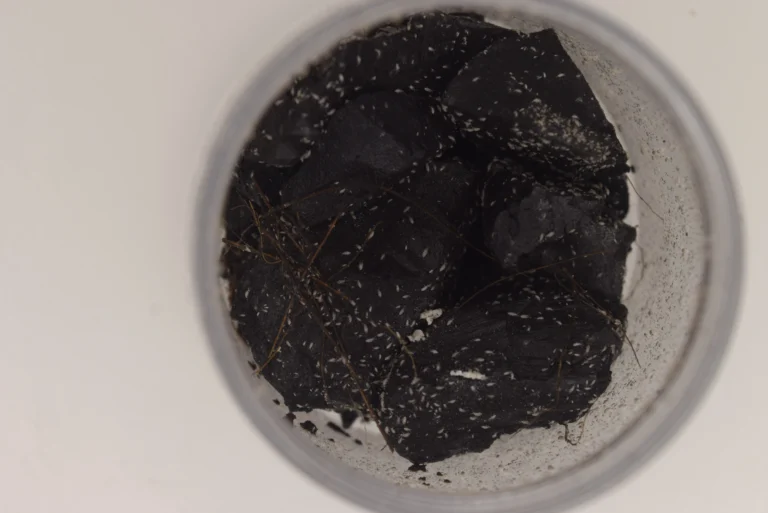
You’ll culture springtails by establishing ventilated containers, selecting Substrate Choices like lumpwood charcoal or clay media, seeding starters, feeding yeast sparingly, applying Humidity Control with misting, maintaining cool temperatures, rotating cultures, and harvesting via water-float.
Will Springtails Bother Amphibians, Reptiles, or Plant Roots?
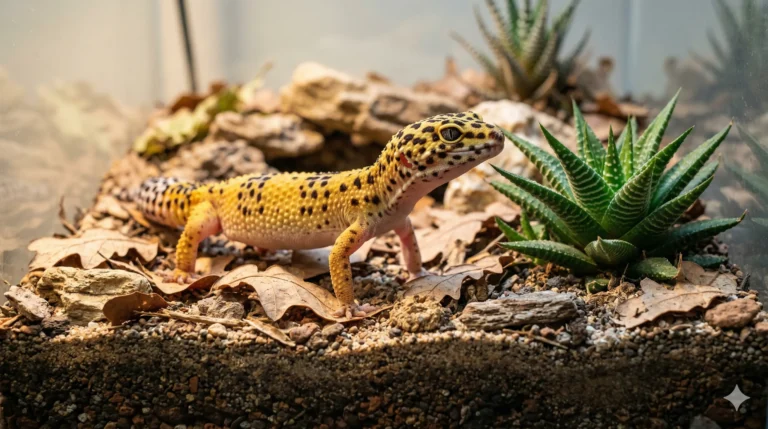
You won’t see skin irritation, you won’t see harmful root colonization, you will see cleaner substrate. Springtails don’t bother amphibians or reptiles and rarely damage plants; you can expect improved nutrient cycling, and incidental predation.
How Often Should I Replenish Springtails, and How to Introduce Them Safely?
Replenish every few months initially; you’ll adjust waste and springtail activity monitoring; established systems need boosts at 6–12 months. Seed 3–5 weeks pre-animals. Transfer charcoal/medium sparingly. Maintain cultures, implement Quarantine Protocols, and a Replenishment Schedule.
Conclusion
When you see mold blooms, slow waste breakdown, and vanishing springtails, act. Re-seed cultures, add leaf litter, and correct moisture to restore nutrient cycling and animal welfare. Monitor microfauna weekly and spot-feed yeast sparingly. As a benchmark, natural soils can host over 100,000 springtails per square meter, driving efficient fungal control and aeration. Aim for lively, evenly distributed activity across the substrate, clear water surfaces, and stable parameters—so your bioactive system supports residents, not stressors.