The transition from sterile, high-maintenance enclosures to self-sustaining bioactive terrariums represents the most significant advancement in modern exotic animal husbandry. Instead of relying on constant manual sanitation and frequent substrate replacements, the bioactive methodology harnesses the power of nature to create a living, breathing ecosystem. By establishing a balanced network of microfauna and fungi, organic waste is continuously processed and transformed into bioavailable plant nutrients.
I am Amitabh, the founder of Springtails.in. Here at our Trenoya culturing facility in India, I have spent years researching, breeding, and perfecting the biological components required to sustain these enclosed habitats. The success of any bioactive system rests entirely on its biological foundation. Without an efficient network of detritivores and fungivores, organic matter stagnates, harmful anaerobic bacteria proliferate, and pathogenic mold quickly overtakes the soil matrix. The solution to this ecological imbalance is the integration of specialized microfauna, commonly referred to as a bioactive cleanup crew.
This article provides an exhaustive analysis of these ecosystem janitors, detailing their biological mechanics, species-specific requirements, and the exact protocols necessary to maintain them across the extreme climatic variations of the Indian subcontinent.
What bugs make the best clean-up crew?
Springtails, isopods, and millipedes make the best clean-up crew for a bioactive terrarium. Springtails act as microscopic fungivores that consume mold and bacteria. Isopods function as macroscopic detritivores that shred decaying leaves and animal waste. Millipedes process remaining organic debris, working together to aerate soil and recycle nutrients continuously.
The Science of Ecosystem Janitors: Understanding Biological Synergy
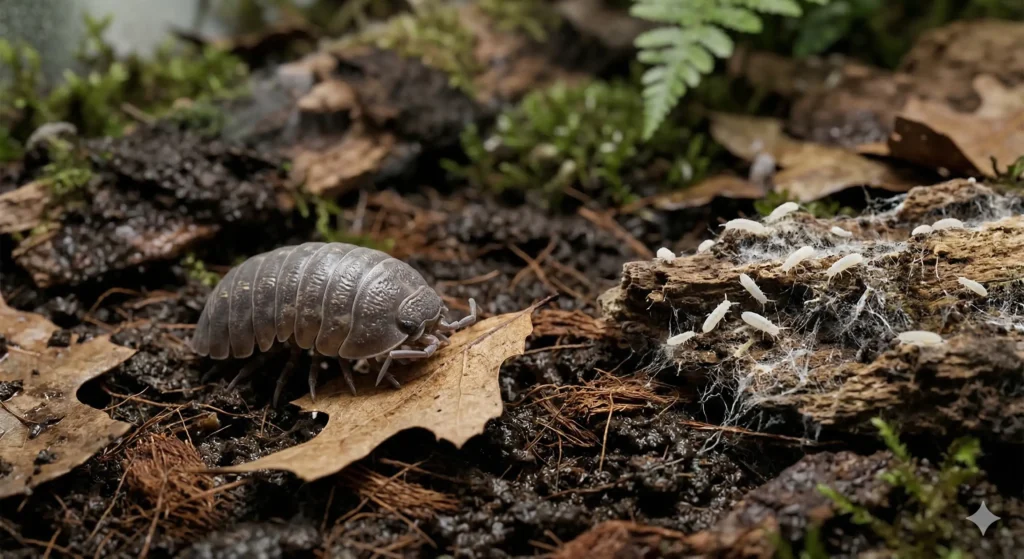
To engineer a fully functional bioactive terrarium, one must understand the specific ecological niches occupied by different terrarium bugs. The degradation of organic matter in a closed system is not a single-step event; it is a sequential, multi-layered biological cascade. This degradation requires distinct biological agents acting at various stages to ensure complete nutrient cycling without the accumulation of toxic byproducts like ammonia or hydrogen sulfide.
Macro-Decomposition: The Isopod’s Function
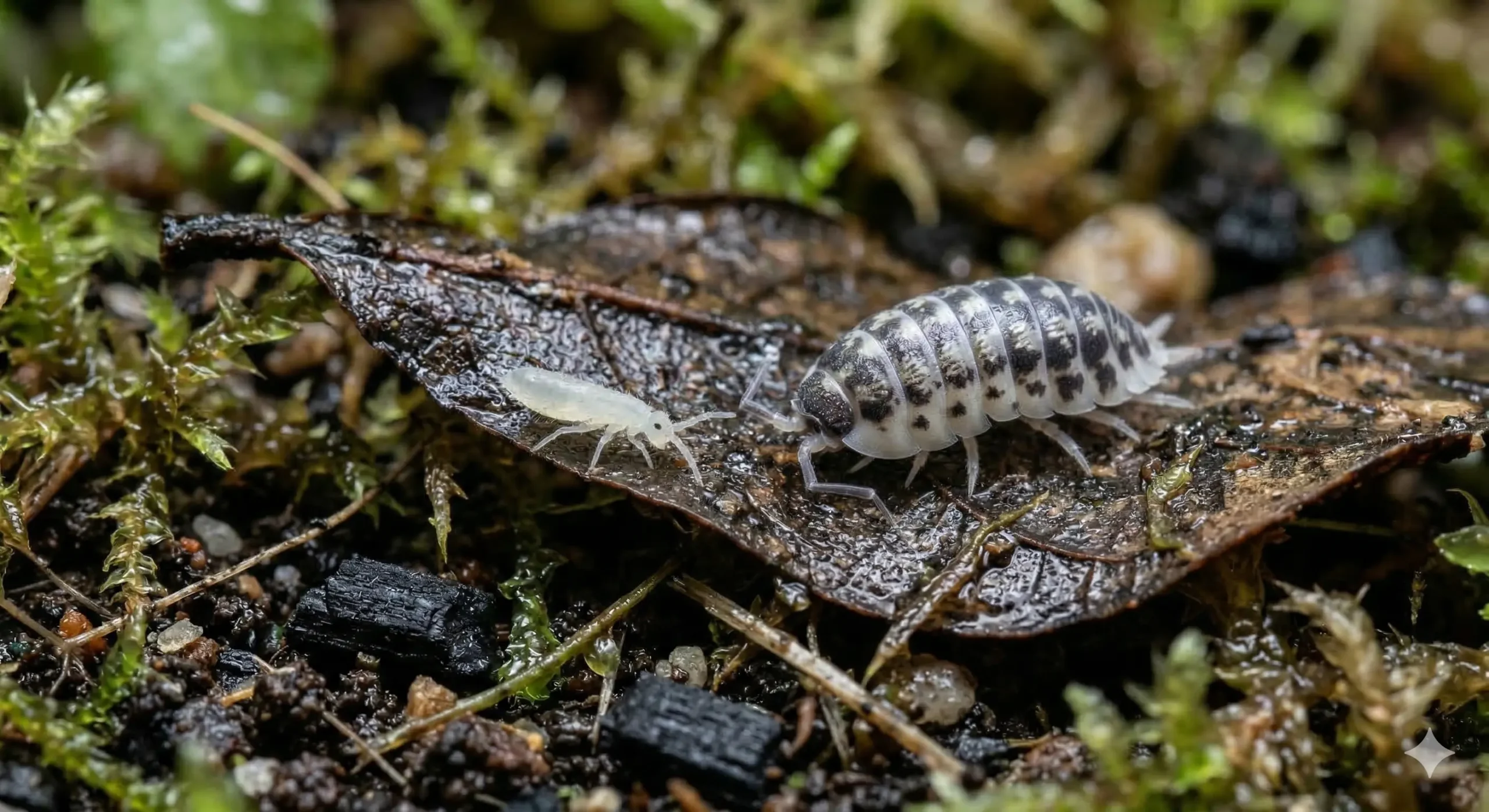
Isopods, terrestrial crustaceans belonging to the suborder Oniscidea, operate as the primary macroscopic decomposers within the habitat. Equipped with robust mandibles, isopods physically masticate high-lignin materials such as dead plant matter, decaying cork bark, shed reptile skins, and dense animal feces. This mechanical degradation drastically increases the surface area of the waste material, making it accessible to secondary microbial decomposers.
As isopods process this material, they excrete frass—a highly concentrated organic fertilizer rich in nitrogen, phosphorus, and potassium. This frass is immediately bioavailable to the root systems of live plants. Additionally, the fossorial (burrowing) behavior exhibited by many isopod species physically churns the upper layers of the substrate. This bioturbation promotes deep oxygenation, improves root penetration, and prevents the lower soil matrix from turning into an anaerobic sludge.
Micro-Decomposition: The Springtail’s Function
While isopods manage bulk macro-waste, springtails (order Collembola) operate entirely at the microscopic level. These minute, wingless hexapods are obligate fungivores and microbivores. They actively graze on bacterial biofilms, transient slime molds, and the microscopic hyphae of saprophytic fungi that naturally colonize terrarium substrates.
The primary utility of springtails lies in their capacity for preventative pathogen control. By consuming fungal spores before they can bloom into macroscopic, suffocating patches, springtails prevent the enclosure from being overrun by mold. They serve as the essential biological defense mechanism against putrefaction. For a deep understanding of their precise metabolic functions, reviewing the role of springtails in bioactive ecosystems provides excellent context on how these organisms regulate soil chemistry.
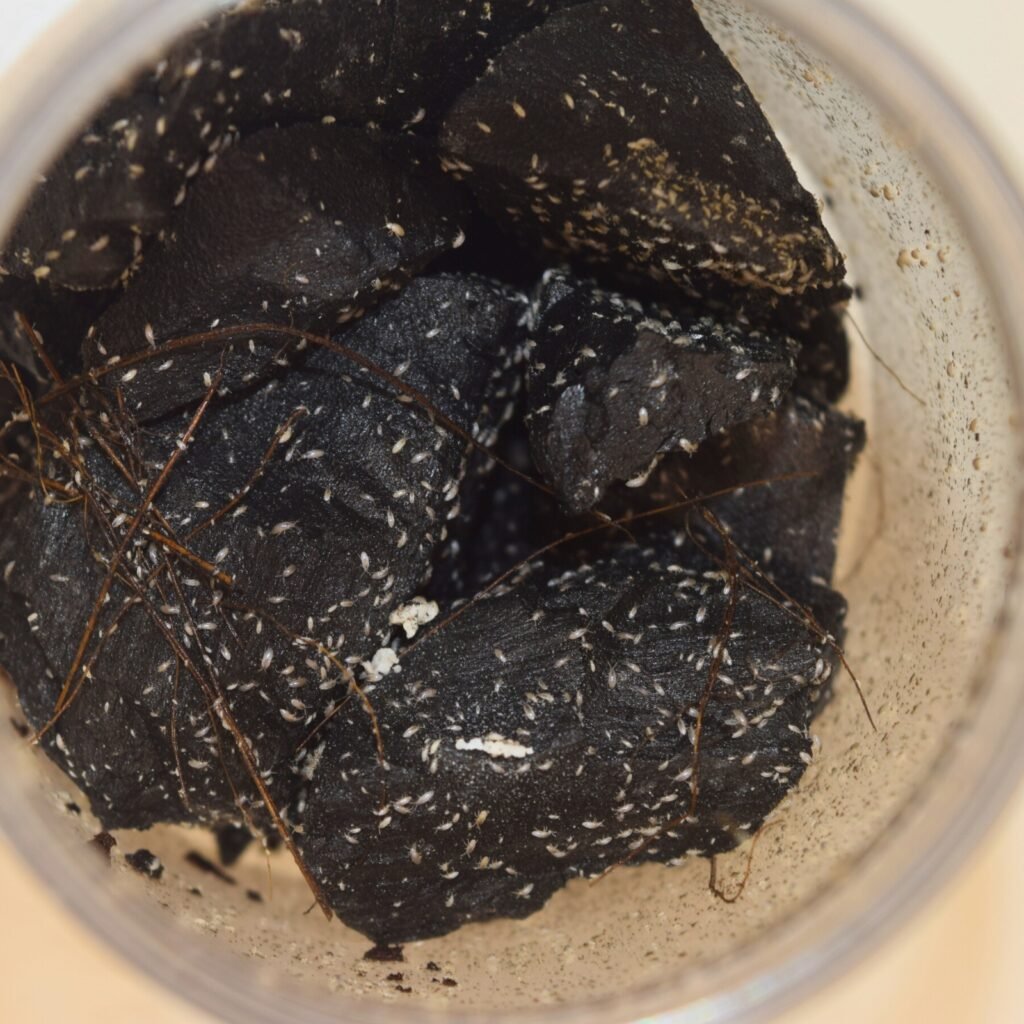
TRENOYA Springtails (Cleanup Crew) — Live Culture Starter (India)
Seed your bioactive terrarium with a pest-free, starter-ready springtail culture. Perfect for mold control and waste cleanup. Live Arrival Guarantee + Pan-India express shipping.
The Mechanism of Niche Partitioning
The true efficacy of a bioactive cleanup crew emerges from the synergistic relationship between isopods and springtails. Because these organisms prefer different food sources and occupy slightly different microhabitats, they avoid direct resource competition. Their dietary differences create a cyclical biological dependency. Isopods fragment bulk waste and excrete smaller particles. Fungi and bacteria then attempt to colonize these smaller particles. Springtails intervene at this exact stage, consuming the emerging fungi and finalizing the decomposition process. This synchronized teamwork ensures that organic material is completely reduced without triggering foul odors or toxic gas accumulation.
Foundational Taxonomy: Identifying Your Terrarium Bugs
Selecting the correct species requires matching the physiological limits of the microfauna to the environmental parameters of the enclosure. Species selection is heavily influenced by temperature gradients, relative humidity (RH), and the specific bioload of the primary inhabitants (such as reptiles or amphibians).
Dominant Springtail Taxa
Springtail species utilized in the bioactive hobby generally fall into distinct morphological categories, including the elongate Entomobryomorpha and the stout Poduromorpha.
| Species Name | Common Name | Optimal Temp (°C) | Optimal Humidity | Primary Ecological Role |
| Folsomia candida | Temperate White Springtail | 18 – 24 | 75% – 90% | Highly prolific baseline mold suppression; standard for temperate enclosures. |
| Sinella curviseta | Tropical Pink Springtail | 24 – 32 | 70% – 95% | Heat-resistant mold suppression; excellent for warm Indian climates and arid hides. |
| Coecobrya tenebricosa | Tropical White Springtail | 24 – 30 | 70% – 90% | Rapidly moving surface grazers; highly effective at clearing surface biofilms. |
| Protanura spp. | Orange/Red Springtail | 16 – 20 | 95% – 100% | Large, slow-moving calcium consumers; ideal for specialized, highly saturated setups. |
- Temperate White Springtails (Folsomia candida): These are the ubiquitous “workhorse” springtails characterized by unpigmented, subcylindrical bodies measuring 1–2 mm in length. Known for their rapid parthenogenetic reproduction (reproducing without mating), they are highly efficient at processing waste in moderately humid environments.
- Tropical Pink/White Springtails (Sinella/Coecobrya): These elongate, pigmented springtails are highly agile and possess a significantly higher thermal tolerance. This makes them exceptional choices for the warmer baseline temperatures experienced in India. They flourish in both highly humid and semi-arid microclimates.
- Orange Springtails (Protanura spp.): A visually striking, slow-moving neanurid springtail. Lacking a functional furcula (jumping organ), they crawl through interstitial spaces. They require specific environmental stability, preferring saturated air and cooler temperatures alongside mineral-rich, calcium-bearing substrates.
Prominent Isopod Species
Isopod selection ranges from highly prolific, protein-driven species to subtle, soil-dwelling variants that avoid detection.
| Species Name | Common Name | Optimal Temp (°C) | Optimal Humidity | Best Suited For |
| Porcellio laevis | Dairy Cow | 22 – 28 | 60% – 80% | Heavy bioload enclosures (e.g., large snakes, monitors); requires high protein. |
| Trichorhina tomentosa | Dwarf White | 24 – 29 | 80% – 100% | Sensitive amphibians (e.g., dart frogs); strictly fossorial and non-aggressive. |
| Porcellionides pruinosus | Powder Orange/Blue | 22 – 30 | 50% – 75% | Semi-arid enclosures (e.g., leopard geckos, bearded dragons); highly resilient. |
| Armadillidium granulatum | Granulated Isopod | 20 – 26 | 50% – 70% | Moderate forest setups; requires a distinct gradient between dry and moist zones. |
- Dairy Cow Isopods (Porcellio laevis): A large, robust, and highly active species. They possess a voracious appetite for protein and decaying organic matter, making them the optimal choice for enclosures housing large reptiles with significant fecal output. Due to their aggressive feeding behavior, they efficiently manage heavy bioloads but must be supplied with supplemental nutrition to prevent them from targeting live vegetation.
- Dwarf White Isopods (Trichorhina tomentosa): Microscopic crustaceans (under 0.5 cm) that are entirely fossorial. They live buried within the upper substrate layers, providing excellent soil aeration without uprooting delicate mosses. They are parthenogenetic and thrive in high-humidity tropical setups, making them the safest pairing for soft-bodied amphibians.
- Powder Orange Isopods (Porcellionides pruinosus): A highly adaptable, medium-sized species noted for rapid reproduction and tolerance of lower humidity levels. This resilience makes them an exceptional candidate for semi-arid setups, provided a localized moisture gradient is maintained beneath a water bowl or cork bark.
Secondary Detritivores and Ecosystem Enhancers
While springtails and isopods form the foundation of the cleanup crew, biodiversity enhances ecosystem stability. Introducing secondary detritivores can address specific environmental challenges.
- Millipedes (Diplopoda): As heavy detritivores, millipedes excel at breaking down fallen leaves and thick woody debris. Species such as flat-backed millipedes (Polydesmus angustus) and dwarf tropical varieties burrow deeply, creating extensive tunnel networks that aerate the soil. However, their populations must be monitored; excessive numbers can lead to the indiscriminate grazing of live plant roots.
- Earthworms (Lumbricidae / Megascolecidae): Native Indian species such as the Indian blue worm (Perionyx excavatus) are macro-detritivores that rapidly convert organic matter into nutrient-dense worm castings. They are highly effective in massive, deep-substrate enclosures. However, in confined glass terrariums with shallow soil, they risk turning the substrate into a dense, muddy sludge, which can disrupt drainage layers.
- Beetles (Dermestidae / Tenebrionidae): For purely arid enclosures where moisture-dependent isopods struggle, beetles offer a functional alternative. Dermestid beetles and Darkling beetles (the adult form of mealworms) act as robust cleaners in dry environments, consuming shed skins and dried feces. Blue Death-Feigning beetles (Asbolus verrucosus) are particularly popular in desert setups for their cleaning efficacy and extreme drought tolerance.
- White Worms (Enchytraeus albidus): Small, moisture-loving worms that thrive in highly saturated soils. They are the ideal secondary cleanup crew for paludariums, working below the surface to recycle waste while occasionally serving as a supplemental food source for aquatic inhabitants.
Precision Culturing at Trenoya: A Commitment to Quality
Relying on wild-caught organisms sourced from local gardens poses a catastrophic risk to a closed terrarium system. Wild Indian soils frequently harbor predatory mites (Stratiolaelaps scimitus), parasitic nematodes, and pathogenic fungi that can swiftly decimate a cleanup crew and endanger the primary reptile or amphibian inhabitants.
At Trenoya, we have engineered our culturing protocols to eliminate these risks entirely. Every culture we produce is rigorously Lab-Grown in India under strict climatic controls, guaranteeing that our products remain 100% Pest-Free.
Our physical product architecture is designed with the hobbyist in mind. Whether you are purchasing Trenoya Live Springtails or Trenoya Grindal Worms, your culture arrives in our signature 200ml pet jars. These transparent, rigid PET jars are lightweight yet highly durable, specifically engineered to maintain optimal gas exchange and internal humidity during transit. Rather than leaving you to guess how to maintain your new ecosystem janitors, every jar features dedicated QR-code care guides printed directly on the lid, providing instant access to species-specific husbandry data.
We ensure that every container delivers dense, active colony sizes of 30 to 100+ adults and juveniles, guaranteeing immediate establishment upon introduction to your vivarium. Recognizing the logistical challenges of transporting live organisms across India’s diverse climatic zones, we secure every order with a Live Arrival Guarantee, facilitated by our Pan-India Express Shipping network.
Adapting to the Indian Climate: Managing Extreme Heat and Humidity
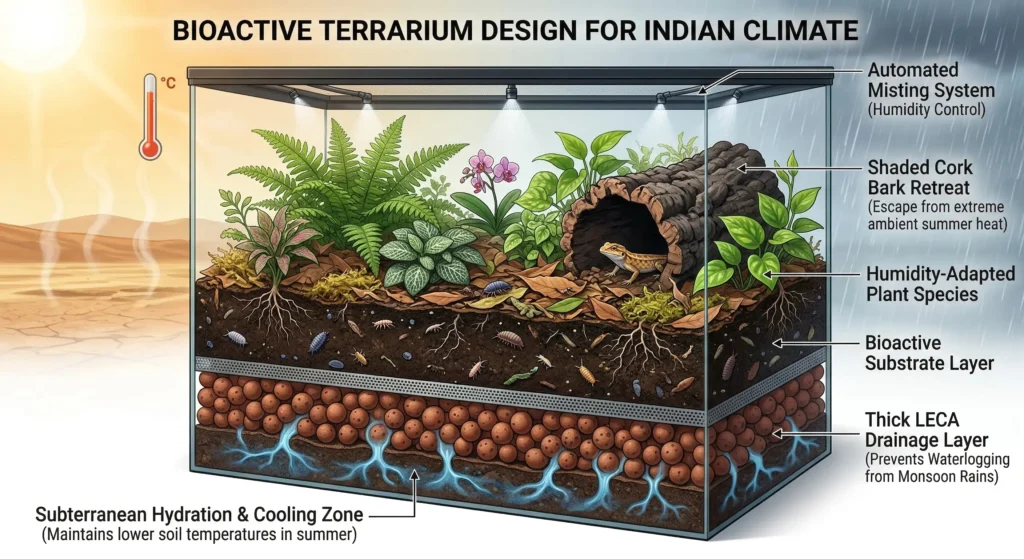
Cultivating a bioactive ecosystem in India requires specialized environmental management. The subcontinent experiences severe climatic shifts, primarily characterized by intense summer heatwaves and the saturated humidity of the monsoon season. These extremes can easily collapse a microfauna population if preventative architectural measures are not implemented.
Mitigating Indian Summer Heat (35°C – 45°C)
Microfauna possess highly permeable cuticles. When ambient temperatures rise above 32°C (the lethal heat threshold for many taxa), rapid desiccation and osmotic stress occur, leading to mass mortality within hours.
- Subterranean Moisture Injection: During periods of extreme heat, surface misting is wholly insufficient as evaporation rates soar. Instead, water must be injected directly into the lower substrate layers or corners of the enclosure. This establishes a deep, cool, hydrated subterranean zone where isopods and springtails can retreat to escape lethal surface temperatures.
- Preventing Thermal Cracking: Glass terrariums subjected to intense sunlight or uneven internal watering during peak heat can experience thermal cracking. Enclosures must be relocated away from direct solar radiation to cooler, insulated areas of the home. Heating elements must be strictly regulated via proportional dimming thermostats to prevent runaway temperature spikes.
- Supplemental Hydration Stations: The integration of damp sphagnum moss packed tightly under thick pieces of cork bark creates isolated, evaporation-resistant microclimates. These stations ensure that even if the ambient humidity drops to 30%, the cleanup crew maintains access to essential 80%+ RH zones.
- Evaporative Cooling: The strategic use of localized airflow, such as micro-computer fans directed across a damp mesh lid, leverages the physics of evaporative cooling to draw heat away from the glass enclosure safely.
Managing Monsoon Humidity (80% – 100% RH)
The Indian monsoon season reverses the environmental challenge. Sustained high humidity, combined with warm ambient temperatures, creates the perfect catalyst for aggressive fungal blooms and rapid bacterial proliferation.
- Drainage Layer Integrity: A robust false bottom is mandatory. This is constructed from 1.5 to 2 inches of expanded clay aggregates (LECA) or coarse gravel, separated by a synthetic mesh barrier. This prevents the primary organic soil layer from becoming waterlogged. Saturated soil displaces oxygen, suffocating the cleanup crew and triggering anaerobic bacterial growth characterized by dark, sour-smelling substrate patches.
- Controlled Nutrient Loading: Fungi exploit excess moisture and nutrients. During the monsoon, supplemental feeding of the cleanup crew must be strictly limited to micro-aliquots (tiny pinches) of yeast or specialized diets. Large bolus feedings will immediately mold over, outstripping the springtails’ capacity to consume the spores.
- Ventilation and Gas Exchange: Stagnant, saturated air limits the evaporation necessary for plant transpiration and encourages the proliferation of respiratory pathogens in reptiles (e.g., scale rot). Increasing passive cross-ventilation or utilizing temporary screen tops during the monsoon facilitates essential gas exchange (O2/CO2 flux).
Architectural Foundations: Substrate Engineering and Leaf Litter
The success of a bioactive cleanup crew is inextricably linked to the physical and chemical composition of the substrate. The soil matrix acts as the primary bioreactor where nutrient cycling occurs. It must provide stable moisture gradients, support microbial biofilms, and prevent mechanical compaction.
The Bioactive Substrate Matrix
An effective substrate mix must balance water retention with aeration. An expertly engineered base typically consists of the following ratios:
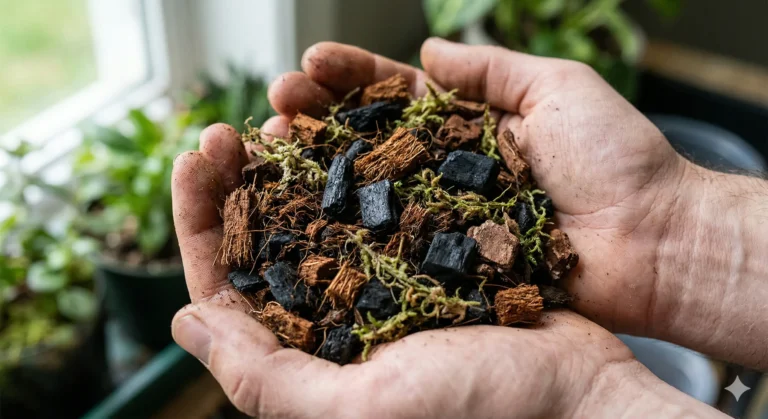
- Horticultural Hardwood Charcoal (40-60%): The inclusion of high-porosity biochar is the most critical element for microbial colonization. Charcoal provides immense surface area for beneficial bacteria, adsorbs excess metabolites, prevents soil compaction, and inherently resists pathogenic mold growth.
- Coconut Coir (20-30%): Provides essential moisture retention and acts as the physical medium for root growth and microfauna burrowing.
- Long-Fiber Sphagnum Moss (10-20%): When interspersed throughout the mix, sphagnum moss creates localized humidity pockets and provides structural integrity that prevents the coir from collapsing into an anaerobic sludge over time.
- Aged Humus / Flake Soil (10%): Delivers a slow-release nutrient foundation that drives initial microbial development, providing an immediate food source for establishing detritivore populations.
Leaf Litter: The Biological Engine
Leaf litter acts as a moisture barrier, a physical shelter, and the primary nutritional fuel for isopods and springtails. A scientifically optimized enclosure utilizes a blend of high-lignin and low-lignin leaves to ensure both structural longevity and rapid nutrient cycling. To optimize this layer, reviewing the parameters for the best leaf litter for isopods is highly recommended.
| Leaf Species | Lignin Content | Breakdown Rate | Primary Terrarium Utility |
| Indian Almond (Catappa) | Moderate | Moderate-Fast | Yields high tannins/humic acids; provides antimicrobial conditioning and excellent primary nutrition. |
| Oak (Quercus spp.) | High | Slow | Lobed structure prevents flat packing, creating essential interstitial air spaces; provides long-term balanced nutrition. |
| Magnolia (M. grandiflora) | Very High | Very Slow | Thick, waxy cuticle offers extreme durability; acts as permanent structural shelter and visual ground cover. |
| Guava (Psidium guajava) | Low | Fast | Breaks down rapidly, offering a sudden nutrient injection for isopod population booms. |
| Mango (Mangifera indica) | Moderate | Moderate-Slow | Robust native Indian alternative; provides excellent long-term flooring once softened by microbes. |
| Neem (Azadirachta indica) | Moderate | Moderate | Safe for beneficial isopods while potentially exerting selective deterrence against pest thrips and spider mites. |
All foraged leaf litter must undergo rigorous sterilization via boiling or baking (e.g., 140°F for twenty minutes) prior to introduction to eliminate invasive ants, predatory centipedes, and pathogenic nematodes. The litter layer should be maintained at a depth of 2 to 3 inches, completely obscuring the underlying substrate.
Propagation and Off-Site Culturing Techniques
For practitioners maintaining multiple terraria, establishing independent master cultures provides a continuous, secure supply of cleanup crew members. Culturing these organisms outside of the primary display enclosure requires distinct methodologies.
The Charcoal Water Culture Method
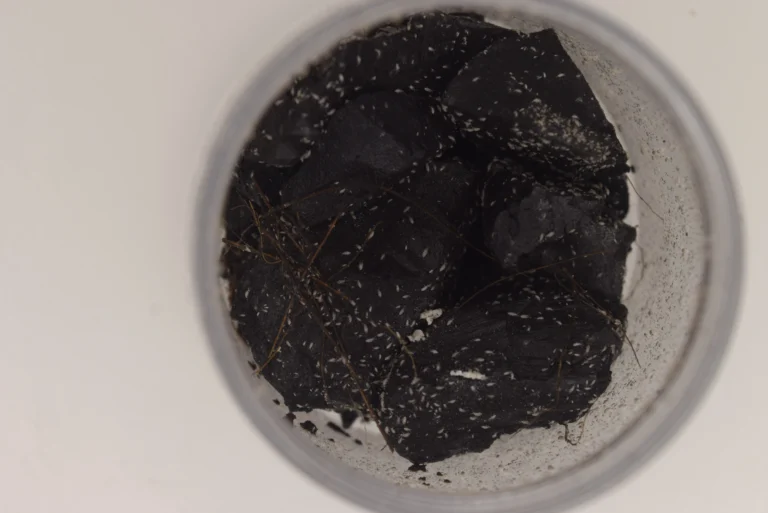
Springtails are exceptionally easy to culture using the charcoal method. They are housed in clear, micro-vented plastic containers filled with horticultural charcoal. The charcoal is flooded with dechlorinated water to approximately one-third of its depth. Because springtails possess a hydrophobic epicuticle, they float on the water’s surface. This allows for rapid, contactless harvesting by simply pouring the water directly into the target enclosure, leaving the charcoal behind.
The Calcium Clay Method
Certain species, particularly Protanura (Orange Springtails) and Dwarf White Isopods, perform significantly better on a calcium-bearing clay substrate. The clay retains moisture evenly without waterlogging and provides the necessary dietary calcium required for rapid exoskeleton synthesis during the molting process (ecdysis).
Nutritional Protocols for Master Cultures
Unlike a bioactive terrarium where the crew feeds on animal waste, isolated master cultures require supplemental feeding. Cultures should be fed sparse dustings of active baker’s yeast, rice flour, or spirulina powder. Feeding must only occur when the previous portion has been completely consumed. Overfeeding leads directly to the accumulation of CO2 and the proliferation of pest mites. To prevent density-dependent population crashes, 5-10% of the adult population should be harvested or split into new containers every few weeks. This preserves the age structure and stimulates continuous reproduction.
Troubleshooting Ecosystem Imbalances
Even perfectly engineered ecosystems require periodic auditing. Monitoring the behavior and population density of the cleanup crew provides early warning signs of systemic imbalances.
Diagnosing Microfauna Mortality
If the cleanup crew population visually plummets, several environmental metrics must be immediately assessed:
- Desiccation: The most common cause of mortality. If the relative humidity at the substrate boundary layer drops below 60%, springtails desiccate rapidly. The presence of completely dried leaf litter or dusty, pale substrate indicates critical moisture loss.
- Hypoxia via Waterlogging: Conversely, if the substrate is flooded, interstitial air pockets are destroyed. The microfauna will drown or suffocate. This is characterized by a foul, sulfurous odor and the mass migration of isopods up the glass or décor to escape the saturated soil.
- Chemical Contamination: The introduction of municipal tap water containing high levels of chlorine or chloramine will destroy the microbial biofilms that springtails feed on and cause direct dermal toxicity. Only dechlorinated, distilled, or reverse-osmosis water should be used for misting.
Managing Pest Incursions
Despite rigorous biosecurity, opportunistic pests can infiltrate the habitat, typically arriving via unsterilized botanical additions or airborne transmission.
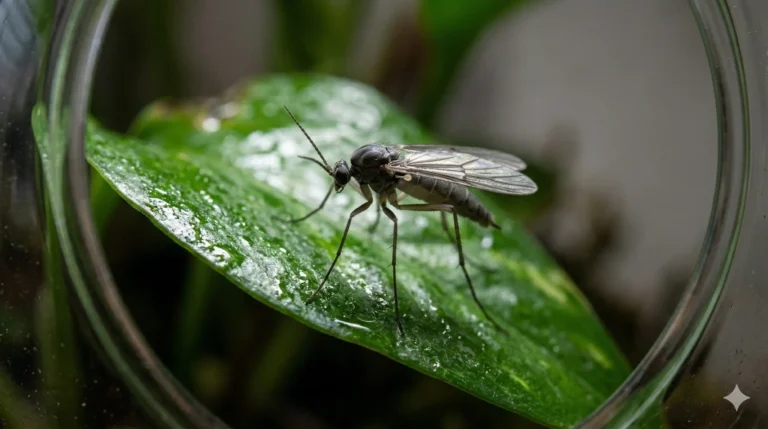
- Fungus Gnats (Bradysia spp.): These small, mosquito-like flies are attracted to overly damp, organically rich soil. While adult gnats are merely a nuisance, their larvae (translucent maggots with black heads) aggressively consume fungal biofilms and plant roots, directly competing with springtails. Treatment involves allowing the top layer of substrate to dry slightly and applying a drench of Bacillus thuringiensis israelensis (Bti). Bti is a targeted biological larvicide that destroys gnat larvae without harming springtails, isopods, or reptiles.
- Grain and Soil Mites: Rapidly crawling, microscopic specks that swarm food sources. Unlike springtails, mites do not jump. High mite populations indicate chronic overfeeding and excessive humidity (sustained above 90% RH). Management requires severely reducing food inputs, increasing ventilation to drop humidity below 65% temporarily, and manually removing heavily infested organic material.
For a broader perspective on establishing these intricate habitats from the ground up, explore our essential guide for bioactive vivariums in India, which outlines the exact sequence for planting and cycling the enclosure.
People Also Ask
How many isopods and springtails do I need to seed an enclosure?
The initial seeding density is dictated by the physical dimensions of the terrarium and the anticipated bioload of the primary inhabitant. For a standard 18x18x18 inch tropical enclosure, introducing one dense master culture of springtails (yielding thousands of individuals) and a starting colony of 20 to 30 isopods provides a sufficient genetic foundation. The populations must be given a latency period of two to four weeks to establish deep within the substrate and begin reproducing before the primary reptile or amphibian is introduced. Once the animal is present, the microfauna populations will dynamically expand and contract based on the availability of waste and resources.
Do clean-up crews eat live plants?
Under normal conditions, a properly selected cleanup crew will entirely ignore healthy, living plant tissue. Springtails lack the anatomical mouthparts to damage live plants, as they strictly graze on microscopic fungi and bacteria. Isopods are detritivores programmed to consume dead, decaying botanical matter. However, if an isopod population becomes severely overpopulated and all dead leaf litter is completely exhausted, they may begin to graze on soft mosses or the delicate root systems of live plants out of desperation. Maintaining a constant, thick layer of sterilized leaf litter entirely prevents this behavior.
Can springtails infest my house?
No. Springtails and isopods are highly specialized, moisture-dependent organisms. They respire cutaneously (through their skin) and require specific humidity gradients—typically above 70% RH—to survive. If they escape the terrarium, they immediately encounter the dry ambient air of a standard human home and desiccate within minutes to hours. They are anatomically incapable of biting humans, transmitting diseases, or causing structural damage to wood or textiles. Their presence outside an enclosure strictly indicates a pre-existing severe moisture issue in the home, such as a leaking pipe or extreme condensation near a window.
Do desert terrariums need a clean-up crew?
Yes, arid enclosures—such as those designed for Bearded Dragons, Leopard Geckos, or Uromastyx—benefit immensely from bioactive integration. However, the species utilized must be specifically adapted to low-humidity environments. Standard tropical isopods will perish rapidly in these conditions. Instead, practitioners utilize arid-resilient species like Porcellionides pruinosus (Powder Orange) and specialized arid springtails. Additionally, Darkling beetles, Dermestid beetles, and Blue Death-Feigning beetles can be integrated to consume dry sheds and feces. To ensure the survival of the crustacean components in an arid setup, a localized hydration station—a small patch of consistently damp moss concealed beneath a heavy stone, water bowl, or cork flat—must be meticulously maintained.
Why is the terrarium substrate developing visible white mold despite having springtails?
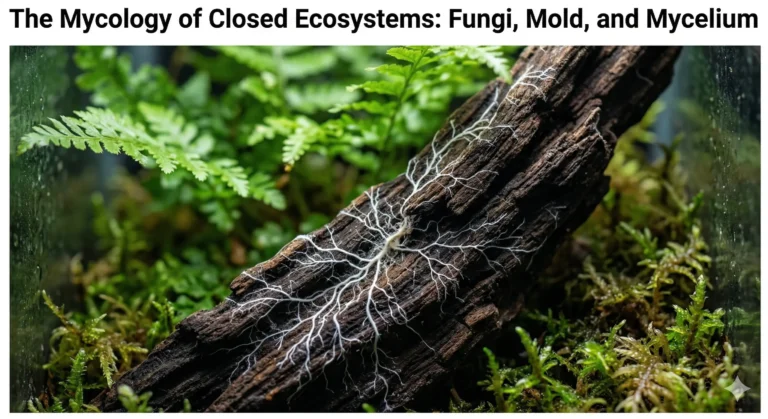
The sudden appearance of expansive white cobweb mold or green Trichoderma patches indicates that the fungal growth rate has vastly outpaced the consumption rate of the existing fungivore population. This processing lag typically occurs following a massive influx of moisture and nutrients, such as severe overwatering, the introduction of unsterilized wood, or the addition of excessive supplemental food. The corrective action involves manually spot-treating the heavy mold patches with a diluted 3% hydrogen peroxide solution (which breaks down into harmless water and oxygen), increasing ventilation to reduce stagnant humidity, and potentially reseeding the enclosure with a secondary culture of springtails to re-establish biological equilibrium.
Should the cleanup crew be fed supplemental diets?
In an established bioactive enclosure housing a reptile or amphibian, the waste produced by the animal, combined with the natural degradation of leaf litter and botanical elements, generally provides sufficient nutrition for the cleanup crew. However, in freshly seeded enclosures lacking an animal, or densely populated master culturing bins, supplemental feeding is mandatory to prevent starvation and population collapse. Specialized micro-diets, active baker’s yeast, or Repashy Morning Wood should be provided in minute quantities that the colony can completely consume within 48 hours. Overfeeding is the primary catalyst for mite infestations and foul-smelling bacterial blooms.
What is the lifespan of a typical springtail or isopod?
The typical lifespan of a springtail ranges from 4 to 12 weeks, depending heavily on the species and the ambient temperature. In cooler, highly humid microhabitats, their lifespan can be extended slightly. Despite this short individual lifespan, their rapid reproductive rate ensures the colony persists indefinitely. Isopods have significantly longer lifespans. Dwarf species may live for 1 to 2 years, while larger species like Porcellio laevis or Armadillidium can live for 2 to 3 years under optimal conditions. Isopods continue to molt in halves throughout their entire lives, shedding the posterior half of their exoskeleton before shedding the anterior half days later.
Are there any reptiles that should not be kept in a bioactive setup?
While the bioactive methodology can be adapted for the vast majority of reptiles and amphibians, extremely large, heavy-bodied reptiles (such as adult Reticulated Pythons, large Monitor Lizards, or Sulcata Tortoises) present significant challenges. These animals possess an immense physical bioload that can rapidly overwhelm even the most robust cleanup crew. Furthermore, their sheer weight and digging behaviors will mechanically crush drainage layers, destroy live plants, and compact the soil matrix so severely that it becomes completely anaerobic. For these massive species, highly modified, ultra-deep substrates with heavy-duty physical barriers are required, and the system often functions more as a “naturalistic” setup requiring manual spot-cleaning rather than a purely self-sustaining bioactive one.