The transition from sterile, heavily sanitized reptile enclosures to fully bioactive terrariums represents a profound evolution in modern exotic animal husbandry. At the core of these self-sustaining biological ecosystems lies a microscopic workforce responsible for processing organic waste, aerating the dense substrate, and aggressively suppressing pathogenic fungi. As keepers cultivate these intricate environments, the sudden appearance of tiny, crawling organisms often triggers immediate alarm. Identifying whether these rapidly multiplying micro-inhabitants are beneficial springtails or potentially problematic mites is an absolute necessity for maintaining long-term enclosure health.
Understanding the complex taxonomy, underlying biological mechanisms, and ecological roles of soil-dwelling microfauna prevents unnecessary panic and the application of harmful chemical interventions. As Amitabh, Founder of Springtails.in and the co-founder of the brand Trenoya, I have spent years observing these microscopic interactions. Here at our Trenoya culturing facility in India, we continuously refine our biological protocols to engineer the most stable, robust ecosystems possible. This exhaustive analysis categorizes the specific arthropod species found in indoor enclosures, details how the intense Indian climate influences microfaunal population dynamics, and explores the exact biological differences between mites and springtails.
How to tell the difference between mites and springtails?
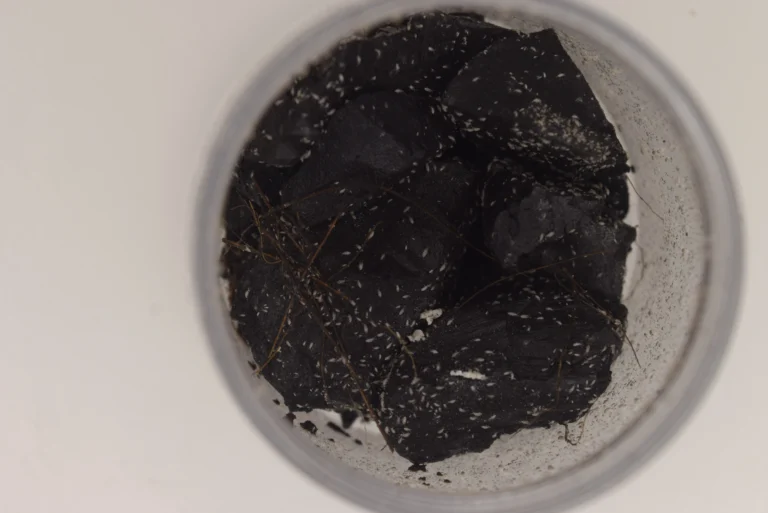
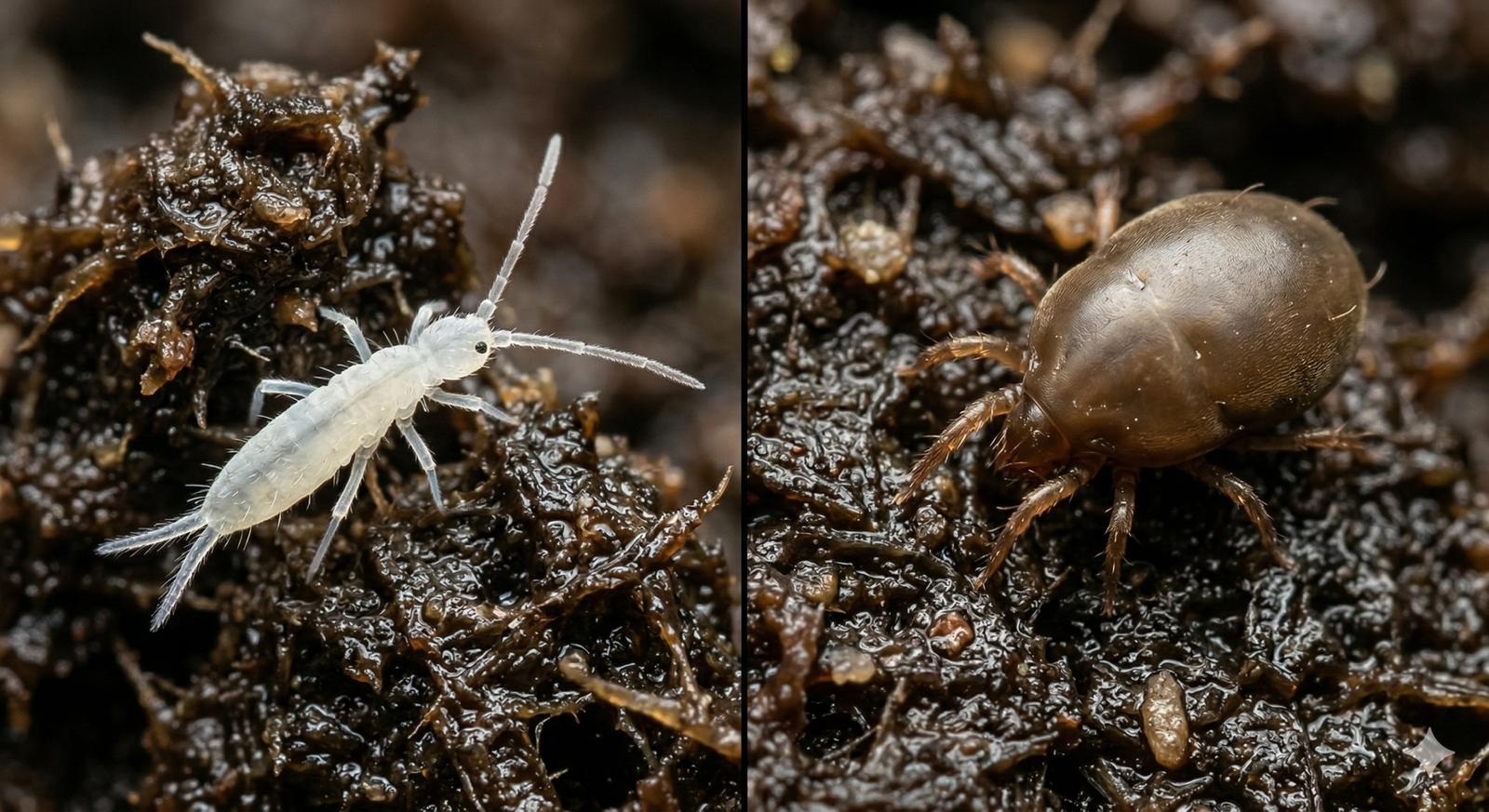
Springtails are six-legged hexapods with segmented antennae and a specialized tail-like appendage called a furcula, which enables rapid jumping to escape threats. Conversely, mites are eight-legged arachnids featuring a round, bulbous exoskeleton devoid of visible antennae or jumping appendages, restricting them to a slow, continuous crawling motion.
While naked-eye observation provides the initial clues for a keeper, understanding the precise anatomical, taxonomic, and behavioral distinctions ensures entirely accurate identification. Misidentifying a beneficial organism as a threat can lead to the accidental destruction of the terrarium’s primary biological filtration system.
- Taxonomic Classification: Springtails belong to the class Collembola within the subphylum Hexapoda, placing them in a close evolutionary relationship with modern insects. Mites belong to the subclass Acari within the class Arachnida, meaning their closest evolutionary relatives are spiders, scorpions, and ticks.
- Appendages and Locomotion: The defining biomechanical feature of the springtail is the presence of exactly six legs and a specialized, tension-loaded appendage called the furcula, which remains folded tightly beneath the abdomen. When the organism perceives a threat, the furcula snaps downward against the substrate, launching the springtail into the air to evade predation. Mites completely lack this appendage and are therefore biologically restricted to a slow, methodical crawling motion across the soil surface or the terrarium glass.
- Sensory Organs: Springtails possess distinct, segmented antennae protruding from the anterior of their head, which they use to continuously navigate their environment and locate microscopic fungal food sources. Mites lack visible antennae entirely; instead, they rely on highly specialized sensory hairs (known as setae) distributed across their exoskeleton and their front pairs of legs to interpret chemical and tactile signals in the environment.
- Morphological Structure: The standard temperate or tropical springtail features a slender, elongated, rice-like body shape, though some specialized globular species do exhibit a rounder profile. Conversely, terrarium mites almost universally present a highly bulbous, spherical, or teardrop-shaped exoskeleton that appears exceptionally compact, often resembling a microscopic walking seed or a grain of sand.
| Anatomical Feature | Springtails (Collembola) | Mites (Acari) |
| Phylogenetic Lineage | Hexapoda (closely related to insects) | Arachnida (related to spiders/ticks) |
| Leg Count | 6 | 8 (in nymph and adult stages) |
| Body Shape | Elongated, rice-like, clearly segmented | Round, bulbous, spherical, unsegmented |
| Sensory Antennae | Visible, actively moving, segmented | Completely absent |
| Primary Locomotion | Rapid walking, explosive jumping (furcula) | Slow to moderate continuous crawling |
| Dietary Niche | Detritivore, microbivore, fungivore | Detritivore, predator, phytophagous, or parasite |
The Evolutionary Biology and Taxonomy of Springtails (Collembola)
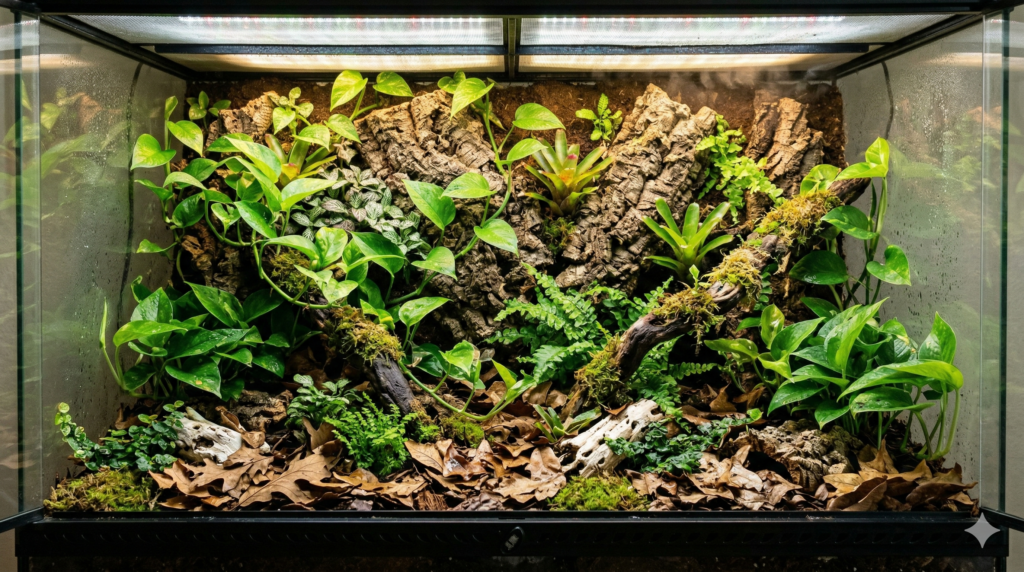
To fully comprehend why springtails are integrated into advanced bioactive enclosures, one must examine their evolutionary biology. Springtails are ancient, omnivorous, free-living organisms that prefer exceptionally moist, highly humid conditions. Early DNA sequence studies suggest that Collembola represent a completely separate evolutionary line from other Hexapoda, adapting to a life strictly bound to the boundary layers of soil and moisture.
The taxonomic name Collembola is derived from the Ancient Greek word kólla, meaning ‘glue’, and émbolos, meaning ‘peg’. This nomenclature references the collophore, a highly specialized ventral tube located on the organism’s abdomen. Originally, early entomologists believed this peg secreted a glue-like substance to stabilize the creature on slippery surfaces. Modern acarologists and soil biologists now understand that the collophore serves an entirely different, incredibly complex physiological function: it manages the organism’s critical fluid balance, facilitates osmoregulation, and assists in the excretion of metabolic waste.
Because springtails feature highly permeable cuticles (exoskeletons), many species respire cutaneously—meaning they breathe directly through their skin. This biological trait makes them extremely sensitive to desiccation. If the relative humidity at the substrate boundary layer drops below 60%, rapid water loss occurs, and the springtail will desiccate and perish within a matter of hours. This intense moisture dependency prevents springtails from leaving the humid microclimate of the terrarium; should they escape into the dry ambient air of a standard air-conditioned home, they cannot survive to create an infestation.
In a mature bioactive soil matrix, springtails do not directly consume large fragments of bulk organic matter. Instead, they function highly efficiently as microbivores and fungivores. The decomposition cycle in a terrarium is a multi-tiered cascade. Primary macro-decomposers, such as isopods or millipedes, physically masticate dead leaves, wood, and reptile feces, fragmenting the waste into smaller particles and expelling nutrient-dense frass. As soon as this surface area is exposed, opportunistic bacterial biofilms, transient slime molds, and saprophytic fungi begin to rapidly colonize the material.
Springtails intervene at this exact stage of the biological cascade. They graze aggressively on the emerging fungal hyphae and spores. By heavily regulating these microbial communities, springtails provide a natural, chemical-free defense mechanism that prevents explosive mold blooms from overrunning the substrate, suffocating plant roots, and degrading the hygienic quality of the animal’s enclosure.
The Evolutionary Biology and Taxonomy of Mites (Acari)
The subclass Acari encompasses an astonishing diversity of life, with over 48,000 described species globally, and acarologists estimate that anywhere from 60,000 to over half a million species remain undiscovered. Mites have successfully adapted to nearly every terrestrial and aquatic ecosystem on the planet, from deep ocean trenches to the arid sands of deserts. Because mites inhabit such an incredibly wide array of ecological niches, their sudden presence in a botanical terrarium cannot be universally classified as detrimental.
The life cycle of a mite is highly complex and involves distinct morphological transitions. Acarid reproduction begins with an egg, which hatches into a microscopic, six-legged larval stage. This six-legged larva frequently causes identification confusion among amateur entomologists who mistake them for insect nymphs. The larva then molts into an eight-legged nymphal stage, passing through several instars (such as the protonymph and deutonymph stages) before finally maturing into a reproductively capable adult.
Anatomically, the bodies of mites are highly fused, lacking the clear segmentation seen in insects. Their physical structure consists of two primary regions: the gnathosoma (which houses the specialized feeding mouthparts, such as the chelicerae) and the idiosoma (which comprises the rest of the body and legs). The exoskeleton covering the idiosoma can vary wildly depending on the specific family. Some species possess entirely transparent, soft-bodied cuticles designed for rapid expansion when feeding, while others feature heavily sclerotized, pigmented armor designed to repel microscopic predators.
While certain high-profile acarid families act as obligate parasites or highly destructive phytophagous pests, the vast majority of species encountered in rich organic soils and zoological enclosures are entirely harmless detritivores participating silently in the subterranean nutrient cycle. Determining the exact categorization of the mite in question is the required first step for any responsible terrarium keeper.
Categorizing Terrarium Microfauna: Good vs Bad Mites
Understanding the exact distinction between good vs bad mites ensures that keepers do not accidentally destroy their beneficial cleanup crew while attempting to eradicate a perceived threat. Accurate categorization dictates the subsequent management strategy. Eradicating a beneficial mite population severely disrupts the soil food web, whereas ignoring a parasitic species directly jeopardizes the physiological health of the primary reptilian or botanical inhabitants.
Beneficial and Harmless Soil Dwellers
1. Oribatid Soil Mites (Order Oribatida) Oribatid mites, commonly referred to in agricultural literature as moss mites, beetle mites, or armored mites, are arguably the most prevalent and ecologically significant arthropods found in healthy, undisturbed forest soils worldwide.
- Identification: These organisms are exceptionally tiny, ranging from 0.2 to 1.4 millimeters in length. They move at a very slow, deliberate pace across the substrate. The majority of Oribatid species are characterized by a heavily sclerotized (armored) exoskeleton, giving them the visual appearance of microscopic, dark brown or black seeds navigating the soil. When physically disturbed by a probe or a larger predator, many Oribatid species exhibit a defensive mechanism known as ptychoidy—they possess the unique ability to tuck their legs tightly inward and seal their armored plates shut, rendering themselves virtually immune to microscopic predation.
- Ecological Role: Oribatid mites are entirely harmless, non-parasitic detritivores. They operate deep within the substrate, breaking down organic detritus, consuming decaying wood, and processing localized algae and bacteria. Their slow metabolic rates, extended developmental timelines (sometimes taking months to reach adulthood), and generally low fecundity mean that they rarely experience the explosive population blooms associated with pest species. Discovering a stable population of Oribatid mites navigating the lower stratifications of the terrarium glass is an excellent bio-indicator of a biologically mature, highly functional substrate.
2. Predatory Mites (Families Phytoseiidae and Laelapidae) Predatory mites are aggressive, carnivorous arachnids utilized extensively as biological control agents in global agriculture, commercial greenhouse operations, and advanced vivarium management. In India, strict import regulations govern these biological assets, but they remain highly effective tools for pesticide-free management.
- Identification: Species such as Hypoaspis miles (often classified taxonomically as Stratiolaelaps scimitus) and Macrocheles robustulus are highly active, fast-moving hunters. Unlike the slow, armored soil mites, predatory mites typically feature a light tan or pale orange coloration and possess long, highly articulated legs adapted specifically for running down evasive prey. They patrol the top half-inch of the substrate and the structural hardscape in constant search of movement.
- Ecological Role: These are exceptionally beneficial, targeted organisms. Hypoaspis miles aggressively hunts, pierces, and consumes fungus gnat larvae, pupating thrips, root aphids, and nuisance grain mites. They pose zero threat to the primary inhabitants of the enclosure; they cannot pierce the thick scales of reptiles or the moist skin of amphibians. Furthermore, predatory mite populations are self-regulating. Once they exhaust the available target pest population, the predatory mites will naturally starve and die off, returning the terrarium to its baseline biological state.
Nuisance Pests: The Grain Mites Terrarium Invasion
While not parasitic to animals or destructive to plants, certain mite families thrive on the specialized supplemental diets used by hobbyists, rapidly becoming an overwhelming aesthetic and competitive nuisance.
1. Grain Mites and Wood Mites (Family Acaridae) Grain mites, specifically species such as the flour mite (Acarus siro) and the mold mite (Tyrophagus putrescentiae), are ubiquitous storage pests that frequently hitchhike into the terrarium hobby. They commonly enter the ecosystem via contaminated commercial fruit fly media, unsealed fish flakes, yeast powders, or supplemental isopod diets.
- Identification: Grain mites feature highly bulbous, pearlescent white, cream, or translucent exoskeletons. Under high magnification, their bodies appear soft and are covered in fine, wispy sensory hairs (setae), giving them a distinctly fuzzy appearance. They move distinctly faster than armored Oribatid mites but completely lack the jumping capability of a springtail.
- Ecological Role and Impact: A severe grain mites terrarium infestation typically occurs when carbohydrate-rich supplements are left in the enclosure for extended periods under high heat and high humidity. They thrive optimally at 25–30°C and 80–90% relative humidity. Under these ideal conditions, females can deposit hundreds of eggs, and the life cycle from egg to mature adult can compress into just two weeks.
- The “Mite Dust” Phenomenon: Severe overpopulation results in a phenomenon commonly referred to as “mite dust”—a shifting, continuous layer of thousands of microscopic mites swarming across feeding ledges, food bowls, and the surrounding substrate surfaces. While technically harmless to the reptiles and amphibians, their sheer numbers can severely stress delicate invertebrates like dwarf isopods. If the setup is too dry, grain mites may even seek physical refuge on the undersides of large isopods, causing severe stress that can induce the isopods to abort their broods. Furthermore, large swarms of grain mites will rapidly outcompete establishing springtail cultures by aggressively hoarding available food resources.
2. Dust Lice / Booklice (Order Psocoptera)
Although technically not mites, dust lice are frequently misidentified by panicked keepers.
- Identification: Dust lice are incredibly tiny, fast-moving insects that feed on microscopic molds and starchy grains. They move with a rapid, jerky bustle across the terrarium hardscape.
- Impact: Like grain mites, they are completely harmless to the primary inhabitants and pose no danger to the terrarium’s biological stability. Their populations can easily be suppressed by temporarily dropping the ambient relative humidity below 65%, which halts their reproductive cycle.
Parasitic and Phytophagous Threats: Identifying Truly Bad Mites
The most severe threats to a terrarium are the obligate parasites and the phytophagous (plant-eating) mites. These organisms do not participate in the soil’s decomposition cycle; they extract their necessary caloric energy directly from the living tissues of the enclosure’s flora and fauna.
1. Snake Mites / Blood Mites (Ophionyssus natricis) This parasitic species (Ophionyssus natricis) represents a severe, life-threatening biological threat to captive reptiles, particularly snakes and terrestrial lizards.
- Identification: Blood mites are extremely small, black or dark red specks found directly attached to the animal’s body. They specifically congregate in the soft, vulnerable tissues of the ocular perimeters (around the eyes), the labial pits, the tympanic scales, or wedged deeply beneath the ventral scales. They are highly mobile when searching for a host but become engorged and stationary while feeding.
- Impact: Blood mites use piercing mouthparts to extract physiological fluids directly from the host. This continuous feeding leads to severe lethargy, chronic anemia, dysecdysis (problematic and incomplete shedding), and the rapid transmission of dangerous blood-borne pathogens between animals. Unlike beneficial soil mites, blood mites show absolutely zero interest in the substrate’s decaying organic matter; they utilize the environment strictly as a reproductive breeding ground and a transit vector between hosts. Eradication requires the immediate removal of the animal to a sterile quarantine setup, the application of targeted veterinary acaricides, and the total breakdown and sterilization of the bioactive enclosure.
2. Spider Mites (Family Tetranychidae) India hosts over 135 reported species of spider mites, making them a prevalent threat in both outdoor agriculture and indoor horticulture. Spider mites are strictly phytophagous pests that target the botanical elements of the bioactive enclosure.
- Identification: Usually reddish, pale green, or yellow, they establish massive colonies on the undersides of plant leaves. Their defining characteristic—and the source of their common name—is the production of fine, dense silken webbing draped across plant nodes, stems, and foliage.
- Impact: Spider mites pierce the plant’s epidermal cells and extract the vital sap. This mechanical damage causes chlorotic stippling (tiny yellow or white dots on the leaves), severe leaf curling, rapid desiccation, and eventual plant death if left unchecked. Unlike most moisture-loving terrarium inhabitants, spider mites thrive in hot, dry conditions with low ambient humidity, making them significantly more common in arid leopard gecko setups than in dense, saturated tropical vivariums.
3. Broad Mites (Polyphagotarsonemus latus)
Broad mites represent a microscopic threat that frequently devastates terrarium flora before the keeper ever visually identifies the pest.
- Identification: Broad mites are practically invisible to the naked eye, measuring less than 0.2 millimeters in length.
- Impact: Unlike spider mites, broad mites strongly prefer the cool, highly humid environments typical of tropical dart frog terrariums. They inject toxic saliva into the plant while feeding, which causes the new growth to emerge severely distorted, curled downward, and hardened. The foliage often takes on a stretched, “rat tail” appearance. Because the mites themselves are microscopic, diagnosis usually relies entirely on observing this specific pattern of botanical damage.
Biological Competition: How Springtails Outcompete Mites for Resources

A foundational principle of advanced bioactive maintenance is leveraging natural biological competition to suppress nuisance populations. Rather than utilizing harsh chemicals, keepers engineer the ecosystem so that beneficial microfauna naturally starve out incoming pests. Establishing a highly dominant, robust springtail colony acts as a prophylactic barrier against the proliferation of grain mites and fungus gnats.
Resource Partitioning and Environmental Convergence
Both springtails and grain mites occupy strikingly similar ecological niches; they are strongly attracted to microenvironments featuring high ambient moisture and abundant organic decay. When heavy carbohydrate sources—such as supplemental isopod protein pellets, fish flakes, yeast powders, or decaying slices of vegetables—are introduced to the terrarium, both organisms rapidly converge on the resource.
Because the surface area of the food source is limited, a direct biological competition for caloric intake begins.
The Mechanism of Competitive Exclusion
If a terrarium contains a healthy, highly concentrated population of springtails, these hexapods exhibit a significantly faster nutrient uptake rate for the emerging fungi and bacterial slimes that form on the decaying food. By rapidly consuming the decaying matter and aggressively grazing the subsequent fungal spores, the springtails physically eliminate the food supply required by the grain mites and fungus gnat larvae.
This process, known in ecology as competitive exclusion, prevents the mite population from securing the necessary caloric energy required to fuel their explosive, high-fecundity reproductive cycles. The grain mites, starved of the starches and molds they require to trigger oviposition, experience a rapid population decline.
Furthermore, if the keeper introduces predatory mites (Hypoaspis miles) into the system, the biological pressure on the grain mites becomes insurmountable. Because predatory mites operate on a predator-prey lag dynamic, introducing a massive volume of springtails alongside predatory mites ensures that the nuisance grain mites are attacked from two distinct angles: complete starvation via intense resource competition (driven by the springtails) and direct carnivorous predation (driven by the predatory mites). This dual-pressure system forces the terrarium back into a stable biological equilibrium.
Managing Terrarium Microclimates in the Indian Subcontinent
The geographical and meteorological realities of the Indian subcontinent introduce highly unique, extreme variables to bioactive husbandry. Successfully maintaining the delicate biological equilibrium between isopods, springtails, and localized flora requires meticulous microclimate management, particularly during the harsh extremes of the blazing summer heatwaves and the saturated monsoonal deluge.
Engineering for the Indian Summer (March to June)
As external atmospheric temperatures frequently exceed 40°C across much of India, indoor ambient temperatures rise concurrently, severely stressing the terrarium’s microfaunal populations. The lethal thermal limit (LT50) for standard temperate springtails (such as Folsomia candida) approaches 32°C. Prolonged exposure to high heat accelerates the evaporation of soil moisture, rapidly dropping the substrate’s relative humidity below the critical 60% threshold. This drop leads to rapid cuticular desiccation, causing total colony collapse within 48 hours.
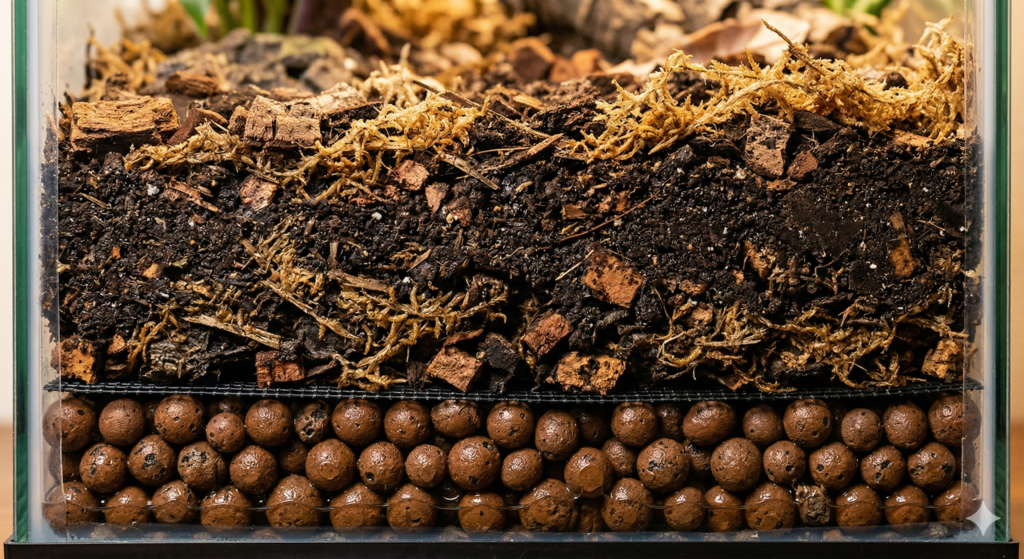
To sustain the cleanup crew during intense Indian heatwaves, keepers must heavily engineer the soil matrix. A deep substrate layer—a minimum of 4 to 6 inches—is strictly required. A deeper soil matrix creates a distinct thermal gradient, allowing springtails and isopods to actively burrow and retreat to the significantly cooler, highly insulated depths near the drainage layer during peak afternoon heat.
Keepers must implement subterranean hydration techniques. Instead of heavily misting the surface—which rapidly evaporates and spikes the ambient humidity, potentially causing respiratory distress in arid reptiles—keepers should use a syringe or a designated PVC pipe to inject dechlorinated water directly into the lower substrate layers. This ensures the deep soil remains moist and habitable without creating a suffocating surface environment. Furthermore, mandatory cross-ventilation becomes imperative; outfitting the enclosure’s mesh screen with low-RPM computer fans actively extracts stagnant hot air, mitigating the dangerous greenhouse effect generated by the glass walls.
Navigating the Indian Monsoon (July to September)
The arrival of the Indian monsoon entirely reverses the environmental challenge. As ambient indoor humidity surges past 85-90% for weeks at a time, the terrarium’s natural evaporation and transpiration rates plummet to zero. Standard misting schedules that worked perfectly in the dry heat of May will rapidly waterlog the enclosure in August.
Waterlogged soil represents a catastrophic failure in a bioactive system. Standing water physically displaces oxygen from the substrate’s porous cavities, inducing severe soil hypoxia. This anaerobic environment generates highly toxic hydrogen sulfide gas, rapidly asphyxiates the beneficial springtail and isopod populations, and creates the exact damp, stagnant, rotting conditions favored by rapidly breeding nuisance grain mites and fungus gnats.
Monsoon management requires strict, non-negotiable adherence to a false bottom drainage system. Implementing a 1.5 to 2-inch deep layer of Lightweight Expanded Clay Aggregate (LECA) or porous lava rock beneath a highly permeable fiberglass mesh barrier prevents the saturated soil from turning into a toxic, anaerobic bog. During the monsoon season, keepers must heavily curtail all artificial misting, relying entirely on the extreme ambient atmospheric moisture, and aggressively increase fan-driven ventilation to maintain aerobic soil conditions.
The Trenoya Standard: Cultivation, Biosecurity, and Premium Live Cultures
The most common vector for introducing nuisance grain mites, predatory flatworms, or highly parasitic pathogens into a carefully constructed bioactive enclosure is the misguided utilization of wild-caught soil or the purchase of contaminated, low-quality commercial cultures. To build a resilient, long-lasting ecosystem capable of surviving environmental fluctuations, hobbyists must prioritize the introduction of sterile, vigorously healthy foundation stock.
As Amitabh, Founder of Springtails.in and the co-founder of the brand Trenoya, I recognized the critical gap in the Indian market for reliable, scientifically cultivated microfauna. Here at our Trenoya culturing facility in India, we have dedicated ourselves to perfecting the specific environmental parameters required to breed premium biological assets. We implement rigorous, multi-staged biosecurity protocols to ensure that every single culture isolated for distribution remains entirely free of secondary mite contamination.
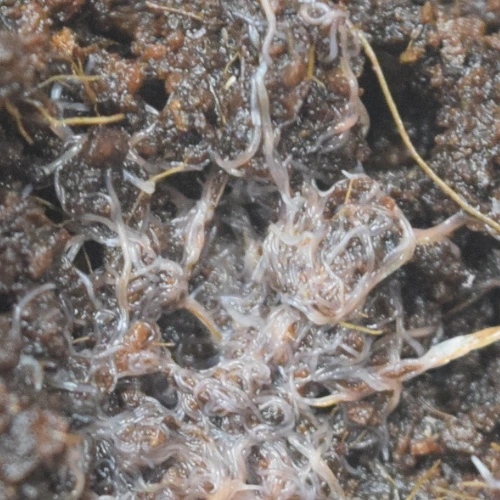
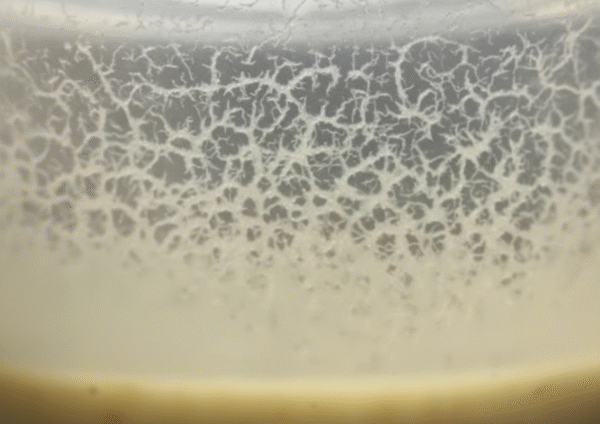
Whether you are introducing Trenoya Live Springtails to combat a sudden mold outbreak or establishing Trenoya Grindal Worms for advanced aquaculture, you are receiving organisms that are strictly Lab-Grown in India and certified Pest-Free.
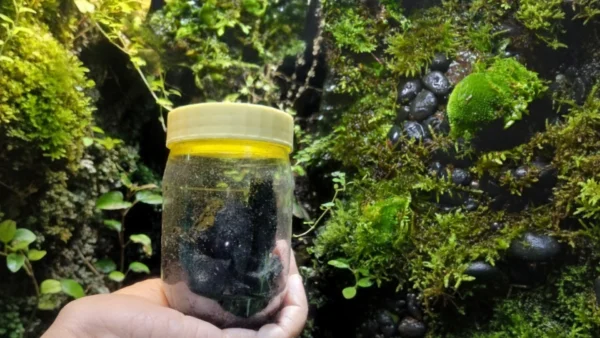
To secure the biological integrity of the live cultures during the unpredictable logistics of regional transit, we engineered a specific packaging solution. All Trenoya cultures are shipped in our signature 200ml pet jars. These transparent, highly rigid PET jars are lightweight yet incredibly durable, specifically designed to maintain optimal oxygen gas exchange and internal relative humidity during transit without the risk of crushing.
We refuse to compromise on the biological density of our products; we ensure that every single container delivers robust, highly active colony sizes of 30 to 100+ adults and juveniles, guaranteeing that the organisms can begin immediate ecosystem establishment the moment they are introduced into your vivarium.
Furthermore, we recognize that delivering the organisms is only half the process; educating the hobbyist ensures long-term success. Rather than leaving you to guess how to maintain your new ecosystem janitors, every jar features dedicated QR-code care guides printed directly on the lids. A quick scan provides instant access to species-specific husbandry data, scaling techniques, and optimal feeding ratios. Backed by our comprehensive Live Arrival Guarantee and facilitated through our Pan-India Express Shipping network, Trenoya sets the ultimate standard for bioactive cultivation.
Staff picks
-
TRENOYA Grindal Worms — Live Culture Starter (High-Protein Fish Food)
Original price was: ₹549.00.₹200.00Current price is: ₹200.00. -
TRENOYA Microworms – Starter Culture (First Food for Fish Fry)
Original price was: ₹349.00.₹200.00Current price is: ₹200.00. -
TRENOYA Springtails (Cleanup Crew) — Live Culture Starter (India)
Original price was: ₹900.00.₹350.00Current price is: ₹350.00. -
TRENOYA Vinegar Eels – Starter Culture (Surface Live Food for Fry)
Original price was: ₹349.00.₹200.00Current price is: ₹200.00.

Advanced Troubleshooting: Eradicating Severe Outbreaks
Even within meticulously engineered and properly seeded environments, temporary ecological imbalances—such as a sudden spike in moisture or the accidental overfeeding of a protein supplement—can trigger sudden pest population shifts. Recognizing the early diagnostic indicators of a failing system allows for rapid, natural correction without resorting to highly destructive chemical acaricides or broad-spectrum insecticides.
The Deprivation and Desiccation Protocol
An explosive, swarming bloom of grain mites or fungus gnats indicates a fundamental surplus of resources within the terrarium—specifically, a massive excess of available carbohydrates, persistent surface moisture, and heavily restricted ventilation.
- The Deprivation Phase: The immediate, necessary response to a visible mite or gnat bloom is the total cessation of all supplemental feeding. Isopods and springtails are highly resilient and can subsist entirely on the enclosure’s intrinsic leaf litter, mosses, and decaying wood for several consecutive weeks without starvation. Withholding starchy vegetables, brewer’s yeast, and fish flakes instantly deprives the fast-breeding grain mites of the primary caloric catalyst required for their reproduction.
- The Desiccation Phase: Because nuisance mites and fungus gnats rely heavily on saturated, damp topsoil for egg incubation and larval survival, inducing a highly controlled dry-back cycle disrupts their reproductive chain. By significantly increasing cross-ventilation and allowing the top one inch of the substrate to dry completely, the micro-environment becomes incredibly hostile to delicate mite larvae and gnat maggots. During this dry-back period, the deep-burrowing isopods and springtails will intuitively retreat to the hydrated lower layers near the LECA drainage zone, safely outlasting the surface desiccation while the pests perish.
Biological Warfare Protocols
If cultural adjustments and dry-back cycles fail to suppress the bloom, the targeted introduction of entomopathogenic biologicals is highly effective and completely safe for the primary terrarium inhabitants. Drenching the saturated soil with Bacillus thuringiensis israelensis (Bti) selectively targets and destroys the digestive tracts of fungus gnat larvae without harming isopods, springtails, or delicate plant roots. Similarly, deploying a heavy broadcast of Hypoaspis miles predatory mites rapidly clears the soil surface of competing pest mites.
While these protocols handle standard blooms, managing severe, deeply entrenched infestations requires immediate, aggressive intervention to prevent total ecosystem collapse. You can learn the exact biological protocols, chemical-free drenching techniques, and quarantine procedures for eradicating these stubborn invaders by reviewing our extensive guide on identifying and treating springtail pests within high-humidity environments.
“
Designing the Perfect Bioactive Architecture
The long-term prevention of mites, mold, and soil hypoxia relies entirely on the structural architecture implemented on the very first day of the terrarium’s construction. A poorly layered substrate will inevitably collapse, leading to anaerobic bacteria spikes and the subsequent death of the clean-up crew.
To build a truly resilient system, the enclosure must be stratified correctly. The base must consist of a deep drainage layer, typically utilizing lightweight expanded clay aggregate, capped by a permeable mesh substrate barrier. Above this, the primary biological engine—the substrate—must be mixed to provide optimal moisture retention without sacrificing critical aeration.
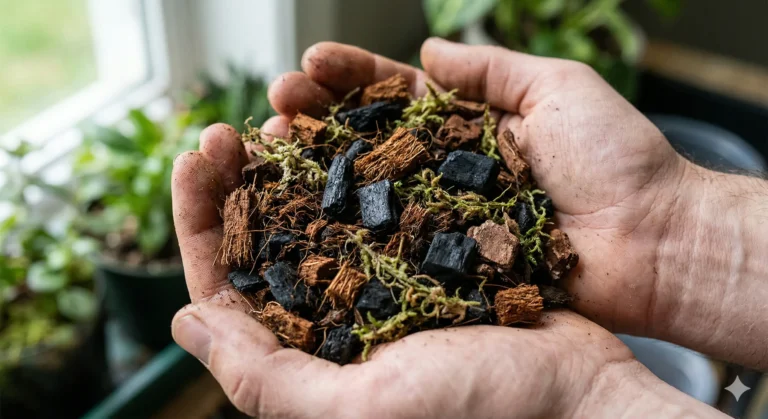
The exact ratios of coco coir, orchid bark, tree fern fiber, and activated charcoal dictate the soil’s longevity. Once the physical architecture is established, integrating the correct species of microfauna ensures the nitrogen cycle functions perfectly. For a complete, step-by-step analysis on selecting the correct detritivores and establishing the necessary bacterial colonies, consult our bioactive cleanup crew guide.
For hobbyists preparing to construct an enclosure from the ground up, executing the drainage layers and soil chemistry correctly is the difference between a thriving jungle and a stagnant swamp. Review our comprehensive architectural breakdown on setting up a bioactive terrarium to ensure your ecosystem is engineered to withstand the demanding fluctuations of the Indian climate.
Frequently Asked Questions (FAQ)
Are soil mites harmful to humans or pets?
No. Common soil mites (Order Oribatida) and nuisance grain mites (Family Acaridae) are strictly classified as detritivores or fungivores. They completely lack the anatomical mouthparts required to bite, sting, or parasitize humans, dogs, cats, or the reptiles residing within the terrarium. Their biological function is strictly limited to processing decaying organic matter and returning nutrients to the soil.
How do I permanently get rid of grain mites in my terrarium?
Achieving permanent, 100% eradication of grain mites is incredibly challenging due to their microscopic size and incredibly rapid reproductive life cycle. However, their populations can be aggressively suppressed to unnoticeable levels by executing a multi-step protocol: withholding all carbohydrate-rich supplemental foods for several weeks, significantly increasing enclosure cross-ventilation, dropping the relative humidity below 65% for a brief, controlled period, and introducing a highly dense colony of springtails to aggressively outcompete the mites for the remaining microscopic food resources.
Will springtails escape the terrarium and infest my house?
No. Springtails are obligate, highly moisture-dependent organisms that respire cutaneously (directly through their permeable skin cuticles). The ambient humidity of a standard, air-conditioned, or well-ventilated human dwelling is drastically too dry to support their physiology. If a springtail escapes the high-humidity, 80%+ microclimate of the terrarium, it will rapidly suffer cuticular desiccation and die within a matter of minutes or hours, making an indoor household infestation a biological impossibility.
Can I use chemical pesticides to kill terrarium mites?
Using broad-spectrum chemical acaricides or traditional insecticidal sprays inside a functional bioactive terrarium is highly destructive and strongly discouraged. These potent chemicals do not discriminate between nuisance pests and your highly beneficial microfauna; they will instantaneously eradicate the essential springtail and isopod populations, effectively collapsing the entire biological filtration system of the enclosure. Safe, sustainable management relies strictly on targeted environmental modification and the introduction of natural biological predators.
Why do mites suddenly appear in newly set up enclosures?
Newly constructed bioactive terrariums frequently experience a massive, temporary nutrient spike as fresh botanical elements, raw cork bark, and newly moistened sterilized soils begin their initial, rapid decay process. This brief period of extremely high resource availability, combined with the high initial moisture levels required for planting, frequently triggers a temporary, explosive “bloom” of opportunistic soil and grain mites. Once the introduced springtail colonies establish demographic dominance and the easily accessible flush of nutrients is fully consumed, the mite population will naturally starve out and recede into a balanced, unseen equilibrium.